An In-Depth Analysis of Common Mechanical and Safety Concerns Affecting Toyota Highlander Models

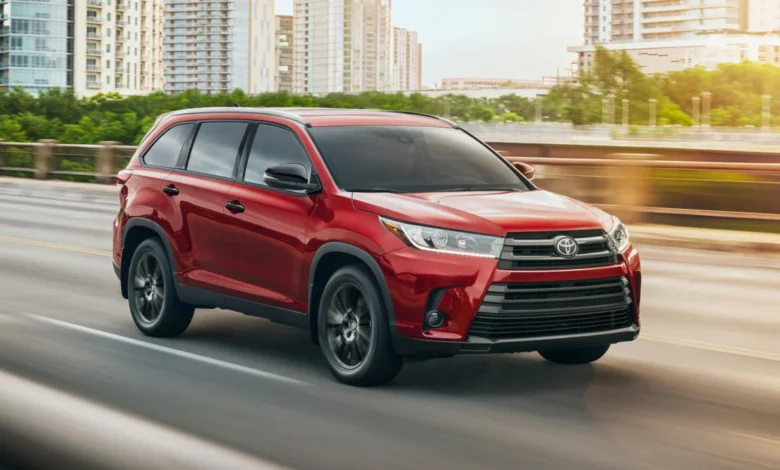
The Toyota Highlander, recognized as the Kluger in Australia, has firmly established itself as a quintessential vehicle in the midsize crossover SUV segment, frequently serving as the archetypal family car for countless consumers. Since its debut for the 2001 model year, the Highlander has cultivated a significant presence, lauded for its pragmatic design, generous interior space, and a broad array of configurations—ranging from basic front-wheel-drive variants ideal for daily commuting to advanced hybrid models engineered for superior fuel efficiency. Its foundational architecture, notably sharing numerous components with the venerable Toyota Camry sedan, has historically underpinned its reputation for steadfast dependability and widespread appeal. This has rendered it a ubiquitous fixture on urban landscapes across North America, even distinguishing itself by joining the ranks of New York City’s iconic yellow taxi fleet. This enduring popularity, coupled with the brand’s global association with reliability, often leads owners to anticipate years of trouble-free operation.
However, notwithstanding its commanding market position and Toyota’s esteemed engineering prowess, the Highlander is not impervious to a range of challenges that can profoundly affect owner satisfaction and vehicle longevity. As is typical with any mass-produced automobile, certain models and specific generations have demonstrated recurring mechanical and safety defects. For owners without mechanical expertise, these issues can quickly escalate from minor inconveniences to critical "dealbreakers." This comprehensive journalistic analysis meticulously examines some of the most frequently reported and severe problems afflicting Highlander models, with a particular emphasis on vehicles five years or older as of 2026, where long-term reliability trends become more discernible. Our scope deliberately excludes brand-new models, whose long-term issues have not yet fully manifested, and problems directly attributable to owner negligence or inadequate maintenance. Instead, our focus remains squarely on fundamental design or manufacturing flaws inherent to the vehicles themselves, drawing upon extensive research, official recall data, and corroborated owner reports to provide a factual and objective assessment of these significant concerns.
The Toyota Highlander’s Market Position and Evolution
The Toyota Highlander has consistently ranked among the top-selling vehicles in its class, frequently contending for market dominance against formidable rivals such as the Honda Pilot and Ford Explorer. This sustained success is primarily attributed to a strategic confluence of practicality, passenger comfort, and the perception of unyielding reliability synonymous with the Toyota marque. The strategic decision to base the Highlander on Toyota’s K platform, shared with the Camry, allowed the manufacturer to integrate existing, battle-tested components, thereby offering a car-like ride quality that distinguished it from more rugged, truck-based SUVs. This design philosophy resonated profoundly with families seeking a comfortable, safe, and efficient vehicle suited for suburban living. The availability of diverse powertrains, including robust V6 engines and pioneering hybrid options, further broadened its appeal, addressing a wide spectrum of consumer demands from raw power to enhanced fuel economy. Through successive generations, the Highlander has undergone continuous evolution, introducing refinements in technology, safety features, and aesthetic design, thereby cementing its status as a foundational pillar of Toyota’s North American product portfolio.

Addressing Recurring Challenges: Recalls and Owner Dissatisfaction
Despite its well-earned reputation for quality, specific generations and powertrain configurations of the Toyota Highlander have been the subject of significant recalls and widespread owner complaints concerning serious defects. These issues, spanning from critical engine components to essential safety systems, underscore the inherent complexities even for highly reputable manufacturers in ensuring flawless operation across millions of units. A thorough understanding of these problems is paramount for current owners navigating maintenance decisions and for prospective buyers evaluating pre-owned Highlanders. The financial ramifications of these failures can be substantial, particularly for issues not covered by active recalls or extended warranties, potentially transforming a seemingly reliable acquisition into a financially burdensome liability.
Detailed Examination of Key Mechanical and Safety Flaws in Toyota Highlanders
Catastrophic Oil Cooler Line Failures in V6 Engines
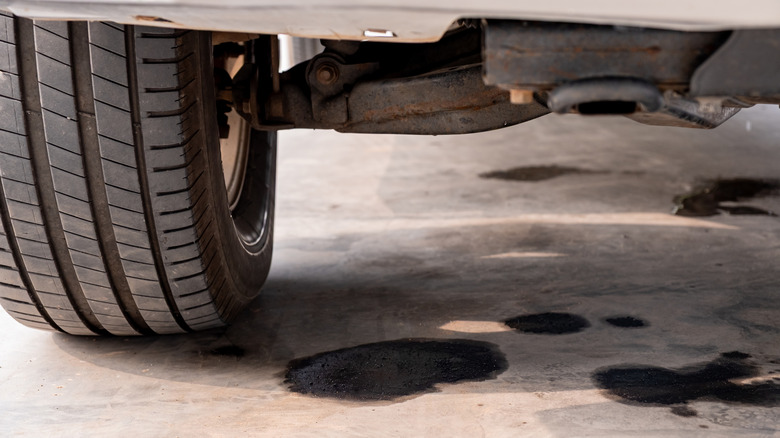
One of the most critical and potentially engine-destroying issues identified in certain Toyota Highlander models pertains to the premature failure of rubber oil cooler lines, specifically those integrated with the 3.5-liter V6 engine. This defect typically manifests as a sudden rupture, leading to a rapid and drastic loss of engine oil pressure. An engine deprived of lubrication experiences immediate and severe metal-on-metal friction among its vital moving parts, including pistons, crankshaft bearings, and valvetrain components. Without the essential lubricating and cooling properties of engine oil, these components rapidly overheat, score, and ultimately seize, often resulting in irreversible engine damage. Owners frequently report the sudden illumination of the oil pressure warning light, accompanied by unusual metallic engine noises, and eventually, complete engine failure if the issue is not addressed immediately upon detection.
Toyota officially acknowledged this severe defect, initiating a recall campaign that encompassed approximately 533,500 Toyota models equipped with the affected 3.5-liter V6 engine. This recall specifically targeted 2008 to 2011 standard Highlander models and 2011 Highlander Hybrids. The prescribed remedy typically involved replacing the defective rubber oil cooler lines with more robust, durable metal alternatives. Significantly, the recall also extended warranty coverage for any engine damage directly attributable to the oil leak, offering a vital safeguard to affected owners. However, anecdotal evidence and owner reports suggest that the problem’s prevalence may extend beyond the officially recalled model years, with complaints emerging for Highlanders produced between 2005 and 2013. This broader reported scope highlights the imperative for owners of non-recalled but potentially susceptible model years to exercise heightened vigilance. Ignoring a low oil pressure warning light in these circumstances is a direct path to engine destruction, effectively rendering the vehicle inoperable and incurring repair costs that can easily run into thousands of dollars for an engine replacement, if not covered by a recall or extended warranty.
Widespread Fuel Pump Malfunctions Leading to Stalling Risks
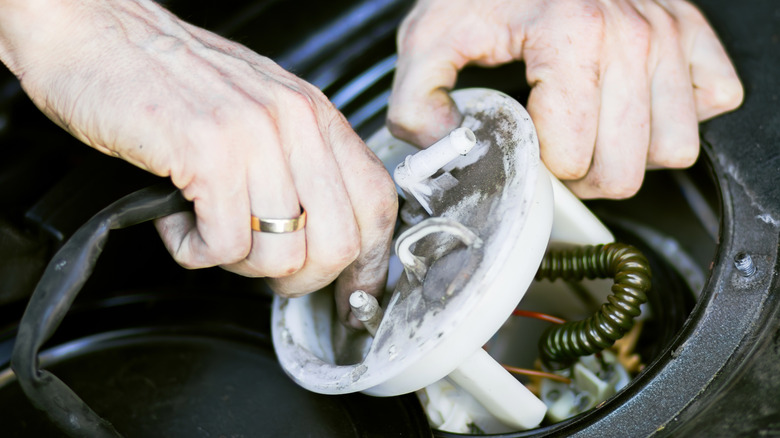
Another pervasive and potentially hazardous issue affecting a wide array of Toyota and Lexus models, including the Highlander, involves faulty fuel pumps. The fuel pump’s fundamental responsibility is to draw fuel from the vehicle’s gas tank and deliver it under precise pressure to the engine’s fuel injectors, a process critical for consistent engine operation. This complex system is vital for ensuring a stable and reliable fuel supply. When a fuel pump malfunctions, it struggles to maintain the requisite pressure, leading to an inconsistent or insufficient fuel flow. Initial symptoms often include the vehicle sputtering as if it is running out of fuel, experiencing noticeable hesitation during acceleration, or having difficulty starting. In more severe instances, a complete failure of the fuel pump can trigger sudden engine stalls, a particularly perilous situation if it occurs at highway speeds or within dense traffic conditions, dramatically increasing the risk of collision.
Toyota’s response to this systemic issue has involved multiple, large-scale recalls, first announced and subsequently amended throughout 2020. These recall campaigns collectively impacted an astonishing number of vehicles—exceeding 1.8 million units across more than a dozen distinct Toyota and Lexus models, including the 2017-2019 Highlander. A separate, though undoubtedly related, recall specifically addressed concerns where the entire fuel pump assembly, rather than just the pump component, could fail. This additional recall encompassed over 1.5 million vehicles, with substantial overlap with the previously issued actions. The sheer magnitude of these recalls underscores a widespread systemic issue within the supply chain for these critical components. For Highlander owners, the implications of a faulty fuel pump are significant, necessitating immediate attention to mitigate dangerous driving scenarios and potential accidents. While replacements under recall provisions are typically performed free of charge, the inconvenience and potential safety risks prior to remediation remain substantial.
Airbag Deployment Failures: A Severe Safety Compromise
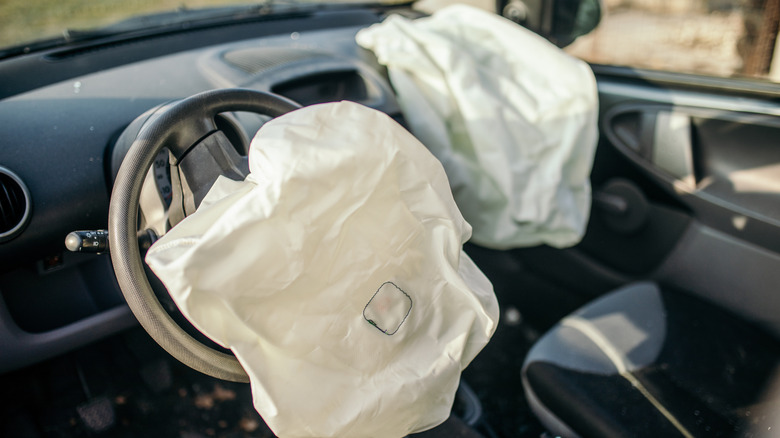
Few automotive defects carry more severe consequences than the failure of airbags to deploy as intended during a collision. Airbags represent a cornerstone of modern vehicle safety systems, meticulously designed to provide crucial supplementary protection to occupants in the event of an impact by rapidly inflating to cushion the body and mitigate severe injuries. The fundamental principle is to dissipate kinetic energy that would otherwise be absorbed directly by the human body. When an airbag fails to deploy, occupants are left critically vulnerable to direct impact with the steering column, dashboard, or windshield, thereby dramatically escalating the risk of severe injury or fatality.
The Toyota Highlander has been implicated in specific recalls related to airbag deployment failures, affecting both driver and passenger side airbags depending on the particular model year. One particularly extensive recall, impacting nearly a million vehicles including the 2020 and 2021 Highlander, focused on a short circuit within the Occupant Classification System (OCS). The OCS is a sophisticated sensor system responsible for detecting the presence and weight of a front passenger, thereby determining whether to arm and deploy the passenger-side airbag. A short circuit in this intricate system could prevent the passenger airbag from arming, rendering it completely inoperative in an accident. Separately, a recall for certain 2023 Highlander models identified a potential defect in the cable connecting the driver’s side airbag. A faulty connection in this critical cable would prevent the necessary impact signal from reaching the airbag module, thus inhibiting deployment during a collision.
These recurring airbag issues resonate with historical automotive safety crises, such as the infamous Takata airbag scandal, which involved a different mechanism of failure (propellant degradation leading to explosive rupture) but similarly highlighted the critical importance of absolutely reliable airbag systems. For Highlander owners, these recalls serve as a stark reminder of the sophisticated yet sometimes vulnerable nature of modern safety technology. Prompt attention to recall notices and authorized repairs at a dealership is paramount to ensure the vehicle’s essential safety systems function as intended during an emergency, potentially saving lives.
The Notorious Aisin Eight-Speed Automatic Transmission Failure
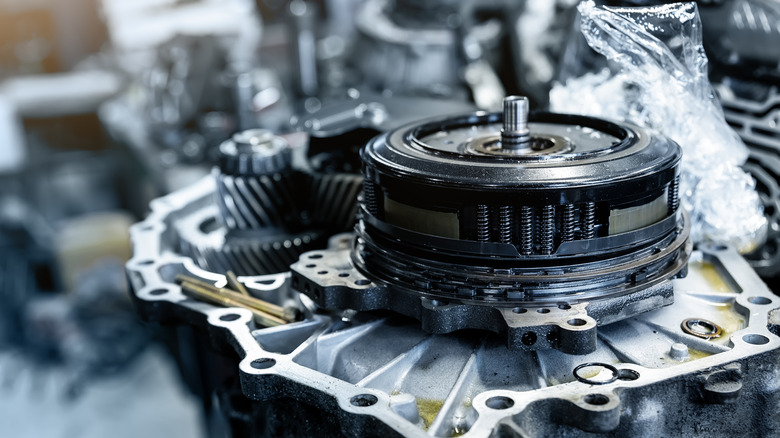
Perhaps one of the most profoundly frustrating and financially burdensome issues confronting owners of certain Toyota Highlanders is the premature and widespread failure of the Aisin eight-speed automatic transmission (specifically the UA80 series). In stark contrast to the previously discussed problems, this particular issue currently lacks an active recall from Toyota, consequently leaving owners to bear the full financial burden of what can be an exceptionally expensive repair, frequently approaching or even exceeding $8,000 for a complete replacement. This transmission is widely infamous among affected owners for the distinct "Whine of Death," a high-pitched, increasingly audible noise that serves as an ominous precursor to internal component wear and eventual catastrophic mechanical failure.
Symptoms consistently reported by owners and extensively detailed in legal filings include pronounced gear slippage, erratic or harsh shifting, a significant loss of motive power, and ultimately, complete transmission failure. The underlying cause is frequently attributed to fundamental design flaws inherent within the gearbox, particularly concerning the suitability of its gear ratios for the Highlander’s intended application as a family vehicle. This perceived mismatch can induce excessive strain on internal components, thereby accelerating wear and tear far beyond anticipated lifespans.
The severity and widespread prevalence of this transmission defect have culminated in an ongoing class-action lawsuit. Initiated in 2025 by plaintiff James LeBoutheller, the lawsuit specifically alleges that Aisin, the transmission manufacturer, possessed prior knowledge of the glaring problems associated with the UA80 automatic transmission for several years but ostensibly failed to adequately address them. This legal action seeks financial compensation for owners who have incurred substantial expenses due to these failures and aims to compel Toyota to provide a more comprehensive and satisfactory resolution. Despite these grave allegations, Toyota has consistently maintained that the transmissions are safe and perform as designed, a stance that has generated considerable frustration and anger among many affected owners. For prospective buyers, a Highlander equipped with this transmission, particularly within the model years associated with these numerous complaints, represents a substantial financial risk due to the exorbitant cost of repair and the conspicuous absence of official manufacturer support outside of standard warranty periods. A meticulous pre-purchase inspection specifically focusing on the transmission’s health is therefore absolutely essential for any pre-owned purchase.
Premature Failure of Oxygen Sensors: An Efficiency Drain
While considerably less immediately catastrophic than engine or transmission failures, the premature failure of oxygen (O2) sensors in Toyota Highlanders represents a widespread issue that nonetheless significantly impacts vehicle performance, fuel economy, and environmental emissions. The O2 sensor plays a pivotal role in modern engine management systems, continuously monitoring the oxygen content within the exhaust gases. This critical data is promptly relayed to the engine’s onboard computer (ECU), which then precisely adjusts the air-fuel mixture to maintain optimal combustion efficiency, whether prioritizing fuel economy or maximizing performance.
When an O2 sensor malfunctions or fails, the engine typically reverts to an "open-loop" operating mode. In this mode, the ECU operates on pre-programmed default settings, often injecting a richer fuel mixture than is actually necessary, particularly during and immediately after a cold start. This leads to several discernible symptoms: a noticeable decrease in fuel efficiency, a rougher or erratic idle, diminished engine performance, and the illumination of the "Check Engine" light on the dashboard. Although the vehicle generally remains drivable in this condition, prolonged operation with an excessively rich air-fuel mixture can precipitate other, more severe problems, such as premature catalytic converter failure due to the accumulation of unburnt fuel.
Unlike the more severe mechanical issues previously discussed, there is currently no active recall from Toyota specifically addressing O2 sensor failures in Highlanders. However, numerous owners have consistently reported the necessity of replacing these sensors well before their anticipated operational lifespan. While the repair is significantly less expensive than a transmission replacement, typically costing a few hundred dollars per sensor, it nonetheless represents an unwelcome recurring expense for many owners. In some instances, a fouled sensor might merely require cleaning, but more often, complete replacement is the only effective and lasting solution. This issue, while not posing a direct safety hazard, underscores a persistent quality concern that impacts the overall cost of vehicle ownership and its environmental footprint.
Toyota’s Corporate Response, Industry Context, and Owner Implications
Toyota’s corporate response to these various issues has been diverse and context-dependent. For the oil cooler line ruptures, fuel pump malfunctions, and airbag deployment failures, the company has, in accordance with regulatory requirements and industry standards, issued official recalls, typically providing free repairs or replacements to affected owners. These actions align with the oversight responsibilities of regulatory bodies such as the National Highway Traffic Safety Administration (NHTSA) in the U.S., which actively monitors consumer complaints and manufacturer data to uphold public safety. While these recalls offer a measure of reassurance to owners whose vehicles fall within the defined scope, they also highlight the inherent challenges even a quality-focused manufacturer faces in managing complex, global supply chains.
However, the situation surrounding the Aisin eight-speed automatic transmission stands in stark contrast, with Toyota consistently maintaining that these transmissions are safe despite widespread owner complaints and the existence of an ongoing class-action lawsuit. This divergence creates a significant chasm between the manufacturer’s official position and the practical experiences of many owners, who are left to bear substantial financial burdens for what they perceive as a fundamental product defect. Such class-action lawsuits are a common legal mechanism through which consumers collectively seek redress when individual claims are insufficient to compel a manufacturer to act, or when official recalls are deemed inadequate in scope or remedy.
For current Toyota Highlander owners, vigilance and proactive engagement are paramount. Staying well-informed about all recall notices, promptly addressing dashboard warning lights, and rigorously adhering to recommended maintenance schedules are crucial steps. For prospective buyers of pre-owned Highlanders, particularly those considering models five years or older, exercising meticulous due diligence is indispensable. A comprehensive pre-purchase inspection conducted by a trusted, independent mechanic is highly advisable. This inspection should specifically target signs of these known issues, such as evidence of oil leaks, any anomalies in transmission operation (e.g., unusual noises, harsh shifts), and verification that all active recalls have been satisfactorily addressed. Furthermore, thoroughly reviewing the vehicle’s history through reputable services like CarFax or AutoCheck, and cross-referencing for open recalls using the Vehicle Identification Number (VIN) on the NHTSA website, can provide invaluable insights into a vehicle’s past maintenance and potential future reliability.
In conclusion, while the Toyota Highlander continues to embody many of the exemplary qualities that have cemented Toyota’s position as a global automotive