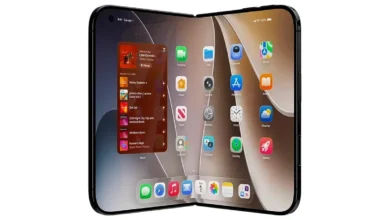
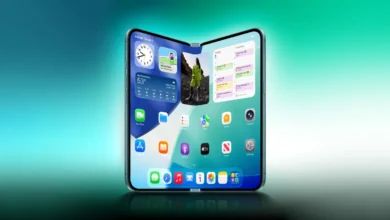
Inside the iFixit Teardown of the iPhone Duo: Engineering Triumphs and Concerning Display Vulnerabilities

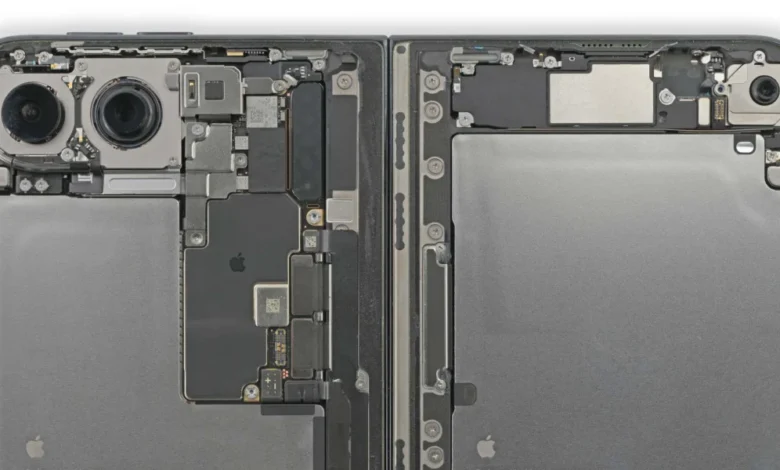
The release of the iPhone Duo marks a watershed moment for Apple, signaling the company’s formal entry into the high-stakes foldable smartphone market. As consumers and industry analysts scrutinize the device’s performance, the technical experts at iFixit have completed a comprehensive teardown, offering the first granular look at the engineering decisions that define this new form factor. While the device sets a new benchmark for repairability in the foldable category, the disassembly process has simultaneously uncovered structural anomalies that may explain early reports of screen failures.
A New Benchmark for Foldable Repairability
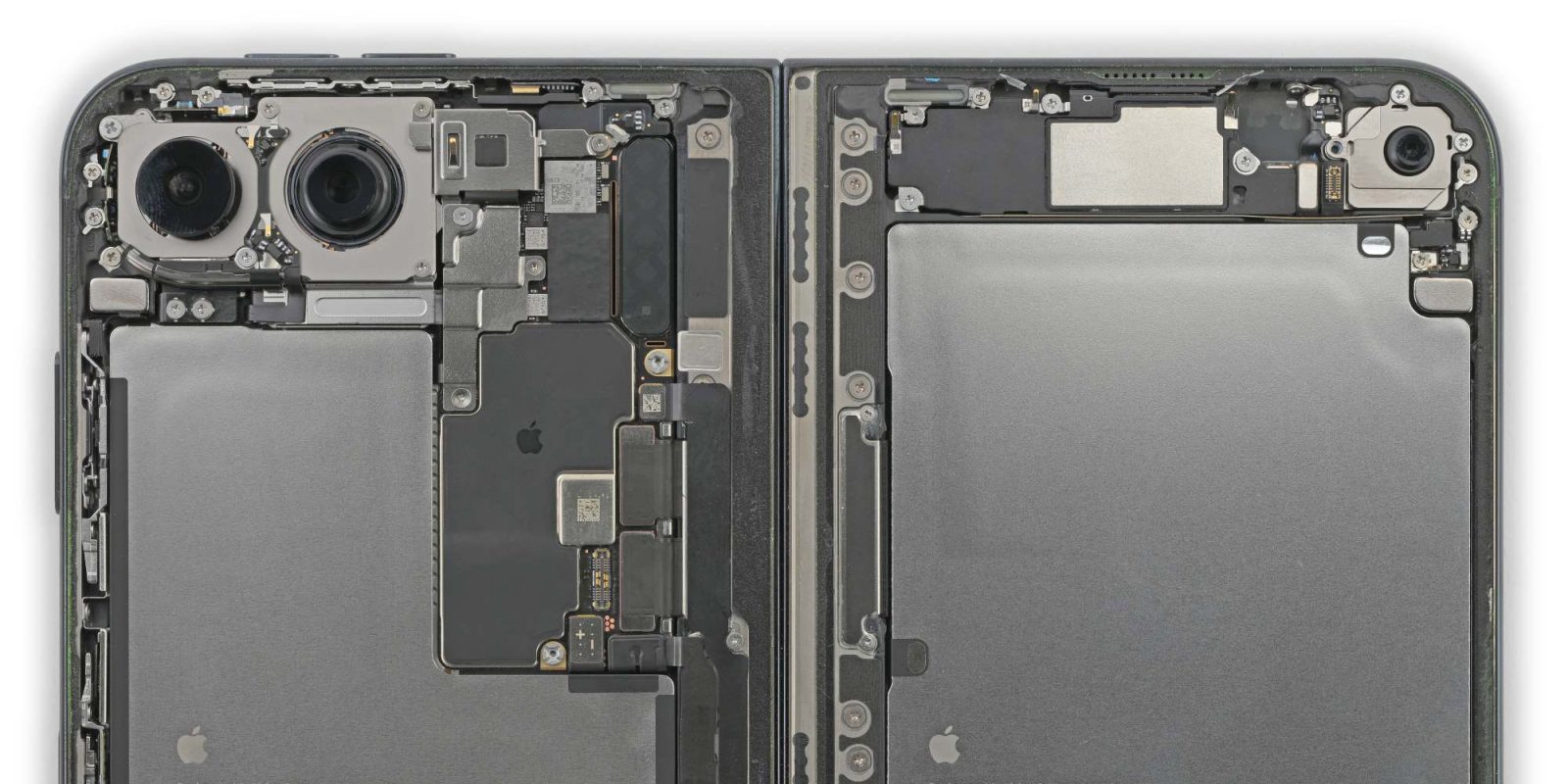
Historically, foldable smartphones have been notoriously difficult to service, often receiving dismal repairability scores due to the fragility of their flexible displays and the complexity of their hinge mechanisms. iFixit has awarded the iPhone Duo a provisional repairability score of 5 out of 10. While a mid-range score might seem unremarkable in the context of standard slab-style smartphones, it represents the highest rating ever bestowed upon a foldable device by the outlet.
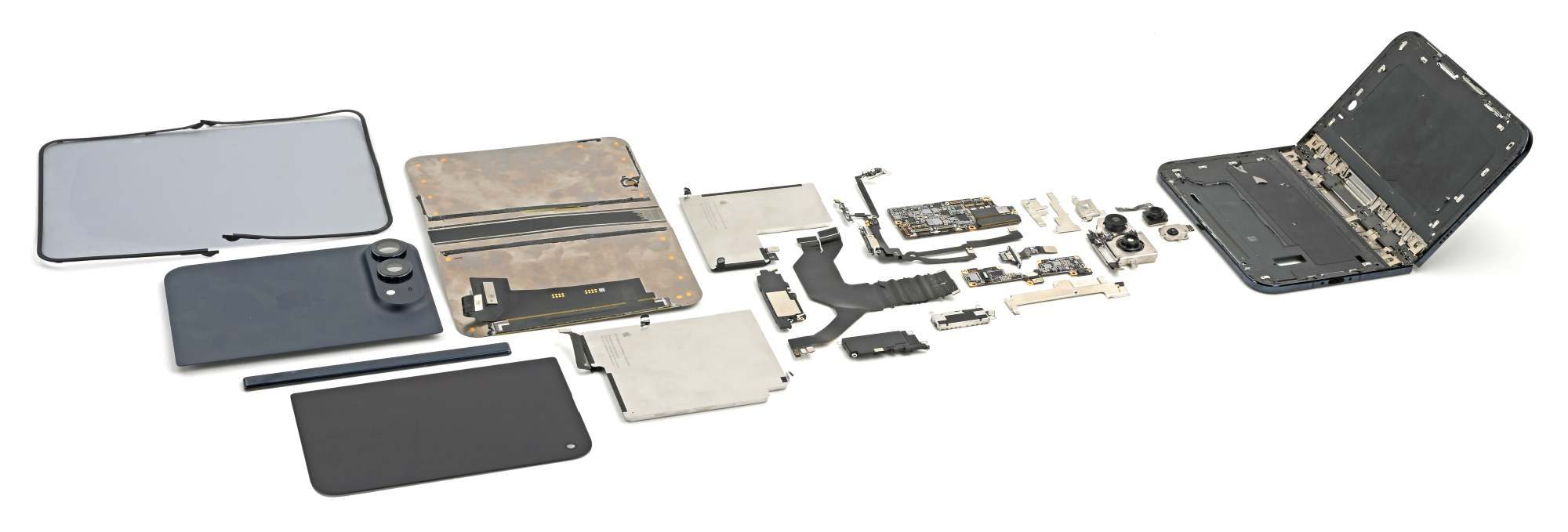
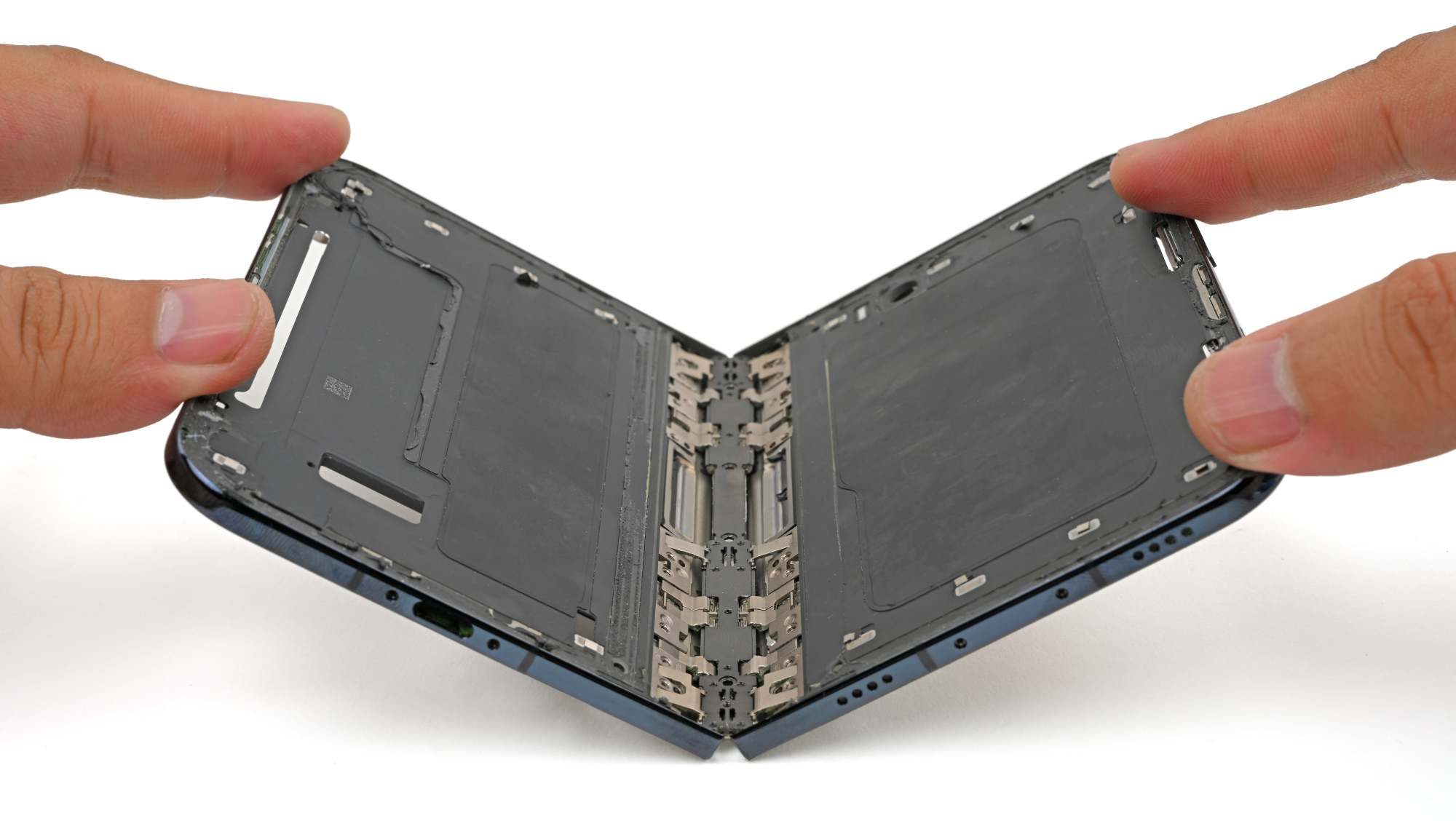
This achievement is largely attributed to Apple’s departure from the industry-standard practice of using excessive, permanent adhesives. The teardown revealed the use of electrically releasable adhesives for the device’s dual battery configuration, a design choice that allows technicians to remove the cells without the risk of puncture or excessive prying. Additionally, the inclusion of a modular bezel secured by clips—rather than glue—simplifies the process of accessing the inner display, a critical component that has historically required complete device replacement in competing foldable models.
Chronology of the Development and Launch
The road to the iPhone Duo was paved with years of speculative patent filings and supply chain rumors. Since 2021, Apple had been aggressively filing for intellectual property related to “foldable display mechanisms,” specifically focusing on stress-reduction techniques and hinge durability.
The timeline of the device’s debut is as follows:
- Early 2022: Initial reports confirm Apple has begun testing foldable prototypes with internal display manufacturers.
- Mid-2024: Industry analysts identify a shift in Apple’s supply chain, indicating procurement of specialized, flexible OLED panels.
- September 2026: The official announcement of the iPhone Duo at Apple’s annual fall hardware event.
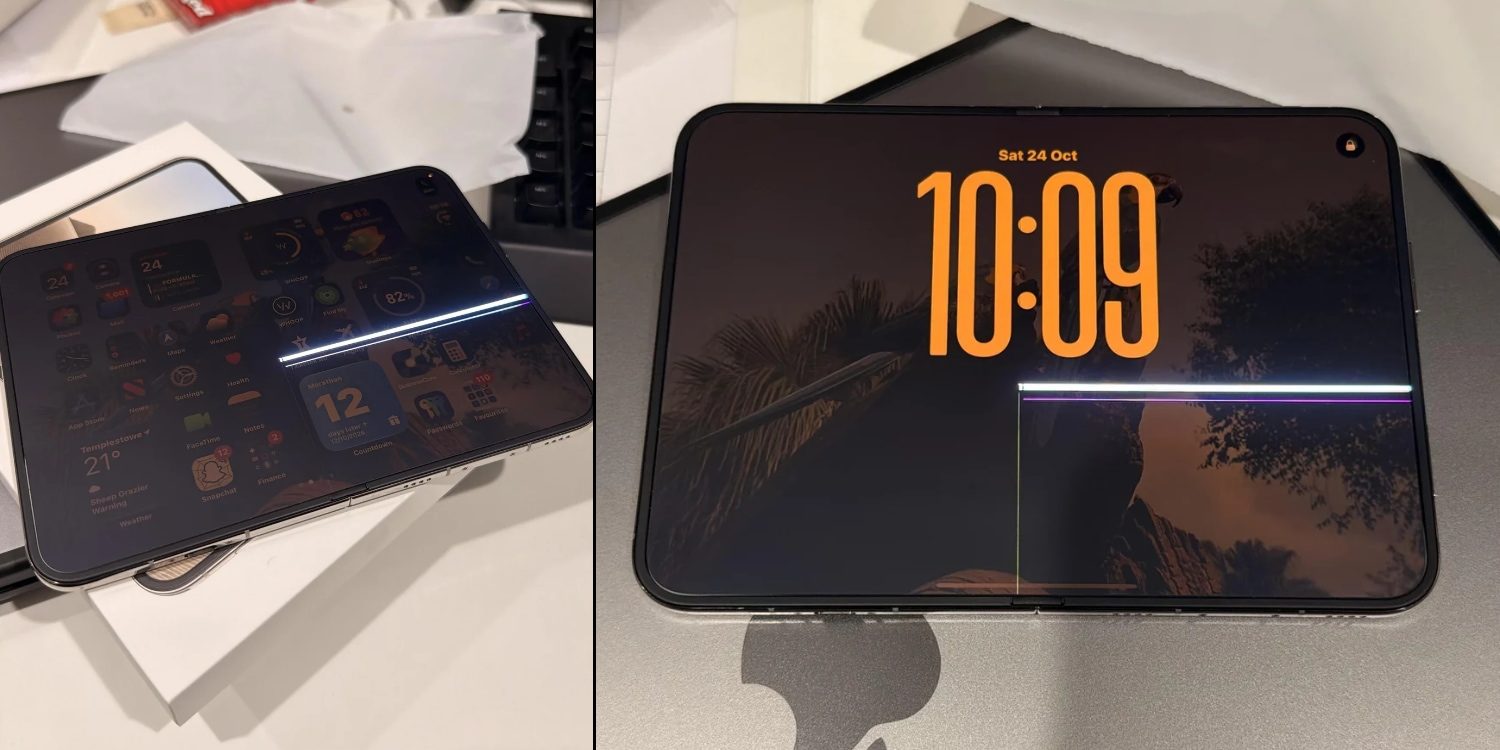
- October 2026: Global retail launch. Within the first two weeks of availability, a segment of the early-adopter user base began reporting “crunching” sounds and vertical artifacts on the inner display, prompting an immediate investigation by independent repair firms.
Investigating the Screen Failure Phenomena
The most critical finding of the iFixit teardown concerns the reported screen failures. Users have described a consistent pattern of damage: an audible crunching sensation when unfolding the device, followed by the appearance of bright, vertical lines—an indicator of damage to the display’s thin-film transistor (TFT) layer.
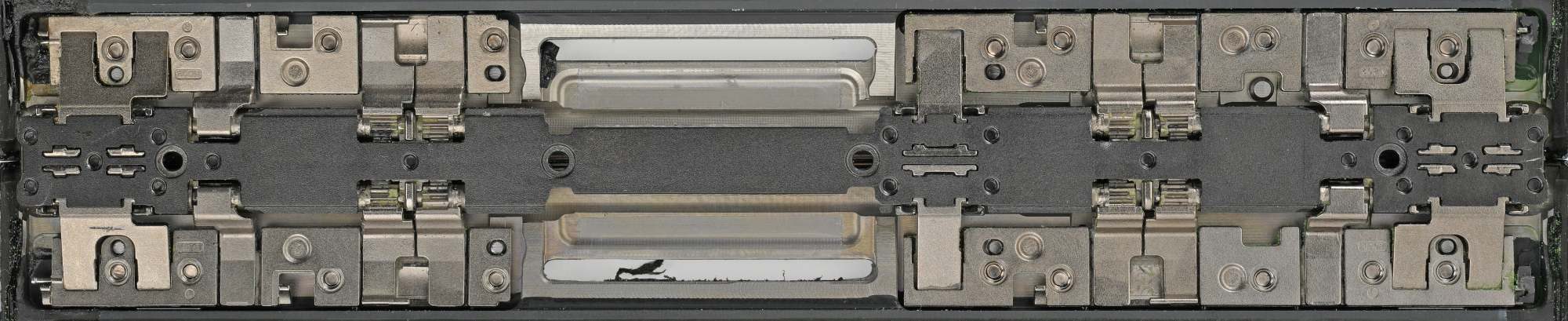
By utilizing CT scans to visualize the internal mechanics, the iFixit team identified a specific intersection of structural components near the hinge support. The data suggests that a central support bar, intended to provide rigidity, may occasionally fail to retract fully during the closing cycle. When this occurs, the mechanical pressure is transferred directly to the flexible OLED panel. Furthermore, the teardown highlighted that the curved guide rails, which facilitate the hinge’s movement, rise slightly above the frame during the folding action. If these components do not synchronize perfectly with the display’s movement, they can introduce localized mechanical stress, creating a high probability of panel fracture over time.
Engineering Complexity: The Hinge and the Display
The hinge mechanism is a marvel of miniaturization. It utilizes a waterdrop-style architecture, a design that allows the display to form a larger radius fold, significantly reducing the tension placed on the screen compared to a sharp, book-style fold. The teardown revealed an intricate array of interconnected metal joints, springs, and gears that allow for smooth movement while maintaining an IP68 ingress protection rating.
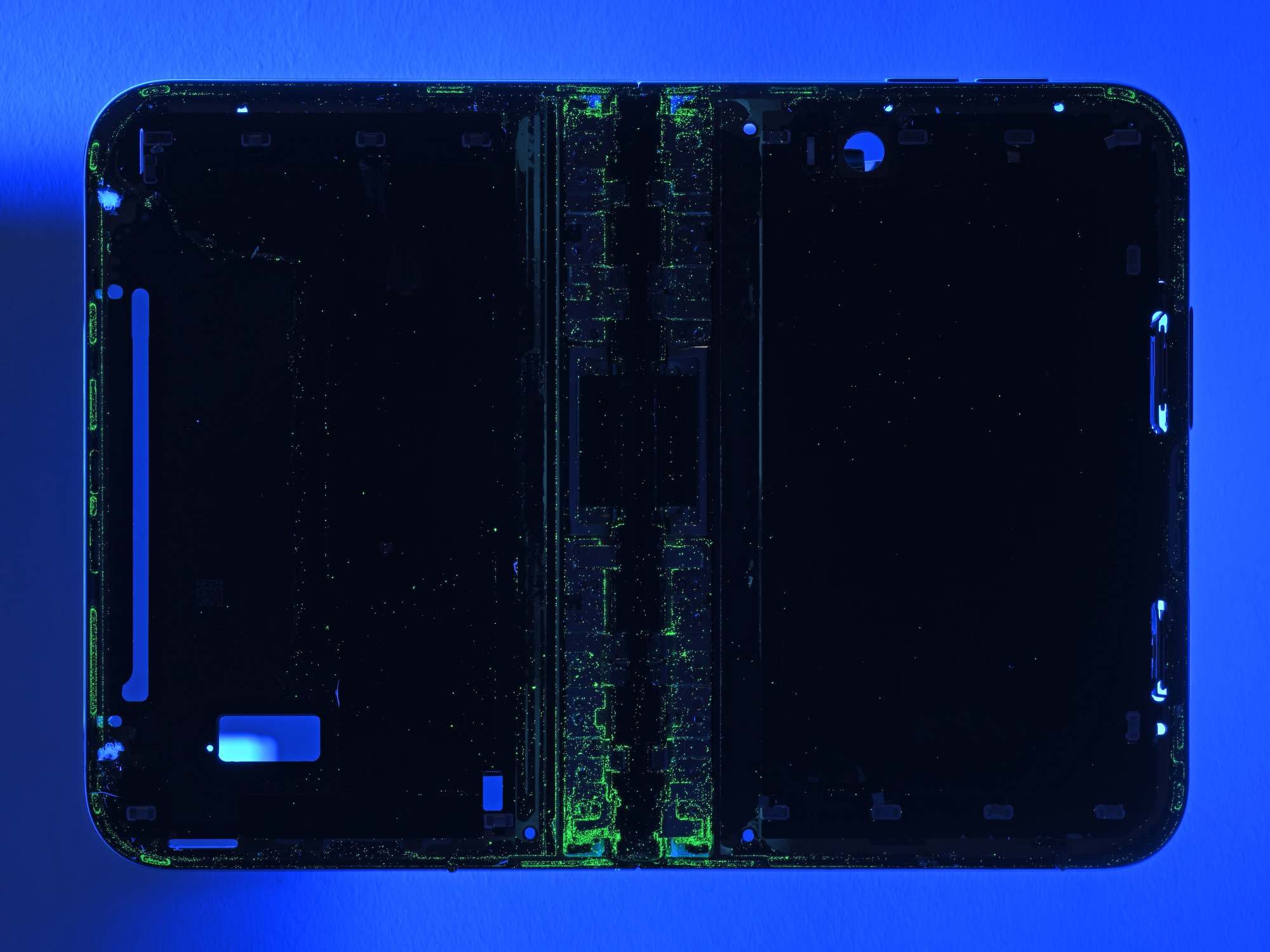
Despite this rating, which ensures protection against dust and submersion in up to six meters of water, the iFixit “fluorescent dust test” showed that the internal components are not entirely immune to debris. While the iPhone Duo performed better than most foldable competitors in preventing dust ingress, the accumulation of fine particles within the hinge resulted in audible noise, suggesting that the long-term impact of environmental debris on the hinge’s structural integrity remains a point of concern.
Microscopic Innovation in Display Technology
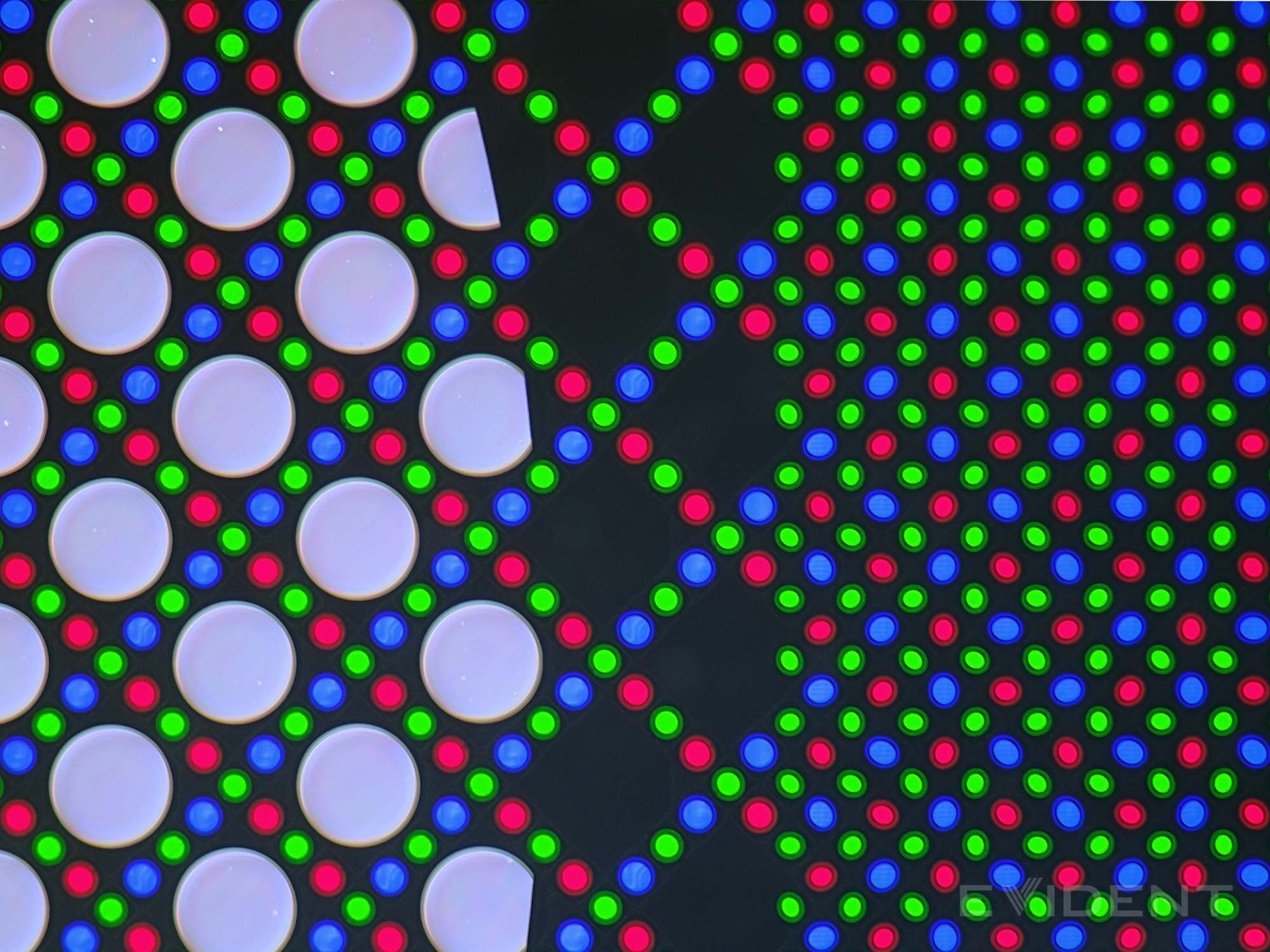
Beyond the structural mechanics, Apple has implemented sophisticated display technologies to address the inherent flaws of foldable screens. A microscopic examination of the inner display revealed a "nano-texture" surface composed of millions of rounded, microscopic bumps. This surface treatment is designed to scatter ambient light, effectively masking the physical crease that appears at the fold line.
Furthermore, the pixel arrangement is non-uniform. In areas where the screen faces the most stress, Apple has utilized oval-shaped subpixels oriented in varying directions. This specialized layout serves a dual purpose: it minimizes diffraction artifacts that typically plague foldable displays and improves the overall light uniformity across the crease. Above the internal selfie camera, the display features a modified pixel pattern with larger gaps, a technique derived from the under-display sensor technology pioneered in the iPhone 18 Pro, which allows sufficient light to pass through the OLED layer to the sensor beneath.
Broader Implications and Market Outlook
The iPhone Duo’s arrival and subsequent teardown have significant implications for the smartphone industry. By prioritizing modularity and user-serviceable components, Apple is attempting to address the "disposability" stigma that has hampered the widespread adoption of foldable phones.
However, the reported display failures suggest that the margin for error in foldable engineering remains razor-thin. While Apple’s use of internal diagnostics and 3D-modeled hinge analysis demonstrates a rigorous approach to quality control, the discrepancy between the lab-tested durability and real-world performance suggests that the current generation of flexible glass is still maturing.

From a market perspective, the success of the iPhone Duo will likely depend on how the company manages the warranty claims associated with the reported screen issues. If the failures are indeed due to a mechanical timing issue in the hinge, a software-based adjustment to the motor or a minor hardware revision in future production batches may be required.
Conclusion and Future Serviceability
iFixit’s assessment confirms that while the iPhone Duo is a significant leap forward in terms of design and repairability, it remains a complex piece of precision engineering. The ability to replace batteries and specific display modules with relative ease is a win for the right-to-repair movement, yet the persistent reports of screen fragility underscore the limitations of current display material technology.
As the device continues to reach consumers, the focus will shift from the initial teardown to long-term reliability. Apple has yet to issue an official statement regarding the frequency of the screen failures, but the engineering data provided by independent analysis will likely serve as the foundation for future design iterations. For now, the iPhone Duo stands as a testament to Apple’s ambition to refine the foldable category, balancing the quest for a seamless user experience with the realities of mechanical wear and tear.