Bat Week Unveils the Complex Social Lives and Ecological Brilliance of Our Only Winged Mammals

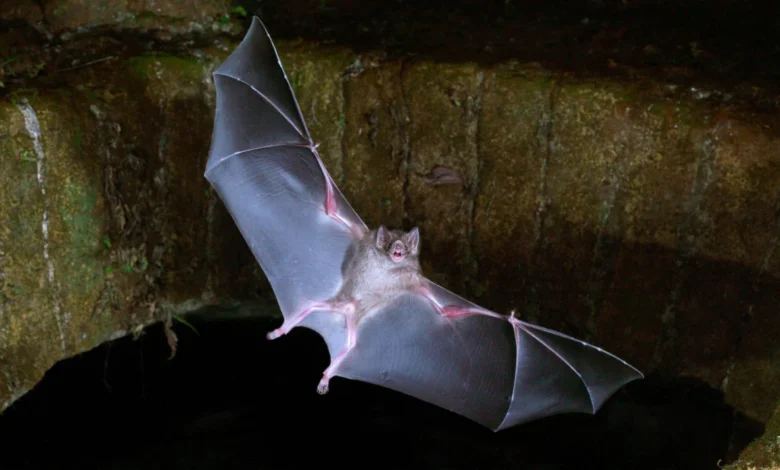
As the calendar turns to late October, the scientific community and conservationists globally shift their focus toward a group of animals that are frequently misunderstood yet vital to the health of the planet: bats. Bat Week, an annual international celebration held from October 24 to 31, serves as a platform to demystify these creatures, moving the public discourse away from folklore-driven tropes of disease and vampirism and toward an appreciation for their roles as master pollinators, essential pest controllers, and sophisticated social beings.
For decades, bats have been cast as antagonists in human culture, often unfairly linked to zoonotic diseases or perceived as pests. However, researchers like Rachel Page, an evolutionary biologist at the Smithsonian Tropical Research Institute (STRI) in Panama, argue that these associations obscure a far more compelling reality. Through rigorous field studies, researchers have discovered that bats exhibit cognitive abilities, social structures, and problem-solving skills that rival those of many primates and even humans.
A Chronology of Conservation and Public Perception
The origins of Bat Week trace back to a collaborative effort between conservation organizations, government agencies, and research institutions aimed at reversing the negative PR that has hindered bat conservation for centuries. While the specific observance of "Bat Week" was formalized more recently, it stands on a foundation of decades of research conducted in sites like Panama’s Barro Colorado Island.
In the 1970s and 1980s, the primary focus of bat research was taxonomic—simply documenting species and their physical adaptations. By the early 2000s, the shift moved toward ecological impact, particularly following the discovery of the devastating effects of White-Nose Syndrome in North America. This fungal disease has decimated millions of bats, leading to a frantic acceleration in efforts to understand the species’ survival mechanisms. Today, the event serves as a culmination of this work, highlighting not just how to save bats, but why their existence is fundamentally linked to human economic and ecological stability.
The Social Complexity of Vampire Bats
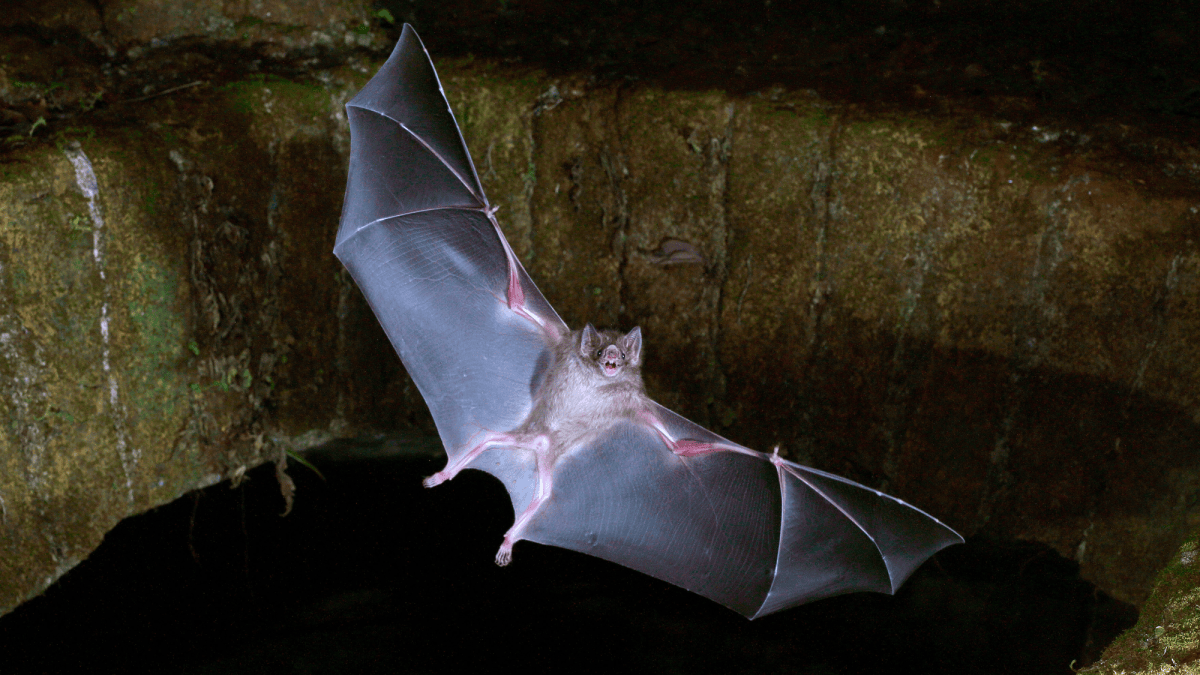
Among the most maligned species is the common vampire bat (Desmondus rotundus). Contrary to the bloodthirsty imagery found in horror literature, these animals possess a highly developed sense of social altruism. Because vampire bats rely exclusively on blood, they face a biological "ticking clock." An individual that fails to secure a meal for two consecutive nights faces death.
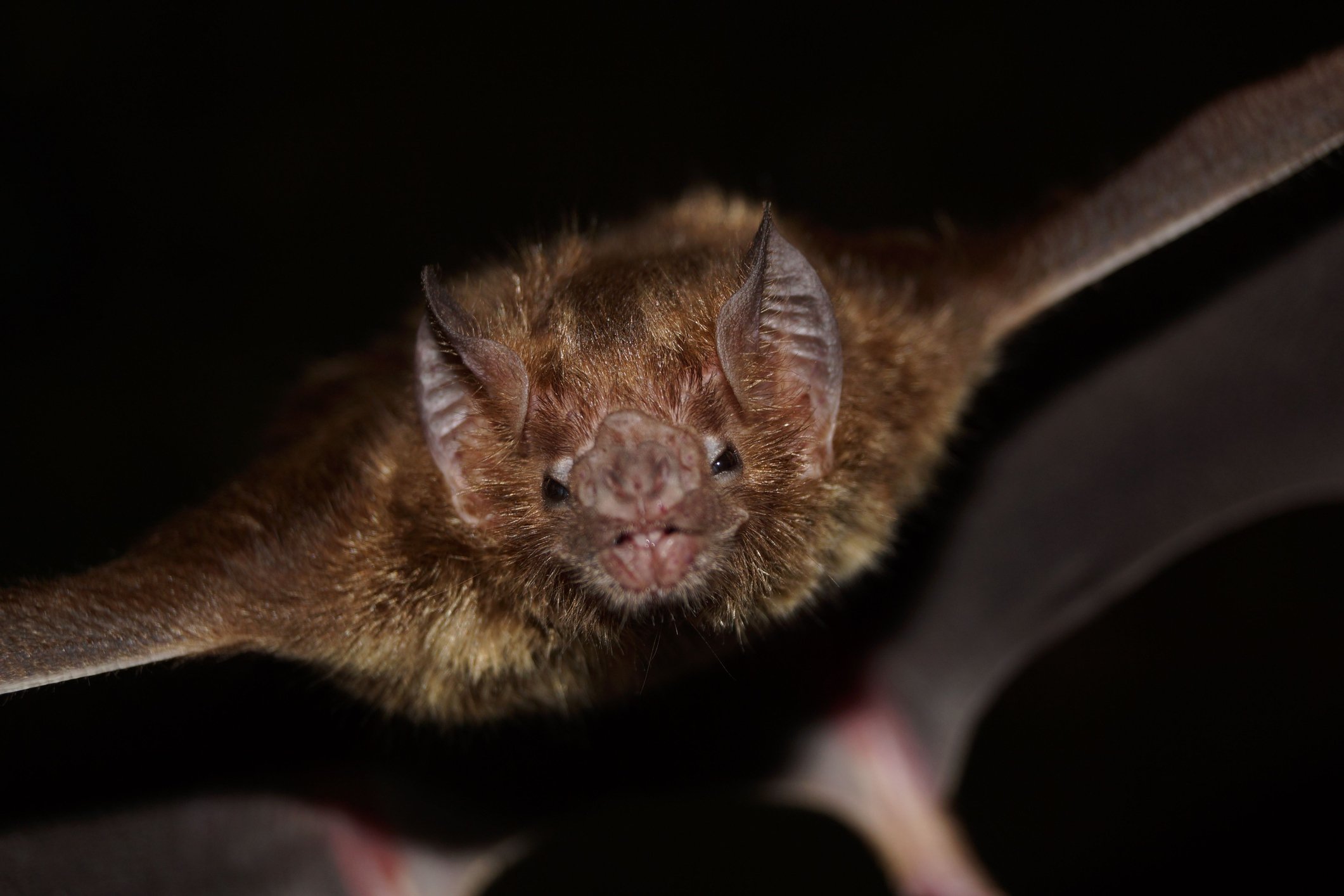
The solution to this existential threat is a sophisticated system of reciprocal altruism. Research led by institutions such as STRI has documented that these bats maintain "social networks" similar to those found in human communities. When a colony member returns to the roost empty-handed, a more successful companion will often regurgitate a portion of their meal to ensure the other’s survival. This is not an act of random charity; it is a calculated social investment. The recipient is expected to reciprocate in the future, creating a durable bond of trust. This behavior mirrors human cooperative economics, suggesting that high-level social cognition is not the sole domain of primates.
Personality and Hierarchy in the Canopy
The internal dynamics of bat colonies are defined by more than just survival; they are defined by individual temperament. Observations in the Soberanía National Park in Panama have revealed that individual bats display distinct personalities, ranging from the aggressive and territorial to the passive and gentle.
This behavioral variance is perhaps best exemplified by the interactions between the Seba’s short-tailed bat (Carollia perspicillata) and the larger, carnivorous fringed-lipped bat (Trachops cirrhosus). Despite being significantly smaller—weighing roughly the same as a strawberry compared to the apricot-sized fringed-lipped bat—the short-tailed bats have been observed successfully usurping the roosts of their larger counterparts. This "boxing" behavior, characterized by posturing and the display of teeth, indicates that for bats, physical size is not the sole arbiter of power. Assertiveness and tactical intimidation play a critical role in their social hierarchy, challenging the assumption that smaller species are naturally subordinate to larger predators.

Cognitive Mastery and Acoustic Adaptations
Beyond social interaction, bats have evolved remarkable cognitive tools to navigate their environment. One of the most persistent scientific questions was how bats, which rely on echolocation, could detect prey that was resting on a leaf. For years, it was assumed that leaves provided an "acoustic camouflage," rendering insects invisible to a bat’s sonar.
New data from research in Panama suggests that bats are far more adaptable. By adjusting the angle of their approach, they can break the camouflage of the leaf, receiving an acoustic signature that reveals the insect. This demonstrates a level of spatial reasoning and sensory manipulation that is highly advanced. Furthermore, the fringed-lipped bat has mastered the art of "eavesdropping." By listening to the mating calls of túngara frogs, they can distinguish between edible species and poisonous ones. This capability—analogous to a human recognizing the sound of a specific food item being prepared in a loud room—shows that bats learn through environmental cues and social observation, allowing them to refine their foraging strategies over time.
Medicinal Diets and Parental Care
The parallel between humans and bats extends into the realm of health and parenting. Emerging evidence suggests that fruit-eating bats may alter their diets when ill, potentially consuming specific leaves for their medicinal properties. While this area of study remains in the early stages, the implications for evolutionary biology are profound: it suggests a form of self-medication that was previously thought to be limited to higher-order mammals.
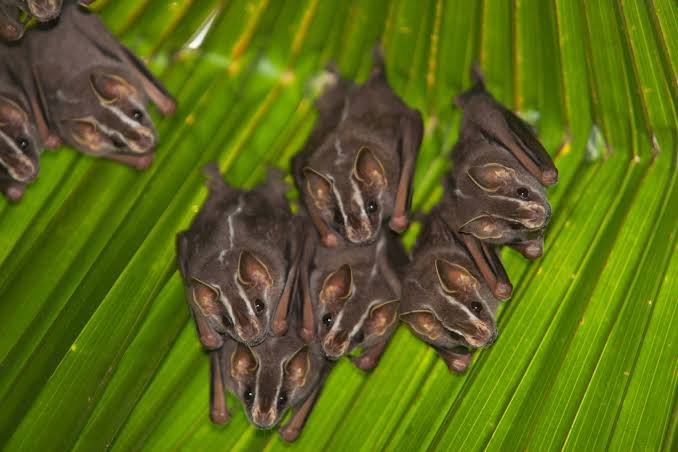
This instinct for care is also evident in their parenting. When mother bats are ill, they exhibit behavior similar to human parents—prioritizing the needs of their offspring over their own comfort or survival. They continue to nurse and protect their young, demonstrating that the survival of the next generation outweighs the individual cost of infection. This nuanced approach to parenting and disease management underscores the complexity of their social structures.
The Broader Ecological and Economic Impact
The implications of these findings go well beyond scientific interest. Bats provide essential ecosystem services, including pollination, seed dispersal, and insect suppression. In the United States alone, the agricultural value of bats as natural pest control is estimated in the billions of dollars annually. By consuming vast quantities of agricultural pests, they reduce the need for chemical pesticides, contributing to healthier food systems.
However, the threat to these animals is escalating. Deforestation, climate change, and habitat loss are forcing bats into closer proximity to human settlements, which has historically led to negative interactions. The mission of Bat Week is to replace fear with informed policy. By understanding that bats possess traits of altruism, social bonding, and problem-solving, the public is better equipped to support conservation initiatives that preserve the habitats necessary for their survival.

Future Research Directions
As we move toward the end of this decade, the integration of technology into bat research is providing even deeper insights. Using high-resolution fecal analysis and remote tracking, scientists are beginning to map the full range of these social networks across entire forests. These longitudinal studies will be critical in assessing how environmental changes affect colony stability.
The scientific community is currently pushing for increased protection for roosting sites and better management of the diseases that threaten global populations. As Rachel Page notes, the more researchers "scratch the surface," the more apparent it becomes that bats are not merely biological oddities, but highly intelligent organisms with lives as intricate as our own.
Bat Week is a reminder that our relationship with the natural world is defined by how we treat the species that inhabit the margins. By shifting our perspective, we can ensure that these vital mammals continue to thrive, not just as shadows in the night, but as essential partners in the global ecosystem. For those looking to get involved, the resources provided by the Bat Week organization offer pathways to local conservation, citizen science projects, and educational initiatives that aim to secure a future where both humans and bats can coexist. The journey to understanding these creatures is still in its early chapters, but the evidence is clear: the more we know, the more we have to protect.
Related posts: