Apple’s $634 Million Patent Verdict with Masimo Upheld by Federal Judge, New Trial Denied

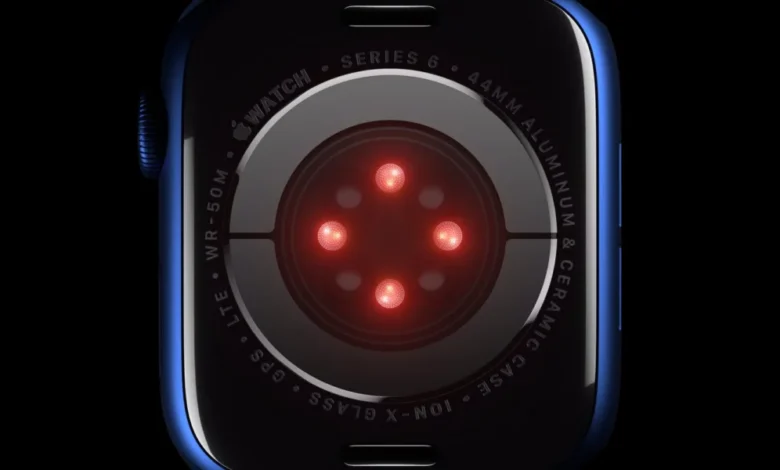
A federal judge has rejected Apple’s comprehensive attempts to overturn a $634 million patent infringement verdict and secure a new trial in its protracted legal battle with medical technology firm Masimo. U.S. District Judge James V. Selna issued a ruling that upholds the jury’s prior findings, marking a significant legal setback for the Cupertino-based technology giant and potentially solidifying a substantial financial obligation. This decision comes as a pivotal moment in a multi-faceted dispute that has seen both companies embroiled in litigation across various legal forums, impacting Apple’s flagship wearable device, the Apple Watch, and its integrated health monitoring capabilities.
The Genesis of a Legal Saga: Masimo vs. Apple
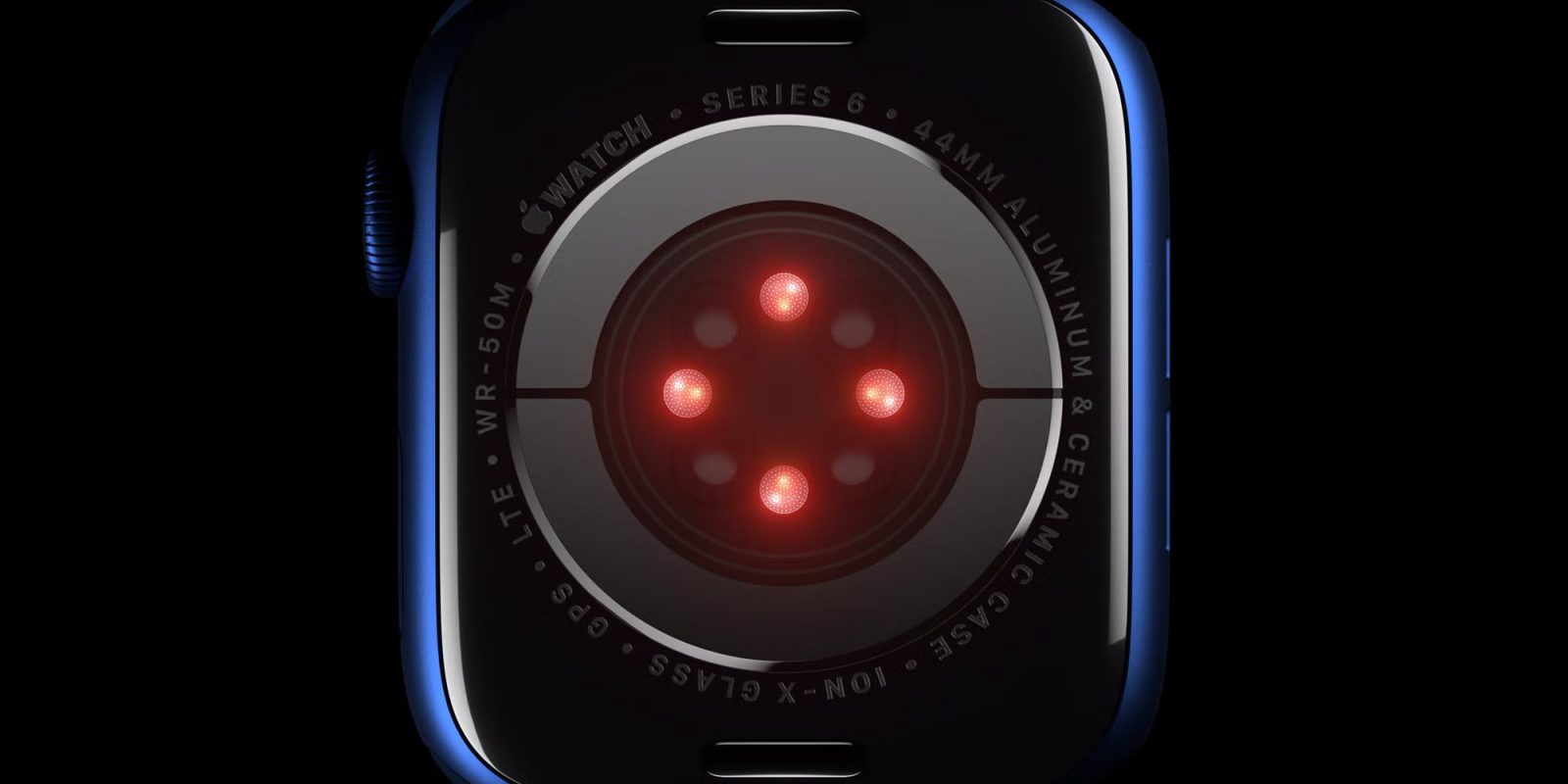
The intricate legal confrontation between Masimo and Apple originated in early 2020 when Masimo, a prominent developer of non-invasive patient monitoring technologies, filed a lawsuit against Apple. The core of Masimo’s accusations revolved around alleged theft of trade secrets and infringement of several patents. These patents primarily concerned pulse oximetry and other sophisticated optical health-monitoring technologies, which Masimo claimed were integral to the functionality of the Apple Watch. Masimo contended that Apple had deliberately poached key employees and misappropriated confidential information to accelerate the development of the Apple Watch’s health features, particularly its blood oxygen monitoring capabilities.
Masimo, founded in 1989, has a long-standing reputation as an innovator in advanced patient monitoring solutions, with its technologies widely adopted in hospitals and clinical settings globally. Its expertise in signal processing to accurately measure vital signs, even in challenging conditions, has been a cornerstone of its business. Apple, on the other hand, entered the health and wellness space with the Apple Watch, progressively enhancing its capabilities to include features like heart rate tracking, electrocardiogram (ECG), and blood oxygen saturation (SpO2) measurement, positioning the device as a personal health companion. This collision of a specialized medical device company with a consumer electronics behemoth set the stage for a high-stakes legal drama.
A Dual-Track Legal Battle: ITC and Federal Courts
The legal dispute between Apple and Masimo unfolded on two distinct but interconnected fronts: the U.S. International Trade Commission (ITC) and federal district courts. Each track addressed different aspects of Masimo’s claims and carried unique implications for Apple’s business operations.
The ITC Ruling and Its Immediate Fallout (2023-2024):
In October 2023, Masimo achieved a significant victory at the ITC. The commission issued a ruling finding that Apple had infringed Masimo’s patents related to pulse oximetry technology. This finding led to a limited exclusion order, effectively imposing a ban on the import and sale of certain Apple Watch models (specifically the Series 9 and Ultra 2, and earlier models equipped with the blood oxygen feature) in the United States. The ITC’s decision highlighted the critical nature of intellectual property rights, even for consumer devices that leverage medical technologies.

The import ban prompted Apple to temporarily halt sales of the affected Apple Watch models in the U.S. in December 2023, just ahead of the holiday shopping season, causing considerable disruption. To circumvent the ban, Apple subsequently resumed sales of these models with the blood oxygen monitoring feature disabled via a software update. This interim measure allowed Apple to continue selling its popular smartwatches while it pursued various legal avenues, including appeals and technical workarounds.
However, Masimo was not content with this workaround. The company swiftly initiated legal action against U.S. Customs and Border Protection, challenging its decision to allow imports of the watches featuring Apple’s redesigned, disabled blood oxygen functionality. Masimo argued that merely disabling the feature did not sufficiently address the underlying patent infringement, as the hardware capable of performing the infringing function still existed within the device. This move underscored Masimo’s aggressive stance in protecting its intellectual property and its determination to ensure full compliance with the ITC’s ruling.
The California Patent Lawsuit and the $634 Million Verdict (Late 2023):
Running parallel to the ITC proceedings was a separate patent infringement lawsuit filed by Masimo against Apple in a California federal district court. This case focused on different patents and sought monetary damages rather than an import ban. In November 2023, a jury delivered a critical verdict against Apple, finding that the Apple Watch’s heart-rate monitoring and notification features infringed a distinct Masimo pulse oximetry patent. The jury subsequently ordered Apple to pay $634 million in damages to Masimo. This substantial sum reflected the jury’s assessment of the economic harm Masimo suffered due to Apple’s infringement. The verdict was a stark reminder of the financial risks associated with intellectual property disputes, particularly for high-volume products like the Apple Watch.
The Judge’s Affirmation: Key Arguments Rejected
Following the jury’s verdict, Apple promptly filed motions seeking to overturn the findings, either through a judgment as a matter of law (JMOL) or by requesting a new trial. Apple’s arguments were multifaceted, challenging both the interpretation of Masimo’s patent claims and the procedural conduct of the trial.
The "Patient Monitor" Definition:
One of Apple’s primary contentions was that its product, the Apple Watch, should not be considered a "patient monitor" as required by Masimo’s patent claims. Apple argued for a narrow interpretation of the term, suggesting it should apply exclusively to traditional medical equipment used in clinical settings, such as those found in hospitals or doctor’s offices. In Apple’s view, the Apple Watch, being a consumer device primarily marketed for fitness and general wellness, did not fall under this definition.
However, Judge James V. Selna rejected Apple’s argument, siding with the jury’s broader interpretation. The judge found that the patent’s language, when considered in its everyday meaning, could reasonably encompass the Apple Watch, even if it is a consumer product. This ruling is significant because it recognizes the evolving landscape of health technology, where consumer wearables are increasingly adopting functionalities traditionally associated with medical devices. The blurring lines between consumer tech and medical equipment present new challenges for intellectual property definitions and enforcement. The court essentially affirmed that the function of monitoring a patient’s vital signs, regardless of the device’s primary market positioning, could trigger patent infringement liability if the patented technology is used.
Challenges to Trial Procedures:
Apple also sought a new trial, alleging errors in the jury instructions and the court’s decision to exclude testimony from one of its expert witnesses. Such procedural challenges are common in complex patent litigation, as litigants often argue that a different outcome might have been achieved had certain evidence been admitted or if the jury had been guided differently.
Judge Selna, however, found no errors serious enough to warrant a retrial. He concluded that the jury instructions were adequate and that the exclusion of the expert testimony was within the court’s discretion and did not prejudice Apple to an extent that would justify a complete do-over of the trial. This rejection underscores the high bar for overturning a jury’s verdict based on procedural grounds, requiring a demonstration of clear and prejudicial error.
Apple’s Stance and Future Appeals
In response to the ruling, Apple referred to an earlier statement, reiterating its position on the ongoing legal battles with Masimo. The company stated: "Masimo is a medical device company that does not sell any products to consumers. Over the past six years they have sued Apple in multiple courts and asserted over 25 patents, the majority of which have been found to be invalid, […] The single patent in this case expired in 2022, and is specific to historic patient monitoring technology from decades ago. We plan to appeal."
Apple’s statement highlights several key aspects of its defense strategy:
- Masimo’s Business Model: Emphasizing Masimo’s focus on medical devices rather than consumer products, implicitly suggesting a lack of direct market competition or standing.
- Broader Patent Challenges: Pointing out that many of Masimo’s patents asserted against Apple have been deemed invalid, attempting to frame the current verdict as an outlier rather than a systemic issue.
- Patent Expiration: Stressing that the specific patent at the heart of this $634 million verdict expired in 2022, and is related to "historic patient monitoring technology from decades ago." While patent expiration typically means the technology enters the public domain, infringement claims relate to unauthorized use during the patent’s active life. This argument may aim to diminish the perceived ongoing value of the patent.
- Intent to Appeal: Confirming that this legal battle is far from over, as Apple plans to escalate the case to a higher court, likely the U.S. Court of Appeals for the Federal Circuit, which specializes in patent law.
Masimo, while not issuing a new public statement on this specific ruling, would undoubtedly view Judge Selna’s decision as a significant victory and a validation of its claims. The upholding of such a substantial damages award reinforces the strength of its intellectual property and its commitment to protecting its innovations.
Broader Implications for Wearable Health Technology and Innovation
This judicial decision carries profound implications, not only for Apple and Masimo but for the entire wearable technology industry and the future of digital health.
Financial Impact:
The $634 million judgment is a substantial sum, even for a company of Apple’s immense financial stature. While Apple’s cash reserves are vast, this payment represents a significant hit to its bottom line and serves as a costly reminder of the importance of intellectual property compliance. It also sets a precedent for potential future damages in similar patent disputes within the tech sector. For Masimo, this amount represents a substantial windfall that could fuel further research and development, strengthen its market position, or potentially lead to strategic acquisitions.

Redefining "Medical Device" in the Digital Age:
The judge’s broad interpretation of "patient monitor" for a consumer device like the Apple Watch is a critical development. It signals a judicial recognition of the evolving nature of health technology, where consumer wearables are increasingly performing functions traditionally reserved for certified medical devices. This blurring of lines could lead to increased regulatory scrutiny for tech companies entering the health space and might compel them to more rigorously license existing medical patents or invest heavily in truly novel, non-infringing technologies. It also raises questions about liability and data accuracy when consumer devices are used for medical monitoring.
Innovation vs. Intellectual Property Protection:
The case highlights the ongoing tension between rapid technological innovation by tech giants and the imperative to protect intellectual property held by specialized companies. While Apple champions innovation, its approach has sometimes led to accusations of leveraging existing technologies without proper compensation or licensing. This verdict reinforces the idea that even large, influential companies cannot disregard patent rights in their pursuit of market dominance. It could encourage smaller innovators to pursue legal action against larger entities, knowing that their patents can be effectively defended.
Future of Apple Watch Health Features:
The legal challenges may influence Apple’s strategy for future health-related features in the Apple Watch. The company is reportedly working on advanced health sensors, including non-invasive blood glucose monitoring and blood pressure measurement. This verdict, alongside the ITC ban, could prompt Apple to adopt a more cautious approach, potentially increasing its efforts to license necessary technologies, collaborate with medical device experts, or develop proprietary solutions that are demonstrably free of infringement. It might also accelerate Apple’s push to secure FDA clearance for certain features, lending them greater medical credibility and potentially differentiating them from mere "wellness" tools.
Market Competition and Industry Standards:
The outcome of this case could impact the competitive landscape of the smartwatch market. Other manufacturers integrating advanced health features might take heed, increasing their diligence in patent clearance and licensing agreements. It could also spur the development of industry standards or best practices for incorporating medical-grade sensing into consumer electronics, fostering a more responsible and legally compliant approach to innovation in digital health.
The Long Road Ahead: Appeals Process
Apple’s declared intention to appeal means this legal saga is far from over. The case will likely move to the U.S. Court of Appeals for the Federal Circuit, which has exclusive jurisdiction over appeals in patent cases. The appellate court will review Judge Selna’s decisions on both the judgment as a matter of law and the request for a new trial, scrutinizing the legal interpretations and procedural rulings. The appeal process can be lengthy, potentially extending the dispute for several more years. Regardless of the final outcome of the appeal, the current ruling firmly places Apple in a challenging legal position, facing a significant financial penalty and continued scrutiny over its health technology patents.