Apple iPhone 18e Leaks Reveal Major Camera Redesign Alongside Upcoming Spring 2027 Lineup Changes

Apple is once again generating significant industry buzz as early supply chain leaks, computer-aided design (CAD) schematics, and insider reports illuminate the company’s hardware roadmap for early 2027. Following the March release of the iPhone 17e, industry observers and tech analysts have turned their attention toward its successor, the tentatively named iPhone 18e. According to recent disclosures from Bloomberg’s Mark Gurman, the device is slated for a market debut in the February-to-March window of 2027, aligning with Apple’s increasingly established cadence for its more affordable, value-oriented smartphone offerings.
New developments published by Engadget indicate that upcoming CAD renders—sourced from an individual with a proven track record of accurately detailing unannounced Apple products, including pre-launch colorways for the iPhone 17 and iPhone 18 Pro—point toward a substantial aesthetic and structural departure for the back of the iPhone 18e. While the broader tech ecosystem awaits official confirmation, these leaks provide a comprehensive look at how Apple intends to differentiate its entry-level and mid-tier portfolios moving forward.
A Radical Shift in Design: The New Camera Plateau
To understand the magnitude of the reported design change for the iPhone 18e, one must examine the current design language of its predecessor, the iPhone 17e. The current model features a nearly flush rear profile, eschewing a traditional prominent camera module. Its single camera lens protrudes only minimally from the rear glass chassis, while auxiliary components such as the LED flash and the noise-canceling microphone are embedded directly via subtle cutouts in the back panel.

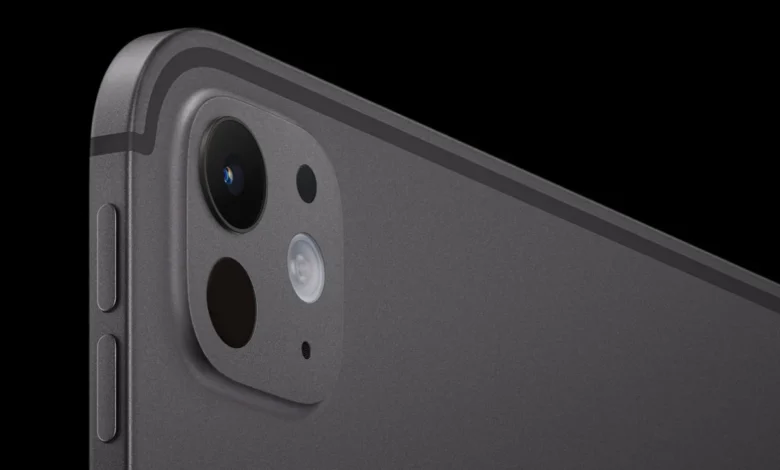
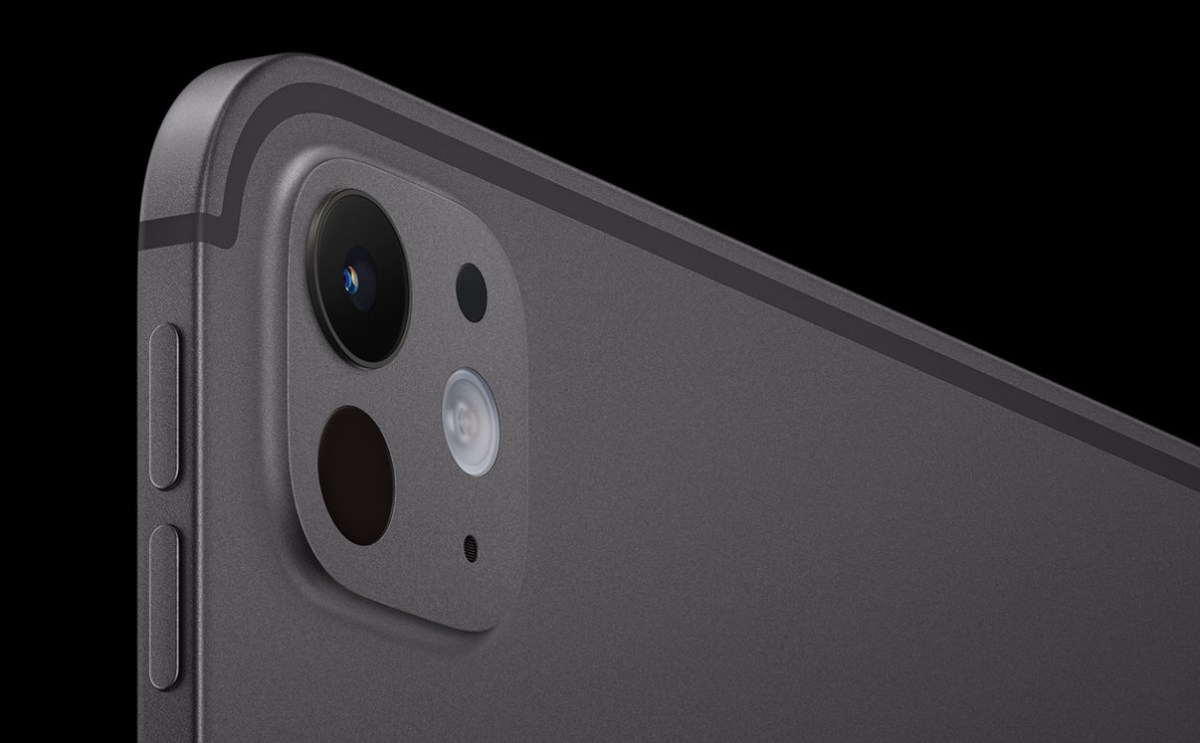
In stark contrast, the leaked CAD images for the iPhone 18e suggest the adoption of an almost square camera plateau. Measuring approximately 28 by 35 millimeters, this housing unit will consolidate the single rear camera lens, the LED flash, and the microphone into one distinct, raised geometric island. Industry analysts have noted that this styling philosophy bears a striking resemblance to the camera modules found on Apple’s recent tablet lineup, specifically the iPad Pro 11-inch (2025) and the iPad Pro 13-inch (2025).
This design choice represents an intriguing pivot for Apple’s affordable tier. Rather than maintaining visual uniformity across all baseline smartphones, Cupertino appears willing to experiment with tablet-inspired modular aesthetics on its budget-friendly handsets, potentially signaling a unified design philosophy across disparate product categories.
Contextualizing the Spring 2027 Lineup
Interestingly, the iPhone 18e is currently projected to stand alone in adopting this particular aesthetic among its contemporaries slated for a spring 2027 release. Concurrently leaked CAD documentation concerning the standard iPhone 18 indicates that it will largely retain the architectural silhouette of its direct predecessor. However, meticulous inspection of the schematics reveals a slight dimensional increase: the camera module thickness on the base iPhone 18 is expected to grow from 3.45mm to 3.8mm.
Market researchers and supply chain analysts have pointed out that Apple has utilized the same 48-megapixel main sensor architecture across its baseline smartphone models since the introduction of the iPhone 15 generation. Consequently, the incremental increase in camera module thickness on the standard iPhone 18 strongly implies an underlying hardware upgrade—potentially a physically larger sensor, improved optical stabilization hardware, or enhanced lens elements designed to capture more light and detail.
Meanwhile, documentation surrounding the anticipated iPhone Air 2 corroborates earlier dummy unit leaks that point to a notable configuration shift. The iPhone Air 2 CAD files substantiate the inclusion of a dual-lens rear camera system, with the two optical sensors arranged horizontally side-by-side. Despite the addition of a second camera lens, the device is reported to maintain its ultra-slim 5.6mm profile, though its camera module depth will similarly expand from 3.45mm to 3.8mm to accommodate the revised internal optics.
Furthermore, supply chain insights contradict earlier rumors suggesting that the iPhone Air 2 might adopt the smaller Dynamic Island cutout seen on the more expensive Pro models. Instead, both the standard iPhone 18 and the iPhone Air 2 are currently expected to retain the standard, familiar Dynamic Island footprint utilized by the current generation of devices.
Chronology of Apple’s ‘E-Series’ Strategy
The evolution of Apple’s affordable product strategy provides crucial context for the anticipated launch of the iPhone 18e. Historically, Apple addressed the sub-flagship market primarily through its iPhone SE (Special Edition) line, which recycled older chassis designs while incorporating contemporary internal silicon. However, consumer demand for larger displays, modern facial recognition technology, and updated industrial designs prompted a strategic pivot.
By introducing the "E-series" nomenclature with devices like the iPhone 17e, Apple has signaled a transition toward manufacturing dedicated, modern mid-tier devices that benefit from optimized manufacturing processes without relying on obsolete housing molds.

- Early 2025: Speculation mounts regarding Apple’s restructuring of its spring hardware events to balance out the traditional September iPhone mega-launches.
- March 2025: Introduction of foundational hardware concepts that eventually guide the development of the company’s modern mid-tier product architecture.
- March 2026: The official market rollout of the iPhone 17e establishes a new benchmark for Apple’s accessible smartphone tier, featuring a near-flush single-lens design.
- Late 2026 / Early 2027: Leak networks, including supply chain sources and CAD drawer communities, begin circulating detailed manufacturing schematics for the subsequent generation of spring devices.
- February – March 2027 (Projected): Expected official unveiling and release window for the iPhone 18e, iPhone 18, and related spring hardware updates, as forecasted by industry insiders such as Bloomberg’s Mark Gurman.
Market Implications and Industry Analysis
The iterative changes observed in these pre-release leaks highlight Apple’s ongoing balancing act between component innovation and cost containment. For the iPhone 18e, moving to a distinct camera plateau may serve two primary functions. First, it streamlines the manufacturing process by utilizing shared module manufacturing techniques already established for Apple’s tablet ecosystem. Second, it creates immediate visual differentiation for consumers, signaling that the device is a modern iteration rather than a recycled legacy design.
At the same time, the thickening camera bumps on both the standard iPhone 18 and the iPhone Air 2 underscore a persistent engineering challenge in modern smartphone design: the pursuit of thinner device profiles versus the relentless demand for superior photographic capabilities. As mobile consumers increasingly rely on their smartphones as primary imaging tools, manufacturers must continually find clever ways to pack larger sensors, periscope lenses, and advanced stabilization modules into compact enclosures.
While these CAD leaks provide a fascinating glimpse into Apple’s engineering laboratories, analysts consistently caution that pre-production schematics are subject to revision before final mass production begins. With several months remaining before Apple officially pulls back the curtain on its early 2027 hardware ecosystem, the tech community will undoubtedly monitor further supply chain disclosures for additional confirmation of these design shifts.
Related posts: