Apple Director of European Government Affairs Sébastien Gros to headline Web Summit 2026 in Lisbon

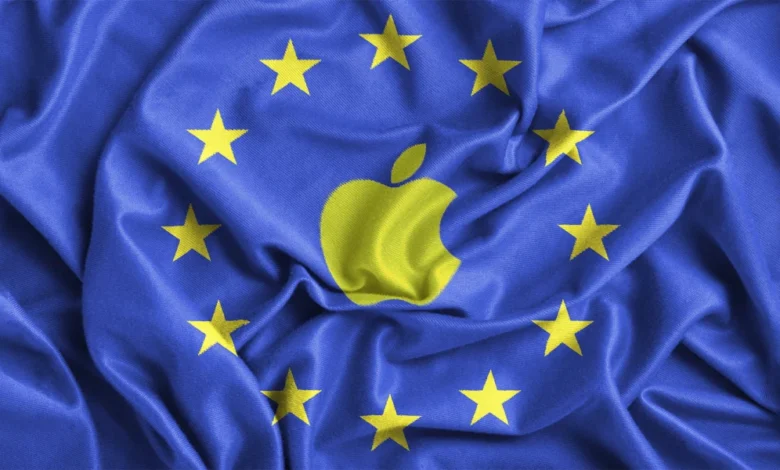
The upcoming Web Summit in Lisbon, scheduled to take place from November 9 to November 12, will feature a high-level appearance from Apple’s leadership. Sébastien Gros, the technology giant’s Director of Government Affairs for Europe, the Middle East, and Africa (EMEA), has been confirmed as a featured speaker. His participation marks a strategic return for Apple to one of the world’s most influential technology conferences, signaling the company’s ongoing commitment to engaging with European policymakers and the broader international tech ecosystem.
A Legacy of High-Profile Participation
Apple has historically leveraged the Web Summit stage as a platform for high-level advocacy and thought leadership. The company’s presence at the conference is not merely a promotional exercise but a calculated effort to influence discourse on critical issues ranging from consumer privacy to the future of digital infrastructure.
The chronology of Apple’s recent participation underscores the diverse areas of concern for the Cupertino-based firm:
- 2021: Senior Vice President of Software Engineering Craig Federighi delivered a pivotal keynote that served as a defense of Apple’s “walled garden” approach, specifically arguing against the mandates for sideloading applications on the iPhone.
- 2022: Dr. Sumbul Desai, Vice President of Health, took the stage to detail Apple’s aggressive expansion into health technology, highlighting how the Apple Watch and iPhone ecosystem are being integrated into clinical and personal wellness monitoring.
- 2024: Sarah Herrlinger, Apple’s head of accessibility, provided insights into how the company is synthesizing artificial intelligence with its inclusive design philosophy, ensuring that new tech remains usable for people with disabilities.
- 2025: Ole Obermann, a co-lead for Apple Music, addressed the shifting landscape of the music industry, focusing on monetization, streaming rights, and the intersection of music production with generative AI.
By sending Sébastien Gros in 2026, Apple is pivoting its focus toward the intersection of regulatory compliance and government relations. Gros’s portfolio is particularly sensitive given the current regulatory climate in the European Union, which has become the primary global battleground for Big Tech regulation.
The Significance of the EMEA Government Affairs Role
Sébastien Gros serves as a vital bridge between the innovation happening in Cupertino and the rigorous regulatory environment in Brussels. His role involves navigating the complex web of EU digital laws, including the Digital Markets Act (DMA) and the Digital Services Act (DSA). These frameworks have fundamentally altered how Apple operates its App Store, interoperability standards, and data processing protocols within the European Economic Area.
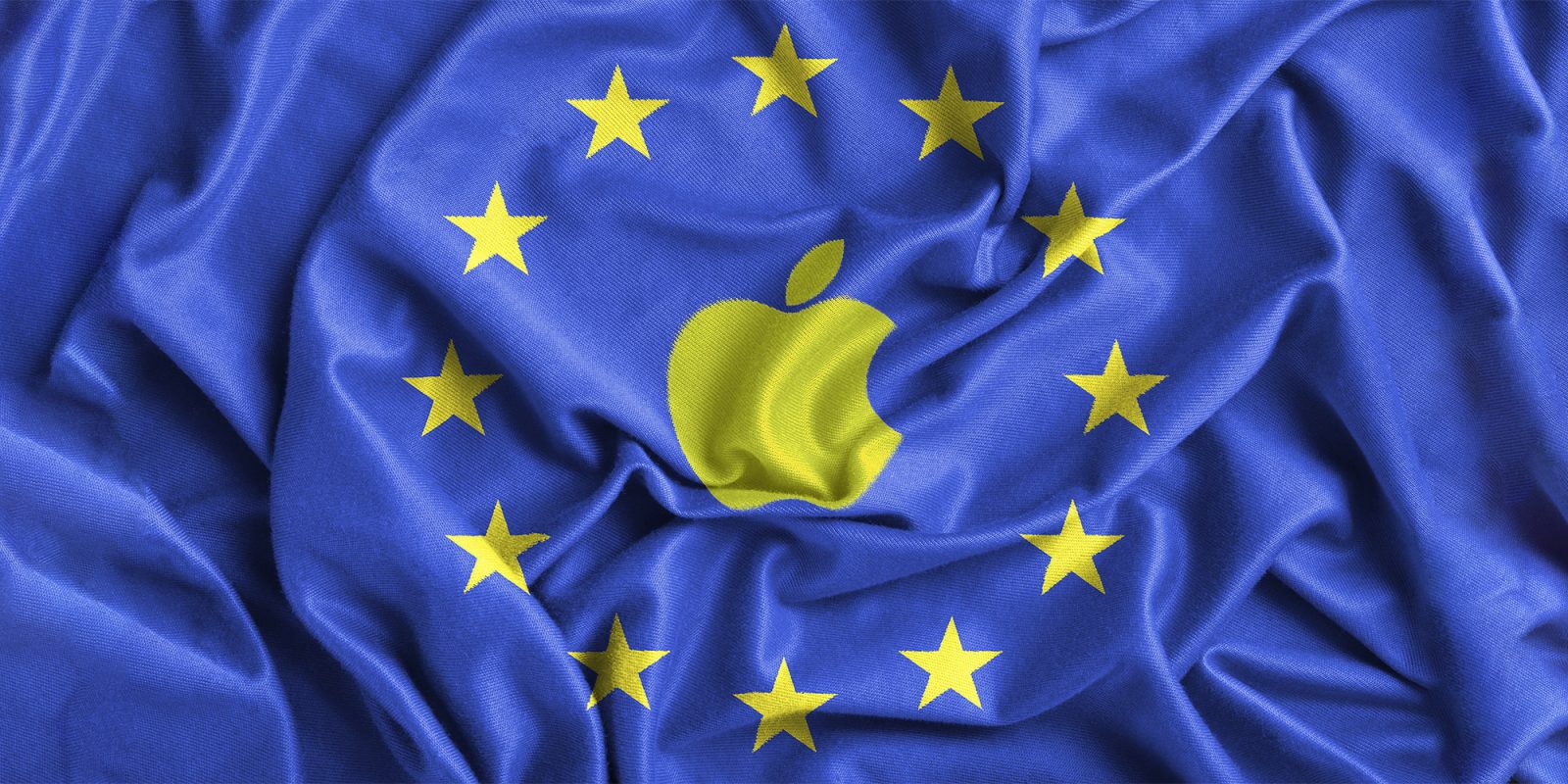
The choice of Gros as a speaker suggests that Apple intends to address the challenges of operating under these stringent guidelines. While the specific topic of his session has yet to be finalized, industry observers anticipate that he will touch upon the balance between maintaining a secure, privacy-centric user experience and the regulatory demand for open digital markets.
The Web Summit Landscape
Web Summit has evolved from a niche gathering of startups into a massive, multi-sector event. The 2026 edition is expected to host over 850 speakers, representing a convergence of government officials, academic researchers, and industry pioneers. The event has gained a reputation for being a "clash of cultures," where the rapid pace of software development meets the deliberate, often restrictive pace of international law.
Among the other notable speakers is Tony Fadell, the visionary former Apple executive credited with the inception of the iPod and the foundational architecture of the iPhone. His presence adds a layer of continuity to the event, contrasting the legacy of Apple’s past hardware triumphs with the modern regulatory complexities that Gros currently manages.
Regulatory Context and Broader Implications
The timing of this announcement coincides with a period of heightened friction between Apple and European regulators. The European Commission has been particularly active in investigating Apple’s business practices regarding third-party payment systems and access to NFC technology.
By engaging directly with the Web Summit audience—which includes policymakers, journalists, and venture capitalists—Apple is effectively attempting to shape the narrative regarding its compliance efforts. Public appearances by government affairs executives are rarely coincidental; they are strategic maneuvers designed to humanize the company’s regulatory stance and offer a glimpse into the internal logic driving its legal and operational decisions.
From an analytical perspective, Gros’s participation indicates that Apple is moving away from a purely reactive legal posture toward a more proactive, communicative strategy. Instead of letting its legal teams speak exclusively through court filings, the company is choosing to engage in the public square. This approach is essential for a company that relies heavily on consumer trust, even as it navigates significant antitrust pressure.

The Evolution of the Tech-Policy Relationship
The inclusion of humanoid robots and discussions on artificial intelligence as focal points for the 2026 summit highlights the broader themes that will frame Gros’s appearance. As the tech industry pushes toward more autonomous systems, the role of government affairs becomes increasingly critical. Issues of liability, ethical AI, and data sovereignty are no longer abstract concepts; they are imminent regulatory hurdles that will define the next decade of product development.
The fact that Apple has consistently chosen the Web Summit to discuss these topics—whether through software engineers, healthcare experts, or government relations directors—demonstrates that the company views the European market as the litmus test for its global policies. When Apple updates its privacy protocols or changes its app distribution models to satisfy EU law, those changes often serve as a template for other regions. Consequently, what Gros discusses in Lisbon this November will likely carry weight well beyond the borders of Europe.
Anticipation for the Session
As the event approaches, the tech sector awaits the official disclosure of the session title and abstract. It is expected that the discussion will move beyond the standard corporate talking points to address the practicalities of the DMA’s ongoing enforcement.
For the attendees of Web Summit, the session will be a litmus test for Apple’s ongoing relationship with the EU. If the company takes a conciliatory tone, it may signal an intent to reach further settlements with the European Commission. If the tone remains firm, it suggests that Apple is prepared for a prolonged period of litigation and administrative oversight.
The 2026 Web Summit is not merely a conference; it is a vital checkpoint in the ongoing dialogue between the world’s most valuable technology firms and the institutions tasked with governing them. With Sébastien Gros representing the interests of Apple, the discussions in Lisbon are set to influence the trajectory of digital policy for the foreseeable future. Those interested in the intersection of law, technology, and corporate strategy will find the session essential viewing, as it provides a rare, direct look into the mind of an organization that is currently defining the boundaries of modern digital governance.