A Chronology of the Disruption
The crisis began early Friday morning when air traffic controllers reported critical communication anomalies affecting their ability to coordinate flight plans and relay vital safety data. By mid-morning, the FAA confirmed that a nationwide ground stop had been ordered for all departing aircraft. While planes currently in the air were permitted to continue to their destinations, the order prevented any aircraft from pushing back from gates or taking off from runways across the country.
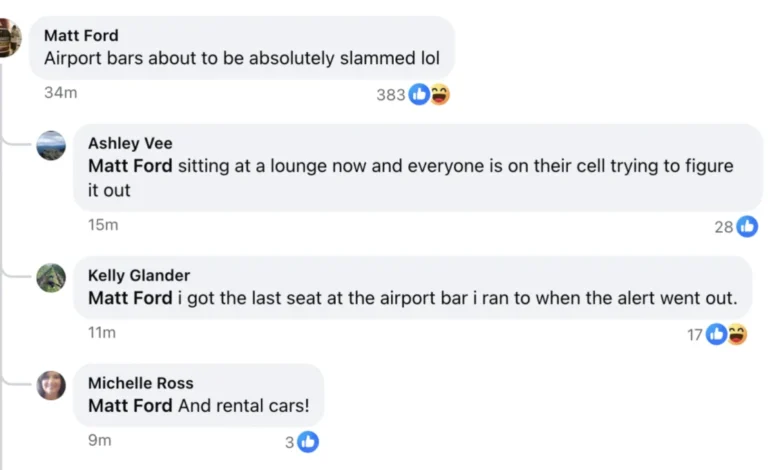
The ripple effect was instantaneous. Major hubs, including Hartsfield-Jackson Atlanta International, Chicago O’Hare, and Los Angeles International, saw thousands of passengers stranded in terminals. Airport lounges and bars quickly became overcrowded as travelers sought refuge while attempting to rebook flights via overwhelmed airline apps and websites. The agency’s initial, brief notification—citing "extraordinary circumstances"—did little to quell the mounting anxiety among the public, leading to a period of intense uncertainty that lasted several hours.

Historical Context and Precedents
To understand the magnitude of this event, one must look at the rarity of such a decision. A nationwide ground stop is a measure of last resort, typically reserved for events that threaten the integrity of the entire national airspace system. The most notable precedent occurred on September 11, 2001, when the FAA cleared the skies following the terrorist attacks on the World Trade Center and the Pentagon.
The second, more recent instance occurred in January 2023, when a failure in the Notice to Air Missions (NOTAM) system caused a nationwide paralysis of flights. By comparison, the November 2026 incident underscores a growing vulnerability in the nation’s aging aviation infrastructure. While the 2023 failure was traced to a specific database error, the 2026 disruption appears to have been more complex, highlighting the difficulties of maintaining legacy systems while transitioning to modern digital protocols.
The Role of Technology and Modernization
The timing of the incident has placed a spotlight on the FAA’s current efforts to overhaul its technological backbone. The agency is currently in the midst of a multi-year, multi-billion-dollar initiative to replace outdated equipment. A central component of this strategy is the rollout of the SMART (System for Managing Air Traffic) platform, an AI-driven tool designed to optimize flight routes, manage traffic congestion, and predict potential delays before they escalate into systemic failures.

The FAA has stated that it expects to integrate this technology across all 22 regional air traffic control centers by late 2027. Furthermore, the agency has committed to phasing out archaic technologies, such as the use of floppy disks for certain administrative and logistical tasks, by 2028. Critics and industry analysts argue that the Friday incident serves as a stark reminder of the "tech debt" that exists within the system—a combination of cutting-edge AI integration and software from the 1990s that creates a fragile, interdependent web of operations.
Social Media Reactions and Cultural Impact
As the news broke, the internet became the primary source of real-time information for many travelers. The hashtag #FAAgroundstop trended globally on X (formerly Twitter) and Facebook within minutes. The reaction was multifaceted. For many, the incident served as a focal point for mounting frustration regarding the reliability of public infrastructure. Others utilized humor as a coping mechanism, with users posting memes about the "Friday the 13th" timing and comparing the situation to recent large-scale digital outages, such as the widespread Microsoft system failure reported earlier in 2026.
Prominent public figures and creators joined the conversation, with notable voices like author Stephen King weighing in on the absurdity of the situation. This digital response, while lighthearted in places, mirrored the underlying unease of the traveling public. The ability to document the experience—sharing photos of packed terminals and long queues—transformed the event from a sterile bureaucratic announcement into a shared, collective experience of modern-day travel anxiety.

The Economic and Logistical Fallout
The economic implications of a nationwide ground stop are significant. Airlines face millions of dollars in losses due to crew displacement, fuel costs, and the administrative burden of rebooking hundreds of thousands of passengers. Beyond the balance sheets of major carriers, the disruption hit the broader economy, affecting business meetings, cargo shipments, and the hospitality sector.
Airport operations were further complicated by the fact that the disruption occurred on a Friday, one of the busiest travel days of the week. Even after the FAA lifted the ground stop later that evening, the "knock-on" effect meant that delays and cancellations continued into the weekend. Logistics experts point out that when the entire system is paused, the "reset" is not instantaneous; it requires a carefully orchestrated ballet of sequencing flights to ensure that the airspace does not become overwhelmed once the green light is given.
Official Response and Future Safeguards
In the immediate aftermath, the FAA provided limited technical details, focusing instead on the resumption of services. Transportation officials and congressional leaders have already called for a comprehensive review of the incident. There is growing pressure from oversight committees to provide a transparent account of what caused the communications breakdown and to explain how the newly implemented SMART system performed during the crisis.

The incident has reignited the debate over whether the current pace of modernization is sufficient to meet the demands of modern air travel. Aviation safety experts emphasize that while the system is redundant by design, the centralization of certain data streams creates single points of failure. The goal moving forward, according to industry observers, is to ensure that the transition to more advanced, AI-managed infrastructure does not inadvertently introduce new, unforeseen risks.
Looking Ahead
As the aviation sector returns to normalcy, the events of November 13 will likely be the subject of rigorous analysis for months to come. The incident serves as a case study for the challenges facing the Department of Transportation in the digital age. Travelers, for their part, remain wary. The incident highlighted the reality that, despite the sophistication of modern aviation, the entire system is only as strong as its most fundamental communication links.
The FAA has maintained that the safety of the flying public remains its primary mandate. However, the expectation for a detailed post-mortem report from the agency is high. Lawmakers are expected to hold hearings to determine if further funding or legislative action is required to ensure that the national airspace remains resilient against similar technical failures. For now, the focus shifts back to the travelers who, having navigated the chaos of Friday, are now dealing with the lingering consequences of the disruption. As the aviation industry continues to modernize, the lessons learned from this week’s ground stop will likely shape the safety protocols and technological investments of the next decade, serving as a cautionary tale of the complexities involved in keeping the world connected.