Googlebook pre-orders begin: this is everything from Android sync to AI and price

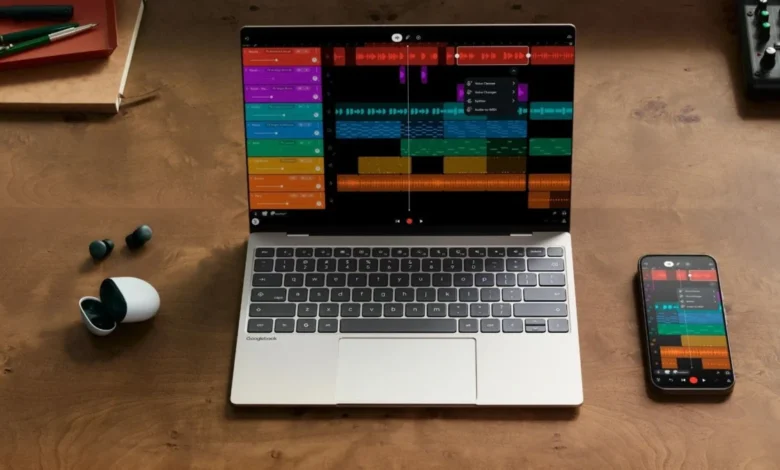
The personal computing landscape is undergoing a significant structural shift as Google officially launches the pre-order phase for its highly anticipated line of "Googlebooks." Starting September 21, consumers can secure the inaugural hardware generation of these advanced portable computers, marking a departure from traditional Chromebook branding and architecture. Built in collaboration with major hardware manufacturers—including Acer, ASUS, Dell, HP, and Lenovo—these devices introduce a unified operating philosophy that bridges the mobile Android ecosystem with high-performance desktop computing, anchored by Qualcomm’s cutting-edge Snapdragon X Elite processors and deeply embedded artificial intelligence.
Priced starting at $899, the initial hardware lineup represents a concerted effort by Google to capture the premium laptop market. Rather than relying solely on reference designs, Google has partnered with leading PC makers to deliver differentiated industrial craftsmanship. The resulting machines utilize high-grade, premium materials such as aerospace-grade aluminum, magnesium alloy, and carbon fiber. These choices yield chassis that are exceptionally thin, lightweight, and durable, designed to compete directly with established flagship ultraportables in the enterprise and consumer sectors alike.
Hardware Specifications and Engineering Highlights
Beneath the sleek exteriors, the first-wave Googlebooks are engineered to deliver robust performance and exceptional endurance. The foundational processing architecture relies on Qualcomm’s Snapdragon X Elite platform, featuring a 12-core Oryon CPU capable of clock speeds up to 4GHz. This silicon choice provides the computational muscle required for heavy multi-tasking, local artificial intelligence operations, and demanding productivity applications.
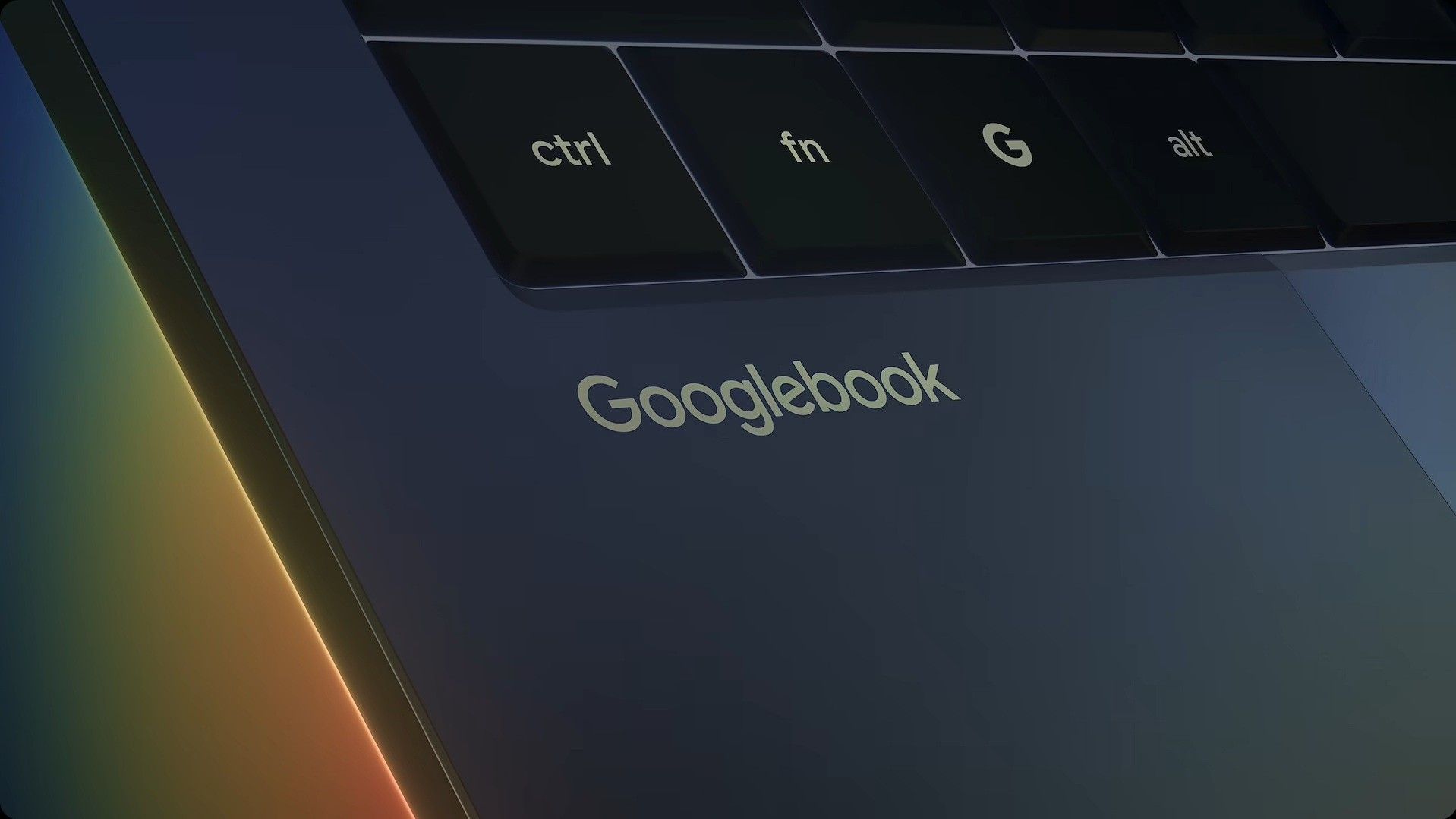
Display and interface technologies have also received a notable upgrade across the board. The laptops feature touch-enabled panels offering resolutions up to 2.8K utilizing vibrant OLED technology, ensuring sharp text rendering and high-contrast cinematic visuals. Input methods have been refined to include responsive haptic glass trackpads, backlit keyboards tailored by each partner brand, and distinct acoustic systems tuned for immersive audio playback.
A standout physical feature returning to the forefront is the integrated "Glowbar." This illuminated LED strip activates upon system startup, providing real-time visual indicators for battery status and dynamic animations during active voice interactions with Google’s Gemini assistant. Despite the high-performance hardware and bright OLED screens, power management optimizations facilitated by the Snapdragon architecture enable up to 14 hours of continuous battery life on a single charge.
The Android-PC Convergence and Deep Ecosystem Synergy
Google’s strategic ambition for the Googlebook goes beyond traditional web-based computing by bringing the full breadth of the Android software ecosystem natively to the laptop form factor. The company has engineered a seamless continuity layer that allows user settings, Wi-Fi networks, saved credentials, and messaging threads to transfer instantly upon initial sign-in.
This deep ecosystem integration manifests in several key productivity features. Users can pick up active mobile projects, web searches, or ticket-booking sequences right where they left off on their smartphones. Furthermore, native "app casting" enables individuals to project and interact with their mobile applications directly on the larger laptop screen. The built-in Files app on the Googlebook grants direct access to search, view, and open documents and photographs stored on a linked Android device, effectively dissolving the traditional barrier between mobile and desktop storage silos.
Beyond standard web applications, the inclusion of the Google Play Store opens access to professional software suites such as Adobe Photoshop and Lightroom, alongside an extensive library of streaming and entertainment services. For gaming enthusiasts, every Googlebook purchase includes a complimentary one-year subscription to GeForce NOW, granting immediate access to high-end, AAA gaming titles streamed directly to the device without requiring localized discrete graphics hardware.
Gemini AI Integration and Advanced Productivity Tools
Artificial intelligence serves as the cognitive core of the Googlebook experience, driven by Google’s Gemini assistant. Expanding upon concepts initially previewed at developer conferences, the devices introduce "Magic Pointer," an innovative contextual interface. By making a subtle physical gesture with the trackpad cursor over any on-screen element, users summon Gemini directly into their immediate workflow to execute tasks, summarize data, or provide contextual assistance.
Additional AI-driven enhancements imported from the latest mobile software suites include advanced voice transcription utilities capable of filtering out verbal filler words in real time, as well as dynamic widget-generation tools. "Create My Widget" allows users to construct custom desktop modules tailored to display specific, real-time data feeds based on personal preferences and workflow habits.
Chronology, Pricing, and Global Availability
The rollout of the Googlebook ecosystem follows a structured timeline designed to manage global distribution across key consumer markets:
- September 21: Official global announcement and the immediate opening of pre-orders through the Google Store, Best Buy, and major retail partners.
- October 4: Official retail store availability and shipping commencement in the United States.
- October 5: International retail launch extending to Canada, the United Kingdom, Ireland, France, Germany, and Australia.
To incentivize early adoption, hardware bundles include promotional access tiers for advanced Google AI services and extended YouTube Premium memberships.
Industry Implications and Market Outlook
The introduction of the Googlebook signals a mature evolution in Google’s hardware strategy. By uniting third-party PC manufacturers under a cohesive hardware and software standard, Google is positioning its ecosystem as a formidable alternative to both Microsoft’s Windows-on-ARM initiatives and Apple’s macOS lineup.
The combination of the high-efficiency Snapdragon X Elite architecture, competitive premium pricing starting at $899, and native Android-PC interoperability addresses longstanding consumer desires for cross-device fluidity. As enterprise and consumer markets increasingly demand AI-native workflows, deep cloud synchronization, and extended battery endurance, the Googlebook line establishes a new benchmark for what modern productivity laptops can achieve. Analysts will be closely monitoring initial sales figures following the October retail rollout to determine how effectively traditional PC buyers embrace this unified Android-desktop paradigm.