Ancient Societies in Peru Remained Resilient and Peaceful Despite Catastrophic Climate-Driven Flooding

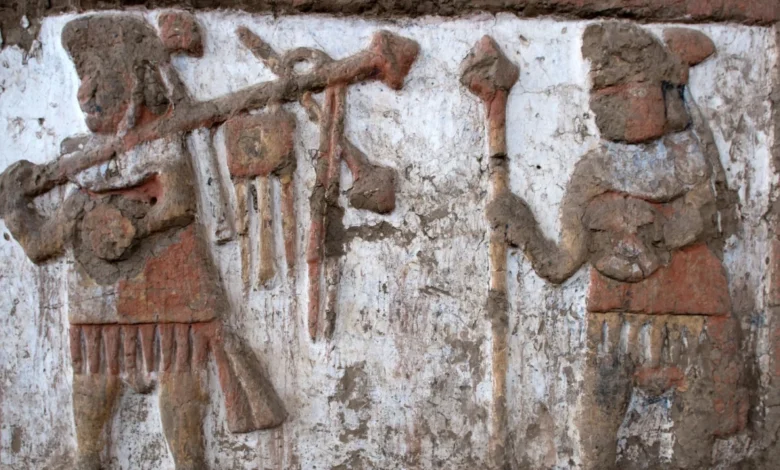
The narrative of human history is frequently punctuated by tales of collapse—civilizations brought to their knees by the unforgiving whims of nature. For decades, archaeologists and historians have pointed to the Moche and Sicán cultures of northern Peru’s Lambayeque Valley as potential cautionary tales, suggesting that environmental instability, specifically catastrophic El Niño flooding, triggered a descent into widespread social violence and ritualized human sacrifice. However, a groundbreaking study published in the journal Frontiers in Environmental Archaeology is challenging this grim orthodoxy. By analyzing the skeletal remains of over 1,600 individuals spanning 3,000 years, researchers have concluded that these ancient societies were remarkably peaceful, and that violence was not a default response to environmental trauma.
The Lambayeque Valley: A Crucible of Civilization
Situated within the arid coastal desert of northern Peru, the Lambayeque Valley has served as a center for human habitation for approximately 6,000 years. Despite its inhospitable climate, which receives negligible annual rainfall, the region’s complex network of river systems and proximity to the Pacific Ocean allowed for the rise of sophisticated, highly organized societies.
The Moche culture, which dominated the region from roughly 100 CE to 750 CE, was renowned for its intricate ceramics, monumental architecture, and advanced irrigation systems. Following their decline, the Sicán (or Lambayeque) culture emerged, flourishing from approximately 750 CE to 1375 CE. These groups were masters of their environment, constructing massive adobe structures—such as the famous Huaca de la Luna—and engineering agriculture that could support large, dense populations in a desert landscape.
However, the region is also prone to the cyclical, devastating effects of the El Niño-Southern Oscillation (ENSO). These events, characterized by intense, prolonged rainfall and subsequent flooding, can cause massive erosion, destroy irrigation infrastructure, and collapse the agricultural base upon which these civilizations depended.
Reevaluating the Link Between Sacrifice and Climate
For years, the prevailing hypothesis held that the ruling classes of the Moche and Sicán cultures turned to mass human sacrifice as a desperate, state-sponsored attempt to appease the gods and restore environmental equilibrium during periods of extreme El Niño activity. Researchers had previously inferred that if such extreme ritualized violence occurred, it must have been a symptom of a broader breakdown in social order, potentially leading to increased interpersonal violence, raiding, and civil unrest.
The research team, led by archaeologists Thomas Snyder of New York University and Haagen Klaus of George Mason University, sought to test this hypothesis by examining the actual evidence of physical trauma within the population. By leveraging the Lambayeque Valley Biohistory Project’s extensive skeletal archive, which encompasses data from 30 distinct archaeological sites, the team performed a comprehensive forensic analysis.
Analytical Findings: A Low Frequency of Violence
The study’s methodology involved estimating the time of death for over 1,600 individuals and carefully examining their remains for markers of both intentional cranial trauma and accidental injury. The results were starkly at odds with the "collapse and chaos" theory.
Of the total sample size, only 25 individuals—a mere 1.6 percent—showed evidence of intentional, interpersonal violence. Furthermore, only 77 individuals displayed signs of accidental trauma. Perhaps most significantly, the researchers found no correlation between these incidents of violence and the established chronological records of major ecological crises. Even during periods of severe flooding and agricultural failure, there was no statistical uptick in violence.
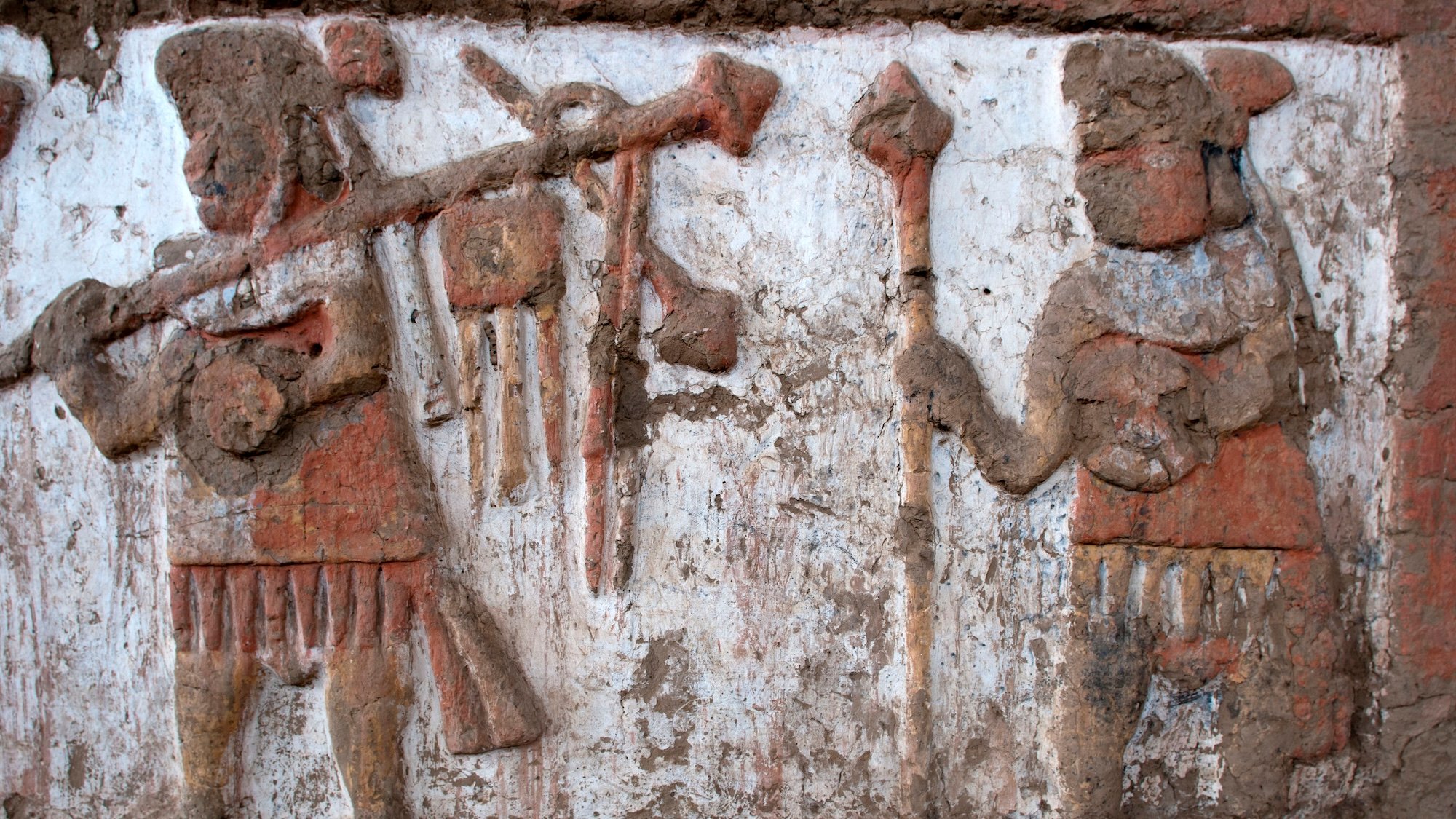
"The main thing that jumped out at us was just how few cases of interpersonal violence we observed outside of ritualized contexts," stated Thomas Snyder. The findings suggest that the occasional human sacrifices documented at these sites were highly controlled, symbolic religious acts rather than symptoms of a society dissolving into anarchy.
A Chronology of Adaptation
The Lambayeque Valley provides a long-term laboratory for studying how human populations adapt to climate instability. The 3,000-year span covered by the study captures multiple generations of people who refined their agricultural techniques, managed water resources with increasing complexity, and developed religious and social structures that prioritized stability over conflict.
- Early Period (approx. 100 CE – 750 CE): The rise of the Moche. Evidence suggests a high degree of social organization and investment in infrastructure, with minimal evidence of interpersonal violence despite known ENSO events.
- Middle Period (approx. 750 CE – 1100 CE): The transition into the Sicán era. Despite potential political shifts, the population continued to maintain stable, non-violent daily interactions.
- Late Period (approx. 1100 CE – 1375 CE): Continued habitation under changing climatic conditions. The consistency in the lack of skeletal trauma suggests that the social contract remained largely intact throughout the duration of the Sicán culture.
Implications for Contemporary Climate Discussions
The findings carry significant weight for modern discourse surrounding climate change. In contemporary policy circles, there is often a fear that climate-driven resource scarcity will inevitably lead to conflict, war, and societal collapse. This study serves as a rigorous historical rebuttal to the notion that human beings are "hardwired" for violence when facing environmental pressure.
"In Lambayeque, there’s 6,000 years of creative adaptations to El Niño and longer-term changes in climate, and widespread violence wasn’t one of them," noted Haagen Klaus. The researchers emphasize that these ancient societies were "mirrors of us" in how they managed their economies and confronted environmental crises. Their success was not found in conflict, but in the implementation of long-term survival strategies and community cooperation.
The study underscores a fundamental lesson: while climate change poses an existential threat to infrastructure and food security, it does not mandate a breakdown in social morality or peaceful coexistence. As Snyder pointed out, "This really highlights that widespread violence isn’t a predetermined response to climate change. As a society, we both get to and have to choose how we respond to our own climate crisis."
Scholarly Reactions and Future Research
The academic community has received the study as a significant correction to previous, more sensationalist archeological interpretations. By shifting the focus from speculative narratives of "doomed societies" to hard skeletal data, the authors have set a new standard for how we analyze the history of human behavior under duress.
However, the authors remain humble regarding the limitations of the current dataset. Because they could not radiocarbon date every individual in the sample, the findings remain broad chronological estimates. Future research, the team suggests, should focus on higher-resolution dating of individual trauma cases to determine if there were isolated, micro-scale shifts in social stability that remain hidden within the broader 3,000-year timeline.
Ultimately, the Lambayeque Valley Biohistory Project provides a compelling historical counter-narrative. It suggests that the resilience of human civilization is rooted in its capacity for ingenuity, social cohesion, and the ability to choose cooperation over conflict, even when the natural world is at its most volatile. As the 21st century faces its own climate-related challenges, the history of the Moche and the Sicán serves as a reminder that "violence and social unraveling are not destined outcomes, ever."