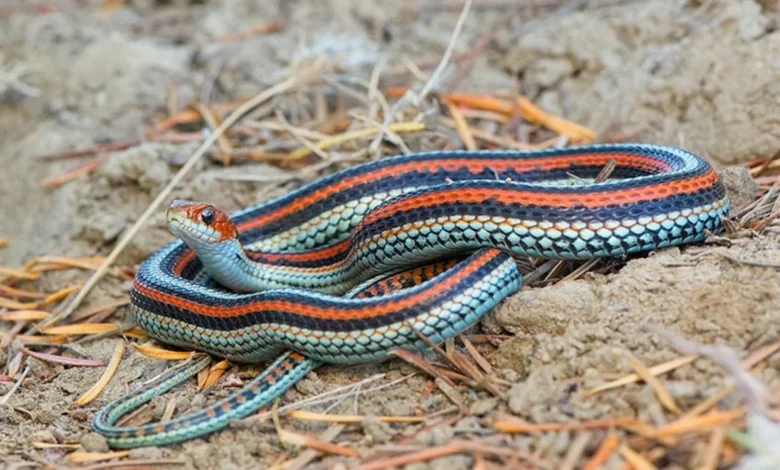
The San Francisco garter snake, scientifically classified as Thamnophis sirtalis tetrataenia, represents one of the most visually striking yet critically imperiled reptiles in North America. Known for its vivid stripes of turquoise, red, and black, this serpent has long been a focal point of intense conservation efforts. For decades, the species has teetered on the brink of extinction, confined to a fragmented range within California’s San Mateo and Santa Cruz counties. Recently, however, a milestone in wildlife management was achieved: 62 captive-bred garter snakes were released into the wild, marking a significant advancement in the recovery of this endangered population.
A Legacy of Peril: The History of the Species
The decline of the San Francisco garter snake is a multi-generational crisis. In 1967, when the United States Fish and Wildlife Service (USFWS) established its inaugural list of endangered species, the San Francisco garter snake was among the first animals to be included. The designation was a desperate response to habitat destruction, which had already decimated the creature’s native wetlands and grasslands.
Over the ensuing 60 years, the challenges facing the species intensified. Climate change induced prolonged droughts, altering the hydrology of the coastal marshes the snakes rely on for survival. Simultaneously, the introduction of invasive species—specifically the American bullfrog—created a predatory imbalance that the native snakes were ill-equipped to handle. Furthermore, the illegal pet trade and poaching, combined with the natural threats of disease and limited genetic diversity, pushed the population to a precarious low, with estimates suggesting that only a few thousand individuals remain in the wild today.
The Head-Starting Initiative: A Strategic Intervention
The recent release of 62 juvenile snakes is the result of a specialized conservation strategy known as "head-starting." This methodology involves collecting eggs or young individuals from the wild and rearing them in a controlled, protected environment until they reach a size and age where their chances of survival in the natural ecosystem are significantly higher.
The current program began in 2025, when wildlife biologists from the Midpeninsula Regional Open Space District (Midpen) identified healthy pregnant females within a protected preserve. These snakes were monitored until they gave birth. While the adult females were promptly returned to their original habitats to maintain the integrity of the wild population, their offspring were transported to the San Francisco Zoo.
During their time at the zoo, the juvenile snakes underwent rigorous health assessments and genetic testing. This data was crucial for researchers, who aimed to optimize the genetic fitness of the released population. By carefully selecting release sites—placing one-third of the cohort in the mothers’ home territories and the remaining two-thirds in areas identified as having a deficit in genetic diversity—biologists are attempting to counteract the deleterious effects of inbreeding and habitat fragmentation.
A Chronology of Conservation Efforts
The journey to this year’s release was not sudden; it was the culmination of decades of incremental progress:
- 1967: The San Francisco garter snake is officially listed as an endangered species by the USFWS.
- 1980s–2000s: Various local and state agencies begin habitat restoration projects, focusing on removing invasive vegetation and managing water levels in San Mateo and Santa Cruz.
- 2024: Planning for a systematic head-starting program is finalized, integrating zoo expertise with field-based ecological data.
- 2025: The first cohort of pregnant females is brought into the program; the first generation of head-started snakes is born under human care.
- 2026 (Fall): The first group of 62 snakes is successfully released into pre-vetted sites in San Mateo County, marking the first time such an effort has been undertaken at this scale.
- 2027 (Future Outlook): Plans are in place for the release of over 130 additional snakes currently being reared at the San Francisco Zoo.
Understanding the Biology of the Endangered Serpent
The San Francisco garter snake is an apex predator within its micro-ecosystem, despite its relatively small stature. These snakes can grow between 18 and 55 inches in length. A defining physical characteristic is their oversized eyes, which provide superior vision, allowing them to remain active and hunt during daylight hours, unlike many other nocturnal or crepuscular serpent species.
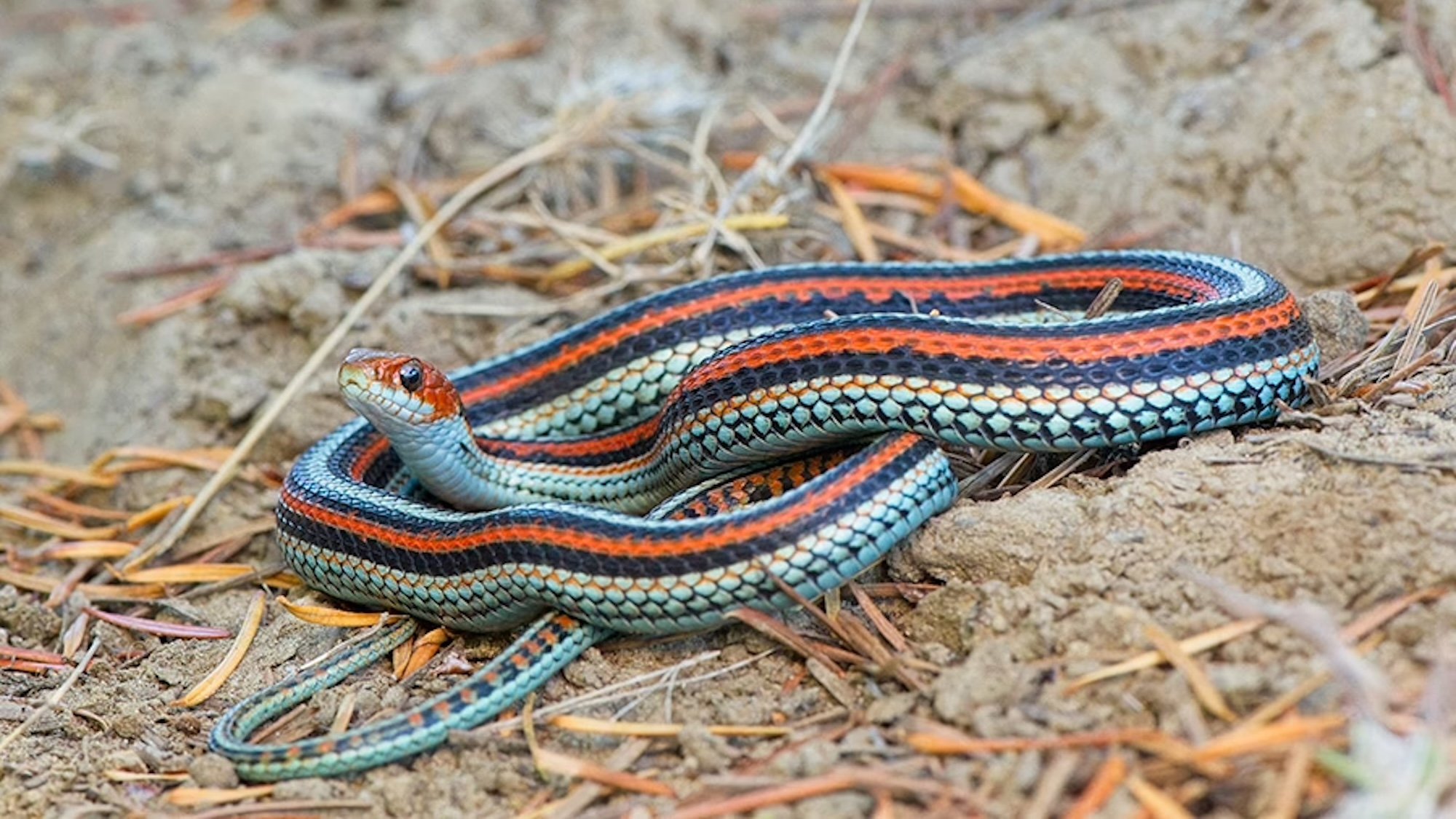
While they are often perceived as dangerous due to their bright coloration—a form of aposematism, or warning coloration—the snakes are fundamentally harmless to humans. They possess no fangs and rely on a mildly toxic saliva that is potent enough to subdue small rodents and amphibians but presents no medical risk to people. Their ecological role is vital, as they help regulate the populations of small vertebrate prey within their marshy, riparian habitats.
Official Statements and Professional Perspectives
The success of the release has been met with guarded optimism by the scientific community. Karine Tokatlian, a biologist with Midpen, noted the complexity of the project. "Seeing these young snakes returning to the wild represents years of research, collaboration, habitat restoration, and careful conservation work," Tokatlian stated. She emphasized that the goal is not merely to increase numbers, but to build a "resilient population" capable of long-term self-sustainment without human intervention.
Ariel Starr, a wildlife ecologist with Midpen, highlighted the broader implications of the program. "This species is special in many ways, but unfortunately its critical status is not unique," Starr remarked. "The success of this project and the associated research will not only benefit the San Francisco garter snake but will also hopefully inform the recovery of many imperiled reptile species."
Broader Implications for Biodiversity
The "head-starting" model serves as a template for other conservation initiatives. The integration of genetic screening with captive rearing addresses a common failure point in reintroduction programs: the release of genetically homogenous individuals who lack the adaptive capacity to survive changing environments. By prioritizing genetic diversity, the San Francisco Zoo and Midpen are attempting to create a "bank" of resilient snakes.
Furthermore, the initiative highlights the necessity of "multi-stakeholder cooperation." The project requires the alignment of the USFWS, municipal land management agencies, and zoological institutions. This framework is increasingly necessary in the Anthropocene, where species survival is inextricably linked to human-managed landscapes.
Future Challenges and Sustainability
While the release of 62 snakes is a significant victory, the recovery path remains long. The primary threat—habitat loss—continues to loom over the region due to urban expansion and agricultural pressure in the California coastal range. Biologists are now shifting their focus toward monitoring the survival rates of the newly released snakes.
The upcoming 2027 release will be the next major indicator of the program’s success. As the climate continues to shift and invasive species remain persistent, the survival of the San Francisco garter snake will depend on a combination of continued captive breeding and, more importantly, the protection and restoration of the remaining wild corridors.
The success of this project serves as a reminder that even for species that have been endangered for over half a century, proactive and data-driven interventions can still change the trajectory. As the 130 hatchlings currently at the zoo grow, the scientific community watches with anticipation, hopeful that this colorful, elusive serpent will reclaim its place in the California landscape. The endeavor stands as a testament to the fact that while extinction may be a permanent state, the efforts to prevent it are dynamic, evolving, and essential to maintaining the world’s remaining biodiversity.