Last Ditch Bar and Arts Venue in Western Massachusetts announces closure following viral controversy over COVID-19 safety policies

The landscape for LGBTQ+ nightlife in the United States has long been defined by scarcity and the persistent struggle for physical space. This week, that landscape shifted once more as Last Ditch, a niche, COVID-conscious lesbian bar in Western Massachusetts, announced an immediate "soft" closure. The announcement follows weeks of intense public scrutiny, internal leadership instability, and a viral internet firestorm sparked by the venue’s attempt to navigate the complexities of public health mandates in a post-pandemic climate.
The closure of Last Ditch is not merely the shuttering of a local watering hole; it represents a flashpoint in the ongoing national conversation regarding the tension between inclusive accessibility and operational sustainability. While the owners have indicated that the business may be salvaged by new ownership or a transition to a worker-owned cooperative, the immediate cessation of operations marks a significant, if turbulent, chapter in the history of contemporary lesbian bars.
A Chronology of Contention
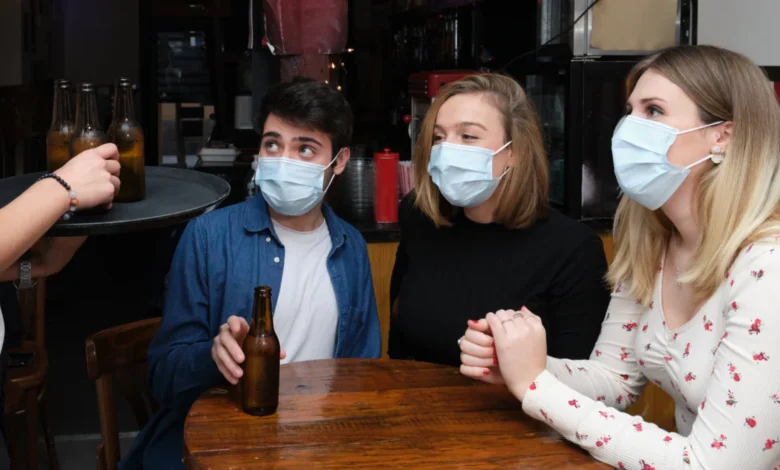
The downfall of Last Ditch can be traced back to the intersection of rigorous safety standards and the practical realities of managing a small, independent venue. For months, the bar maintained a reputation as a sanctuary for those who prioritize stringent COVID-19 mitigation, requiring KN-95 masks for entry—a rarity in the current hospitality industry.
The controversy erupted in earnest following an investigative report published by the Boston Globe. The article detailed internal and external friction regarding the venue’s decision to relax its mask mandate, a move that prompted immediate and harsh backlash from its core demographic. The subsequent online discourse was characterized by vitriol, with critics leveling accusations of ableism against the management team.
The situation rapidly deteriorated throughout the following weeks. According to reports, the venue’s leadership found themselves at the center of a feedback loop involving public apologies, retractions, and contentious community meetings. The intensity of the reaction, which in some instances reportedly included threats of violence, placed an unsustainable burden on the venue’s staff. By early this week, the management team, already struggling to fill leadership roles, signaled that the cumulative pressure of the controversy and the operational strain had rendered the status quo untenable.
The Anatomy of a Viral Backlash
What propelled Last Ditch into the national spotlight was not just the substance of the mask debate, but the peculiar, often surreal details that emerged in media coverage. The Boston Globe report, while grounded in factual reporting, provided an intimate look at the internal culture of the bar, which many internet commentators found ripe for satire.
Details regarding the owners’ backgrounds—including a revelation that one owner had attended clown school—became focal points for a broader, sometimes mocking, online commentary. This irony was not lost on observers; a space built on the serious, often life-saving principles of communal care became a target for the performative cruelty of social media. The "outsized reaction," as described by industry analysts, serves as a case study in how niche community spaces are increasingly vulnerable to the "mainstreaming" of their internal conflicts via viral social media amplification.
The Context of the Lesbian Bar Crisis
To understand the weight of the closure, one must look at the broader context of LGBTQ+ spaces in the United States. According to the Lesbian Bar Project, a non-profit initiative dedicated to the preservation of these venues, there are currently fewer than 30 dedicated lesbian bars left in the entire country. This is a staggering decline from the hundreds that existed during the mid-20th century.
The economic challenges facing these spaces are profound. High commercial rents, shifting social patterns, and the rise of digital "third places" have made the brick-and-mortar lesbian bar a fragile institution. Last Ditch operated with a specific mandate: to provide a safe, inclusive home base for organizing and community building. By centering their business model on health-conscious policies, they sought to cater to a demographic—often composed of immunocompromised individuals or those with chronic health concerns—that has felt increasingly alienated by the general public’s return to pre-pandemic normalcy.
However, the transition from a vision of "networks of care" to a viable, self-sustaining business model proved difficult. In their closing announcement on Instagram, the owners were transparent about their exhaustion: "We have put our lives on hold to foster networks of care, resources, and a home base for organizing. It’s time we pass it on."
Operational Challenges and the Co-op Model
The primary operational hurdle for Last Ditch appears to have been a lack of institutional depth. Throughout their tenure, the owners struggled to staff the venue adequately, noting in their final statement that they failed to secure a board or sufficient leadership to facilitate a transition to a worker-owned cooperative.
The worker-owned co-op model is often viewed as a "gold standard" for sustainable, mission-driven businesses in the LGBTQ+ community. By distributing ownership and responsibility, co-ops are intended to prevent burnout and ensure that the venue remains accountable to its staff and patrons. The failure of Last Ditch to achieve this transition underscores the immense labor required to maintain such an infrastructure, particularly when the business is simultaneously fighting for its reputation in the public square.
The Future of COVID-Conscious Nightlife
The closure of Last Ditch poses a significant question for the future of accessibility in nightlife: Can a venue be both strictly COVID-conscious and economically solvent?
Industry experts suggest that the "Last Ditch model"—one that prioritizes health safety as a core feature of the brand—occupies a challenging niche. While it creates a loyal base of patrons who feel safer in such environments, it also restricts the potential customer pool and invites higher levels of scrutiny regarding policy enforcement. As the broader society continues to move toward a post-masking equilibrium, venues that maintain these mandates may find themselves increasingly isolated, both financially and socially.
Looking Ahead
As of this writing, the "soft" closure remains in effect, with previously booked events continuing under limited conditions. The owners have explicitly invited inquiries from prospective buyers or groups interested in taking over the space. Whether a new entity will emerge to take up the mantle remains to be seen.
The loss of a venue like Last Ditch is a blow to the Western Massachusetts arts and LGBTQ+ scene. It serves as a reminder of the fragility of community-led spaces and the extreme difficulty of maintaining radical safety protocols within a capitalist framework that demands constant growth and broad market appeal.
The legacy of Last Ditch will likely be debated for some time. To its supporters, it was a rare, uncompromising bastion of care in a world that largely ignored the needs of the vulnerable. To its detractors, it became a symbol of the friction between progressive ideals and the practicalities of business management. Regardless of the perspective, the disappearance of this venue from the map of American lesbian bars is a significant development in the ongoing struggle to define what safe, inclusive space looks like in the 2020s.
For now, the space stands quiet, waiting to see if a new chapter will be written or if it will simply become another entry in the long, mournful list of shuttered LGBTQ+ establishments. The community is left to reckon with the reality that in an era of digital connectivity, the physical spaces that bind marginalized groups together are, and will always be, in a state of perpetual risk.