Viltrox AF 35mm f/1.8 II EVO FE (APO) Review: A Budget-Friendly Prime Lens with Astrophotography Potential

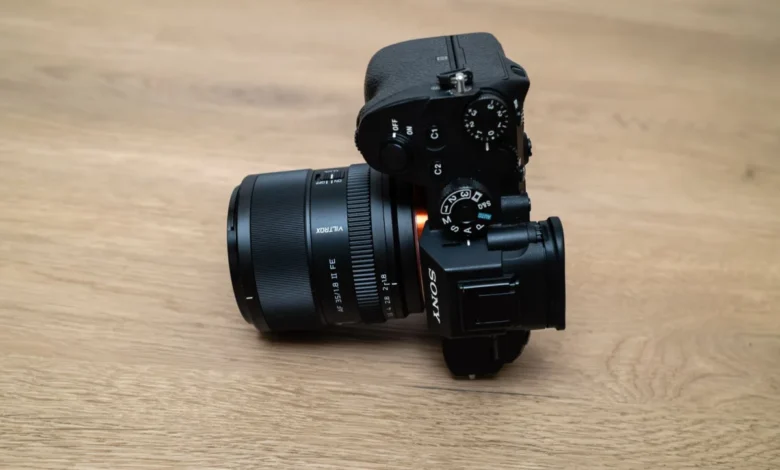
The landscape of modern camera optics has undergone a profound transformation over the past decade, with third-party manufacturers consistently narrowing the performance gap that once separated them from native first-party glass. Among the most aggressive and successful disruptors in this space is Viltrox. Following a steady rollout of competitively priced prime and zoom lenses, the company has officially introduced the Viltrox AF 35mm f/1.8 II EVO FE (APO). Priced at an accessible $399 / £385 and tailored for full-frame Sony E-mount and Nikon Z-mount systems, this lens targets an audience that spans general street photography, landscapes, and amateur astrophotography.
Released in April 2026, the optic enters a crowded market segment traditionally dominated by high-end, expensive prime lenses featuring ultra-wide apertures. However, by striking a deliberate balance between portability, advanced optical design, and a modest price tag, Viltrox aims to prove that photographers do not need to empty their bank accounts to achieve sharp, high-contrast results. Reviewers testing the lens alongside demanding high-resolution bodies, such as the Sony A7R V, have found an intriguing mix of stellar center sharpness, premium build quality, and a few minor optical compromises.
Design and Build Quality: Premium Materials Meet Portability
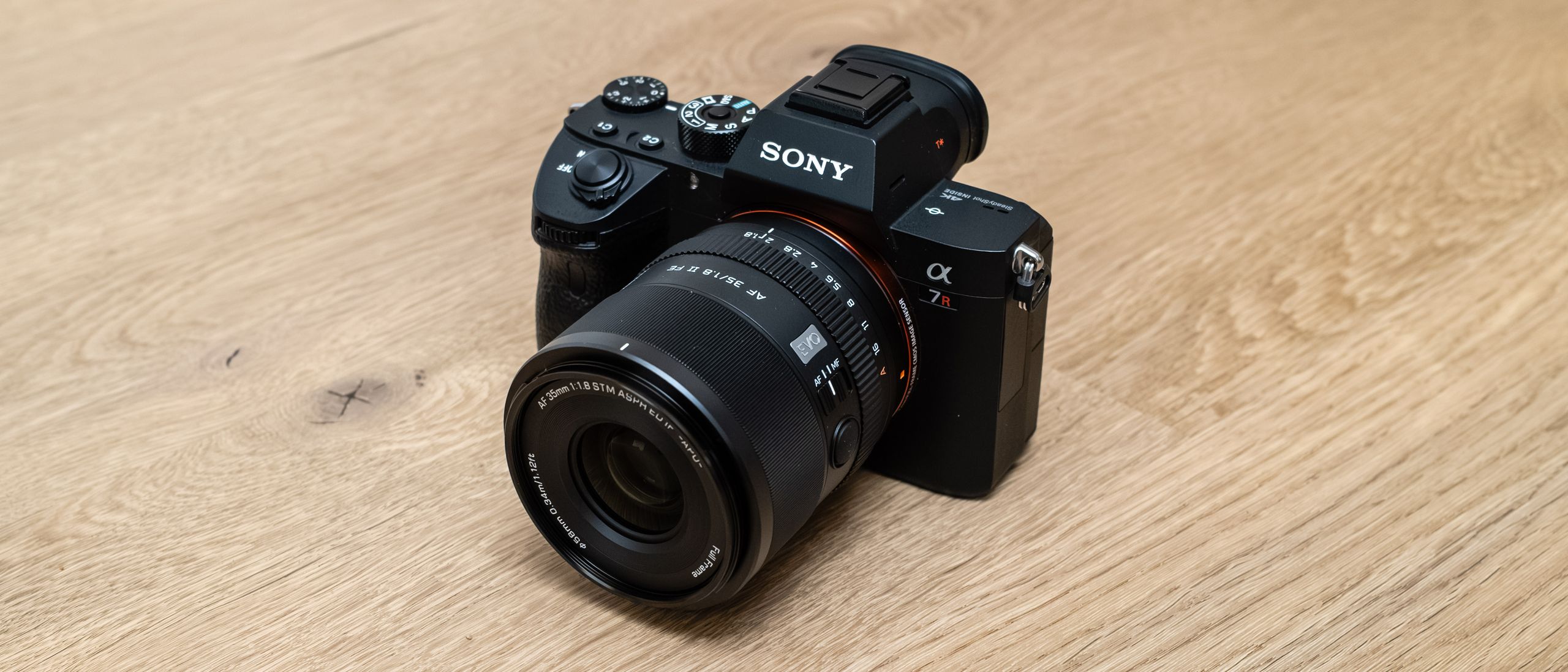
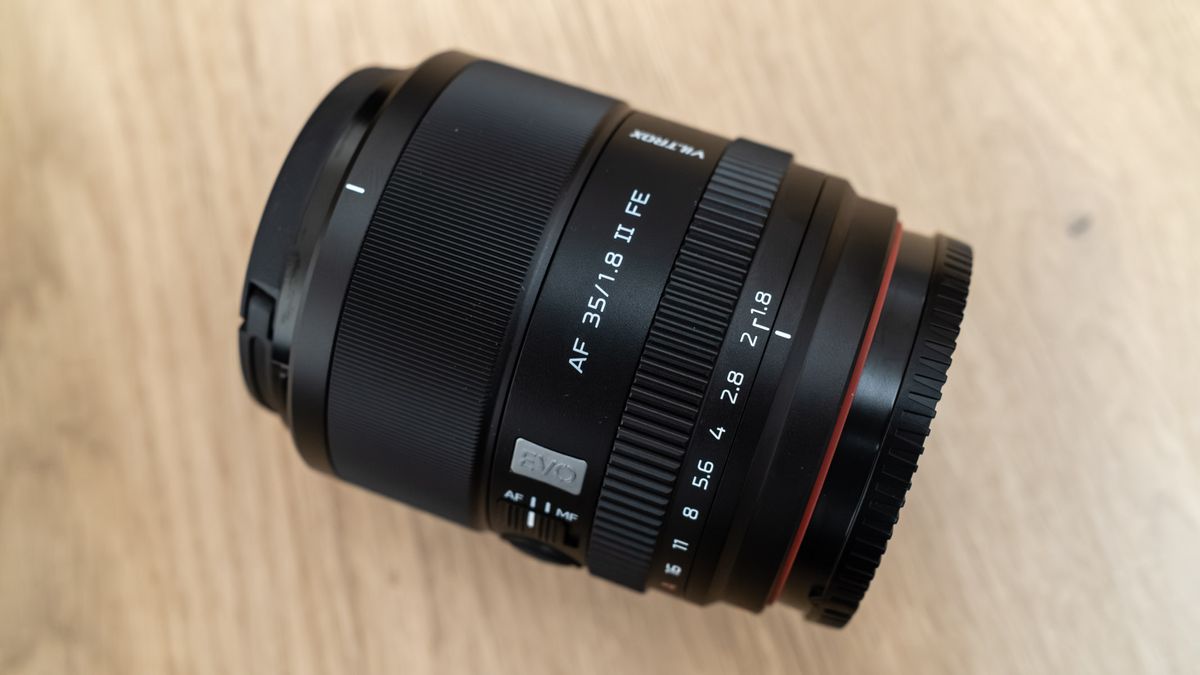
At first glance, the Viltrox AF 35mm f/1.8 II EVO FE (APO) defies expectations set by its budget-friendly classification. Constructed with a robust metal barrel rather than the lightweight plastics frequently found in entry-level third-party optics, the lens feels substantial and durable in the hand. It measures 3.33 x 4.37 inches (69 x 76 mm) and tips the scales at a modest 12.52 ounces (355 grams). This compact and lightweight footprint ensures that it balances harmoniously on modern mirrorless bodies, making it an ideal companion for travel and field work where every ounce in a backpack matters.
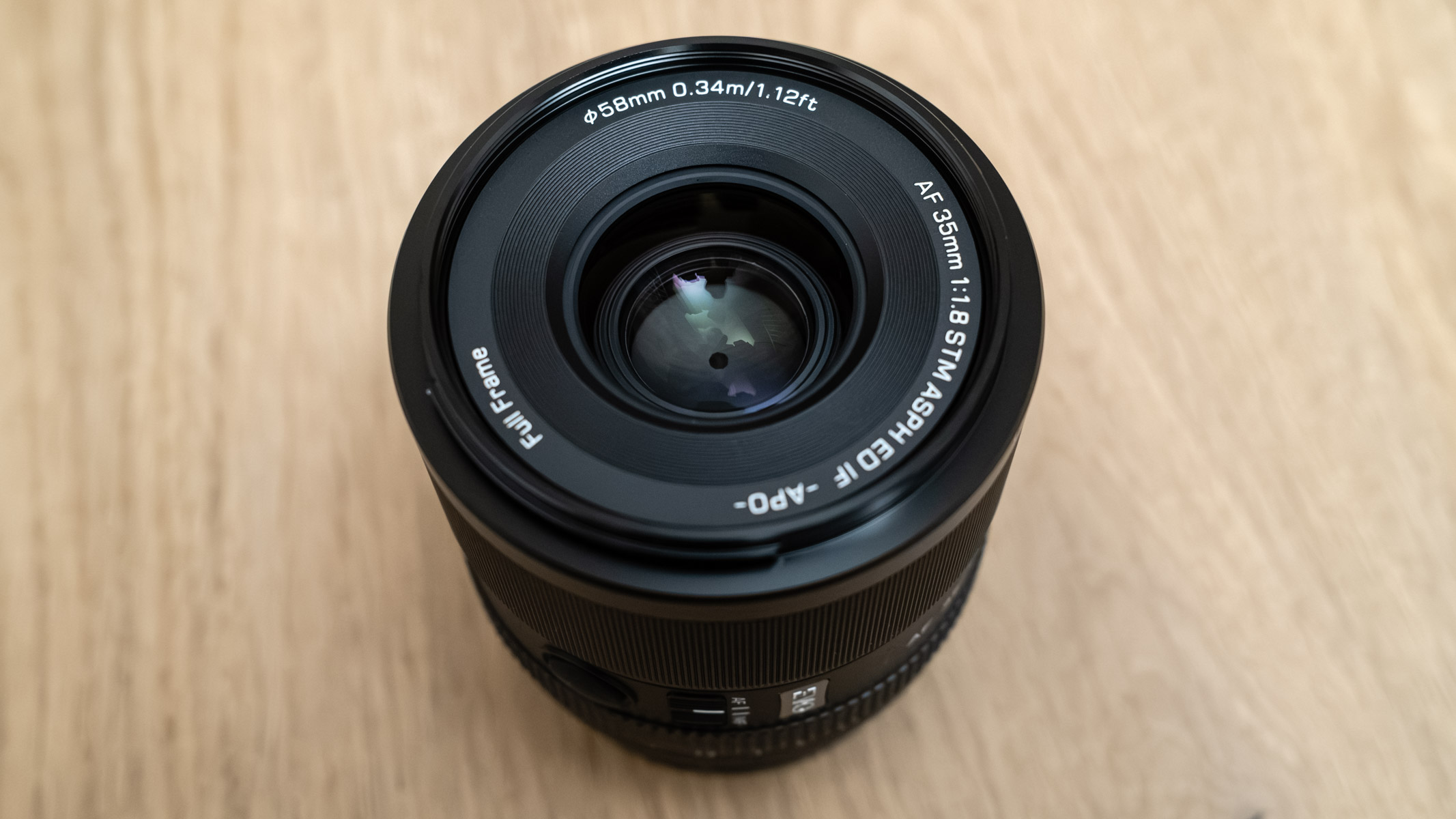
The optical layout consists of 13 elements arranged in 10 groups. Crucially, Viltrox has integrated an apochromatic (APO) design philosophy into this focal length. The formula incorporates two extra-low dispersion (ED) elements, three high refractive index (HR) elements, and one ultra-aspherical (UA) element. According to the manufacturer, the UA element belongs to their flagship LAB Series quality tier, which is normally reserved for their most expensive professional-grade lenses.
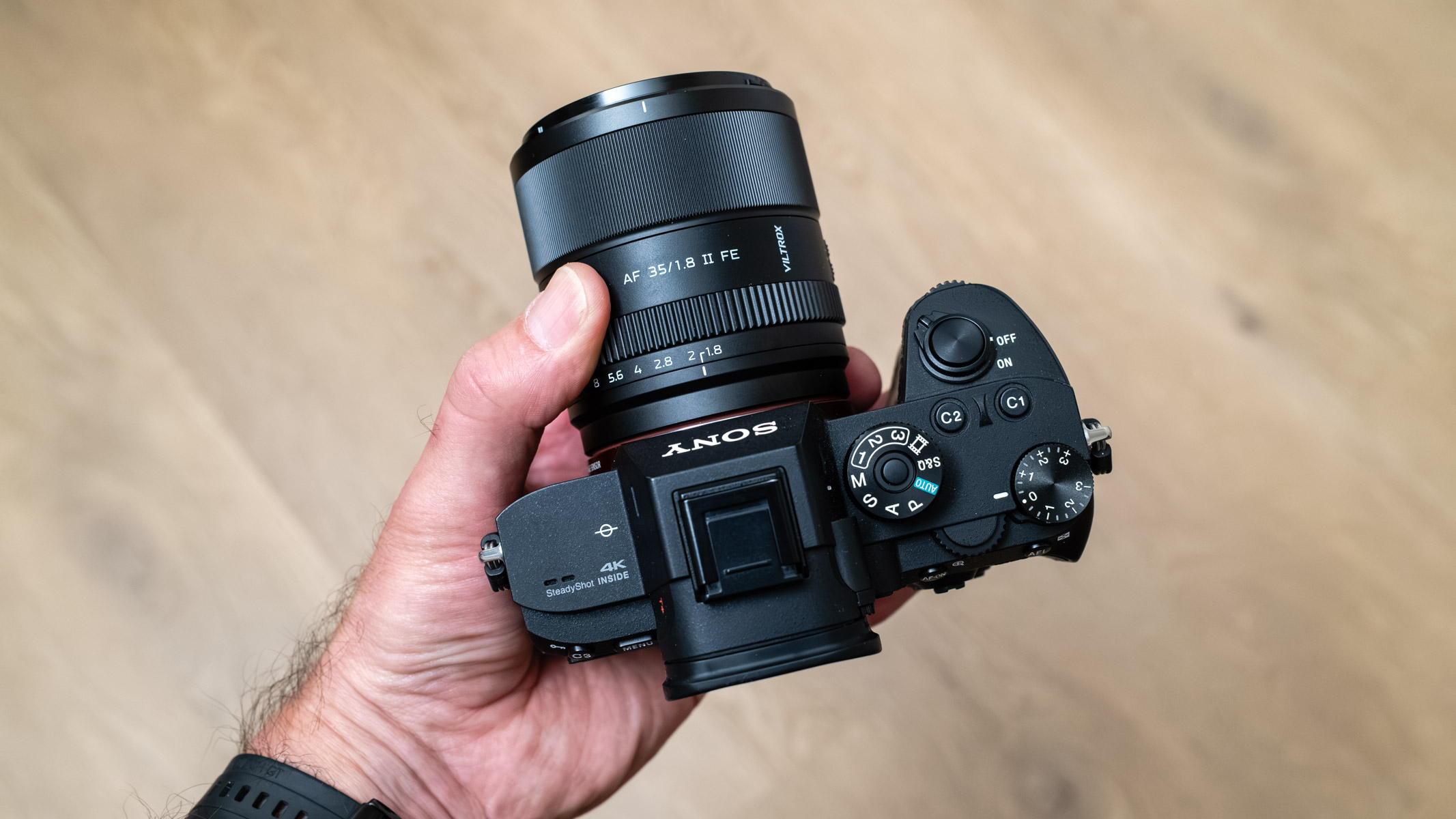
Furthermore, the exterior design caters directly to both photographers and videographers. The lens features a dedicated physical aperture ring marked with standard stops, alongside an "A" position for users who prefer controlling exposure settings directly from the camera body. For videographers, a convenient switch on the side of the barrel allows the user to transition between clicked and de-clicked aperture operations, enabling smooth, silent exposure adjustments during video capture. An integrated, customizable function (Fn) button provides additional tactile control, while a rubber gasket on the lens mount and a smudge-resistant coating on the front element offer essential weather-sealing against dust and light moisture during outdoor sessions.
Optical Performance and Real-World Testing
Evaluating a 35mm prime lens designed for multiple genres—including nighttime skywatching—requires rigorous stress-testing across various lighting conditions and apertures. When paired with high-resolution sensors like the 61-megapixel Sony A7R V, the lens demonstrates impressive capabilities tempered by specific optical traits.

In daylight conditions and when shooting wide open at f/1.8, the Viltrox 35mm delivers remarkable center sharpness. As users stop down the aperture, performance evens out across the frame. The lens hits its optical "sweet spot" between f/8 and f/11, where sharpness is uniform and diffraction has yet to set in. Stopping down beyond f/11 introduces diffraction artifacts that begin to degrade overall image fidelity, though landscape photographers rarely need to venture past f/11 in standard field scenarios. Vignetting is most pronounced at the maximum aperture of f/1.8 but largely dissipates by f/4. While Adobe Lightroom lacked a dedicated lens profile for the optic at launch, manual corrections or custom user presets easily resolve peripheral illumination drop-off.
For astrophotographers, the lens presents a nuanced performance profile. At f/1.8, critical examination reveals minor astigmatism along the extreme left edges of the frame, causing point sources of light—such as distant stars—to take on a cross-like shape rather than remaining pin-sharp dots. While this aberration requires a 100% pixel-level crop to notice, it is an unexpected artifact for a lens bearing an APO designation. Fortunately, stopping down the aperture to f/2.8 effectively mitigates edge aberrations and significantly improves stellar clarity across the entire frame, though this requires the photographer to bump up the camera’s ISO setting to compensate for the reduction in light gathering.
Autofocus and Modern Firmware Integration
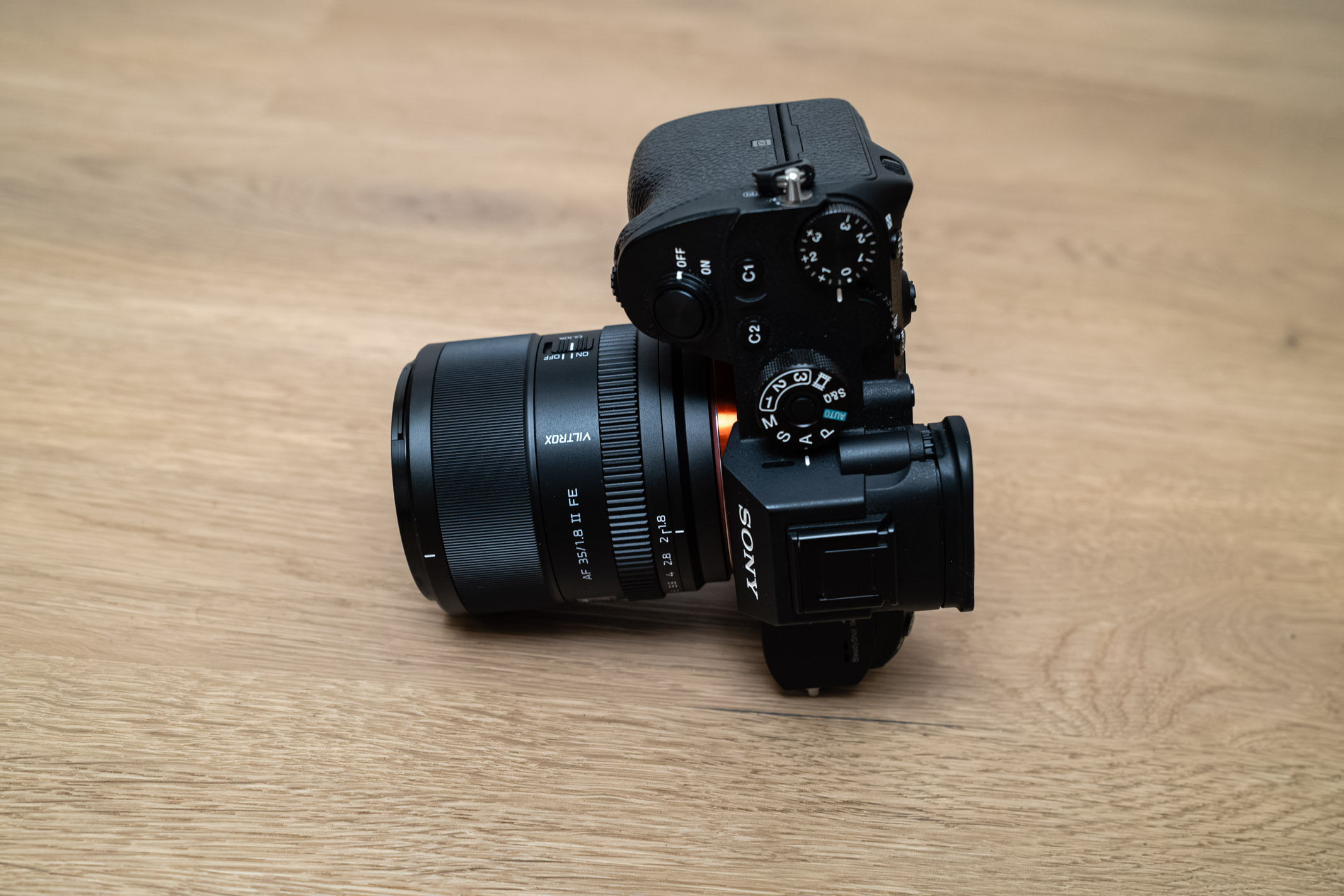
Beyond its glass elements, the lens relies on an internal stepping motor (STM) to drive autofocus operations. The resulting autofocus is swift, precise, and virtually silent, making it well-suited for both rapid street photography and discreet video recording. Internal focusing ensures that the front element remains stationary during operation, allowing for seamless use of polarizing filters.
One of the standout functional advantages of Viltrox’s modern lens lineup is the inclusion of a USB-C port integrated directly into the lens mount. Unlike traditional native lenses that require firmware updates to be downloaded onto a memory card and installed via the camera body, Viltrox enables users to connect the lens directly to a computer or smartphone. This facilitates rapid, hassle-free firmware updates. In fact, pre-release testing indicated a noticeable improvement in autofocus tracking and reliability following a routine desktop-managed firmware update prior to formal evaluation.
The manual focus ring offers a smooth, well-damped rotational resistance. It is wide enough to operate comfortably even when wearing light winter gloves, though its physical footprint is naturally narrower than those found on larger, faster f/1.4 or f/1.2 alternatives. With a minimum focusing distance of 13.4 inches (34 cm), the lens offers adequate close-up capabilities for everyday macro-style snapshots, even if dedicated landscape and astrophotography users will prioritize its infinity-focus performance.
Market Implications and Competitive Landscape
The introduction of the Viltrox AF 35mm f/1.8 II EVO FE (APO) underscores a broader industry trend: the democratization of high-performance optics. Historically, achieving apochromatic color correction and reliable weather sealing meant investing in premium first-party manufacturer lenses costing three to four times as much. By delivering a metal-bodied, weather-sealed prime with advanced glass elements for under $400, Viltrox continues to pressure legacy camera brands to reevaluate their pricing strategies for enthusiast-tier gear.
The lens ships with a comprehensive accessory bundle, including a custom-matched lens hood, front and rear protective caps, and a padded soft lens case. For budget-conscious shooters utilizing Sony full-frame or Nikon Z systems, the savings extend to secondary accessories as well; the modest 58mm filter thread ensures that circular polarizing or light-pollution filters remain economically viable compared to the oversized, expensive glass required by wider or faster primes.
For photographers seeking alternatives within the ecosystem, options abound depending on specific performance demands. Those requiring absolute maximum light gathering can look toward Viltrox’s flagship AF 35mm f/1.2 LAB FE, though it commands a significantly higher price and adds considerable bulk and weight to the camera bag. Alternatively, landscape and nightscape shooters seeking a wider field of view frequently gravitate toward lenses like the Sony FE 20mm f/1.8 G or the ultra-wide Sigma 14mm f/1.4 DG DN Art.
Ultimately, the Viltrox AF 35mm f/1.8 II EVO FE (APO) carves out a distinct niche. It is not designed to unseat multi-thousand-dollar flagship lenses in optical perfection, nor is it optimized for APS-C sensor shooters seeking a standard 50mm equivalent. Instead, it offers a compelling blend of portability, premium tactile design, and solid optical performance, presenting an exceptionally attractive value proposition for hobbyists and professionals alike who demand reliability without financial strain.
Related posts: