Borderlands Franchise Surpasses 100 Million Units Sold as Gearbox Teases Major Future Plans

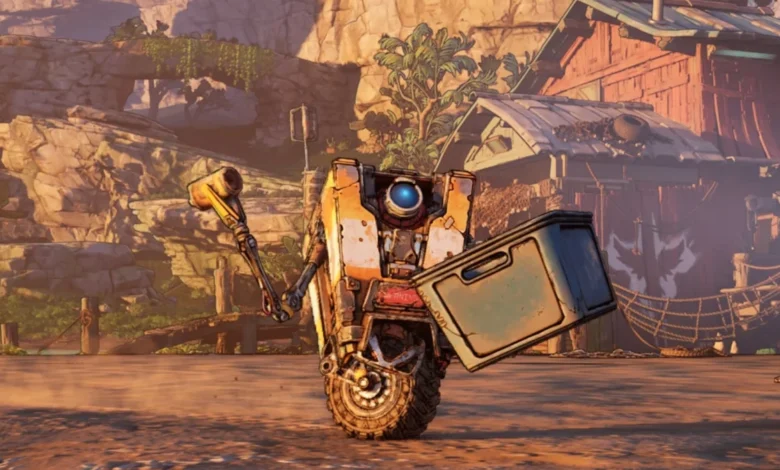
The critically acclaimed and commercially enduring looter-shooter franchise Borderlands has officially crossed a monumental industry milestone, surpassing 100 million copies sold globally across its lifetime. Developer Gearbox Software and publisher Take-Two Interactive announced the achievement through a joint community address, confirming that the milestone places the property in an elite tier of video game franchises. The accomplishment arrives alongside hints of substantial future content for the series, even as the studio navigates a complex period marked by technical hurdles, platform delays, and evolving player expectations following the release of the latest mainline installment.
A History of Chaos: The Origins and Evolution of the Looter-Shooter
The journey to 100 million units began in October 2009, when Gearbox Software—then widely recognized for military shooters like Brothers in Arms—took a massive creative gamble. Fusing first-person shooter mechanics with the deep loot-driven progression systems typically found in action role-playing games like Diablo, the original Borderlands introduced players to the desolate, alien frontier of Pandora. Distinctly characterized by its bold, graphic-novel-inspired cel-shaded art style and a penchant for irreverent, pitch-black comedy, the title resonated immediately with consumers and critics alike.
Building upon this foundational success, Gearbox expanded the universe exponentially with the 2012 release of Borderlands 2. Widely regarded by fans and critics as the high-water mark of the franchise, the sequel refined the gunplay, introduced a legendary and deeply charismatic antagonist in Handsome Jack, and cemented the cooperative looter-shooter archetype in the modern gaming landscape. Subsequent releases—including the pre-sequel, narrative spin-offs like Tales from the Borderlands, and the fantasy-infused Tiny Tina’s Wonderlands—continued to expand the intellectual property’s reach across multiple console generations and PC platforms.
Navigating the Launch of Borderlands 4
The latest milestone announcement comes on the heels of the turbulent commercial and technical rollout of Borderlands 4. While the franchise’s cumulative sales figure underscores its enduring mass appeal, the most recent entry faced significant scrutiny at launch. Take-Two Interactive openly acknowledged that the game experienced "softer than expected" initial sales performance, a setback attributed in large part to a troublesome PC release plagued by optimization and performance issues.
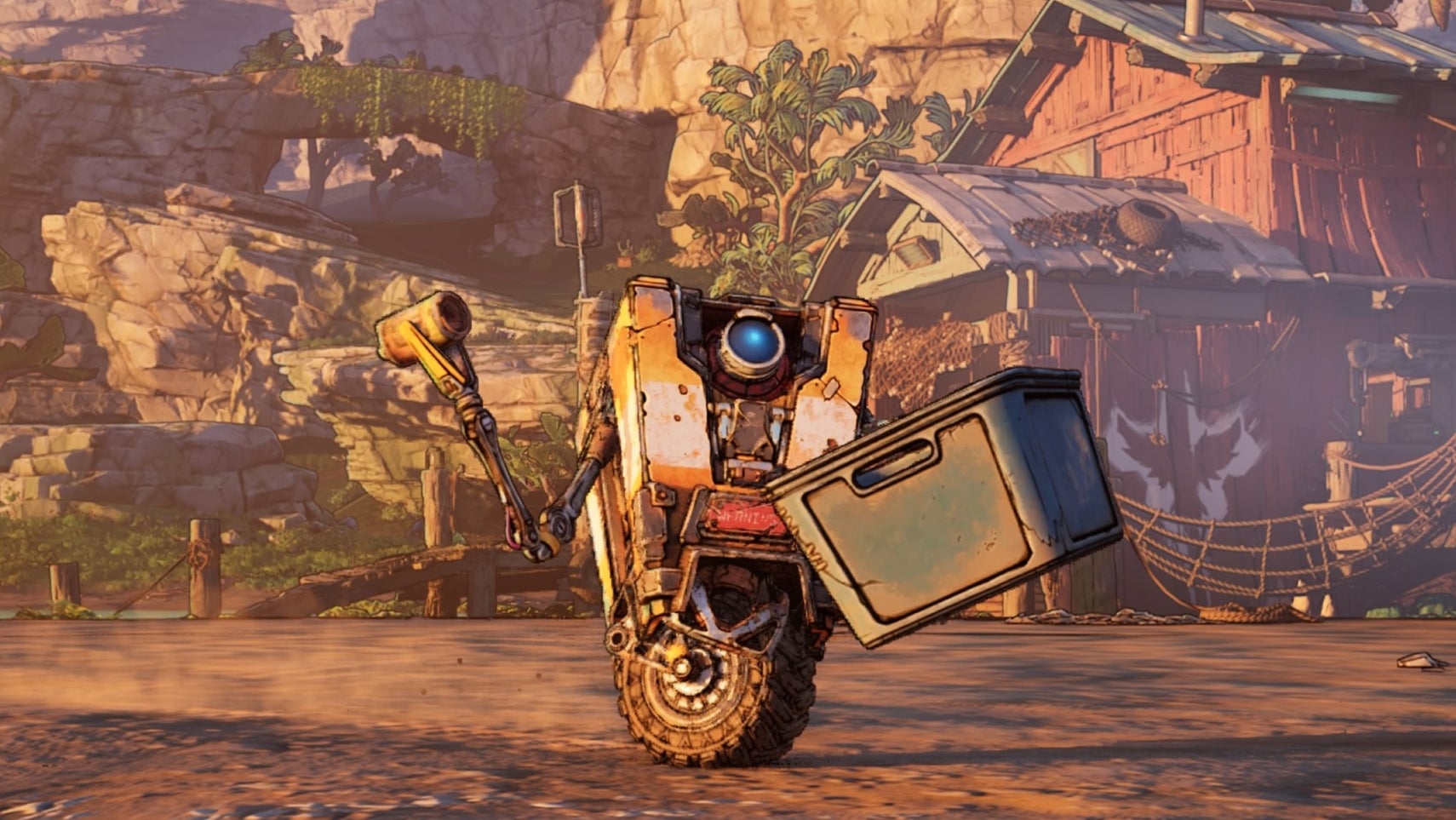
Despite pushback from sections of the community regarding technical stability, Gearbox leadership defended the launch state. Studio head Randy Pitchford publicly maintained that the initial technical deployment was "pretty damn optimal" given the massive scope of the game’s new technical architecture. Reviewers, including Eurogamer’s Rick Lane, noted that Borderlands 4 introduced commendable innovations to the formula, such as a true open world and a more restrained, sensible script. However, critics also pointed out that these improvements were occasionally undermined by frustrating exploration mechanics and a combat loop that required considerable time investment to reach its full potential.
Platform Strategy and the Delayed Switch 2 Port
Hardware integration has also presented operational challenges for the publisher’s broader deployment strategy for the fourth installment. Earlier in the development cycle, a heavily anticipated Nintendo Switch 2 port of Borderlands 4 was indefinitely postponed. Industry observers noted that the delay highlighted the difficulties inherent in scaling massive, current-generation open-world titles to emerging handheld hardware.
Addressing the status of the stalled port, Take-Two CEO Strauss Zelnick clarified that while a future release on Nintendo’s next-generation platform remains theoretically viable, it is no longer an immediate operational priority. Instead, the publisher and developer shifted their primary engineering focus toward stabilizing the core PC and console experiences, ensuring optimal performance for existing players before attempting resource-intensive platform expansions.
Looking Ahead: Year One Roadmap and Future Content
With the technical foundation of the game gradually stabilizing, Gearbox has officially wrapped up the Year One roadmap for Borderlands 4. That initial post-launch slate included two distinct story expansion packs, the introduction of two new playable Vault Hunters, and various quality-of-life updates.
Looking forward, the development team confirmed that they are actively "cooking hard" on additional content slated for release throughout the subsequent year. While specific narrative details, character additions, and gameplay expansions remain under wraps, the studio has assured fans that routine support will continue unabated. Weekly activity refreshes and recurring community challenges will remain active to sustain player engagement while major updates are finalized in development.

Community Engagement and Strategic Expansion
Beyond immediate content drops, Gearbox executives emphasized that the studio is engaging in a broader, holistic evaluation of the Borderlands intellectual property as a whole. In their official community correspondence, developers noted that future planning involves examining fundamental structural questions: identifying which legacy characters warrant further narrative exploration, determining which dangling plot threads require definitive resolution, and assessing where the franchise should logically travel next in terms of setting and tone.
Crucially, the studio highlighted community feedback as the driving engine behind these long-term creative decisions. Because major strategic initiatives require extended development cycles, Gearbox has asked its player base for patience while these concepts take shape behind the scenes.
Broader Implications for the Looter-Shooter Genre
Crossing the 100-million-unit threshold places Borderlands alongside legendary gaming properties such as Call of Duty, Grand Theft Auto, Minecraft, and Pokémon. For Gearbox Software and parent company Take-Two Interactive, this milestone validates the enduring viability of the cooperative looter-shooter genre at a time when player retention in live-service and persistent-world games is fiercely competitive.
However, the mixed reception surrounding the launch of Borderlands 4 also serves as a cautionary tale regarding technical polish and hardware optimization in modern AAA game development. As Gearbox pivots toward its next phase of content creation and franchise expansion, the studio faces the delicate task of balancing high-ambition design—such as seamless open-world exploration—with the technical stability and performance standards demanded by today’s gaming audience. How the studio responds to these challenges in the coming years will likely dictate whether the next 100 million sales come as swiftly as the first.