Apple Faces Severe iPhone Duo Supply Shortages and Hinge Reliability Concerns Following Record Financial Quarter

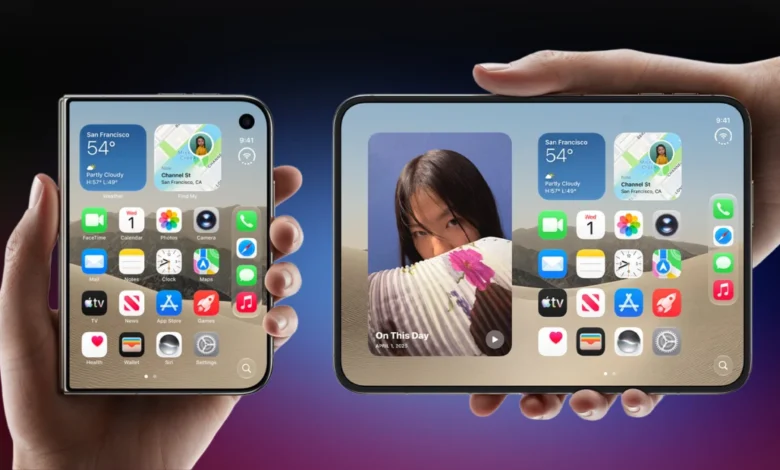
Apple is currently grappling with profound supply constraints for its highly anticipated foldable flagship device, the iPhone Duo, with executives admitting that there is no clear timeline for when production will catch up to surging consumer demand. The disclosure came directly from Apple leadership during a financial briefing, casting a shadow over what was otherwise a triumphant quarterly earnings report that underscored the enduring strength of the tech giant’s hardware ecosystem. While consumer enthusiasm for Apple’s first foray into the foldable smartphone market has shattered initial sales expectations, the accompanying logistical bottlenecks and early technical hurdles have transformed the product’s rollout into a complex test of supply chain resilience and customer relations.
The supply crisis was officially confirmed by Apple CEO John Ternus in an interview with Reuters following the release of the company’s fourth-quarter earnings report for fiscal year 2026. Ternus addressed mounting concerns from analysts and consumers regarding the extreme scarcity of the device across global markets.
"Duo is constrained as of today," Ternus told Reuters. "The ramp is going well, and we’re working hard to get it to as many customers as quickly as possible, but at this point, we’re not able to predict when supply and demand will be in balance."
Current online orders placed through Apple’s official digital storefront now display delivery estimates stretching as far out as January, signaling that inventory is severely depleted for the upcoming holiday shopping season. Furthermore, physical Apple Retail locations have reported receiving virtually no unscheduled stock to support online reservation systems or walk-in purchases, forcing prospective buyers into a protracted waiting game.
A High-Stakes Launch and Supply Chain Realities
The severe shortage of the iPhone Duo stands in stark contrast to Apple’s broader financial health. During the earnings call, Apple reported a September quarter revenue record of $114.5 billion, marking a robust 12 percent increase compared to the same period in the previous year. However, because the iPhone Duo did not officially hit store shelves until after the September quarter had concluded, its financial impact was entirely excluded from the record-breaking revenue figures. Wall Street analysts and investors are now looking ahead to the holiday quarter to gauge the true monetary contribution of the device, though the ongoing supply constraints could throttle the product’s immediate revenue potential if units cannot be manufactured and delivered fast enough.
The roots of this inventory crisis trace back to the weeks leading up to the device’s commercial debut. In the days before the official October 23 release, internal friction at retail locations began to surface as corporate leadership recognized the looming supply deficit. Ahead of launch day, Apple retail employees were formally instructed to warn prospective buyers against visiting physical stores for walk-in purchases. Staff members reported receiving direct advisories stating that stock would be virtually non-existent for non-pre-order customers, leading to a coordinated effort by store employees to discourage hopeful buyers from lining up outside storefronts on the morning of October 23.
Despite these warnings, demand remained unyielding, driving millions of consumers to secure pre-orders within minutes of availability and instantly overwhelming Apple’s manufacturing partners in the Asia-Pacific region. Foldable display technology and ultra-thin hinge mechanisms have historically presented significant manufacturing hurdles for the consumer electronics industry, and Apple’s stringent quality control standards appear to have further limited the volume of units successfully clearing final assembly lines.

The Emerging Hinge and Display Controversy
Compounding the supply chain challenge is an emerging technical concern regarding the durability of the iPhone Duo’s inner display and folding mechanism. Just days after the device reached early adopters, user-generated reports began flooding social media platforms, Reddit, and the MacRumors community forums detailing unexpected hardware failures.
Owners reported that their screens were developing sudden cracks running directly along the vertical hinge axis. In many cases, these structural fractures manifested as a persistent, bright line of dead or malfunctioning pixels stretching across one side of the screen. One early adopter in Australia publicly shared that their device suffered catastrophic display failure after being opened fewer than 20 times under normal, everyday usage conditions, sparking online speculation and debate among tech enthusiasts regarding the long-term reliability of the folding architecture.
The issue quickly gained traction across technology news outlets, leading observers to question whether the device would face a public relations hurdle akin to the historical hardware controversies of past consumer electronics launches.
In response to the growing discourse, Apple acknowledged the issue publicly last week, confirming that it was actively investigating reports of inner display anomalies impacting a subset of early-production units. The company has directed any customers experiencing screen degradation or hinge-related faults to contact AppleCare immediately for diagnostic evaluation and support.
During his post-earnings interview with Reuters, CEO John Ternus attempted to contextualize the scale of the hardware failures, reassuring stakeholders that the affected units represent "a very small percentage" of the total active user base. Ternus confirmed that Apple is actively honoring warranty claims by offering direct device replacements to impacted consumers while engineering teams continue to analyze returned hardware to identify the root cause of the hinge stress points.
Strategic Implications and Market Outlook
The simultaneous occurrence of unprecedented consumer demand, severe inventory shortages, and early hardware complaints presents a multifaceted challenge for Apple’s executive team. On one hand, the overwhelming popularity of the iPhone Duo validates the company’s strategic decision to enter the foldable device segment, proving that mainstream consumers are willing to embrace new form factors provided they carry the Apple ecosystem branding. The intense demand signals a healthy appetite for hardware innovation, which bodes well for the long-term viability of the product line.
On the other hand, the inability to fulfill orders during the critical fourth-quarter holiday shopping window risks alienating impatient consumers who may pivot toward competing foldable offerings from Android manufacturers. Furthermore, managing the logistics of device replacements for the display defect claims will require careful coordination between AppleCare support centers and retail supply chains that are already stretched to their absolute limits.
As Apple navigates the coming months, the primary objective for the company’s operations and engineering divisions will be scaling up manufacturing yields without compromising on structural integrity. Until supply and demand reach equilibrium—a milestone that executive leadership has conceded cannot yet be accurately forecasted—the iPhone Duo will remain one of the most elusive and sought-after consumer electronics products on the market, embodying both the pinnacle of Apple’s engineering ambition and the complex operational realities of modern global manufacturing.
Related posts: