Apple updates official Design Resources portal with high-fidelity assets for iPhone Duo and iPhone 18 Pro following the Surprise and Shine event.

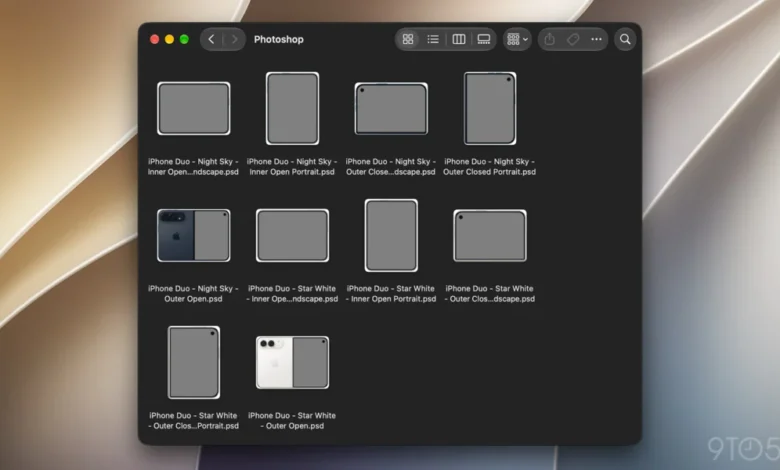
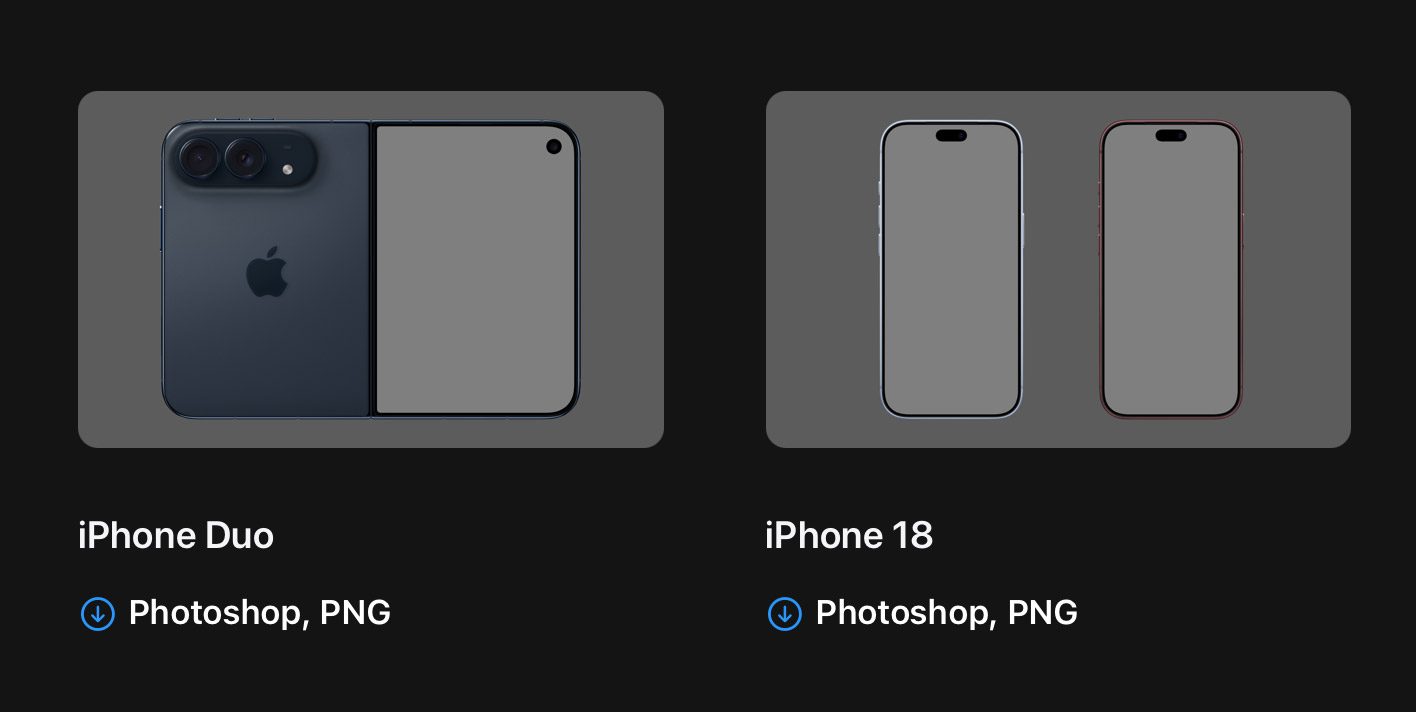
Following the conclusion of today’s highly anticipated "Surprise and Shine" product launch event, Apple has moved swiftly to integrate its latest hardware into its professional ecosystem. Designers, developers, and creative professionals now have access to official product bezels for the newly unveiled iPhone Duo and the iPhone 18 Pro via the company’s dedicated Design Resources portal. These assets are essential for creators looking to maintain brand consistency when showcasing applications or digital interfaces on Apple’s newest hardware.
Context and Event Background
The "Surprise and Shine" event, hosted at Apple Park, marked a significant pivot in the company’s mobile strategy. For years, industry analysts and enthusiasts had speculated on the inevitability of a foldable device from Apple. Today, that speculation culminated in the announcement of the iPhone Duo, a device that introduces a sophisticated folding mechanism to the iPhone lineup. Alongside this hardware breakthrough, Apple introduced the iPhone 18 Pro, which serves as the latest iteration of the company’s flagship "Pro" series, featuring a redesigned, smaller Dynamic Island and internal refinements that push the boundaries of current silicon capabilities.
The release of these design assets is not merely a courtesy to the creative community; it is a critical component of Apple’s developer relations strategy. By providing high-resolution, transparent, and scalable files, Apple ensures that third-party marketing materials, App Store screenshots, and interface demonstrations accurately represent the physical constraints and aesthetic design of the new devices.
What’s New in the Design Resources Portal
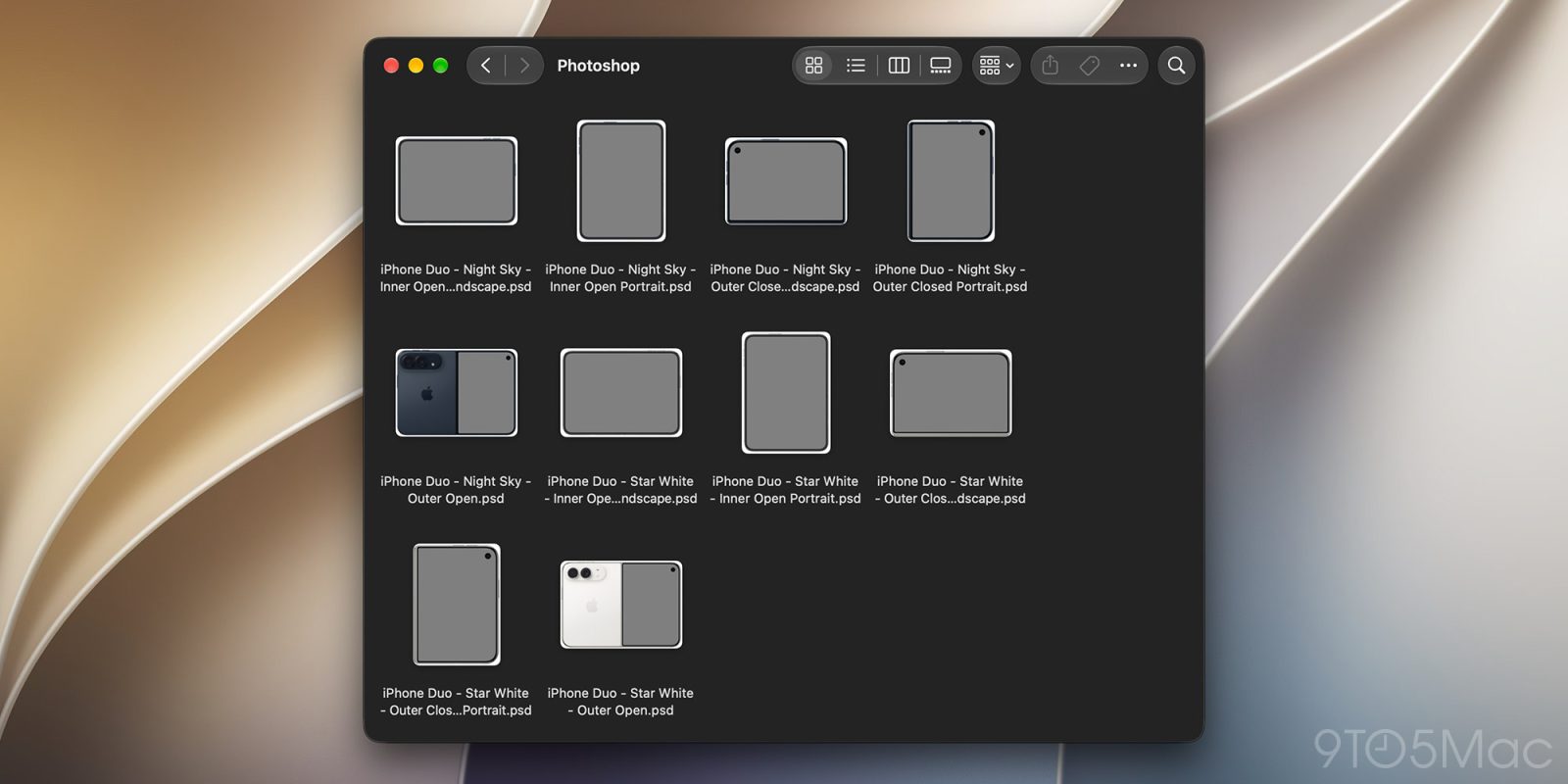
The updated repository currently includes comprehensive Photoshop (PSD) and Portable Network Graphics (PNG) assets. The addition of these files allows designers to place their app mockups inside the precise dimensions of the new hardware.
Key additions to the portal include:
- iPhone Duo Assets: These files provide detailed views of the foldable device in both its fully expanded, tablet-like state and its compact, folded configuration. Given the unique nature of the hardware, these assets include both available colorways announced during the event, enabling designers to showcase software continuity across the device’s hinge.
- iPhone 18 Pro Assets: These resources highlight the evolution of the iPhone’s front-facing sensor array. Specifically, the assets reflect the significantly smaller Dynamic Island, which offers more usable screen real estate at the top of the display.
These assets join a robust library that already includes standard UI components, SF Symbols, and various service-specific badges for platforms such as Apple Wallet, Apple Health, and Apple Pay.
A Chronology of Apple’s Design Support
To understand the importance of this release, one must look at Apple’s historical approach to developer assets. In the early years of the App Store, developers were largely left to create their own device renders, often leading to inconsistent branding across the ecosystem.
- 2015-2018: Apple began standardizing its design resources by providing basic PNG frames of the iPhone 6 and iPhone X.
- 2019-2021: With the introduction of the expanded product lineup, including the iPhone 11 and 12 series, Apple formalized the Design Resources portal, adding support for Figma and Sketch, which were becoming the industry standards for UI/UX design.
- 2022-2025: The portal expanded to include 3D assets and more granular hardware controls, reflecting the complexity of modern device bezels, particularly those involving the Dynamic Island.
- 2026 (Today): The inclusion of the iPhone Duo marks the first time the company has provided official assets for a non-traditional, folding form factor, indicating that Apple expects its ecosystem to adapt quickly to multi-state display environments.
Data and Technical Implications
The shift to these new assets carries technical implications for developers. For the iPhone Duo, designers must now account for "state-awareness" in their applications. The assets provided by Apple demonstrate that the interface should be fluid, adjusting from a mobile-optimized view to an expanded, multi-column layout when the device is unfolded.
The smaller Dynamic Island on the iPhone 18 Pro also necessitates a recalibration of existing apps. For developers who have hard-coded UI elements near the top of their screens, the new bezels allow them to test exactly how much clearance is required. According to Apple’s updated HIG (Human Interface Guidelines), the reduction in the Dynamic Island’s footprint provides approximately 12% more usable notification space compared to the iPhone 17 series.
Professional Reception and Industry Impact
Early reactions from the design community have been largely positive. By releasing these assets on the same day as the product announcement, Apple has mitigated the "wait time" usually associated with third-party render creation.
"Having the official assets immediately available is a major win for us," said a lead UI designer at a major creative agency. "Usually, we have to spend the first 48 hours post-launch creating high-fidelity mockups from press photos. Being able to drop our product screens into official files that are already calibrated for color and shadows saves us significant time."

From a broader industry perspective, the availability of these assets serves as a signal to the market. By treating the iPhone Duo as a primary, supported platform from day one, Apple is signaling that it intends for its foldable hardware to be a mainstream success rather than a niche experiment.
Broader Implications for the App Economy
The standardization of device representation is more than an aesthetic choice; it is a financial one. Apple’s App Store remains the most lucrative digital marketplace in the world. By ensuring that every developer—from solo indie creators to large corporate entities—can present their apps in a way that matches the high-quality standards of Apple’s own marketing, the company preserves the perceived value of the platform.
If apps look "correct" on the new hardware, users are more likely to engage with them. When a user sees a screenshot of an app on the App Store that perfectly fits the dimensions of their new iPhone 18 Pro, the friction between discovery and installation is reduced. This contributes to higher conversion rates for developers, which in turn sustains the vitality of the App Store.
How to Access the Resources
For design professionals looking to update their workflows, the assets can be accessed through the official Apple Design Resources portal. The portal remains the single source of truth for all official assets, including:

- Vector and Raster Files: SVG and PNG files for high-resolution displays.
- Template Files: Pre-configured files for Adobe Photoshop and popular design software like Figma and Sketch.
- Technical Documentation: Updated guidelines on how to handle the folding state of the iPhone Duo.
As the industry continues to analyze the implications of the "Surprise and Shine" event, the release of these assets ensures that the visual identity of Apple’s new hardware will be accurately reflected across the digital landscape immediately. The rapid synchronization between hardware release and design support demonstrates Apple’s commitment to maintaining a cohesive user experience across its entire product lineup.
For further details regarding the specifications of the new devices or to view the full list of changes from today’s event, users are encouraged to visit the official Apple newsroom or the developer-specific support channels. The era of the foldable iPhone has officially begun, and with these resources, the creative community is now fully equipped to build for it.