Aquanauts Complete Five-Day Deep-Sea Simulation Mission at Jules’ Undersea Lodge to Test Long-Duration Spaceflight Protocols

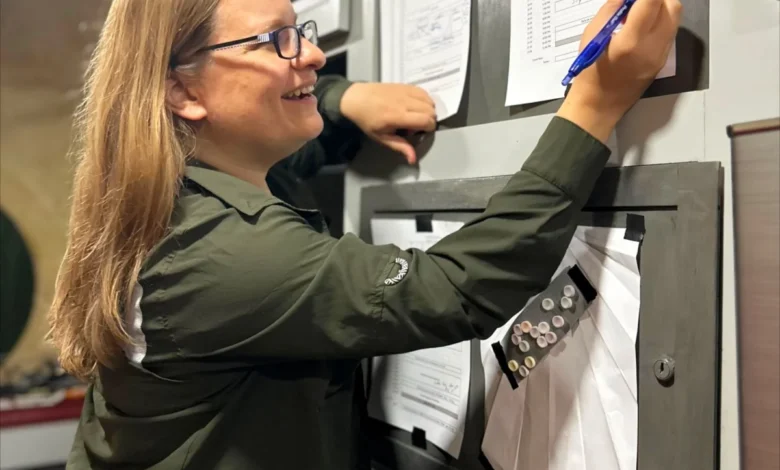
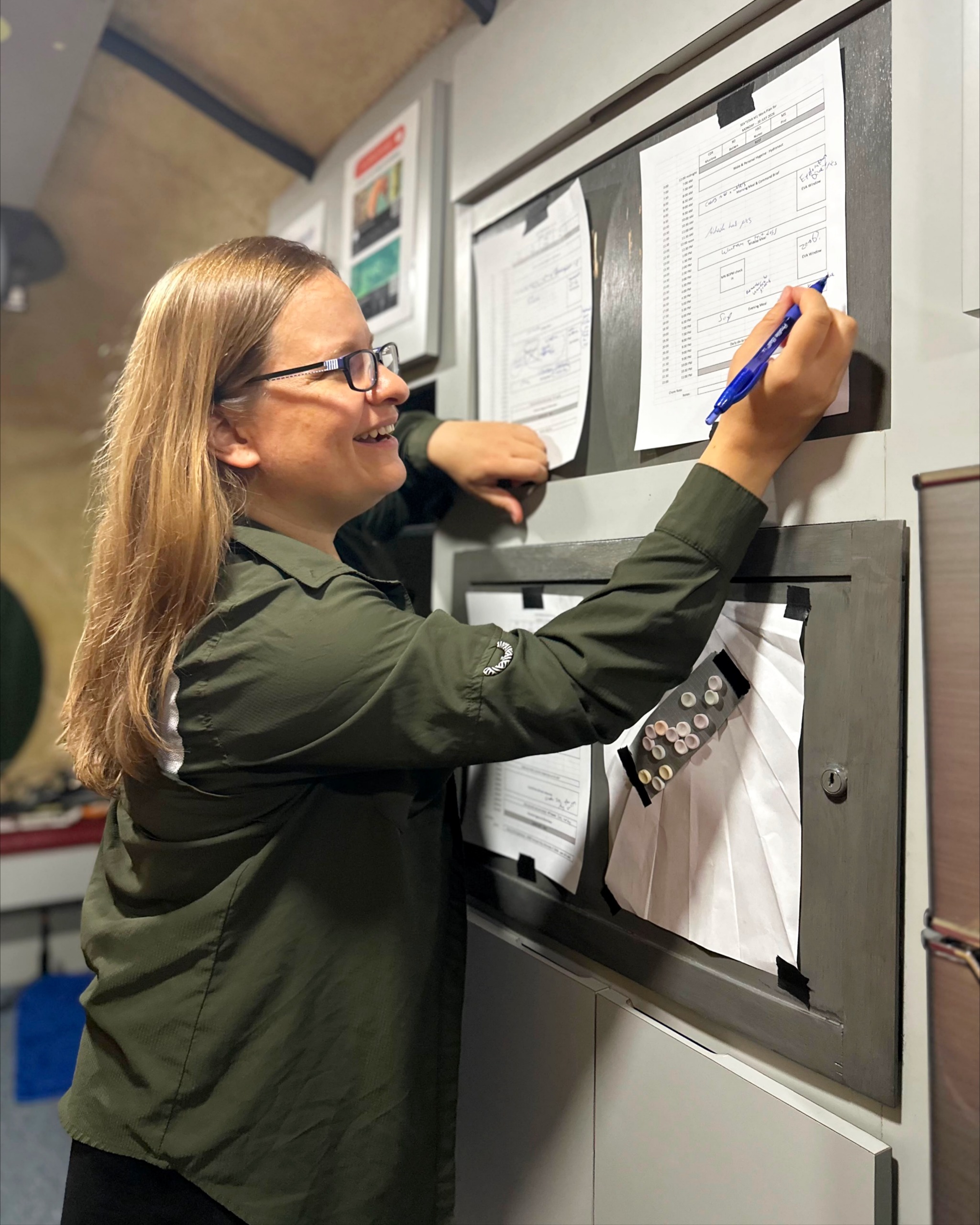
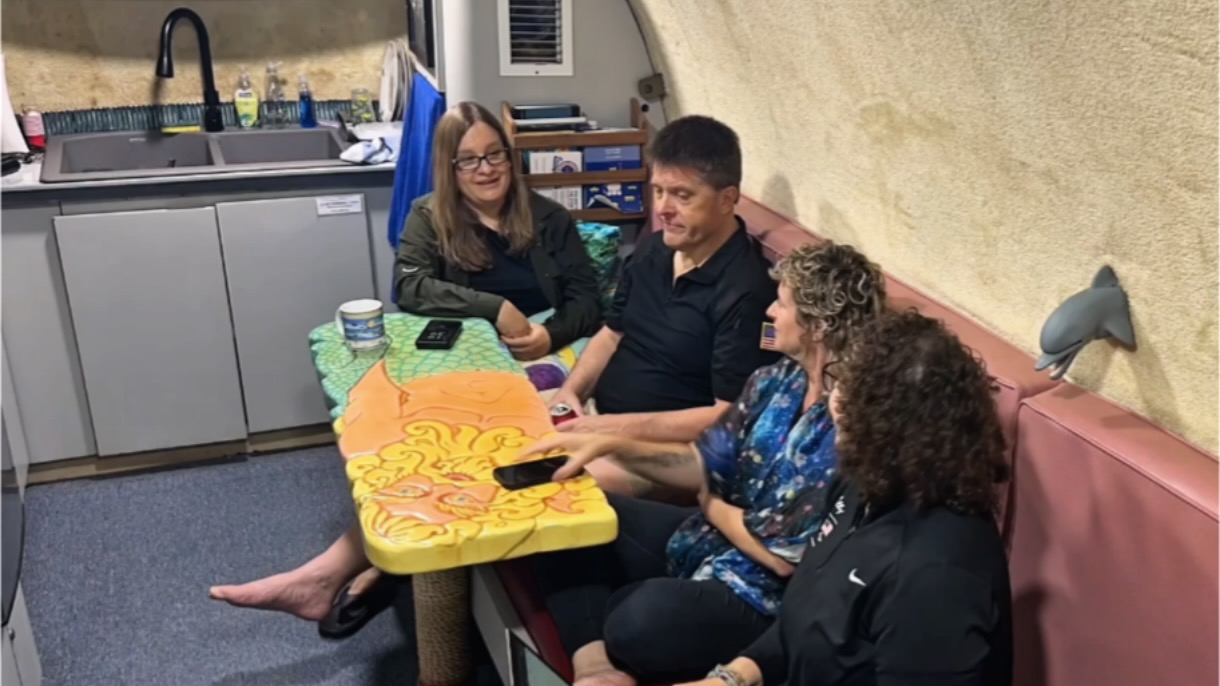
The international team participating in the SEA STAR underwater space mission has successfully concluded a five-day saturation dive inside the Jules’ Undersea Lodge, located 22 feet beneath the surface in a lagoon near Key Largo, Florida. Operating under the leadership of veteran analog astronaut and astrobiologist Dr. Michaela Musilova, the four-person crew lived and worked in a hyperbaric sub-surface environment designed to replicate the physiological, psychological, and logistical challenges faced by astronauts aboard the International Space Station (ISS).
The mission, which wrapped up following a careful decompression protocol in the waters surrounding the laboratory, marks a significant contribution to the growing field of terrestrial analog research. By substituting the vacuum and microgravity of Earth orbit with the high-pressure, low-visibility aquatic world of the Florida keys, the SEA STAR crew evaluated equipment reliability, human cognitive performance under pressure, and the cultivation of biological materials in extreme environments.
Main Facts of the SEA STAR Mission
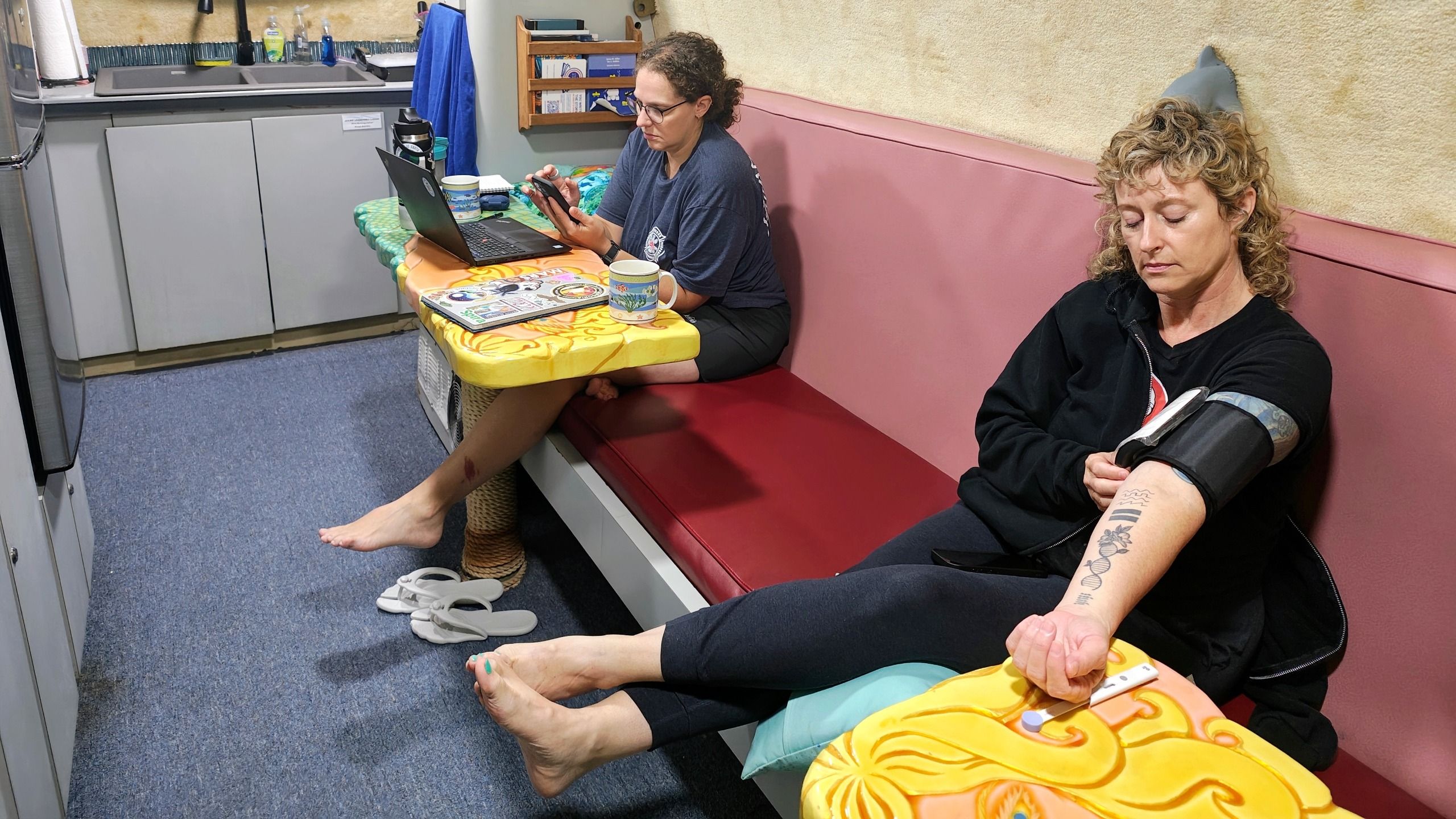
The SEA STAR mission placed four experienced specialists into saturation—a physiological state where the human body’s tissues absorb the maximum possible amount of inert gases, such as nitrogen, corresponding to the surrounding ambient pressure. The participants included Commander Dr. Michaela Musilova, who has previously directed 40 simulated missions to the Moon and Mars; Health and Safety Officer Dr. Brandy Nunez; Executive Officer Paul Bakken; and Mission Specialist Jenn Pint.
Operating out of the stationary Jules’ Undersea Lodge, the crew faced unique environmental hazards distinct from, yet functionally comparable to, those encountered in spaceflight. Life-support systems generated constant acoustic interference, plumbing limitations required strict resource management, and scuba-based excursions—termed underwater "spacewalks"—were hindered by low visibility and dense marine flora. Despite these constraints, the crew executed a rigorous schedule combining scientific experimentation, environmental remediation, and educational outreach.
Background Context and Analog Research Framework
Terrestrial analog environments have become a cornerstone of modern space exploration. Because launch opportunities to the ISS remain strictly limited and competition for on-orbit research time is intense, space agencies and private aerospace entities routinely utilize isolated, extreme environments on Earth to test human adaptability and technology readiness levels.
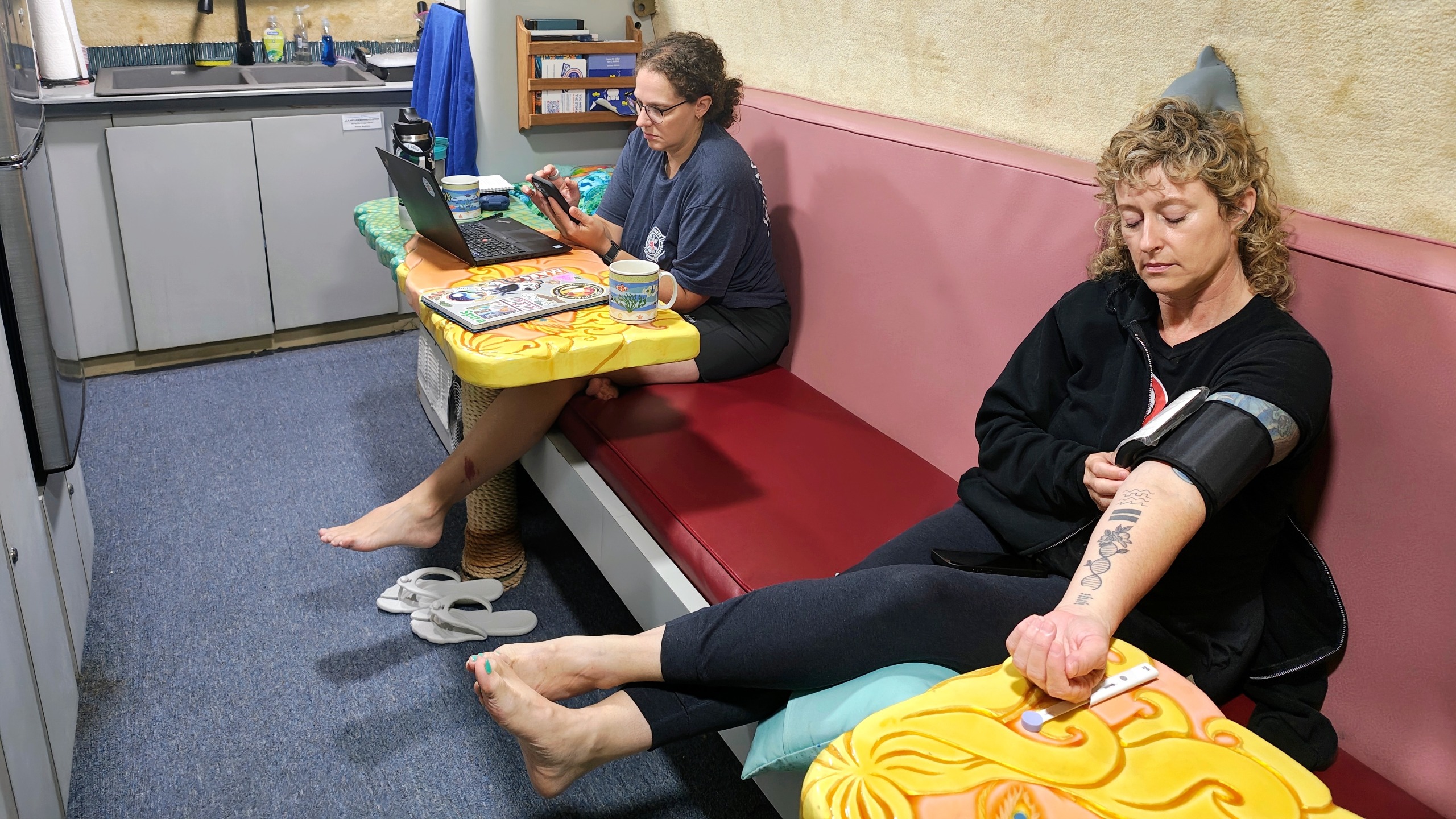
Underwater habitats occupy a unique niche in this spectrum. While parabolic flights offer mere seconds of weightlessness and remote deserts simulate the arid landscapes of Mars, underwater saturation habitats provide a continuous, enclosed, and high-stakes environment. In these settings, crew members cannot simply step outside or evacuate without undergoing lengthy decompression schedules. This psychological confinement and physical isolation closely mirrors the realities of long-duration space habitation, making sub-surface laboratories invaluable testing grounds for human factors research.
Chronology and Operational Timeline
Planning for the SEA STAR mission began months in advance, incorporating equipment design, medical clearance protocols, and safety training tailored for saturation diving.
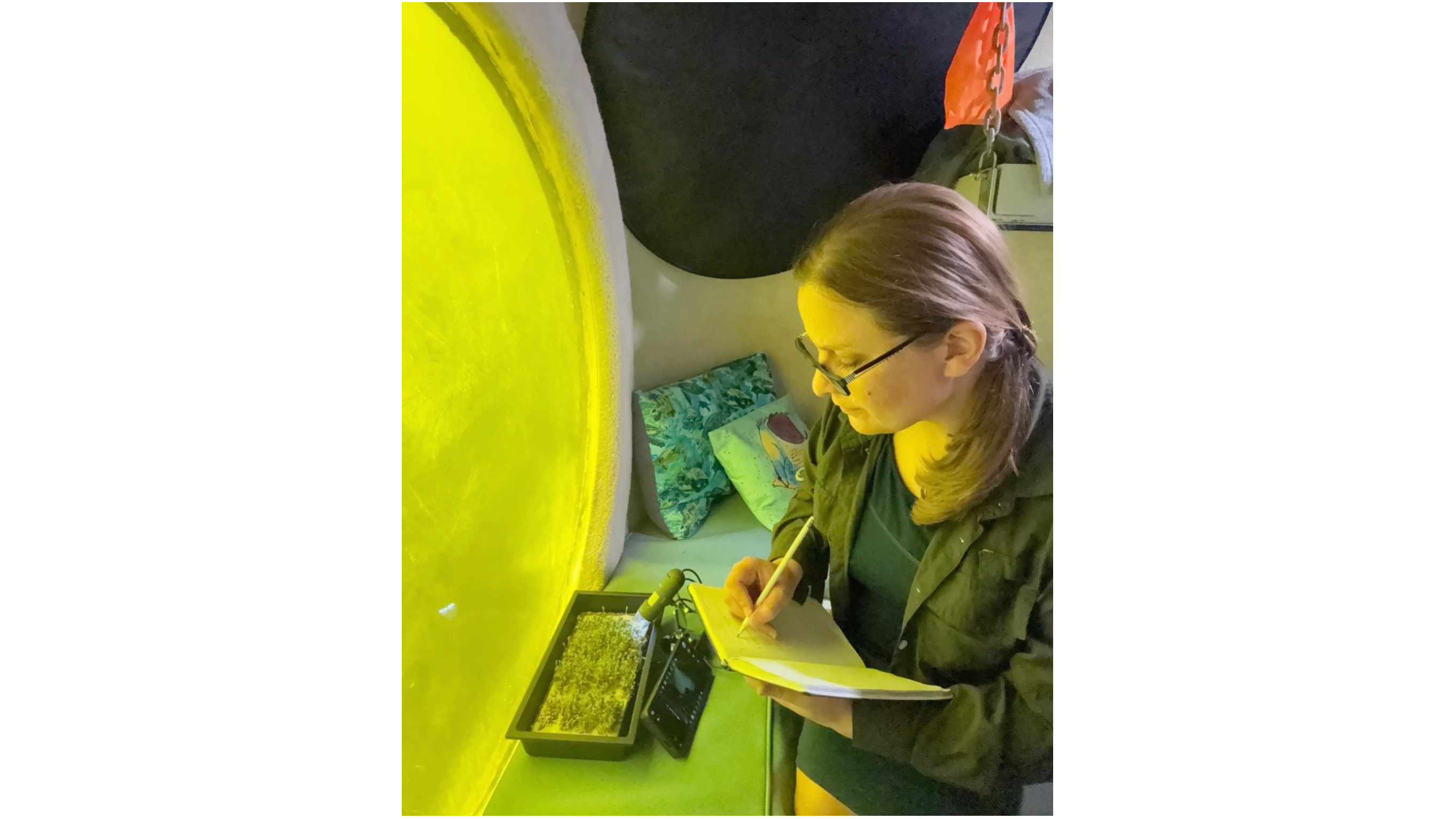
Days Prior to Submersion: Health and Safety Officer Dr. Brandy Nunez initiated the biological testing protocols by cultivating control batches of microgreens, including kale and specialized salad mixes, in standard surface conditions.
Day One: The crew entered Jules’ Undersea Lodge, officially crossing the threshold into saturation. The transition immediately exposed the team to the hyperbaric pressures of the underwater habitat, initiating nitrogen absorption in body tissues and setting baseline physiological parameters for the mission’s medical studies.
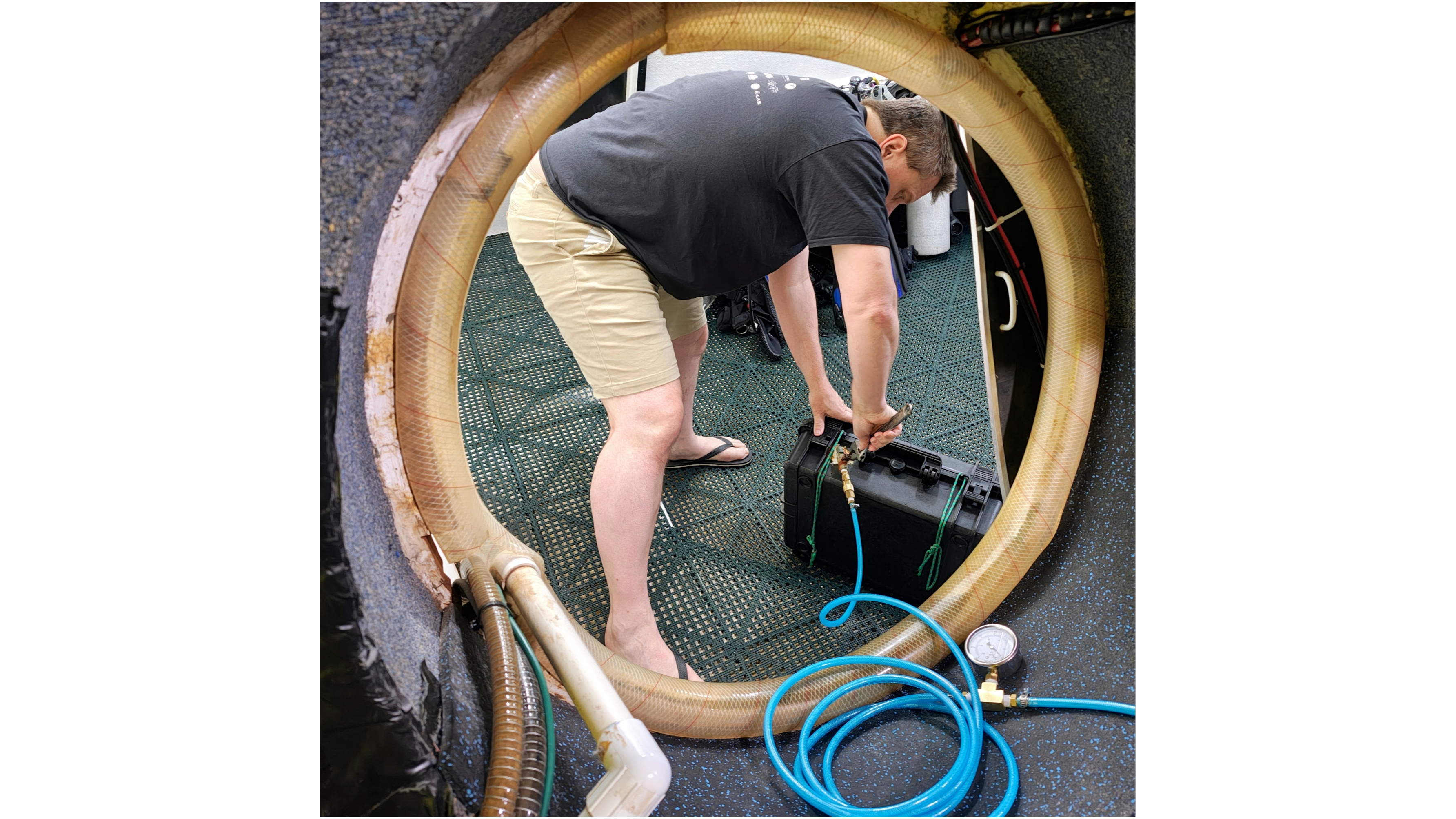
Days Two Through Four: The crew executed primary scientific and operational objectives. This phase included conducting cognitive function and reaction-time assessments, monitoring the growth of microgreens introduced to the habitat under varying pressure differentials, testing logistical transfer containers for pressure tolerance, and deploying student-built environmental sensors developed in Slovakia. The crew also performed targeted marine conservation work, utilizing specialized underwater vacuum devices to remove invasive debris and protect the immediate ecosystem surrounding the lodge.
Day Five: Operations shifted toward mission closure, data consolidation, and educational outreach. The crew conducted a live video teleconference with the Cosmic Region simulated space station in Slovakia, during which mission specialists performed an underwater spacewalk to visually demonstrate sub-surface working methods.
Mission Conclusion: The crew donned scuba apparatuses and initiated a carefully managed exit strategy, swimming through the surrounding lagoon to allow their bodies to adjust gradually to decreasing ambient pressures before finally breaching the surface.
Supporting Data and Experimental Findings
The SEA STAR mission generated empirical data across several distinct scientific disciplines, with immediate applications for both hyperbaric medicine and aerospace engineering:
Cognitive Performance Under Pressure: In collaboration with the Center for Hyperbaric Medicine at the Faculty of Medicine of the University of Ostrava and City Hospital Ostrava in the Czech Republic, Dr. Musilova led a study tracking cognitive agility and reaction times. Initial observations indicated that crew members experienced measurable declines in reaction speeds while operating under hyperbaric conditions, providing comparative data for astronaut cognitive studies during high-stress operational phases.
Agricultural Resilience and Barotrauma: Microgreen samples introduced to the habitat under differing pressure release rates—gradual versus sudden—were harvested and analyzed. Post-mission inspection confirmed that seeds subjected to rapid pressure drops during descent suffered observable barotrauma, offering insight into how biological payloads might react to sudden pressure shifts during spacecraft deployment or atmospheric entry phases.
Logistical Packaging and Environmental Taxonomy: Executive Officer Paul Bakken gathered performance metrics on the structural integrity of transfer containers subjected to environmental pressure swings. Concurrently, Mission Specialist Jenn Pint collaborated with Interstellar Performance Labs to build a taxonomic framework categorizing human-environment interactions and team dynamics during isolated operations.
Official Statements and Participant Reflections
Reflecting on the psychological arc of the mission, Dr. Musilova likened the return to the surface to the emotional transition experienced by astronauts returning from the ISS.
"Our time on our space mission underwater was coming to an end, and I felt like what I imagine an astronaut on the International Space Station must feel before returning to Earth," Dr. Musilova noted. "On one hand, you are excited to return to your home and loved ones, as well as to fresh food and normal hygiene. On the other, you know you will miss your crew and the incredible experience of being in space."
Describing her perspective of the aquatic environment, she introduced the concept of an "underview effect," paralleling the famous "overview effect" reported by astronauts viewing Earth from orbit. Observing the sunbeams filtering through the murky green waters created a profound psychological dichotomy—making the familiar surface world feel simultaneously close yet profoundly unreachable, thereby deepening her appreciation for planetary conservation.
Broader Impact and Implications for Future Exploration
The successful execution of the SEA STAR mission underscores the ongoing utility of sub-surface habitats in preparing humanity for deeper cosmic exploration. As space agencies look toward permanent lunar bases and crewed missions to Mars, understanding the nuances of small-team dynamics, psychological endurance in confined spaces, and the physiological toll of non-standard atmospheric pressures remains paramount.
Furthermore, the integration of student-led hardware testing—such as the environmental sensors designed in Slovakia—demonstrates how analog missions can serve as accessible pipelines for educational engagement and early-stage technological validation. By bridging marine exploration with aerospace engineering, projects like SEA STAR continue to refine the tools, protocols, and psychological resilience required to sustain human life beyond Earth’s comfortable boundaries.