Apple Releases HomeView Software 27.2 Ahead of November 13 Launch, Revealing New Smart Home Hub Features and Internal Architecture

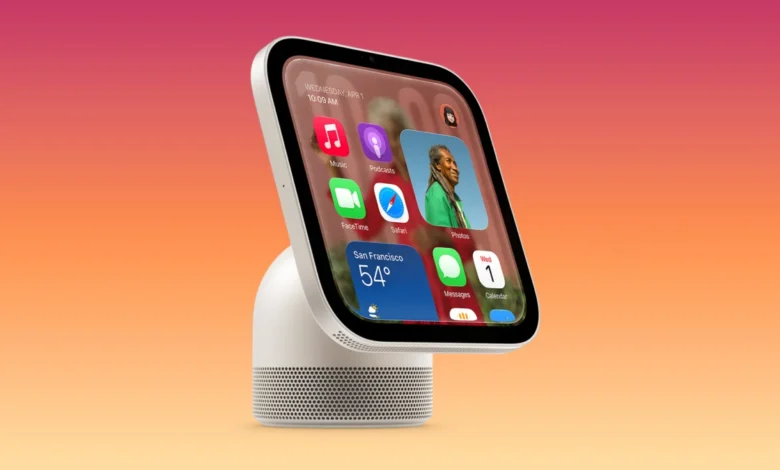
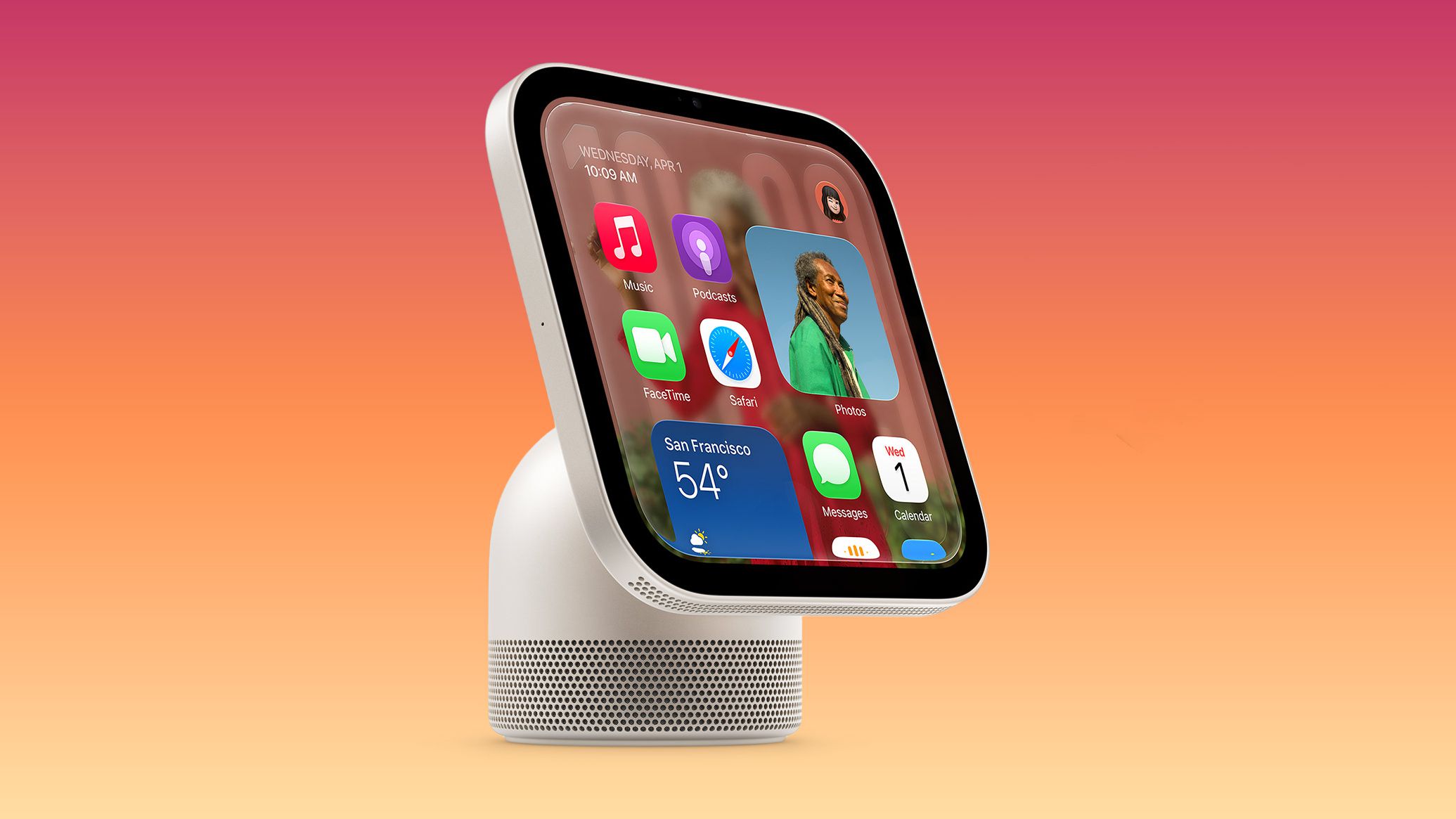
Apple has officially released HomeView Software 27.2, providing developers and the public with the first comprehensive look at the operating system that will power the highly anticipated HomeView smart home hub. Scheduled to hit shelves on November 13 with a retail price of $299, the HomeView represents Apple’s aggressive push into the dedicated smart home device category. Although Apple initially announced the 7-inch touch-enabled display earlier in October, this newly surfaced software update has exposed a wealth of previously unannounced interface details, system mechanics, and internal developmental hurdles that highlight the Cupertino tech giant’s multi-year journey to bring the product to market.
Unpacking the HomeView Software 27.2 Discoveries
The release of HomeView Software 27.2 has triggered a wave of analysis from developers and data miners who have virtualized the operating system to uncover its inner workings. Among the most prominent discoveries are the system’s personalization options, including 20 default wallpapers featuring a diverse palette of colors. While the HomeView hardware relies heavily on facial recognition to dynamically shift profiles, these vibrant wallpapers will adorn the primary user interface. Furthermore, software strings and developer previews shared online have confirmed that the device will support deep customization, including the ability for users to set personal photo wallpapers.
Face editing capabilities have also been brought to light. Developer Guilherme Rambo shared early insights into the HomeView’s face-editing interface, demonstrating how users can curate and modify designs for the device’s Lock Screen. Much like the Apple Watch, the HomeView is engineered to feel intensely personal while remaining accessible to multiple members of a household.
Further interface exploration reveals familiar Apple design paradigms. Upon initial startup, the device greets users with the iconic, minimalist "Hello" text. Setup animations uncovered by developers show a robust Control Center interface, confirming that quick settings will be easily accessible with a swipe or tap. Additionally, the HomeView fully supports both Light Mode and Dark Mode, equipped with native automation to seamlessly switch between themes depending on the time of day and ambient lighting conditions.
For fans of playful Apple UI elements, the operating system includes the beloved Snoopy face watch animations, ported over to offer dynamic, character-driven visual flair. However, beneath the familiar user-facing aesthetics lies a completely reimagined system architecture tailored specifically for stationary smart home displays.
Under the Hood: BreadBoard, CupBoard, and the Ghost of Software 26
While the HomeView interface shares visual similarities with iOS and iPadOS, its structural foundation is entirely unique. Unlike iOS, which relies on the SpringBoard launcher to manage the home screen and app icons, HomeView introduces a dedicated launcher environment appropriately named BreadBoard. Accompanying this is the Control Center process framework, designated internally as CupBoard. These nomenclature choices underscore Apple’s architectural separation of its smart home ecosystem from mobile and tablet operating systems.
Perhaps the most fascinating revelations buried within the HomeView Software 27.2 code are artifacts pointing to a delayed product timeline. Developers discovered graphical assets labeled "HomeView Software 26," suggesting that Apple originally intended to ship the smart home hub last year. Industry analysts have long speculated that the device’s rollout was postponed to allow Apple’s advanced Siri artificial intelligence features to mature. Additional code references indicate that engineers tested early iterations of the interface on sixth-generation iPad mini hardware before finalizing the dedicated custom hardware.
Background Context: The Evolution of Apple’s Smart Home Strategy
The path to the HomeView’s commercial release has been characterized by strategic shifts and persistent leaks. Rumors surrounding an Apple-branded home hub with a touch-enabled display intensified throughout 2025 and early 2026. Industry watchers, including Bloomberg’s Mark Gurman, frequently reported on Apple’s ambitions to unify fragmented smart home controls under a centralized, AI-driven appliance.
In mid-October 2026, Apple formally pulled back the curtain on the product during a targeted media experience. The company confirmed that the device would be named HomeView—sidestepping earlier community speculation that Apple might revive the "homeOS" branding nomenclature. Instead, Apple elected to keep the software designation straightforward, aligning with how it handles operating system naming conventions for accessories like the HomePod.
Senior Vice President of Worldwide Marketing Greg Joswiak emphasized the device’s dual nature during the initial product unveiling, positioning it as a communal household anchor that instantly adapts to individual users via facial recognition. Positioned at $299, the HomeView bridges the gap between basic audio-centric smart speakers and high-end home automation controllers.
Launch Timeline and Market Implications
The release of HomeView Software 27.2 serves as the final preparatory step ahead of the product’s official commercial debut. Consumers can currently pre-order the device directly through Apple’s online storefront. The hardware release is slated for November 13, arriving on shelves alongside the fourth-generation Apple TV 4K.
The simultaneous launch of the HomeView and the new Apple TV 4K signals a coordinated holiday season hardware offensive from Apple, aimed squarely at dominating living room entertainment and home automation. By integrating advanced Siri AI capabilities, facial recognition profile switching, and a dedicated software stack built on BreadBoard, Apple is attempting to solve the fragmentation issues that have historically plagued multi-user smart homes.
As the November 13 release date approaches, the early distribution of Software 27.2 ensures that the developer community can begin optimizing applications and services for the new platform. Whether consumers will embrace a dedicated $299 smart home hub remains to be seen, but the technical framework laid down by Apple indicates a robust, highly polished ecosystem ready for deployment.