Flipcorder Brings Retro Camcorder Nostalgia to Modern iPhone Photography and Videography

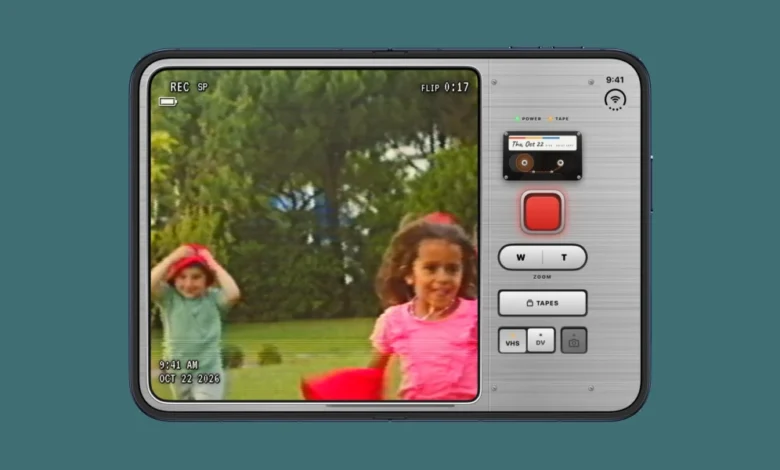
The evolution of mobile photography has largely been defined by the pursuit of clinical perfection—higher megapixel counts, increased dynamic range, and computational stabilization that renders every frame pristine. However, a growing movement in the consumer technology sector seeks to reverse this trend, prioritizing the aesthetic of imperfection. Flipcorder, a new application developed for the iOS ecosystem, represents the latest effort to bridge the gap between contemporary hardware capabilities and the tactile, nostalgic charm of 1990s-era camcorders. Designed to simulate the physical constraints of analog tape, the application forces users to rethink how they document their daily lives, moving away from infinite digital storage toward a curated, limited-capacity experience.
The Mechanics of Retro-Simulation
At its core, Flipcorder operates on a philosophy of "intentional limitation." While modern smartphone cameras are designed to capture unlimited hours of 4K video, the application mimics the functional constraints of a legacy handheld camcorder. Users are provided with a virtual "tape" that accommodates exactly 30 minutes of footage. This design choice is not merely cosmetic; it is intended to shift user behavior. By enforcing a 30-minute capacity, the application discourages the "record everything" mentality often associated with digital saturation, encouraging users to focus on shorter, more meaningful bursts of activity.
The application captures footage in 20-second increments. This specific interval is reminiscent of early home video setups, where the physical act of engaging the record button was a deliberate, conscious choice. By segmenting the day’s footage onto a single, cohesive tape, the application ensures that the final product feels less like a collection of disparate video files and more like a singular, chronological narrative.
Integration with Advanced Hardware
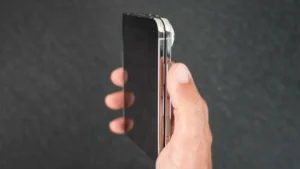
While Flipcorder is compatible with the broad spectrum of iPhone models running iOS 26 or later, it is specifically optimized for the iPhone Duo. This hardware integration allows for a sophisticated user interface that utilizes the device’s unique folding display architecture. When open, the larger internal screen provides an immersive viewfinder experience, complete with UI elements that emulate the tactile displays of 1990s-era Sony Handycam or JVC camcorder units.
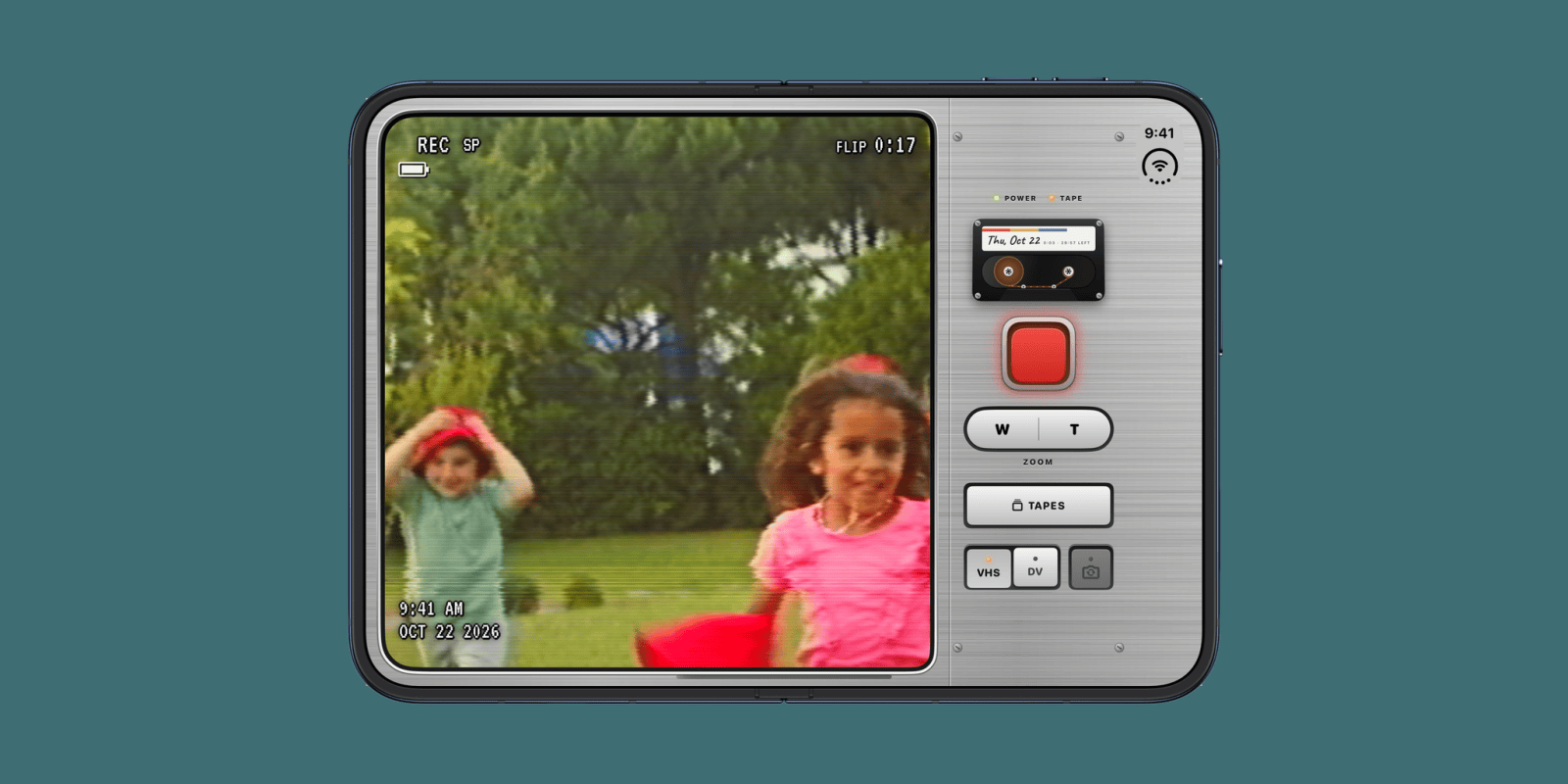
The software architecture allows for a hybrid approach to quality. While the interface and the final output are heavily stylized—offering aesthetic presets that mimic the distinct color profiles of VHS and MiniDV tapes—the application does not necessarily sacrifice raw resolution unless the user desires it. Users can choose to record in high-quality formats while simultaneously compiling that footage into the cassette-style container. This flexibility ensures that the application serves both the aesthetic enthusiast looking for authentic grain and color shift, and the modern creator who wishes to maintain high-fidelity source material.
The Rise of Aesthetic Nostalgia in Software
The emergence of applications like Flipcorder follows a broader technological trend known as "digital retro-futurism." Over the past five years, there has been a measurable shift in consumer preference toward platforms that offer "lo-fi" aesthetics. This trend is evidenced by the success of film-simulation apps, which have seen a steady increase in downloads.
Market analysis suggests that this shift is a reaction to the "perfect" nature of modern sensors. As smartphones reached a plateau in terms of objective image quality, developers found a new market segment: users who equate digital perfection with sterility. By introducing artificial limitations—such as grain, light leaks, and tracking errors—developers are providing users with tools to inject personality into their media.
Chronology of Development and Release
The development of Flipcorder was rooted in the demand for specialized video tools that bypass the complexities of professional-grade editing software.
- Phase 1 (Early 2026): Preliminary development focused on the emulation of tape-based artifacts, including the characteristic magnetic interference patterns and color bleeding associated with VHS technology.
- Phase 2 (Mid-2026): Integration with the iOS 26 API allowed for deeper access to the camera hardware, enabling the application to bypass standard compression algorithms that usually clean up "imperfections."
- Phase 3 (Late 2026): Beta testing was conducted specifically on the iPhone Duo platform to ensure that the user interface layout did not cause latency during high-frame-rate recording sessions.
- Official Release (October 2026): The application launched on the Apple App Store as a one-time purchase model, explicitly avoiding the subscription-based fatigue that has permeated the mobile app market in recent years.
Industry Implications and User Adoption
The pricing model of Flipcorder is noteworthy in an era dominated by monthly recurring revenue models. By opting for a one-time purchase price of $4.99, the developers have positioned the app as a "utility tool" rather than a service. This approach has historically garnered favor among power users who prefer ownership over access.

From a sociological perspective, the adoption of such apps reflects a growing desire for "slow technology." The 30-minute limit on the virtual tape forces a degree of curation. Unlike standard video galleries that become bloated with thousands of unorganized clips, the Flipcorder workflow creates a "finished product" that is ready for consumption. This reduces the cognitive load on the user, who no longer needs to spend hours editing or sorting through footage to find the "best moments."
Technical Analysis of the Output
The visual style provided by the application is not merely a filter applied post-capture; it is a real-time rendering process. By processing the image feed through a series of algorithmic "degradations," the app preserves the cadence of movement associated with older interlaced video formats. For the average user, the distinction between a real analog tape and the app’s output is becoming increasingly difficult to perceive. This is due to the advanced GPU acceleration in modern mobile processors, which allows for complex emulation of scan lines, magnetic tracking noise, and chroma shift without dropping frames.
Broader Impact on Digital Archives
The implications for personal digital archiving are significant. As individuals move away from high-bitrate, high-storage video formats, the trend toward "curated memory" could change how future generations view the 2020s. If users transition from recording hours of raw, unedited footage to shorter, edited-in-camera snippets, the "digital footprint" of the decade may ironically become more focused and narrative-driven than the preceding years of mass-video capture.
Furthermore, the integration with the iPhone Duo highlights the importance of hardware-specific software design. As foldable and dual-screen devices become more common, the role of "second screen" interfaces—where the hardware itself dictates the UI flow—will likely become a standard expectation for creative apps. Flipcorder’s success in this area serves as a case study for how developers can utilize unique hardware features to enhance the user experience beyond mere gimmickry.
Conclusion
Flipcorder does not attempt to replace the primary camera application on the iPhone. Instead, it offers a specialized alternative for those who view video capture as an artistic endeavor rather than a documentation task. By combining the constraints of analog media with the computational power of modern mobile devices, the application provides a unique bridge between the past and the present. Its commitment to a one-time purchase model, coupled with its focus on user-centric limitations, makes it a significant entry in the current landscape of indie development. As mobile technology continues to advance, the demand for tools that prioritize human experience over technical metrics is expected to grow, cementing the role of apps that offer a "retro" perspective in a high-definition world.