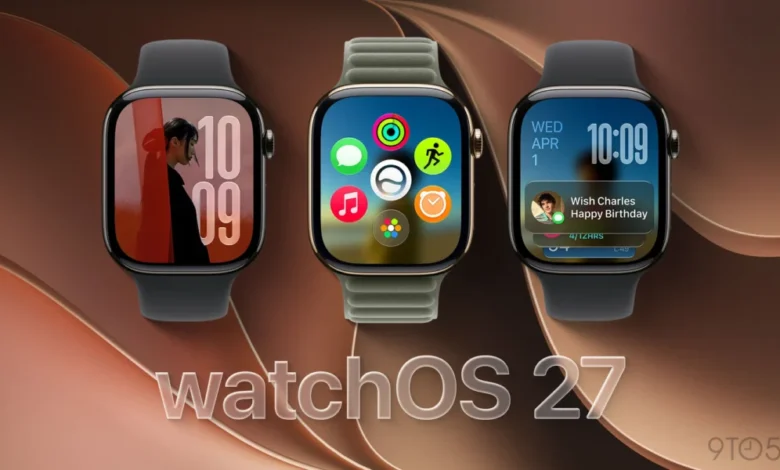
Following an initial, limited release last week specifically for the Apple Watch Series 12 and the Apple Watch Ultra 4, Apple has now pushed the watchOS 27.0.1 software update to the wider install base of its wearable ecosystem. This move marks the completion of the rollout for the latest version of the operating system, which is intended to resolve a persistent bug that caused some units to reboot without warning.
A Chronology of the watchOS 27.0.1 Rollout
The emergence of the stability issue prompted a swift response from Apple’s engineering teams. Reports from users regarding sporadic, unprompted reboots began circulating shortly after the major release of watchOS 27, primarily affecting the latest high-end hardware.
On September 23, 2026, Apple issued the first iteration of watchOS 27.0.1. At that stage, the deployment was highly targeted, focusing exclusively on the Apple Watch Series 12 and the Apple Watch Ultra 4. By limiting the initial release, the company was able to verify the efficacy of the fix in a controlled environment before deploying it to the millions of older watches still in active service.
Today, September 28, 2026, the company officially moved to the second phase of its distribution strategy, making the 24R365 build available to all devices that support the watchOS 27 environment. This includes a broad range of legacy devices, ensuring that users across the Apple Watch hardware lifecycle can benefit from the improved system reliability.
Understanding the Technical Scope of the Update
The release notes for watchOS 27.0.1 remain concise, reflecting the singular focus of this update. Apple has explicitly stated that the update provides necessary bug fixes, specifically addressing the aforementioned issue where an Apple Watch may restart unexpectedly.
From a technical standpoint, the maintenance update carries the build number 24R365. The consistency of this build number across all device models suggests that the patch is universal in its architecture, rather than hardware-specific. By standardizing the build across the entire lineup, Apple minimizes the risk of fragmentation, ensuring that the same code integrity is maintained regardless of whether the user is wearing the latest Ultra model or a device from a previous generation.
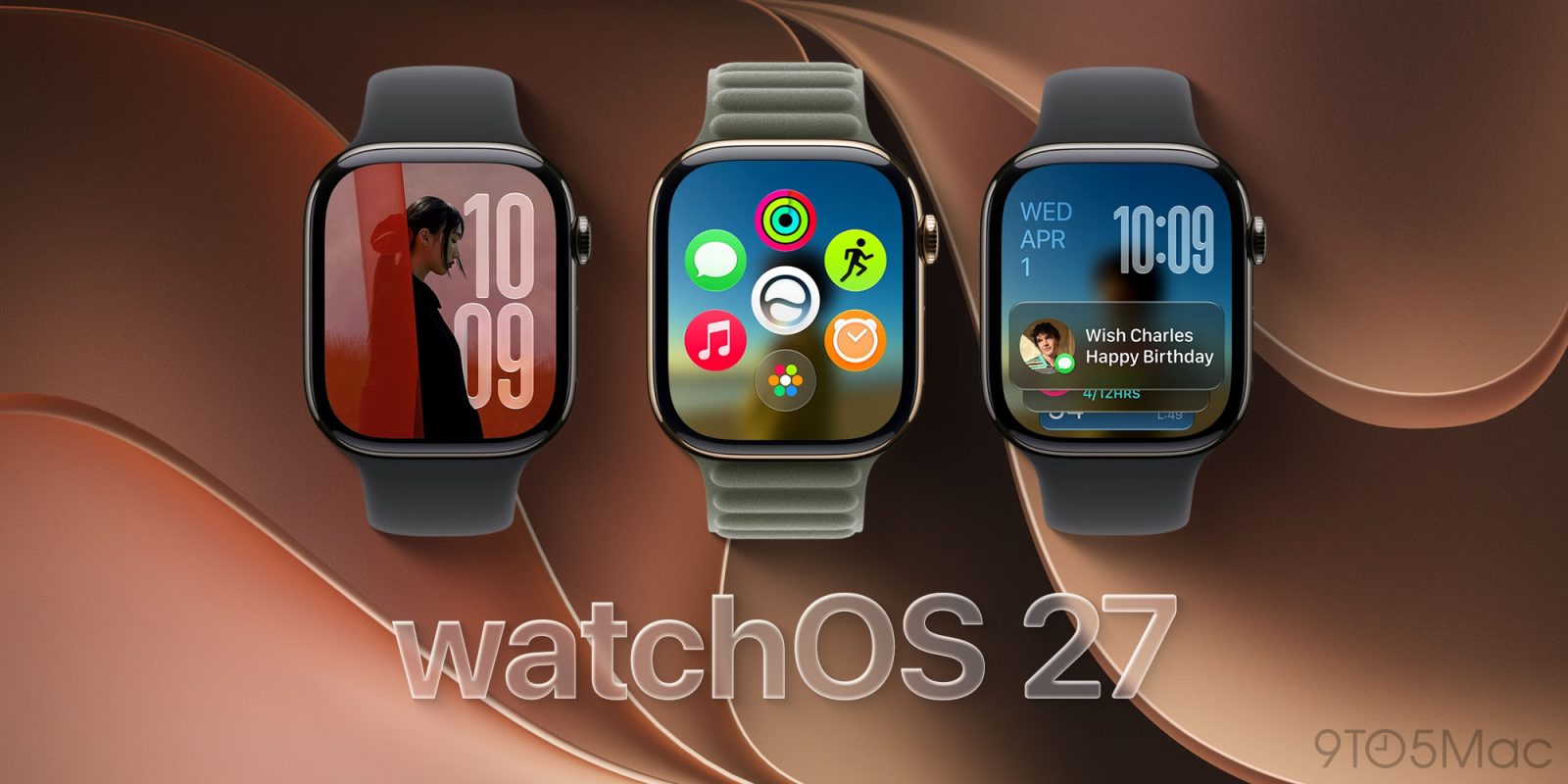
While Apple has not disclosed the root cause of the unexpected restarts, industry analysts suggest that such issues are typically linked to kernel panics or memory management conflicts that arise during the integration of new health-tracking background processes. By refining the power management protocols within watchOS 27.0.1, Apple aims to restore the battery efficiency and system responsiveness that users have come to expect.
A Broader Ecosystem Maintenance Cycle
The update to watchOS 27.0.1 does not exist in a vacuum; it is part of a wider, synchronized maintenance release across the Apple software ecosystem. Today’s rollout coincided with a suite of updates for other platforms, including iOS 27.0.1, iPadOS 27.0.1, and visionOS 27.0.1. Furthermore, the company released legacy support patches, such as iOS 26.7.1 and macOS Sequoia 15.8.1, demonstrating a commitment to securing devices that have not yet moved to the latest major software versions.
The simultaneous nature of these updates suggests a coordinated effort to address cross-platform security vulnerabilities and system-level bugs. For instance, the release of iOS 27.0.1 specifically targeted an issue involving Face ID on the iPhone 18 Pro, which, like the Apple Watch restart issue, speaks to a broader initiative to stabilize the performance of Apple’s most recent hardware releases.
Implications for the Apple Watch User Base
For the average consumer, the immediate impact of this update is a more reliable, consistent device experience. Unexpected restarts are particularly disruptive on wearable technology, as they often interrupt health data tracking—such as heart rate variability, blood oxygen monitoring, and sleep tracking—which requires continuous, uninterrupted operation.
Furthermore, the expansion of this update to older models is a signal of Apple’s long-term software support strategy. By ensuring that legacy devices receive the same stability patches as the latest hardware, the company maintains its value proposition of device longevity. While some users may be hesitant to update their devices immediately, the inclusion of "bug fixes and security improvements" in these releases generally renders them essential for maintaining optimal performance and device security.
How to Install watchOS 27.0.1
To install the latest update, users should ensure their Apple Watch has at least 50% battery life and is placed on its charger. The update can be initiated through the "Watch" application on the paired iPhone by navigating to General > Software Update. Alternatively, users can update directly from the settings menu on the watch itself, provided it is connected to a stable Wi-Fi network.
Apple recommends that all users initiate this update as soon as possible to mitigate the risk of data loss or service interruption caused by the identified bug.

Analysis of Apple’s Software Development Lifecycle
The cadence of this release cycle offers insight into Apple’s current development philosophy. In recent years, the company has increasingly prioritized "zero-day" or rapid-response patches following major OS launches. The shift from the massive, singular releases of the past to a more modular, iterative update schedule allows the company to address issues as they arise in the field rather than waiting for scheduled quarterly maintenance.
This "Golden Gate" release philosophy—exemplified by the simultaneous launch of macOS 27.0.1 Golden Gate—suggests that Apple is managing a highly complex internal development environment. As the complexity of its hardware lineup increases, so too does the need for granular software control. The fact that the Apple Watch Series 12 and Ultra 4 were prioritized suggests that the company is utilizing telemetry data from its newest devices to identify and triage bugs more effectively than ever before.
Looking Ahead: Stability as a Feature
While the feature sets of watchOS 27 garner the most public attention, the success of a platform is ultimately measured by its stability. In a market where smartwatches are becoming central to personal health management and digital identity, the tolerance for software failure is incredibly low.
By addressing these restarts in such a prompt and transparent manner, Apple is reinforcing the trust necessary for users to rely on their watches for critical functions. As the company continues to integrate more complex AI-driven health metrics and third-party app integrations into watchOS, the ability to rapidly deploy stability patches will remain a cornerstone of its competitive advantage.
For now, the focus for the Apple Watch community shifts back to the performance improvements promised by the 27.0.1 build. As users begin to install the update across the global install base, the tech community will be watching to see if this effectively resolves the reports of instability, marking the end of one of the first major technical hurdles of the watchOS 27 era.
The successful distribution of this update serves as a reminder of the vital importance of the invisible infrastructure that keeps the modern digital world functioning. While the average user may not notice the nuances of a kernel patch or a power management fix, the seamless operation of their devices depends entirely on this meticulous cycle of maintenance, testing, and deployment. As Apple continues to iterate, the priority will likely remain on balancing the introduction of innovative features with the absolute necessity of a rock-solid, reliable user experience.