The Evolution of Custom AI at Google
The journey of custom AI at Google has been characterized by rapid iteration. When Google first launched Gems, the objective was clear: provide users with a way to "program" the behavior, tone, and knowledge base of their AI assistant. Users could designate specific files for context, set default tool behaviors like image generation or Canvas editing, and even share their creations via unique links. This functionality placed Google in direct competition with OpenAI’s "GPTs," which similarly allow for specialized agent creation.
However, the user experience of Gems was often described as siloed. To access a custom Gem, users were required to navigate to a side panel, locate the "My Gems" section, and scroll through their library. This process, while functional, created a barrier to seamless integration within a natural conversational flow.
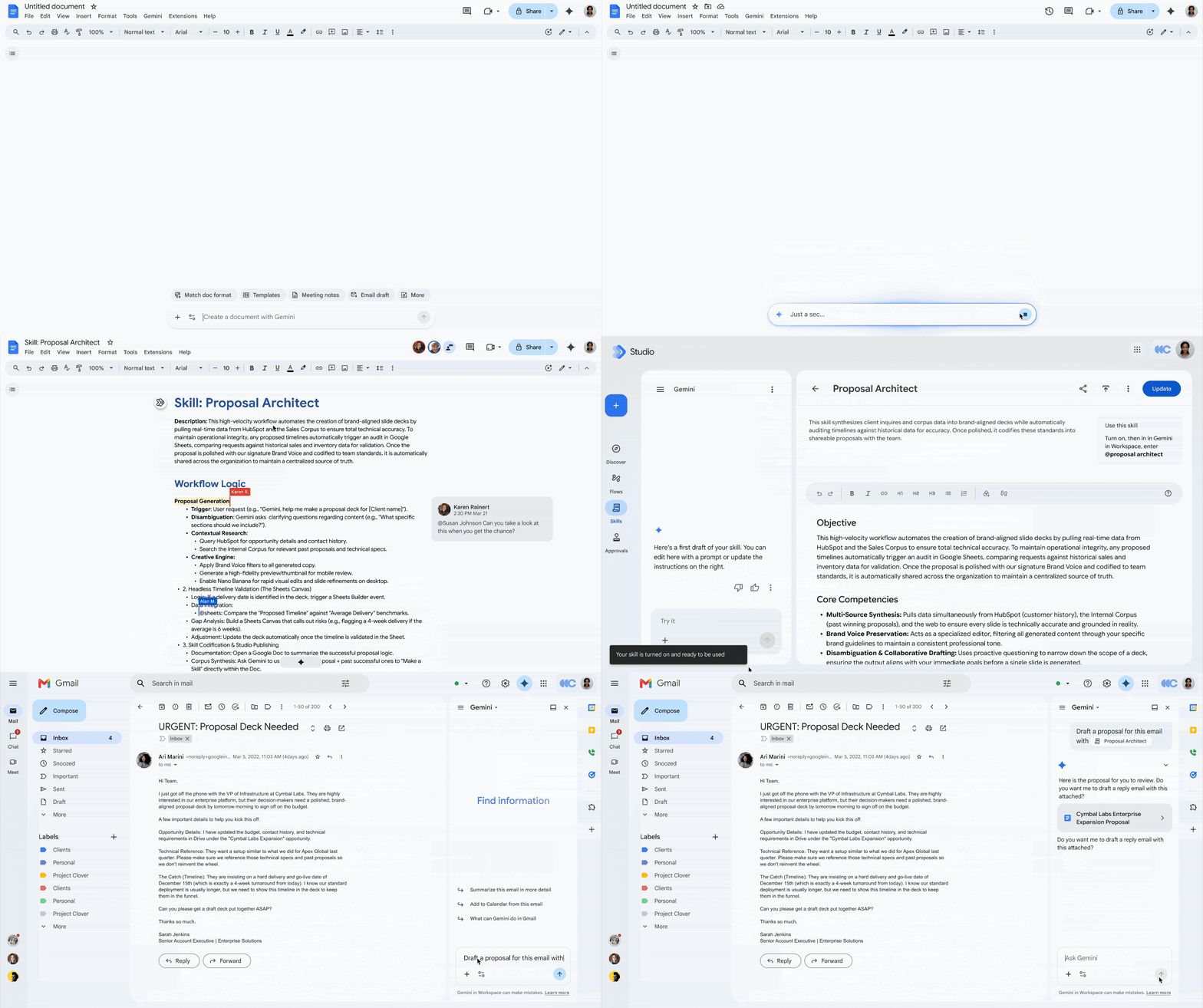
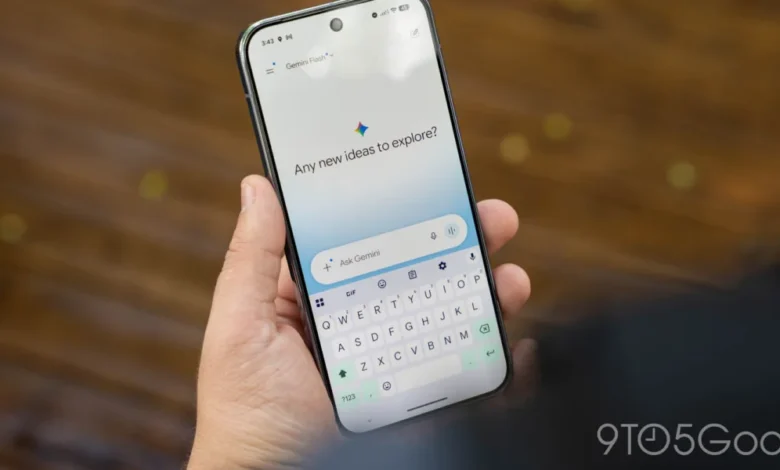
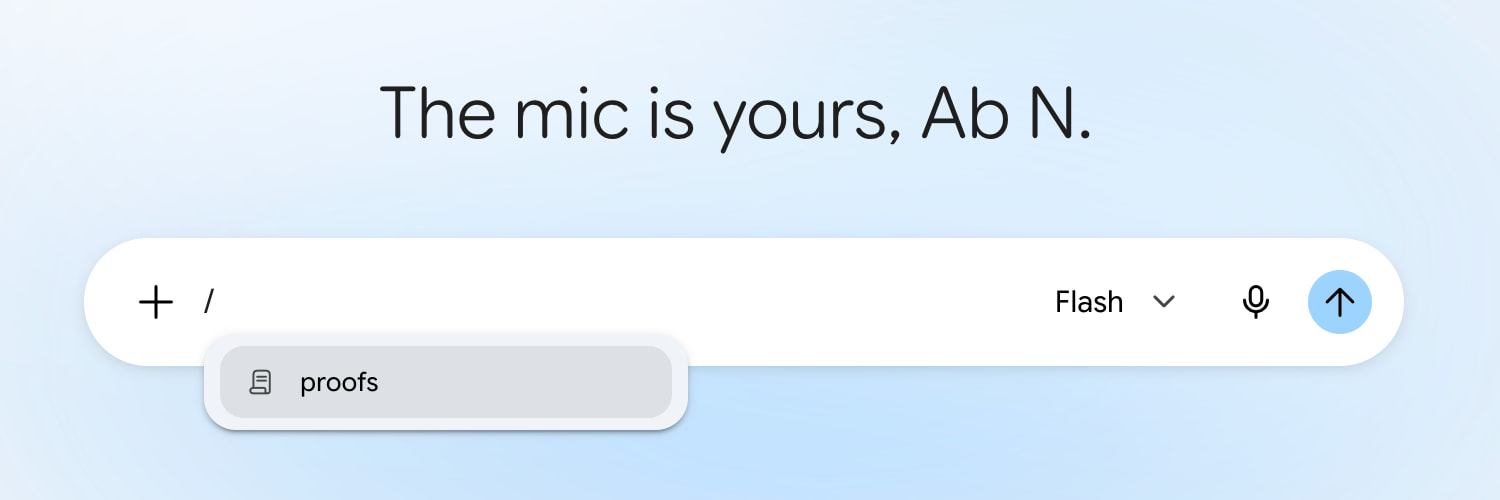
The shift to "Skills" represents a fundamental change in the UI/UX architecture. By moving from a static library model to an invocation-based model, Google is prioritizing efficiency and multitasking. With the new system, users can trigger specific skills directly within the main chat interface by typing a forward slash (/). This allows for the chaining of multiple skills in a single prompt, a capability that was notably absent in the earlier Gems implementation.
Chronology of the Transition
The phase-out of Gems is not immediate, providing a transition window for users who have heavily invested in building out their custom instructions. The following timeline outlines the shift:
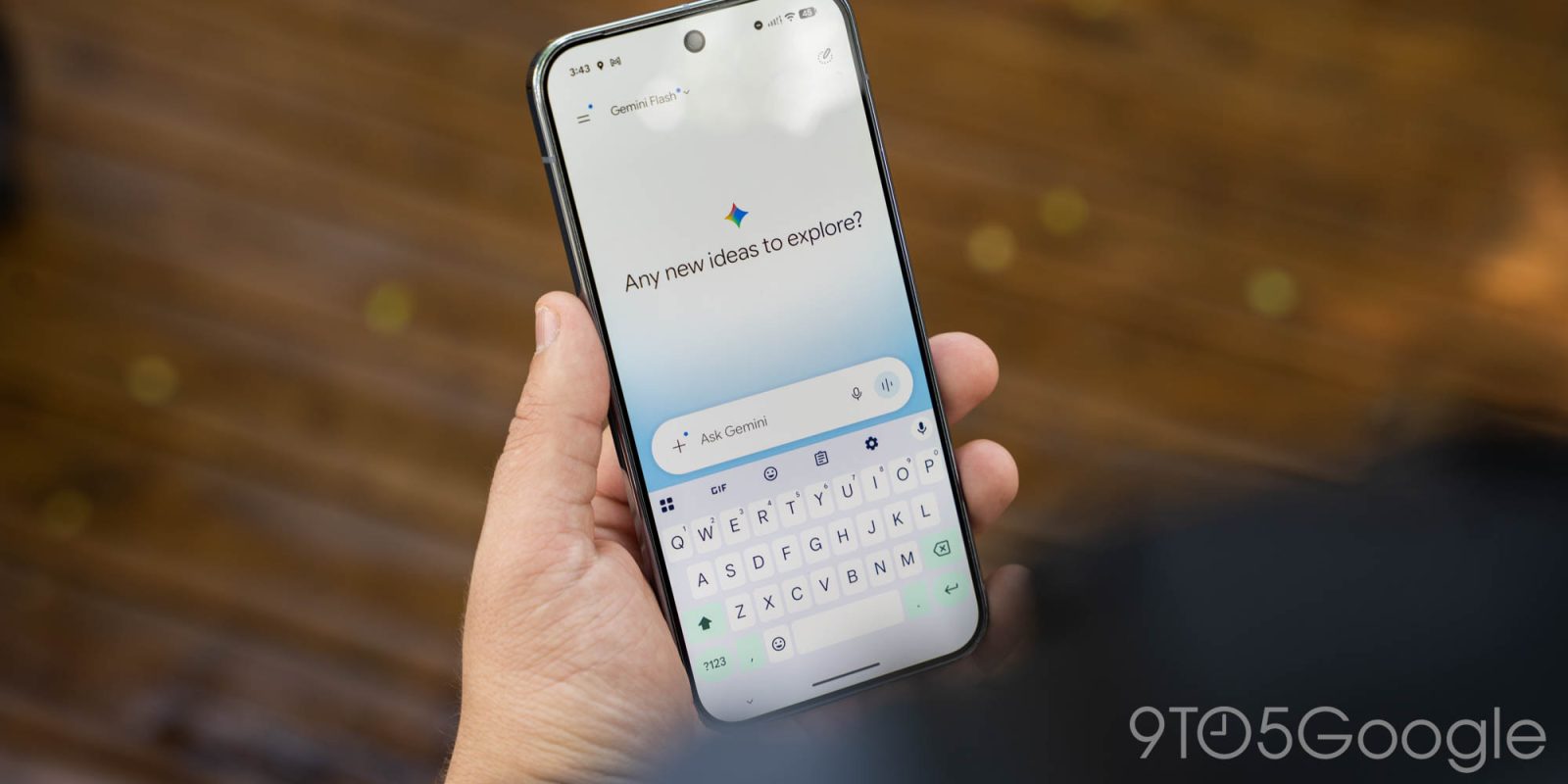
- 2024: Introduction of Gems as a feature for personalized Gemini agents.
- Late 2026: Introduction of Gemini Spark and the "Skills" framework.
- November 17, 2026: Official start date for the automated migration of Gems to Skills.
- Post-November 2026: Full decommissioning of the Gems interface and transition to the Skills-first architecture.
Google has stated that users will retain access to their existing Gems until the migration process begins. Once the transition is triggered, the underlying instructions and context provided by users for their Gems will be ported over to the Skills infrastructure, ensuring that the labor of prompt engineering is not lost in the update.
Technical Differences and User Benefits
While both Gems and Skills serve the high-level purpose of providing custom instructions to an LLM, the operational differences are significant. Gems functioned as distinct "environments." If a user wanted to shift from a coding task to a creative writing task, they often had to switch between different Gems, effectively resetting their conversational context.
Skills, by contrast, are designed to be modular. Because they are invoked via slash commands within the main chat interface, a user could theoretically call upon a "Data Analysis Skill," a "Writing Assistant Skill," and an "Image Generation Skill" within the same chat session. This shift suggests that Google is moving toward an agentic architecture where AI is treated as a toolbox of specialized functions rather than a series of disparate "personalities."
For Google AI Pro and AI Ultra subscribers, the transition is already visible within the Gemini Spark environment. Early adopters testing the new infrastructure report that the ability to call skills on-the-fly reduces the friction of context switching. However, as of late 2026, some of the supporting documentation, including the "Learn more" help articles and the "Create skills" buttons, are still in a state of flux, suggesting that the rollout is currently in a pre-release or early-access phase.
Broader Implications for the AI Ecosystem
The pivot from Gems to Skills mirrors a broader industry trend toward "AI Agents" that can perform actions rather than just generating text. By making skills more accessible and stackable, Google is attempting to lower the cognitive load required to use complex AI tools.
From a strategic perspective, this move indicates that Google is prioritizing the "Gemini Spark" brand as the primary interface for power users. By consolidating the user experience into a single, highly interactive chat box, Google is aiming to retain users who might otherwise be tempted to move to platforms that offer more fluid agentic workflows.
Furthermore, the automation of the migration process is a crucial step in maintaining user loyalty. In the past, platform updates that required manual rebuilding of custom AI agents often led to user churn. By handling the heavy lifting of migration on the backend, Google is mitigating the risk of losing the personalized data that users have spent months refining.
Addressing Potential Challenges
Despite the clear benefits of the Skills architecture, the transition is not without challenges. The primary concern among long-time users of Gems is the potential loss of "state" or "behavior" during the conversion. If the migration process does not perfectly capture the nuance of a user’s original custom instructions—particularly regarding specific file associations or unique formatting constraints—it may lead to a period of recalibration for the user.
Additionally, the reliance on the slash-command interface may present a learning curve for less tech-savvy users who were accustomed to the visual, icon-based selection of Gems. Google will likely need to bolster its support resources and provide comprehensive tutorials to ensure that the user base understands the new syntax and the power of stacking multiple skills.
Economic and Market Context
The integration of Skills into the paid tiers (Gemini Pro and Ultra) underscores the premium nature of these tools. As AI becomes a commodity, the value proposition shifts from the underlying model to the ecosystem of tools built on top of it. By refining the way users interact with these agents, Google is attempting to increase the "stickiness" of its subscription services.

The FTC disclosure regarding affiliate links at the end of the original documentation serves as a reminder that the AI tool landscape is also a significant revenue driver for technology publishers and developers alike. The competition to provide the most efficient interface for custom AI is intense, and this transition is a clear signal that Google is not resting on the laurels of its initial 2024 product roadmap.
Future Outlook
As of November 2026, the industry is closely watching how Google handles the migration. If the transition is seamless, it will solidify the "Skills" framework as the standard for custom AI interaction. Should there be technical hiccups, it may invite criticism regarding the stability of Google’s AI developer tools.
Ultimately, the move to Skills is an admission that while the "persona" model (Gems) was a successful proof of concept, the future of productivity lies in modularity. By moving away from rigid, standalone AI personalities and toward a flexible, command-based skill set, Google is betting that the power of AI lies in its ability to adapt instantly to the changing needs of the user, rather than forcing the user to adapt to the constraints of a pre-defined assistant. As the November 17 deadline approaches, both casual users and developers will be eager to see if the reality of the Skills architecture matches the efficiency promised by the design.