Meta Ray-Ban Display Smart Glasses One Year Later: A Groundbreaking Milestone Stymied by Ecosystem Limitations


One year after their initial commercial rollout following Meta Connect, the Meta Ray-Ban Display smart glasses continue to occupy a unique and complex space within the wearable technology sector. Retailing at $799, these advanced augmented reality (AR) wearables build upon the foundation laid by previous non-display iterations from Ray-Ban and Oakley, introducing a discrete, full-color monocular display housed exclusively within the right lens. While industry analysts and consumers alike have praised the hardware’s aesthetic normalcy, cutting-edge waveguide optics, and the revolutionary Neural Band input device, the platform’s long-term viability remains bottlenecked by a sparse developer ecosystem and limited software utility.

Background Context and Chronological Development
The trajectory of the Meta Ray-Ban Display glasses traces back to Meta’s ongoing multi-year research and development initiative into lightweight augmented reality. Two years prior to the commercial launch, technology reviewers were given exclusive hands-on access to Meta’s prototype Orion glasses. That prototype established that consumer-grade AR without massive compromises was technically feasible, though not yet ready for mass production.
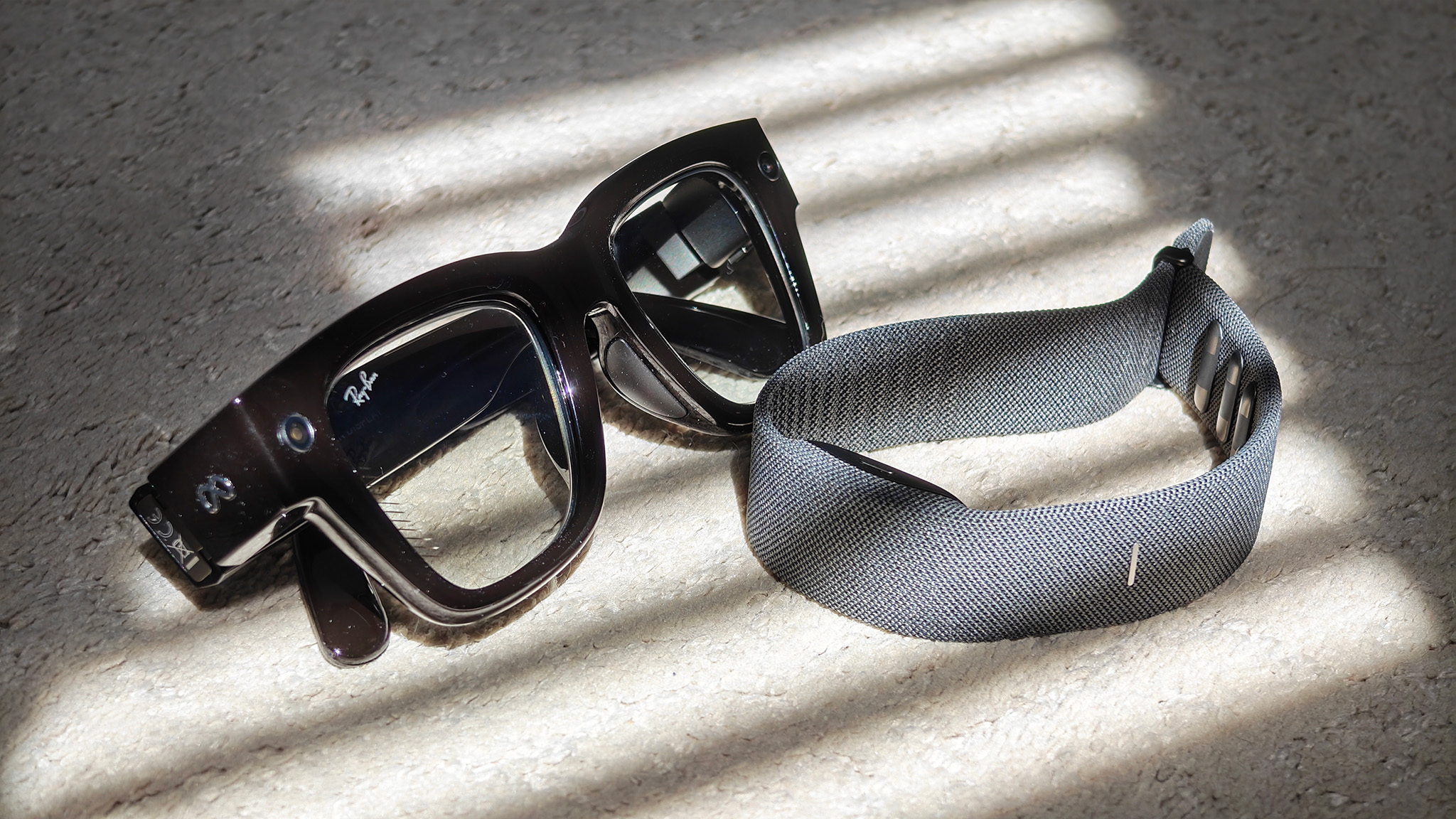
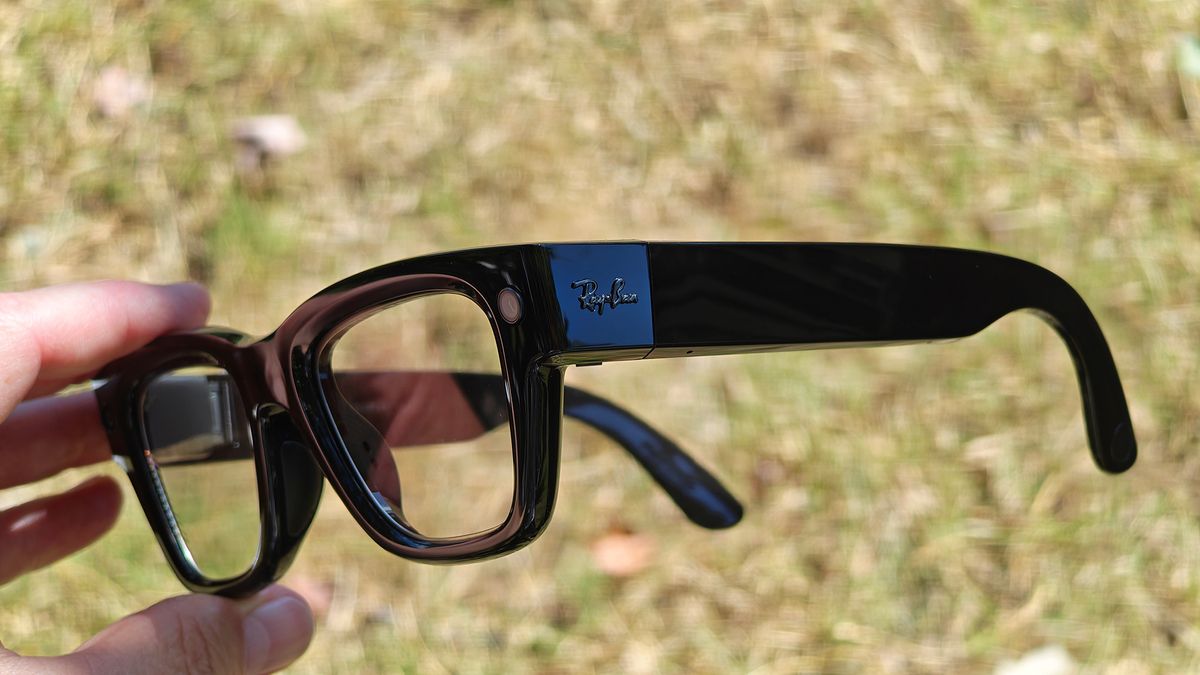
Recognizing the manufacturing and pricing hurdles associated with full-field-of-view binocular AR glasses, Meta pivoted toward a more pragmatic interim product. At the Meta Connect conference in September, the company debuted the Ray-Ban Display smart glasses. By restricting the digital display to a single lens, engineers successfully reduced overall facial weight, minimized power consumption, and maintained a stylish, thick-framed aesthetic that closely mimics traditional eyewear.
Upon release, the device was widely characterized as a beta-stage product. Critical software capabilities—most notably the handwriting recognition feature demonstrated on stage by Meta CEO Mark Zuckerberg—were absent at launch. Over the subsequent twelve months, however, Meta deployed a series of robust firmware and software updates, introducing the promised handwriting features alongside experimental third-party app integration managed through a beta user-interface panel within the Meta AI smartphone application.
Hardware Engineering and Optical Innovation
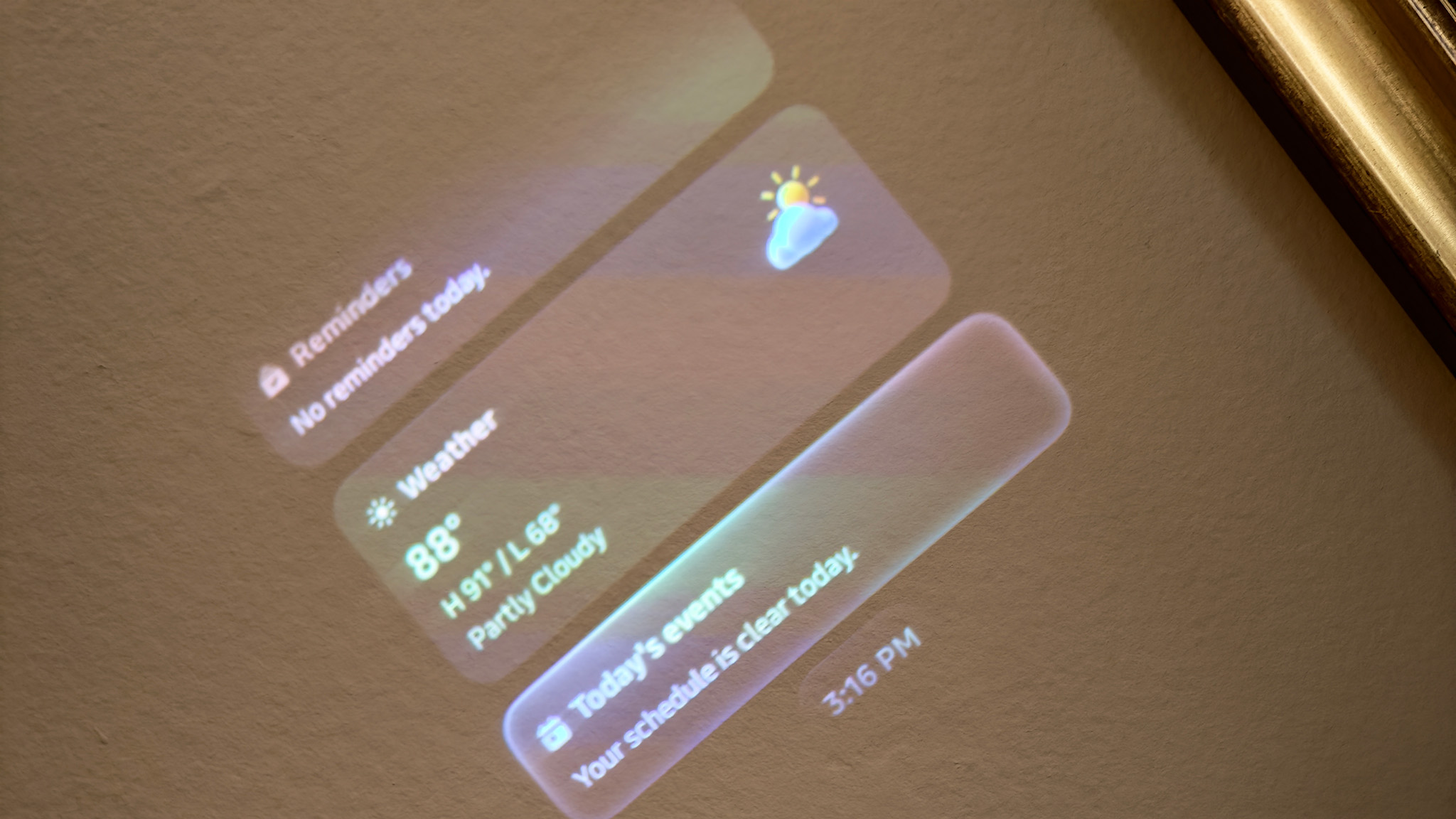
The engineering philosophy behind the Meta Ray-Ban Display centers on striking a balance between utility and discretion. Manufactured in partnership with specialized optics firms such as Lumus, the waveguide displays are engineered for high brightness and strict privacy. Even under direct, glaring sunlight, the monocular interface remains exceptionally clear, while external observers cannot view the projected contents on the lens, regardless of their proximity.
Compared to competing monocular and binocular smart glasses on the market—such as the Even Realities G2 or the MemoMind One—Meta’s hardware largely avoids common optical drawbacks like image warping and light bleed. Furthermore, the device expands upon the audiovisual capabilities of the earlier Ray-Ban Meta Gen 2 glasses. It incorporates high-fidelity directional speakers, sensitive microphones, and an upgraded camera system that permits optical zooming directly through the digital viewfinder—a functionality previously restricted on non-display variants.
Navigation, notification management, music playback, and messaging are integrated seamlessly into the user’s field of vision. Fitness enthusiasts can also sync the glasses directly with prominent athletic tracking platforms like Garmin and Strava, transforming the eyewear into a heads-up performance monitor.
The Neural Band: Revolutionizing Wearable Input
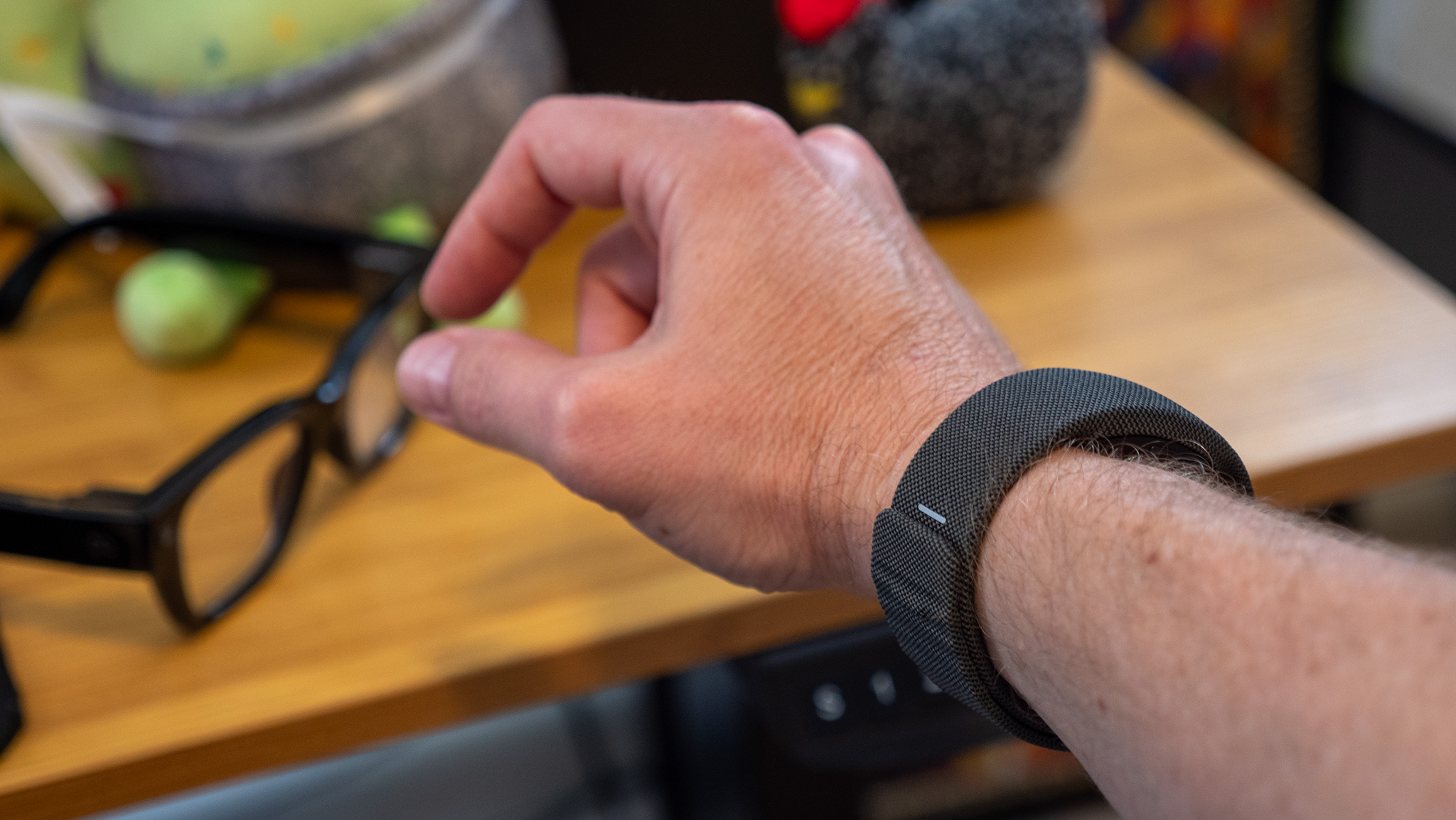
Perhaps the most technologically significant component bundled with the Ray-Ban Display is the Neural Band. Serving as the primary mechanism for interacting with the floating user interface, the band captures electromyographic signals and subtle muscle movements from the user’s wrist.
This input method allows wearers to navigate menus, adjust audio levels using virtual rotary dials, and respond to text messages via handwriting gestures without raising their hands into the air or making awkward public gestures. Haptic feedback reinforces each interaction, establishing a tactile anchor that mimics the responsiveness of a physical touchscreen.
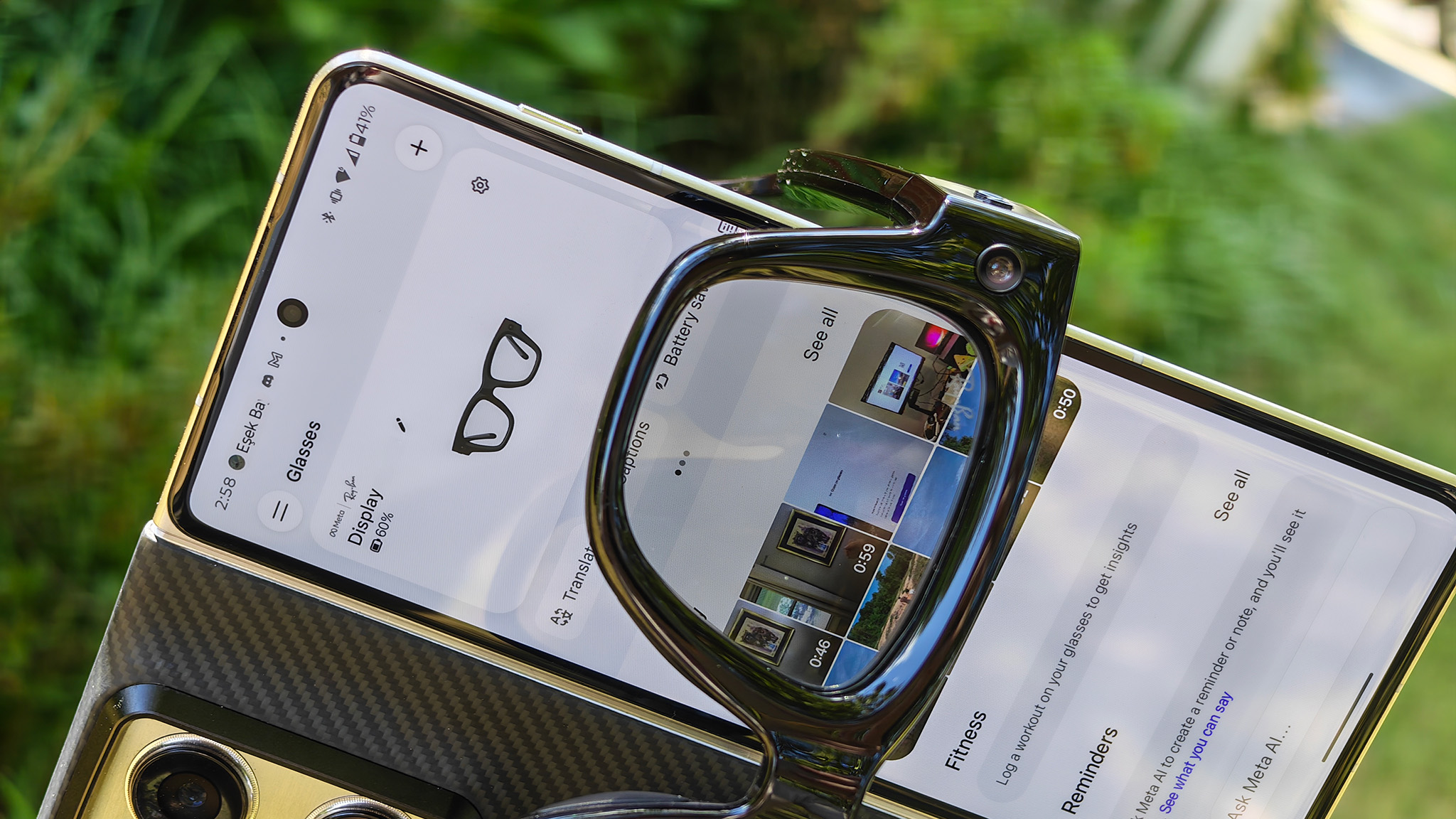
Despite its technological brilliance, the Neural Band introduces logistical challenges familiar to the smartwatch industry. The accessory requires daily recharging via a proprietary proprietary cable. Industry observers note that the reliance on a non-standard charging mechanism poses a minor inconvenience; misplacing the specialized cable temporarily renders the primary interface of the glasses unusable until a replacement is sourced.
Ecosystem Limitations and Developer Challenges
Despite aggressive hardware iteration and consistent software support from Meta, the Ray-Ban Display faces a persistent systemic hurdle: third-party software adoption. One year into its lifecycle, the platform hosts a mere 26 dedicated applications accessible via the official Meta Glasses Apps directory.
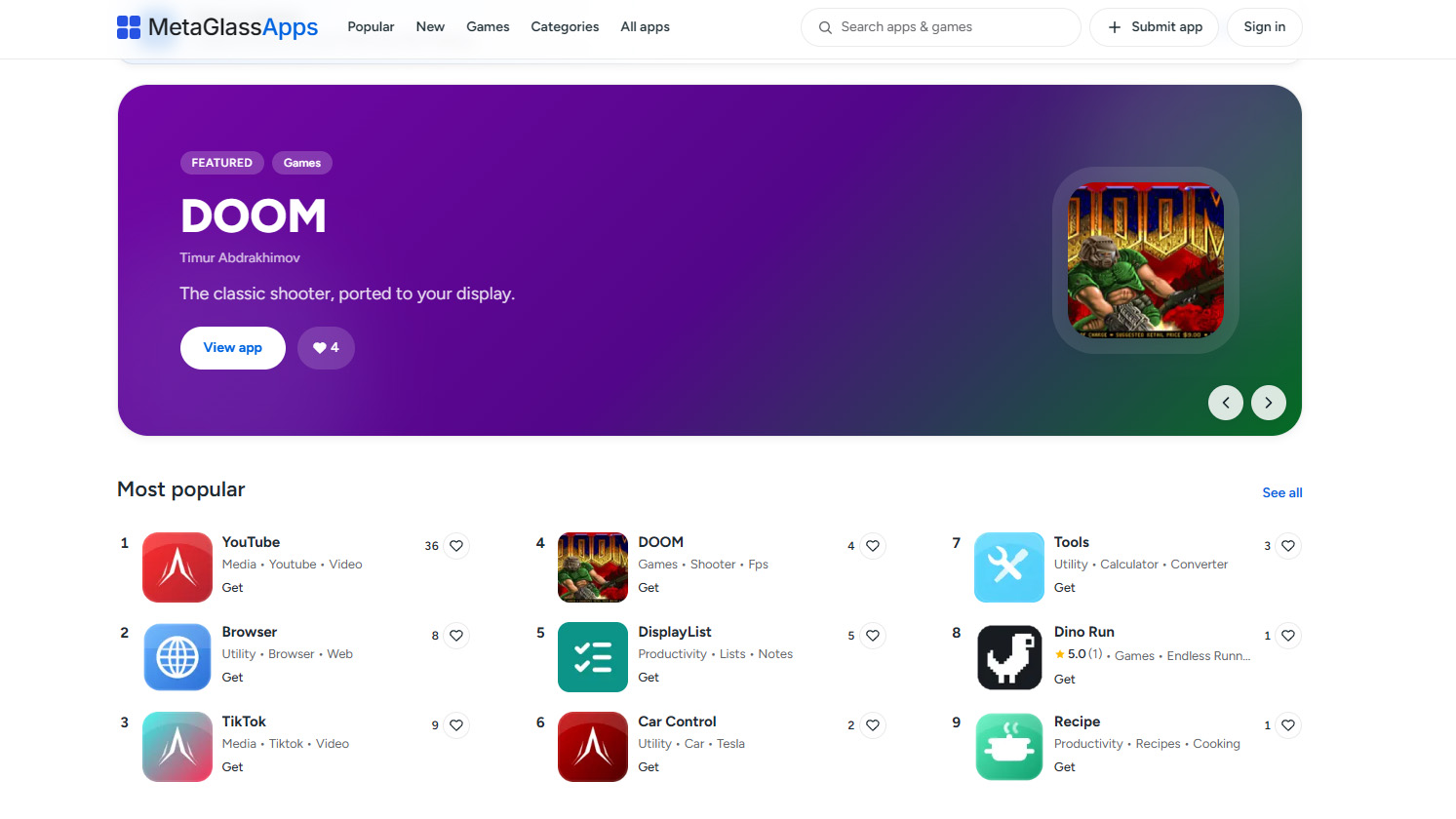
This friction mirrors historical challenges Meta encountered when attempting to court developers for the 2D application storefronts on its Quest virtual and mixed reality headsets. While Meta has demonstrated an unmatched capacity to refine hardware and deliver consistent firmware updates, convincing independent software creators to allocate resources toward a nascent, monocular smart glasses ecosystem remains an uphill battle.
Furthermore, the physical reality of monocular vision presents ergonomic challenges. While reading text or viewing notifications briefly is efficient, utilizing the display for media-heavy consumption—such as scrolling through image-heavy feeds or watching videos—can induce visual fatigue over extended periods.
Market Implications and Outlook
Priced at $799, the Meta Ray-Ban Display glasses occupy a challenging middle tier in the consumer electronics landscape. They are twice as expensive as standard, non-display AI smart glasses, raising questions regarding value proposition for the average consumer.
Technology analysts suggest that while the device is unlikely to achieve mainstream adoption in its current state, it serves as a critical proof-of-concept and stepping stone. The optical architecture, privacy-focused waveguides, and electromyographic neural controls established by Meta provide a viable blueprint for future generations of smart eyewear. Lighter frames, extended battery life, and broader developer backing will ultimately dictate whether augmented reality glasses can transition from a niche gadget for early adopters into an indispensable everyday computing platform.