The maintenance of a vehicle’s tire assembly is a fundamental aspect of automotive safety, yet many drivers remain uncertain about the logistical requirements of a full tire replacement. While the process is a routine service at most professional garages, the duration of the procedure can vary significantly based on vehicle type, equipment availability, and the specific condition of the wheels. On average, a professional tire shop can replace all four tires in approximately 45 to 60 minutes. However, this window is subject to variables that can extend the service time to two hours or more in complex scenarios.
Understanding the time commitment involved is critical for vehicle owners who must balance their daily schedules with essential automotive upkeep. Tires serve as the primary interface between a vehicle and the road, directly influencing braking distance, handling precision, and overall fuel efficiency. As such, ignoring the warning signs of degradation—such as uneven tread wear, structural bulges, or sidewall dry rot—is a significant risk factor for mechanical failure or road accidents.
The Anatomy of a Tire Replacement Service
To understand why the process takes the time it does, one must look at the specific steps involved in a professional installation. A standard tire service is not merely a "remove and replace" task; it is a multi-stage technical process.
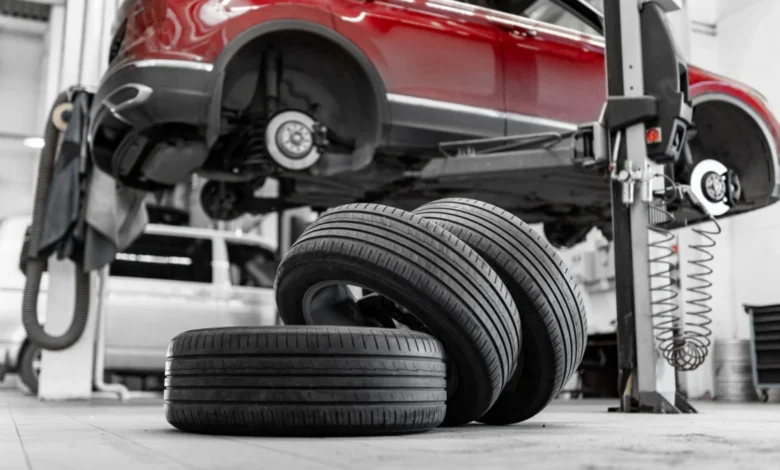
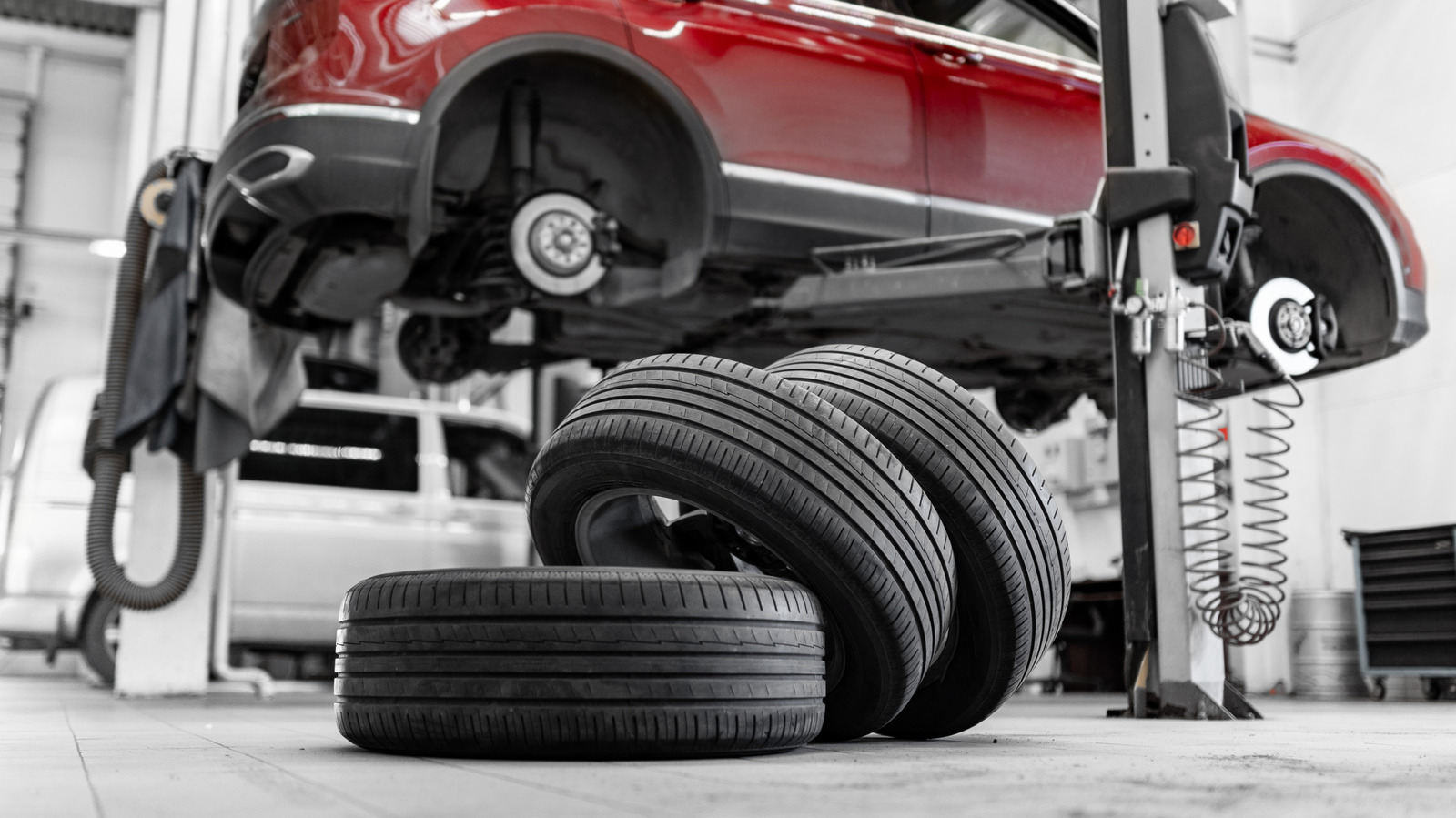
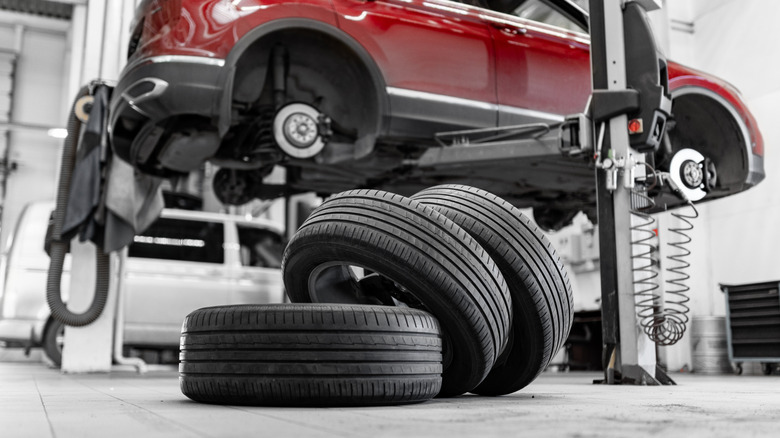
When a vehicle enters a service bay, the initial step involves lifting the car using a professional-grade hydraulic hoist. This allows the technician to remove all four wheel assemblies simultaneously. Once the wheels are removed, the technician must deflate the old tires and break the "bead"—the seal between the tire and the rim. Using a specialized tire mounting machine, the old tire is extracted.
Crucially, the technician then inspects the metal wheel rim for signs of corrosion, oxidation, or structural damage. If the rim is compromised, the new tire will not seat properly, leading to potential air leaks. If the rim is in good condition, the new tire is mounted, inflated to the manufacturer’s specified PSI (pounds per square inch), and then moved to a balancing machine.
Balancing is a non-negotiable step in the process. It involves placing small lead or composite weights on the rim to ensure that the tire’s mass is distributed evenly. Unbalanced tires can cause high-speed vibrations, which, if left unaddressed, will accelerate wear on the vehicle’s suspension components, including ball joints and tie-rod ends. Finally, the wheels are torqued back onto the vehicle’s hub using a calibrated torque wrench to ensure the lug nuts are tightened to the manufacturer’s exact specifications.
Factors Influencing Service Duration
While 45 to 60 minutes is the industry standard for a passenger car, several variables can alter this timeline.
Vehicle Classification: The physical size and configuration of a vehicle significantly dictate the time required. A compact sedan with 15-inch wheels is far quicker to service than a heavy-duty truck or a luxury SUV equipped with 22-inch low-profile tires. Large-diameter, low-profile tires require specialized equipment and more physical labor to mount without damaging the alloy rims, often extending the service time.
Equipment and Technology: Shops equipped with high-speed pneumatic impact wrenches, automated tire changers, and laser-guided wheel balancers operate with much higher efficiency. Conversely, if a shop relies on older manual equipment, the risk of error increases, and the time required for the process lengthens.
Additional Services: It is common for technicians to recommend a four-wheel alignment during a tire replacement. If an alignment is performed, the service time will increase by an additional 30 to 60 minutes. Alignment involves adjusting the suspension geometry to ensure the wheels are parallel to each other and perpendicular to the ground, which is essential for maximizing the lifespan of the new tire set.
The Condition of the Wheels: If a vehicle has been driven on under-inflated tires or through significant road hazards, the rims may be bent or corroded. Fixing these issues is not always possible at a standard tire shop, and if the technician must stop to address a compromised rim, the service timeline is significantly delayed.
Technical Standards and Safety Compliance
Industry experts strongly advise against the practice of "spot-replacing" tires. According to the Rubber Manufacturers Association, tires should be replaced in sets of four whenever possible to maintain consistent handling characteristics. If only two tires are replaced, they should ideally match the tread pattern and construction of the existing pair.
Furthermore, technicians adhere to the "3% rule" when selecting replacement tires. This guideline stipulates that the overall diameter of the new tire should be within 3% of the original equipment manufacturer (OEM) specifications. Deviating from this range can interfere with the vehicle’s Anti-lock Braking System (ABS), traction control, and speedometer calibration.
The Risks of DIY Intervention
While the temptation to perform a tire change at home exists for the mechanically inclined, it is generally discouraged for the average consumer. Modern tires are designed with intricate bead structures that require significant force to seat properly. Without access to a commercial mounting machine, attempting to pry a tire onto a rim can result in damage to the tire’s internal wire casing or the rim’s finish.
Moreover, improperly seated tires can result in a "bead leak," where air slowly escapes from the tire, creating a dangerous situation at high speeds. Furthermore, home-based DIYers rarely possess the equipment necessary for computer-balanced wheel assemblies, which is the primary cause of steering wheel shake at highway speeds. Safety professionals emphasize that the labor cost paid to a certified shop is essentially an insurance premium against the risks of catastrophic tire failure.
Broader Implications for Vehicle Longevity
The impact of timely tire replacement extends far beyond the immediate convenience of the driver. A vehicle running on tires with improper tread depth (typically less than 2/32 of an inch) is legally and mechanically unsafe, particularly in inclement weather. Tires with worn-out treads significantly increase stopping distances on wet pavement due to a failure to evacuate water from the contact patch, a phenomenon known as hydroplaning.
From an economic perspective, regular tire maintenance is a form of proactive asset management. By ensuring tires are rotated and balanced, a vehicle owner can extend the life of their tires by thousands of miles. This not only delays the next scheduled replacement but also preserves the integrity of the vehicle’s drivetrain. When a vehicle is equipped with an All-Wheel Drive (AWD) system, for instance, uneven tire wear can cause "drivetrain wind-up," where the differential is forced to compensate for different rotational speeds of the wheels, potentially leading to thousands of dollars in transmission damage.
Summary of Recommendations
To minimize the time spent at a service facility, owners should adopt the following best practices:
- Schedule Appointments: Avoid "walk-in" status during peak hours, such as weekends or the start of winter/summer seasons. Booking an appointment ensures that a bay and a technician are reserved specifically for your vehicle.
- Consult the Manual: Know your tire size and specifications before arriving. This prevents delays caused by sourcing the incorrect parts.
- Inquire About Equipment: Ask if the shop performs road-force balancing, which is a higher tier of service than standard balancing and provides a smoother ride.
- Plan for Alignment: Assume that if the old tires show uneven wear patterns, a full alignment will be necessary. Factoring this into your timeline prevents frustration when the technician identifies it as a required service.
In conclusion, while a tire replacement typically fits within a one-hour window, the variables of vehicle condition and the necessity for supplemental services like alignment should always be considered. Prioritizing quality of service over the speed of the job ensures that the vehicle remains safe, efficient, and compliant with safety standards, ultimately protecting the driver and the vehicle’s long-term mechanical health.
Related posts: