NASA Launches State Hubs for Skilled Technical Workforce Initiative to Accelerate Aerospace Talent Pipeline

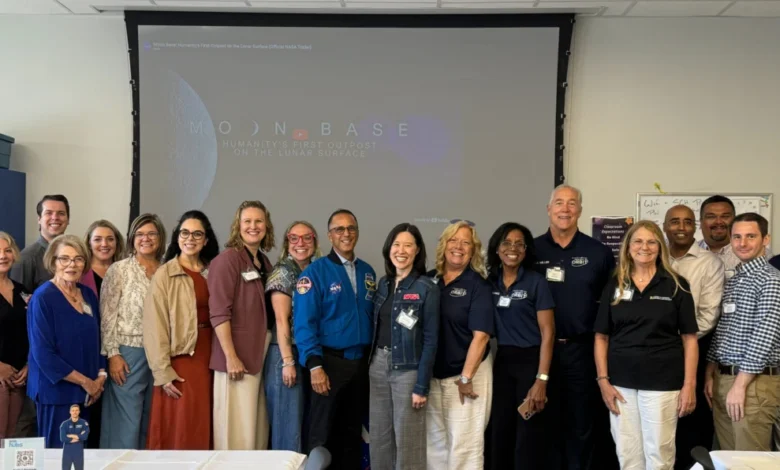
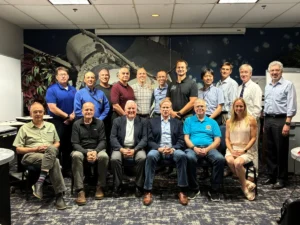
On September 15, 2026, NASA officially inaugurated its State Hubs for Skilled Technical Workforce initiative during a strategic convening at Space Center Houston. This landmark program marks a significant shift in how the agency approaches human capital development, moving away from centralized, singular educational programs toward a decentralized, state-based ecosystem designed to meet the burgeoning demands of the modern space economy. By fostering direct collaboration between federal agencies, state governments, academic institutions, and private industry, NASA aims to bridge the persistent skills gap that threatens to stifle the rapid innovation currently defining the aerospace sector.
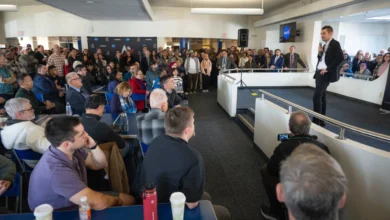
The inaugural summit served as a foundational meeting for project leaders, federal administrators, and state-level stakeholders. Participants engaged in intensive workshops designed to align strategic objectives, share regional hiring trends, and establish a framework for long-term workforce sustainability. As the space industry transitions from a government-led endeavor to a complex, multi-sector economy, the need for a highly specialized technical workforce has become the primary bottleneck for mission success.
A Chronology of the State Hubs Initiative
The journey to the September 15 launch began long before the gathering in Houston. Recognizing the increasing complexity of aerospace manufacturing and the aging demographic of the current technical workforce, NASA’s Office of STEM Engagement identified the need for a more localized strategy.
- Early 2025: NASA conducted a comprehensive review of its existing STEM engagement programs, noting that while university-level research partnerships were robust, there was a critical disconnect in the pipeline for skilled technicians—the machinists, composite fabricators, and advanced systems operators who are the backbone of space hardware production.
- Late 2025: The agency released a Request for Proposals (RFP) for the State Hubs initiative, explicitly targeting entities that could demonstrate strong ties to local community colleges and workforce development boards.
- August 2026: Following a rigorous peer-review process, NASA announced seven awardee states: California, Colorado, Florida, Georgia, Minnesota, Texas, and Utah. These selections were made based on the unique alignment between state economic priorities and specific aerospace supply chain needs.
- September 15, 2026: The official project kick-off event at Space Center Houston formalized the partnerships and set the strategic trajectory for the initiative’s implementation phase.
Strategic Selection and Regional Specialization
The selection of these seven states was not arbitrary. Each location represents a critical node in the national aerospace supply chain. For example, California and Colorado represent established hubs for satellite manufacturing and deep-space research, while Florida and Texas remain the primary centers for launch operations and mission control. Georgia, Minnesota, and Utah have increasingly emerged as essential hubs for aerospace material sciences, advanced robotics, and component fabrication.
By tailoring the programming to the unique industrial landscape of each state, NASA ensures that students are not merely receiving generic STEM training, but are being funneled into roles that local employers are desperate to fill. This "demand-driven" model is expected to reduce the time-to-hire for aerospace firms and decrease the reliance on national talent poaching, which has historically driven up labor costs and caused project delays.
Addressing the Workforce Pipeline Crisis
During the Houston summit, discussions centered on the systemic challenges facing the STEM workforce. Agency leaders and academic partners identified three primary hurdles that the State Hubs initiative is designed to overcome:
- Fragmented Coordination: Historically, the relationship between community colleges and industry partners has been informal at best. Small and medium-sized enterprises (SMEs) often lack the resources to design curriculum, while academic institutions lack the up-to-date hardware necessary to train students on modern manufacturing processes. The State Hubs act as a clearinghouse, facilitating communication and resource sharing.
- Scalability Barriers: Many successful pilot programs in aerospace training have remained localized, serving only a few dozen students at a time. The State Hubs initiative provides the necessary funding and administrative oversight to scale these programs, moving from niche workshops to regional certification pipelines capable of producing hundreds of graduates annually.
- The Manufacturing Misconception: Perhaps the most significant challenge is the cultural perception of technical careers. Despite the high pay and advanced nature of modern aerospace manufacturing, many students remain focused on four-year degrees in theoretical fields. The initiative aims to rebrand these roles by showcasing the integration of AI, digital twins, and additive manufacturing in the production process.
Economic Implications and Data-Driven Growth
The economic urgency for this initiative is supported by recent industry data. According to the Bureau of Labor Statistics and independent aerospace economic reports, the demand for aerospace engineering and operations technicians is projected to grow by approximately 6% through 2034, a rate faster than the average for all occupations. However, this figure does not capture the "hidden demand" created by the shift to commercial spaceflight.
As private entities like SpaceX, Blue Origin, and the growing field of satellite-as-a-service providers expand their operations, the demand for specialized talent is skyrocketing. Current projections suggest that the aerospace and defense industry will require an additional 150,000 skilled technical workers by 2030 to meet production targets for both civilian and government contracts. Without a robust, localized pipeline, these companies face the prospect of stalled innovation and increased costs, which ultimately impacts the agency’s ability to maintain its deep-space exploration timeline.
Official Perspectives on the Future
Elaine Ho, associate administrator for NASA’s Office of STEM Engagement, highlighted the necessity of the project during her keynote address. "The NASA State Hubs initiative is a top priority for the agency, because we know the space economy is really accelerating across the country," Ho stated. "It’s energizing to watch our partners come together to put real plans into action to help students advance into well-paying, rewarding technical jobs. I am excited about what’s ahead."
The sentiment was echoed by regional stakeholders who noted that the initiative provides a much-needed bridge between government policy and local reality. By bringing together the "Big Three"—industry, academia, and government—the State Hubs create a tripartite accountability structure. Industry leaders define the skills needed; community colleges design the curriculum to teach those skills; and NASA provides the oversight and strategic framework to ensure those skills align with the nation’s long-term space objectives.
Broader Impact and Long-term Sustainability
The implications of the State Hubs initiative extend far beyond the immediate goal of hiring. By fostering a culture of technical education, NASA is effectively building a "reserve" of talent that can pivot to other high-tech sectors if necessary. This promotes regional economic resilience, as the technical skills learned in an aerospace facility—such as high-precision welding, cybersecurity for industrial control systems, and automated testing—are highly transferable to sectors like clean energy, automotive manufacturing, and telecommunications.
As the program moves into its next phase, the focus will shift toward the deployment of actual training tools and the integration of these Hubs into state economic development plans. In the coming months, awardees are expected to finalize their curricula and begin the recruitment of students, with a specific focus on underrepresented groups in the aerospace workforce.
The success of the State Hubs will be measured not just by the number of students enrolled, but by the number of students who successfully transition into full-time employment within the aerospace sector. To track this, NASA plans to implement a robust longitudinal data collection process, allowing for the iterative improvement of the programs as industry needs evolve.
This initiative represents a pivotal moment for the American aerospace industry. By decentralizing the training pipeline and placing the responsibility for workforce development in the hands of regional experts, NASA is ensuring that the future of space exploration is not built on a fragile, narrow foundation, but on a broad, national infrastructure of highly skilled, career-ready workers. As the agency continues to push the boundaries of what is possible in space, the State Hubs initiative will serve as the essential engine room, ensuring that the workforce of tomorrow is prepared to meet the challenges of the next century.
For those interested in following the progress of these Hubs, or for institutions looking to partner with their local state hub, NASA has provided a centralized portal at https://www.nasa.gov/learning-resources/nasa-state-hubs. This resource will serve as the primary hub for updates, reporting, and best practices as the seven selected states begin their work to redefine the aerospace talent landscape.