The global funeral industry is currently undergoing a significant paradigm shift as environmental awareness influences end-of-life planning. While conventional burial and cremation have remained the standard practices for decades, recent lifecycle assessments have prompted a re-evaluation of their ecological footprints. As mortuary science evolves, the search for the most sustainable method has highlighted a tension between tradition, modern technology, and the basic principles of organic decomposition.
The Environmental Toll of Conventional Practices
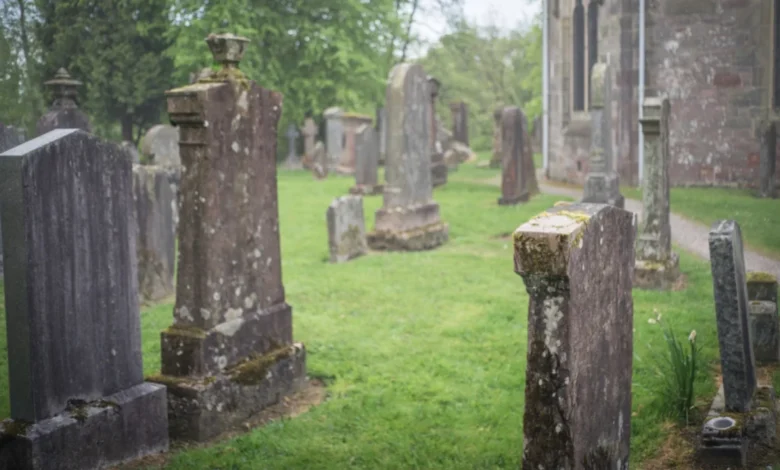
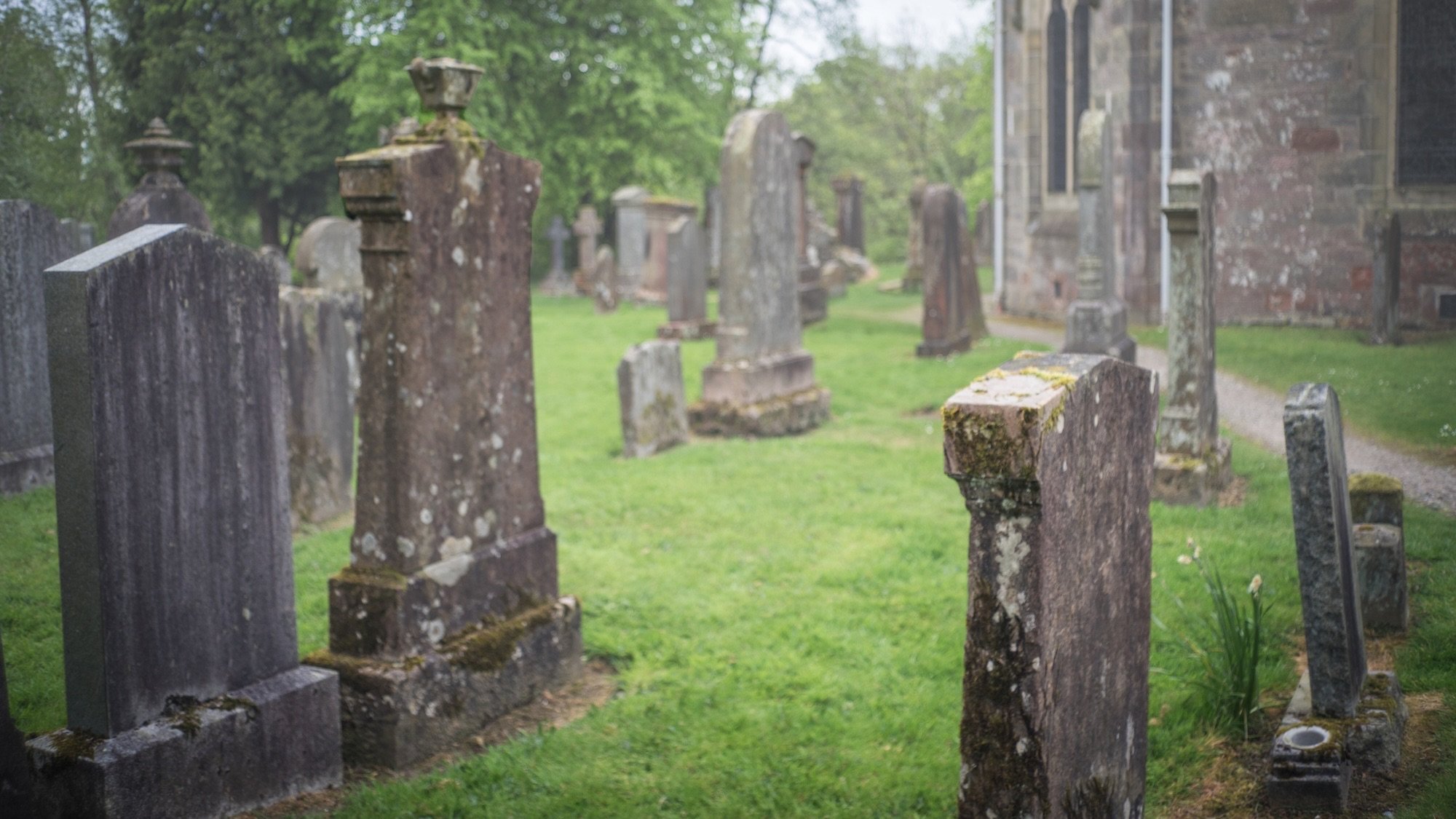
To understand the push toward greener alternatives, it is necessary to analyze the environmental impact of established burial methods. Conventional burial, which dominated the 20th century in North America and parts of Europe, involves a complex industrial process. The practice typically requires the embalming of the body using formaldehyde-based chemicals, which are designed to delay decomposition but pose potential risks of groundwater contamination.
Furthermore, the materials involved in a traditional funeral—specifically the steel or concrete vaults used to prevent ground settling, and the hardwood or metal caskets—represent a significant consumption of natural resources. The mining and manufacturing processes for these components contribute to a high carbon footprint, and because these materials are non-biodegradable, they create a permanent disruption in the soil profile.
Cremation, often perceived as the more space-efficient alternative, presents its own set of environmental challenges. Flame-based cremation requires massive amounts of energy to reach temperatures between 1,400 and 1,900 degrees Fahrenheit. The process typically relies on natural gas or propane, resulting in substantial carbon dioxide emissions. Additionally, recent studies have identified cremation as a non-trivial source of mercury emissions, largely due to the vaporization of dental amalgam fillings. Research indicates that flame cremation may account for approximately 14 percent of the mercury found in certain U.S. waterways, a statistic that has prompted calls for improved filtration technology in crematoriums.
The Rise of Natural Burial
The movement toward natural, or "green," burial has gained momentum as a return to traditional, low-impact practices. Unlike conventional interments, natural burials emphasize the complete decomposition of the body back into the soil. This involves the use of biodegradable shrouds or simple, unfinished wooden caskets, and the omission of embalming fluids.
The methodology is rooted in the preservation of the immediate ecosystem. According to the Green Burial Council, a leading authority on the practice, natural burial sites are frequently managed as conservation preserves. By bypassing the use of concrete vaults and synthetic liners, these sites allow for the natural cycle of nutrients to return to the earth, which can actively restore soil health and support local flora. A 2017 lifecycle assessment suggested that, when compared to all other modern methods, natural burial consistently maintains the lowest overall environmental cost, making it the current gold standard for ecological sustainability.
Emerging Technologies and Their Limitations
In response to the desire for alternatives that balance modern convenience with environmental responsibility, new technologies have entered the market. Aquamation, formally known as alkaline hydrolysis, utilizes a combination of water, heat, and lye to accelerate the natural breakdown of soft tissue. While this process is significantly less carbon-intensive than flame cremation—reducing emissions by approximately 20 percent—it is not without its own environmental considerations. The process produces a high volume of effluent, requiring careful management within municipal wastewater systems.
Human composting, or natural organic reduction (NOR), represents another innovative frontier. This method facilitates the microbial breakdown of remains within a controlled vessel, utilizing materials such as straw, wood chips, and alfalfa to foster the decomposition process. Over a period of approximately 60 days, the remains are converted into a nutrient-rich soil amendment. While the process is lauded for its circularity, critics point to the carbon costs associated with the transportation of the input materials and the final product, as well as the energy requirements of maintaining the necessary environmental conditions within the facility.
A Global Perspective on Mourning Traditions
The dialogue surrounding burial practices is further complicated by the diverse cultural and historical contexts of human mourning. In regions where geological conditions make traditional burial difficult, such as the high-altitude regions of Tibet and parts of Mongolia, sky burial has been practiced for centuries. This method, involving the exposure of the body to the elements, serves both a religious function and a pragmatic ecological purpose by returning the remains to the local fauna.
Similarly, the use of ossuaries in Europe—where bones are relocated to communal spaces after a period of initial burial—demonstrates a historical approach to space management that differs sharply from the North American model of permanent, individual plots. While these traditions are often tied to specific religious or cultural rites, they offer insights into the concept of "space efficiency," a topic that is becoming increasingly relevant as urban cemeteries reach capacity.
Data-Driven Analysis of Funeral Industry Impact
The environmental impact of these practices can be quantified through carbon output, land use, and resource depletion. Flame cremation remains the most common alternative to traditional burial, yet its reliance on fossil fuels remains a significant hurdle in the industry’s transition to net-zero goals. Open-air cremation, still practiced in some parts of the world, involves the consumption of roughly 880 to 1,100 pounds of wood per body, releasing approximately 500 to 600 kilograms of carbon dioxide.
Conversely, proponents of natural burial point to the added benefit of "carbon sequestration" through the planting of native trees and vegetation in burial preserves. By transforming cemeteries into protected green spaces, the funeral industry has the potential to contribute to local biodiversity rather than acting as a net detractor from the environment.
Policy Implications and Future Outlook
As consumer demand for eco-friendly options rises, the regulatory landscape is beginning to shift. States across the U.S. have begun to legalize human composting and alkaline hydrolysis, reflecting a broader public interest in legislative reform regarding end-of-life choices. However, the industry remains heavily influenced by state-level regulations, which often dictate the types of caskets permitted, the required depth of burial, and the necessity of vaults.
For the average consumer, the process of selecting a burial method has become an exercise in weighing personal values against available technology. Industry experts, including those from organizations like the Green Burial Council, emphasize that "simpler is often better." As the market continues to evolve, the trend is moving away from the "shiny and new" technological solutions toward methods that minimize chemical input, energy expenditure, and material waste.
Conclusion: The Future of Final Disposition
The transition toward more sustainable burial practices is indicative of a broader cultural change regarding how humanity interacts with the environment. Whether through the preservation of natural forests, the adoption of composting, or the refinement of cremation technologies, the goal is to reconcile the final act of life with the stewardship of the planet. While no method is entirely without impact, the data strongly suggests that minimizing human intervention in the natural process of decay provides the most viable path toward a sustainable future. As the industry matures, it is likely that the convergence of public demand and innovative engineering will continue to offer more choices for those seeking to leave a lighter footprint on the earth.
Related posts: