Snapchat Unveils Commerce Power Pack and Expands Dynamic Product Ads to Direct Messages Ahead of Holiday Season

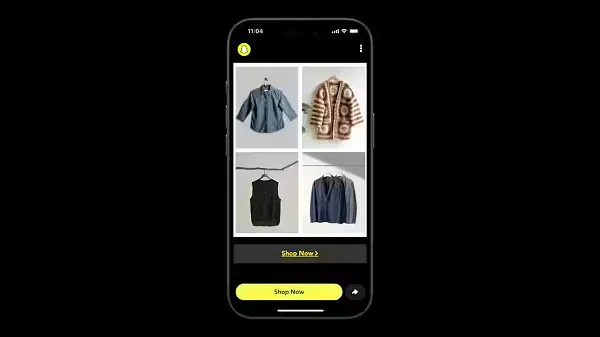
Snapchat has officially rolled out a comprehensive suite of retail advertising solutions designed to capture consumer attention during the high-stakes holiday promotional season. Dubbed the "Commerce Power Pack," the new offering brings artificial intelligence-driven promotions and advanced targeting capabilities to the platform. Most notably, the update expands Snapchat’s Dynamic Product Ads (DPAs) directly into Sponsored Snaps, allowing brands to showcase their merchandise inside user Direct Messages (DMs).
The strategic rollout represents a significant evolution in how brands can leverage conversational commerce on the platform. By bridging the gap between personal messaging and retail discovery, Snapchat aims to position itself as an indispensable channel for brands seeking high-intent consumer engagement. However, the move also revives ongoing industry discussions regarding the delicate balance between platform monetization and user experience within private messaging spaces.
The Mechanics of the Commerce Power Pack
At the core of the Commerce Power Pack is the integration of Dynamic Product Ads with Sponsored Snaps. Traditionally, DPAs have been utilized across various high-visibility surfaces within the application, matching user browsing behavior with personalized product catalogs. By bringing this functionality into the chat interface, advertisers can now insert relevant product recommendations directly into the messaging stream—a feature Snapchat emphasizes as critical given that 85% of its user base regularly utilizes the chat function.
According to platform data released earlier this year, Sponsored Snaps—which were initially introduced in September 2024 as an experimental ad format—have proven to be remarkably effective. Despite early skepticism from marketers regarding the potential intrusiveness of promotional content appearing directly in user inboxes, the format has yielded impressive performance metrics. During announcements concerning sponsored AI chatbots in April, Snapchat reported that Sponsored Snaps generated up to 22% more conversions compared to traditional ad placements on the platform.

Snapchat executives argue that integrating commercial messaging into the chat display aligns naturally with the consumer’s daily journey. The platform serves as a multifaceted ecosystem where users routinely receive recommendations from friends, discover new creators on Spotlight, virtually try on apparel using augmented reality (AR), and locate physical storefronts via the Snap Map. By placing product catalogs directly into the chat interface, brands can intercept consumers at the exact moment they are discussing potential purchases or seeking recommendations within their peer groups.
Advanced Testing: Value Optimization and Omnichannel Reach
Beyond the expansion of Sponsored Snaps, the Commerce Power Pack introduces several advanced testing phases aimed at refining advertiser control and campaign efficacy. Among these is the ongoing beta test for Value Optimization, a feature engineered to provide brands with granular tools to optimize their campaigns specifically for high-value purchases rather than general engagement or low-cost conversions.
Furthermore, Snapchat is rolling out third-party web optimization tests. This capability allows advertisers to integrate broader external data signals into their Snapchat campaigns, creating a more cohesive attribution and targeting framework. Perhaps the most ambitious component currently in the alpha-testing phase is omnichannel optimization. This tool is designed to facilitate seamless purchasing journeys across both web and mobile app environments within a single campaign structure, dynamically directing consumers to the platform where they are statistically most likely to convert.
In a statement regarding the alpha test, Snapchat representatives highlighted the operational benefits for marketers: "Currently in alpha testing, omnichannel optimization gives advertisers a more flexible way to capture demand across surfaces, helping improve performance while simplifying campaign setup and decision-making."
A Timeline of Conversational Commerce on Snapchat
To understand the trajectory of the Commerce Power Pack, it is necessary to examine the systematic rollout of Snapchat’s commerce and messaging ad infrastructure over the past several years:

- Late 2022 to 2023: Snapchat heavily invests in expanding its core advertising tools, refining its Dynamic Product Ads to align with broader privacy shifts in the digital advertising landscape. AR shopping tools are integrated deeply into retail partnerships, establishing visual search and virtual try-ons as standard offerings.
- September 2024: Snapchat officially launches Sponsored Snaps. Industry analysts initially express caution, warning that placing branded content directly into user inboxes could alienate users who view DMs as a private sanctuary away from traditional marketing noise.
- April 2025: The platform announces sponsored AI chatbots within DMs, alongside performance disclosures revealing that Sponsored Snaps have outperformed standard ad units by generating 22% more conversions. These promising metrics lay the groundwork for a broader push into conversational commerce.
- Late 2025 (Present): Snapchat debuts the Commerce Power Pack ahead of the holiday shopping season, combining DPA expansion into chat spaces with sophisticated testing programs like Value Optimization and omnichannel campaign management.
Industry Implications and Strategic Analysis
The introduction of the Commerce Power Pack arrives at a critical juncture for digital advertising platforms. As retail brands prepare for the annual holiday surge, competition for consumer attention across social media channels is fiercer than ever. Platforms like Meta, TikTok, and Pinterest have likewise invested heavily in closing the loop between discovery and checkout, minimizing friction in the consumer journey.
Snapchat’s distinct advantage lies in its deeply engaged, younger demographic and the heavy utilization of its messaging infrastructure. By embedding commercial opportunities directly into private chats, Snapchat is betting that consumers increasingly view shopping as a social, collaborative activity. When a user receives a product suggestion natively within a chat thread where they are already discussing holiday shopping plans with friends, the psychological barrier to purchase is theoretically lowered.
However, industry analysts maintain a degree of caution regarding the long-term implications of inbox monetization. While the conversion data released by Snapchat indicates strong initial receptivity, continuous saturation of user inboxes with promotional material carries inherent risks. If brands overstep boundaries or fail to deliver hyper-relevant recommendations, user fatigue could set in, potentially eroding the authentic peer-to-peer connection that has historically driven Snapchat’s high user retention.
Moreover, the success of the new omnichannel and third-party optimization tools will largely depend on how smoothly advertisers can integrate their existing data pipelines with Snapchat’s ecosystem. As privacy regulations continue to tighten globally, platforms that offer transparent, highly accountable measurement tools without compromising user data integrity will capture the lion’s share of retail ad spend.
Looking Ahead
As the holiday promotional season accelerates, the performance of the Commerce Power Pack will serve as a definitive litmus test for Snapchat’s monetization strategy. If the platform can successfully demonstrate that AI-powered DMs and omnichannel optimization deliver superior return on investment (ROI) for major retailers, it will cement its status as a vital component of the modern digital marketing mix. Conversely, any backlash regarding intrusive inbox ads will force the company to recalibrate its approach to conversational commerce as it navigates the fine line between commercial growth and user experience.