The Apple iPhone Duo Unveiled: A New Era for Foldable Technology and Market Competition

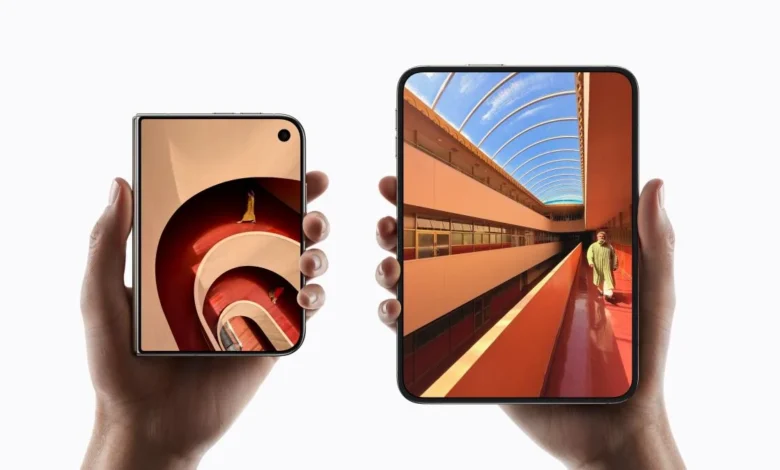
The long-standing speculation surrounding Apple’s entry into the foldable smartphone market has officially concluded with the unveiling of the iPhone Duo. Announced during the company’s highly anticipated "Surprise and Shine" event in Cupertino, California, the device represents a significant pivot in Apple’s hardware design philosophy. By introducing a 7.6-inch inner display capable of folding in half, Apple is now positioning itself to challenge established incumbents in the premium foldable category, a segment currently dominated by manufacturers such as Samsung and Google. The announcement marks a critical juncture for the consumer electronics industry, shifting the focus from incremental yearly upgrades to radical form-factor innovation.
A Chronology of the Foldable Ambition
The path to the iPhone Duo has been paved with years of internal research and development. For nearly a decade, Apple has filed numerous patents related to flexible display technology, hinge mechanics, and durable glass substrates. While competitors aggressively pushed foldable models—such as the Samsung Galaxy Z Fold series and the Google Pixel Fold—to market as early as 2019, Apple maintained a cautious stance.
The industry timeline is defined by a period of "wait and watch." Between 2020 and 2025, Apple observed the reliability issues that plagued early foldable models, including screen creasing, hinge failure, and software optimization struggles. By delaying its entry, Apple aimed to solve the "foldable friction" that hindered mass-market adoption. The "Surprise and Shine" event on Wednesday served as the culmination of this strategy, with CEO John Ternus presenting a device that claims to prioritize screen integrity and software continuity—the two most significant pain points in the current foldable ecosystem.
Technical Specifications and Design Philosophy
The iPhone Duo is defined by its expansive 7.6-inch internal OLED panel, which utilizes a proprietary polymer-glass hybrid material designed to withstand tens of thousands of folding cycles. Unlike the external displays of its competitors, Apple has opted for a seamless transition between the outer screen and the unfolded internal canvas.
The integration of the A-series "Fold" processor, optimized for multitasking, suggests that Apple is targeting power users, enterprise professionals, and creative artists. The software interface, a specialized iteration of iOS, introduces "Fluid Split," a feature allowing for dynamic window resizing that adapts automatically as the hinge angle changes. This design choice highlights Apple’s emphasis on user experience over raw technical specifications, ensuring that the software remains consistent regardless of whether the device is in a closed "phone" mode or an open "tablet" state.
Market Context and Competitive Landscape
The entry of the iPhone Duo into the foldable space is expected to disrupt the market dynamics significantly. According to recent market analysis from firms such as IDC and Counterpoint Research, the foldable smartphone sector has experienced a steady compound annual growth rate (CAGR) of roughly 25% over the past three years. However, this growth has been largely confined to a niche demographic. Apple’s entry is projected to act as a catalyst for mainstream adoption.
Samsung, currently the leader in foldable volume, faces a direct challenge to its market share. When Samsung released the Galaxy Z Fold 8 in July, it established a high bar for durability and stylus integration. The rivalry is not merely technical but cultural. The "Surprise and Shine" event has reignited the competitive banter that has defined the smartphone wars for over a decade. Shortly after the reveal, Samsung’s mobile division utilized social media platforms to assert its status as the "original innovator" in the space, a move intended to remind consumers of its multi-year head start in hardware refinement.
The Social Media Discourse: A Clash of Brands
The announcement of the iPhone Duo triggered an immediate and viral response across social media platforms. The naming convention of the device—"Duo"—drew immediate attention from brands outside the hardware sector. The language-learning platform Duolingo, which maintains a significant social media presence, expressed mock concern regarding search engine optimization (SEO) and brand recognition. The company’s public outreach to Apple CEO John Ternus, asking, "It’s called the iPhone WHAT???" underscored the viral nature of the launch.
Similarly, the lexicographical authority Merriam-Webster offered a witty commentary on the term "foldable." By noting that the physical book has been "foldable" since 1828, the brand highlighted the irony of modern tech marketing. While these interactions may appear peripheral, they reflect the immense cultural weight that any new Apple product launch carries, effectively dominating the global digital conversation for the duration of the event.
Economic and Strategic Implications
The implications of the iPhone Duo extend beyond hardware. For Apple, this device represents a new revenue stream in an era where smartphone replacement cycles are lengthening. By introducing a premium-priced foldable, Apple is targeting the "ultra-premium" tier, a segment where price sensitivity is low and brand loyalty is high.
Furthermore, the iPhone Duo serves as a testing ground for future hardware iterations. Analysts suggest that if the hinge and display technologies prove durable, Apple may eventually integrate similar form factors into its iPad and Mac lines. The supply chain adjustments required for such a transition are immense; Apple has reportedly partnered with key display manufacturers to secure a multi-year supply of high-grade flexible panels, effectively tightening the supply for smaller competitors.
Analyzing the "Surprise and Shine" Keynote
The "Surprise and Shine" keynote was marked by a shift in tone for Apple. Under the leadership of John Ternus, the company appears to be moving toward a more transparent dialogue regarding its R&D processes. By addressing the "foldable" trend head-on, Apple is acknowledging that the market has evolved beyond the traditional flat-slab form factor.
The live updates from Apple Park confirmed that the company is not only focusing on the device itself but on the "ecosystem of the fold." This includes app developers, who are being incentivized to update their platforms for the iPhone Duo’s unique aspect ratios. During the keynote, several major software partners demonstrated how their applications—ranging from video editing suites to complex data visualization tools—would leverage the extra screen real estate. This developer-centric approach is intended to ensure that the iPhone Duo has a robust application library at launch, a mistake that many of Apple’s predecessors made when they first introduced foldable devices.
Looking Toward the Future
As the initial excitement settles, the focus shifts to the product’s real-world performance. Critics and early reviewers will be closely monitoring the "crease"—the visible line that forms where the display folds—as well as battery longevity under the strain of a larger, more power-hungry display. If Apple has truly solved these issues, the iPhone Duo could signal the end of the experimental phase for foldable phones and the beginning of a new industry standard.
The "Big Guessing Game" that preceded the event proved that the public’s appetite for Apple innovation remains insatiable. With the iPhone Duo now a reality, the industry enters a period of intense scrutiny. The success of this device will likely dictate the roadmap for smartphone design for the remainder of the decade. For now, the tech giant has successfully transitioned from the rumor phase to the retail phase, setting the stage for a dramatic shift in how global consumers interact with their mobile devices. The market will now wait to see if the iPhone Duo delivers on its promise of "surprise and shine," or if it will face the same technical hurdles that have challenged its predecessors. One thing is certain: the conversation surrounding the future of the smartphone has been permanently altered.
Related posts: