Australian Federal Police Arrest Alleged Masterminds Behind Notorious TeamPCP Software Supply Chain Extortion Ring

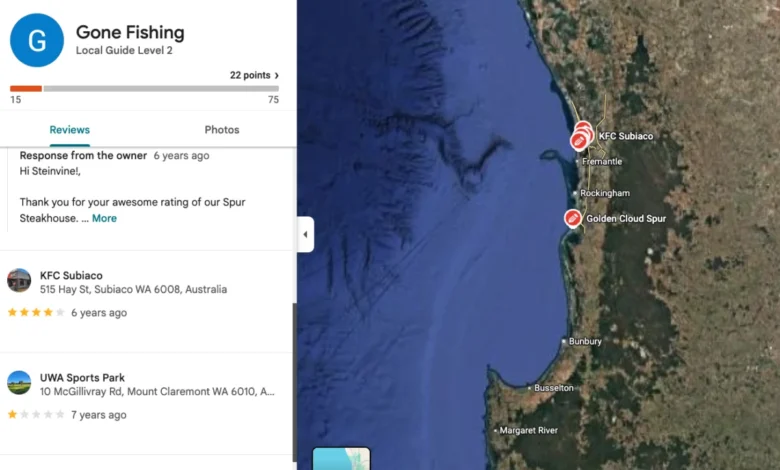
The Australian Federal Police, acting in a coordinated international operation with the United States Federal Bureau of Investigation and Western Australia Police Force, have arrested two men suspected of operating TeamPCP, a prolific and destructive cybercrime syndicate. The suspects, aged 21 and 23 and residing in Western Australia, are facing a combined total of 14 cybercrime offenses relating to the creation and deployment of malicious open-source software. According to law enforcement and cybersecurity researchers, the syndicate is responsible for what is believed to be the longest-running software supply chain attack spree in digital history, impacting thousands of global enterprises, major automobile manufacturers, and critical artificial intelligence infrastructure.

The joint law enforcement action marks a major milestone in a high-stakes, multi-jurisdictional investigation that has spanned nearly a year. While Australian authorities withheld the full legal names of the defendants during their initial media briefing, subsequent reporting by investigative outlets and local Australian media confirmed the 21-year-old suspect is Ruben Ian Thomson of Cottesloe, a beachside suburb of Perth. Thomson is alleged to be the central leader and spokesperson of TeamPCP, operating under online aliases such as "Ellis," "BulkDMT," and "Deadcatx3." The second suspect, 23-year-old Michael Gaebler, is believed to be the individual behind the alias "@pcpcasper," who maintained deep ties to extremist networks while assisting in the group’s operations. Both men were remanded in custody following their appearance at the Perth Magistrates Court, with neither securing bail as they await their next court date.
Chronology of the TeamPCP Campaign

The rise and fall of TeamPCP unfolded rapidly over a tumultuous nine-month period, fundamentally altering the calculus of software supply chain security. The syndicate first emerged in late 2025, utilizing an automated, self-propagating worm known as "Shai-Hulud" to compromise corporate cloud environments. By phishing or stealing the credentials of legitimate developers on public code repositories like GitHub and the Node Package Manager (NPM) registry, TeamPCP embedded malicious payloads into widely used open-source libraries.
As detailed by security analysts, the group perfected a cyclical exploitation model. Hackers would infiltrate a network where a popular open-source coding tool was maintained, plant malware designed to harvest developer credentials from infected machines, and use those newly acquired credentials to publish compromised versions of secondary tools. The infection vector cascaded outward, steadily expanding the group’s collection of compromised networks.

By March 2026, the syndicate escalated its operations by targeting artificial intelligence infrastructure. TeamPCP compromised the source code for LiteLLM, an open-source AI gateway facilitating connections to over one hundred large language models. Security firm CloudSEK subsequently revealed that this single breach harvested cloud service keys and administrative secrets from more than 2,500 organizations, including some of the world’s leading technology enterprises.
The campaign reached a peak in May 2026 when TeamPCP claimed responsibility for compromising approximately 3,800 code repositories on GitHub after a developer inadvertently installed a compromised browser or code extension. Simultaneously, the group launched a gamified recruitment contest, offering Monero cryptocurrency prizes to external hackers who could utilize the Shai-Hulud worm code to execute the largest downstream supply chain compromises. This crowdsourced recruitment drive effectively transformed the collective into an open-source franchise for cyber extortion.

An Unorthodox Cybercrime Syndicate
Cybersecurity experts emphasize that TeamPCP deviated significantly from traditional, highly structured ransomware gangs or state-sponsored Advanced Persistent Threat (APT) groups. Rather than operating under a rigid corporate hierarchy, TeamPCP functioned as a peer-driven amalgamation of independent threat actors drawn from various underground forums.

Austin Larsen, a principal threat analyst with the Google Threat Intelligence Group, characterized the collective as a community of skilled individuals sharing a distinct center of gravity. This center revolved around online hubs such as the "Cybercats" Matrix chat server, which was established by security researcher George Prepakis, widely known online by his handle @kernelstub.
Within these chat networks, TeamPCP intersected with other prominent data extortion and brokerage groups. Among them was the actor known as "Boxturtle" or "@xpl0itrsturtle," a Breachforums broker linked to extensive data theft targeting major global automotive brands, including BMW, Audi, Honda, Mercedes-Benz, Volvo, and Toyota. Another key node in the network was "SeesawSec," an alias connected to Fulcrumsec, a group that claimed credit for extortion attacks against pharmaceutical giant Novo Nordisk, data broker LexisNexis, and Fortune 500 electronics distributor Avnet.

Despite the sophisticated technical nature of their exploits, the core operators exhibited glaring operational security (OPSEC) failures. Investigators were able to trace the digital footprint of Ruben Thomson back to physical infrastructure in Western Australia and South Africa by cross-referencing reusable passwords, email addresses, forum accounts, and historical internet registration data. Notably, Thomson registered an account on the HackerOne bug bounty platform using the username "Deadcatx3"—an alias security firms had already firmly attributed to TeamPCP.
Personal Struggles and Law Enforcement Closing In

In interviews conducted prior to his arrest, Thomson offered a candid look into the motivations and chaotic lifestyle driving his cybercriminal activities. He claimed to have drifted into the blackhat community while seeking a distraction following struggles with severe substance addiction and periods of homelessness. According to Thomson, his involvement with TeamPCP yielded approximately $20,000 in financial gain—a modest sum compared to the massive enterprise value disrupted by the group’s attacks.
Online communications intercepted or archived by threat intelligence platforms such as Flashpoint and Intel 471 documented Thomson’s frequent battles with narcotics, including methamphetamine, ketamine, and synthetic psychedelics. His erratic online behavior, combined with public bragging on Telegram and Matrix servers, ultimately provided law enforcement agencies with the definitive telemetry required to pinpoint his physical location in Perth.

Broader Impact and the Evolution of Software Security
While the arrest of Thomson and Gaebler effectively dismantles the core leadership of TeamPCP, the legacy of their campaign will have a lasting impact on software development and supply chain defense. Charlie Eriksen, a security researcher at Aikido Security, noted that TeamPCP operated in a gray zone between financial motivation, disruption, and ideological expression.

Furthermore, Eriksen pointed out that the proliferation of generative artificial intelligence and large language models has compressed the learning curve for malicious actors. Threat operators can now execute sophisticated multi-ecosystem campaigns at scale without possessing the deep operational discipline historically required for such sophisticated attacks.
Despite the chaos sown by the syndicate, security professionals have credited TeamPCP’s aggressive tactics with forcing long-overdue structural reforms across major software repositories. In direct response to the Shai-Hulud worm and poisoned package distribution, GitHub introduced a mandatory three-day "cooldown" period for Dependabot version updates in late July. Similar precautionary delay mechanisms have been adopted across Python and JavaScript ecosystems to give security maintainers adequate time to vet newly published package dependencies before they propagate across global enterprise networks.

Security analysts argue that TeamPCP achieved in a matter of months what the defensive security community had advocated for over a decade: compelling platform giants like Microsoft to implement aggressive, native safeguards against software supply chain poisoning. As Thomson and Gaebler await their next court appearance scheduled for September 18, the international cybersecurity community continues to assess the extensive collateral damage left in the wake of one of the most disruptive cybercrime sprees in modern history.