Massive Rockstar Games Leak Exposes Scrapped GTA 5 Liberty City DLC and Early GTA 6 Files

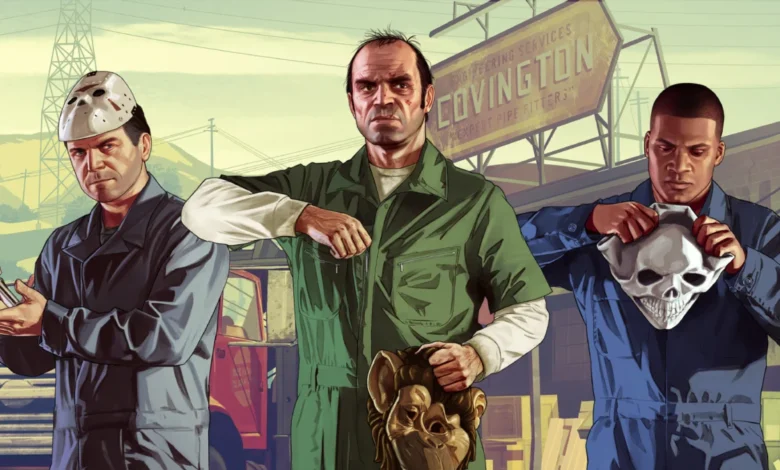
A massive data breach has once again struck Rockstar Games, bringing to light a nearly 200-gigabyte trove of internal files that details years of canceled projects, early development iterations, and deep-dive codebases for some of the entertainment industry’s most lucrative properties. The leaked material, circulating widely across online gaming forums and community hubs, includes what appears to be the near-complete source code for Grand Theft Auto 5, along with early structural files and rough geographical mapping for the highly anticipated Grand Theft Auto 6.
For a studio renowned for its strict secrecy and tight-lipped development cycles, this latest incident represents a significant security breach. It also offers the public an unprecedented, behind-the-scenes look at the creative decisions, pivots, and missed opportunities that shaped the modern era of open-world game development.
Inside the 192GB Data Breach: What Was Discovered?
The newly accessible cache spans roughly 192 gigabytes of proprietary Rockstar tools, development documentation, and source code. As data miners and dedicated fans have meticulously combed through the files over recent days, a clearer picture of the studio’s internal roadmap has begun to emerge. Among the most startling discoveries are extensive references to a canceled single-player expansion for Grand Theft Auto 5 centered around Liberty City—the iconic, heavily detailed virtual recreation of New York City last seen in 2008’s Grand Theft Auto 4.
Content creators and technical analysts have utilized software tools like CodeWalker to reconstruct outlines of the scrapped Liberty City map files found within the source code. Initial findings suggest that Rockstar’s vision for this iteration of Liberty City would have offered a significantly larger and more expansive playable shoreline than its standalone predecessor.
Alongside the geographical data, the leak contains an array of discarded assets, cut dialogue lines, scrapped narrative missions, and rudimentary early-stage layout files pertaining to GTA 6. While the GTA 6 data is understood to be exceptionally early and fragmented, its presence in the repository underscores how long the studio has been laying the groundwork for the next mainline installment.
The Evolution of Rockstar’s Security and Historical Leak Vulnerabilities
To understand the weight of this current breach, one must look at the trajectory of Rockstar Games’ security challenges over the past decade. For many years, the Scottish-American developer maintained an almost mythic aura of confidentiality. Games like Grand Theft Auto V and Red Dead Redemption 2 were developed under heavily guarded conditions, with minimal information leaking to the public prior to official marketing campaigns.
However, the immense growth of online infrastructure, remote work environments, and increasingly interconnected development networks have made major game studios prime targets for malicious actors and disgruntled insiders. In September 2022, Rockstar experienced one of the most high-profile security breaches in gaming history when a hacker leaked early development footage of GTA 6, revealing mechanics, character models, and gameplay loops years ahead of schedule.
Despite subsequent legal actions and heightened cybersecurity measures implemented by Rockstar and its parent company, Take-Two Interactive, the persistence of these leaks suggests that older repositories and internal builds remain vulnerable to exfiltration. The latest 192GB leak appears to draw from older archives, preserving data from a period when GTA 5’s post-launch trajectory was still evolving.
The Rise of GTA Online and the Death of Single-Player Expansions
Perhaps the most culturally significant revelation tied to this leak is the definitive confirmation of why Grand Theft Auto 5 never received the expansive story-driven downloadable content that characterized previous entries like Grand Theft Auto 4: The Lost and Damned and The Ballad of Gay Tony.
In the years following GTA 5’s monumental 2013 launch, rumors frequently circulated regarding planned story expansions. These rumors were later validated by key members of the development and acting talent pool. Most notably, actor Steven Ogg, who portrayed the volatile and fan-favorite protagonist Trevor Philips, previously revealed that he had filmed motion-capture sequences for a scrapped narrative arc often referred to by the community as the "James Bond Trevor" DLC.

According to Ogg and former senior studio personnel, this storyline would have depicted Trevor operating as an undercover government agent, blending espionage tropes with the character’s signature chaotic demeanor. The latest data leak reportedly contains residual production materials, scripts, and code associated with this "Agent Trevor" project, confirming that it progressed well past the conceptual phase.
However, economic realities ultimately dictated Rockstar’s strategic shift. Joseph Rubino, a former senior camera artist and digital cinematographer at the studio, spoke candidly in previous interviews about the internal friction caused by the pivot. Rubino explained that development teams were initially split to handle both ongoing online support and upcoming single-player expansions.
The calculus changed dramatically with the unprecedented, sustained financial success of GTA Online. Generating billions of dollars in recurring revenue through microtransactions and continuous content updates, the multiplayer ecosystem quickly became a juggernaut. Management made the calculated business decision to reallocate studio resources away from standalone single-player DLCs and funnel them entirely into GTA Online and the concurrent development of Red Dead Redemption 2. While Rubino and other developers expressed retrospective disappointment at abandoning the single-player expansions, the commercial dominance of GTA Online made the corporate directive an insurmountable reality.
Broader Industry Implications and the Legacy of Canceled Content
The unearthing of the Liberty City DLC files casts a retrospective light on hints left by developers years prior. Shortly after the release of GTA 5, sharp-eyed fans discovered screenshots within the digital portfolio of a Rockstar environment artist that depicted Liberty City rendered using the newer engine architecture of the fifth installment. At the time, the imagery was largely dismissed as a technical test or a portfolio piece. Today, viewed alongside the newly leaked source code, it serves as tangible evidence that the project reached a relatively advanced stage of digital asset creation before being shelved.
As the gaming community continues to dissect the 192GB repository, the discourse inevitably shifts toward what might have been. The prospect of bridging Los Santos and Liberty City within a single game engine represents a monumental missed opportunity for single-player enthusiasts. Yet, it also highlights the ruthless prioritization required in modern AAA game development, where multi-million-dollar budgets and shifting market trends can alter a studio’s trajectory overnight.
Rockstar Games and Take-Two Interactive have not yet issued a formal public statement addressing the specifics of this latest leak, adhering to their historical policy of minimizing public engagement with illicitly obtained materials. Nevertheless, the leak serves as a permanent digital archive of a pivotal crossroads in Rockstar’s history—a moment when the studio permanently traded the era of traditional story expansions for the persistent, service-driven economy of the modern gaming landscape.
Related posts: