
When homeowners and outdoor enthusiasts evaluate portable power solutions, the inverter generator frequently emerges as a top-tier candidate. Celebrated for their compact footprint, whisper-quiet operation, and ability to deliver "clean" electricity—characterized by low Total Harmonic Distortion (THD)—these units are the gold standard for powering sensitive electronics like laptops, smartphones, and medical equipment. However, the sophisticated engineering that allows for these advantages introduces significant trade-offs. Prospective buyers must weigh these benefits against higher capital expenditures, maintenance complexities, and specific operational vulnerabilities that can impact both performance and long-term reliability.
The Financial Landscape of Portable Power
The most immediate barrier to entry for many consumers is the significant price premium commanded by inverter technology. While a traditional open-frame portable generator is a workhorse designed for raw output, an inverter generator is a precision instrument. The difference in cost is often stark. A conventional, contractor-grade generator capable of producing 7,500 watts might retail for approximately $800 to $1,000. In contrast, a high-end inverter generator capable of providing 5,000 watts can easily exceed $4,000.

This price disparity is driven by the internal architecture. Traditional generators utilize a mechanical governor to keep the engine speed locked at a constant 3,600 RPM to maintain a steady 60Hz frequency. Inverter generators, conversely, use a multi-stage process: they generate AC power, convert it to DC, and then "invert" it back into a clean, stable AC signal. This process requires complex electronic components, including power-switching transistors and sophisticated microprocessors, which increase manufacturing costs substantially. For consumers, this raises a critical question of utility: Does the need for clean, quiet power justify a 300% to 400% price increase over a conventional model? For most users, this analysis must also account for the hidden costs of installation, specifically when integrating these units into a home’s electrical transfer switch, which requires professional electrical labor and specialized equipment.
Maintenance and Serviceability Challenges
The pursuit of portability and aesthetic design has led manufacturers to prioritize a "closed-frame" construction for most inverter models. While this contributes to their signature quiet operation by muffling engine noise, it creates a significant secondary drawback: restricted access to internal components.
In a standard open-frame generator, the engine, alternator, and control boards are often readily accessible for routine maintenance or field repairs. With inverter units, the housing is typically designed for sound dampening and weather resistance, meaning that even routine tasks—such as replacing a spark plug, cleaning a carburetor, or accessing a fuel line—often require the removal of multiple body panels. This complexity inevitably increases the labor hours required for professional servicing. In many instances, the diagnostic process for an electronic inverter failure is far more involved than that of a mechanical issue on a standard generator, often requiring proprietary diagnostic software or complete circuit board replacements, which can be prohibitively expensive outside of a warranty period.

Operational Constraints and Overload Vulnerabilities
The operational profile of an inverter generator is fundamentally different from that of a traditional unit, particularly regarding how they handle load spikes. Many consumers mistakenly assume that the power rating on the box is a universal limit, failing to account for the difference between running wattage and starting (surge) wattage.
When devices with electric motors—such as refrigerators, air conditioners, or power tools—are first engaged, they experience a momentary "inrush current" that can be three to five times higher than their steady-state power draw. Because inverter generators utilize sensitive electronic components to regulate output, they are often less forgiving of these surges than the robust, mechanical-based alternators found in standard generators. If a device demands an instantaneous current that exceeds the inverter’s peak capacity, the unit’s protection circuit will trip, immediately cutting power to prevent damage to the internal electronics. This "overload sensitivity" necessitates a precise calculation of the user’s total power requirements. Users who do not perform a thorough audit of their household or job site load requirements often find themselves frustrated by frequent shutdowns, a common issue when running multiple high-draw appliances simultaneously.
Electromagnetic Interference and System Compatibility
A less-discussed but technically significant drawback of inverter technology is the potential for electromagnetic interference (EMI). Because these units generate power through high-frequency switching, they can sometimes introduce "electrical noise" into the local environment. While the output power is generally considered "clean" for sensitive electronics, the operation of the inverter itself can occasionally disrupt the performance of nearby wireless equipment, radio receivers, or even certain types of sensitive industrial control systems.
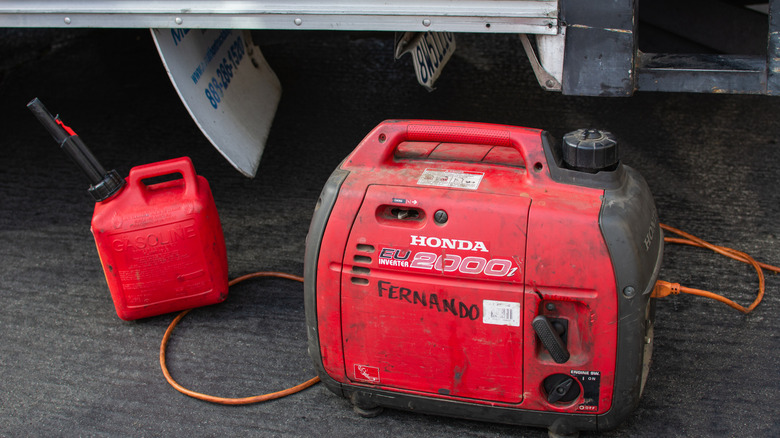
In environments where high-fidelity audio equipment or precise medical monitoring devices are in use, this interference can manifest as audible hums or erratic device behavior. This phenomenon is a direct byproduct of the pulse-width modulation (PWM) used in the inversion process. While high-quality manufacturers implement shielding and filtering to mitigate this, lower-tier or aging units may struggle to suppress these emissions. This makes the selection of an inverter generator a task that requires careful consideration of the intended operating environment. Professionals in the field frequently recommend that users who require stable power for sensitive electronic arrays consult with an electrician to ensure that the grounding and power-conditioning infrastructure is robust enough to handle the unique electrical characteristics of an inverter-based system.
Long-Term Reliability and Best Practices
Ultimately, the longevity of an inverter generator is inextricably linked to adherence to manufacturer guidelines. A recurring theme in consumer reports indicates that the most common point of failure is not the engine itself, but the sophisticated inverter board. These components are sensitive to moisture, dust, and temperature extremes, meaning that storage and operating environments play a larger role in the lifespan of an inverter unit than in a traditional, more ruggedized generator.
To maximize the return on investment, owners are urged to move beyond basic operation and adopt a rigorous maintenance schedule. This includes:
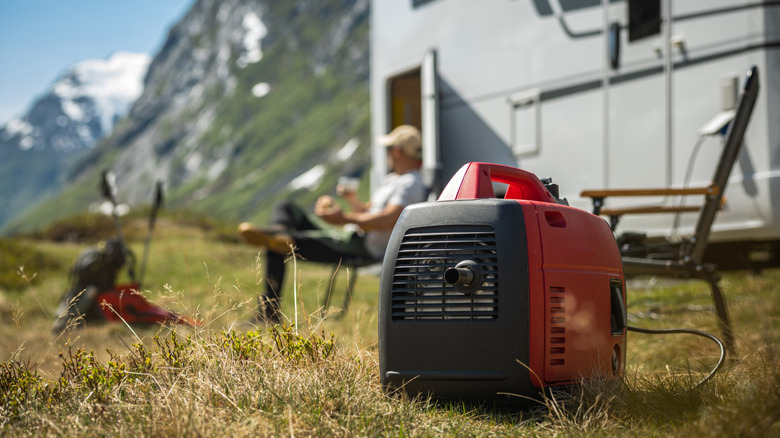
- Load Balancing: Avoiding the temptation to run the generator at its maximum capacity for extended periods, which generates excessive heat that can degrade the inverter board.
- Fuel Management: Using fuel stabilizers and ensuring that the carburetor is drained before long-term storage, as the complex fuel systems in modern, fuel-efficient inverters are highly susceptible to clogging from ethanol-based fuel degradation.
- Professional Audits: Engaging with licensed technicians to conduct an electrical load analysis, ensuring that the generator selected is appropriately sized for the specific application to avoid the cycle of constant overloading.
While inverter generators remain an essential tool for specific applications—such as camping, RV travel, and powering delicate home electronics during grid instability—they are not a universal solution. By recognizing the limitations regarding price, serviceability, and load sensitivity, consumers can make more informed decisions, ensuring that their investment provides reliable service rather than unexpected complications. As the technology continues to evolve, potential buyers should remain vigilant, prioritizing units with proven track records for durability and accessible customer support channels.