Motorola Signature 27 Hands-on Reveals Revolutionary Tandem OLED Display and Unprecedented Brightness Ahead of November 5 Launch

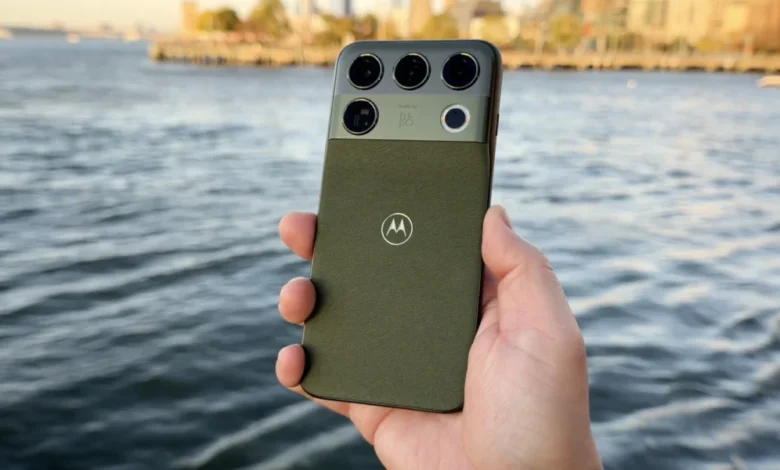
The mobile technology landscape is bracing for a significant shift as Motorola prepares to unveil its latest flagship device, the Signature 27. With a formal announcement scheduled for November 5, anticipation has reached a fever pitch following an exclusive hands-on preview released by tech analyst Danny Winget. This early look at the device provides the most comprehensive data yet regarding the hardware specifications and design philosophy behind Motorola’s most ambitious smartphone to date. As the industry moves toward a new era of display performance and thermal management, the Signature 27 positions itself as a technical benchmark, particularly regarding its proprietary display architecture.
The Technological Leap: Extreme AMOLED Duo
At the heart of the discourse surrounding the Signature 27 is the introduction of what Motorola identifies as the "Extreme AMOLED Duo" display. This panel utilizes Tandem OLED technology, a sophisticated manufacturing process that stacks multiple light-emitting diode layers to achieve superior luminance and longevity compared to traditional single-stack OLED panels.
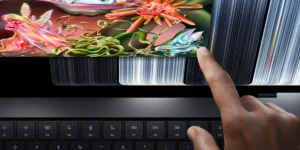
The implications of Tandem OLED technology are substantial. By layering these diodes, the display can achieve significantly higher peak brightness levels while mitigating the rapid pixel degradation typically associated with driving OLEDs at high currents. While the technology has seen limited adoption in the premium laptop sector—most notably in Apple’s "PROLED" MacBook Pro series—and select experimental mobile devices like the Honor Magic 6 RSR, its integration into a mass-market flagship smartphone represents a major milestone for Motorola.

Perhaps the most startling figure disclosed in the pre-launch documentation is the device’s peak brightness: 12,000 nits. This metric, if verified in real-world testing, would place the Signature 27 leagues ahead of current market leaders, which generally hover between 3,000 and 5,000 nits. Such brightness is primarily designed for high-dynamic-range (HDR) content consumption, allowing for exceptional clarity even under the most challenging direct sunlight conditions.
Design and Build Philosophy
The visual identity of the Signature 27 appears to be a refinement of Motorola’s recent design language, emphasizing both ergonomics and aesthetic sophistication. Hands-on footage reveals a device that prioritizes a premium tactile experience, featuring a distinctly textured back panel available in at least two distinct colorways. This choice of material suggests a move away from the high-gloss, smudge-prone glass backs that have dominated the flagship market for the better part of a decade.
Complementing this, the device features a sophisticated curved glass transition from the display to the chassis. This design choice serves both an aesthetic and a functional purpose, creating a more seamless "infinity" feel in the palm while allowing for thinner bezels. The structural integrity of the device appears robust, suggesting that the engineering team has balanced the weight of the massive display modules and the cooling systems with a lightweight alloy frame.
Thermal Management and Sustained Performance
A common bottleneck for modern flagship smartphones is thermal throttling, where the processor slows down to prevent overheating. The Signature 27 appears to address this through a significantly redesigned cooling architecture. Reports from the hands-on sessions indicate the inclusion of a vapor chamber that is 40% larger than its predecessor.

While specific dimensions were not provided, a 40% increase in surface area for a vapor chamber is a massive engineering undertaking. This component is critical for maintaining peak performance during demanding tasks such as high-resolution gaming, 8K video recording, or complex multitasking. By effectively dissipating heat away from the chipset and toward the device’s chassis, the Signature 27 is positioned to maintain higher sustained frame rates and processing speeds over longer durations than competitors with smaller or less efficient cooling solutions.
Chronology of the Development Cycle
The road to the Signature 27 has been marked by a deliberate, measured rollout of information. Motorola has maintained a strict internal timeline to build momentum ahead of the Q4 holiday shopping season:
- September 2026: Initial industry rumors begin to circulate regarding a "revolutionary" display technology being tested in Motorola’s research and development facilities.
- Early October 2026: Motorola leaks confirm the "Signature" branding, signaling a shift toward a more luxury-oriented market segment.
- October 30, 2026: Official confirmation of the November 5 launch date is disseminated via global press channels.
- Early November 2026: Technical influencers and reviewers, including Danny Winget, receive early access to the hardware to provide "first look" impressions, driving pre-launch public interest.
This controlled release strategy reflects a shift in Motorola’s broader marketing strategy—moving from a high-volume, mid-range focus to a targeted, premium-tier strategy designed to challenge the incumbents of the smartphone market.
Supporting Data and Industry Context
The smartphone industry is currently experiencing a "plateau" in terms of year-over-year innovation, with many manufacturers focusing on iterative improvements in cameras and battery life. By centering the Signature 27 on display technology, Motorola is attempting to re-engage consumers who are looking for a tangible reason to upgrade their hardware.

Tandem OLED, while costly to produce, solves the two most persistent issues with mobile OLED panels: brightness degradation and peak light output. According to industry research, the mobile display market is expected to reach a valuation exceeding $50 billion by 2028, with high-luminance, long-life panels like the ones found in the Signature 27 expected to capture the lion’s share of the premium tier. Motorola’s investment here suggests they are positioning themselves to compete directly with Samsung’s "Ultra" series and the high-end variants of the iPhone Pro line.
Implications for the Competitive Landscape
The launch of the Signature 27 is poised to disrupt the market in three key ways. First, it sets a new, potentially unattainable bar for display brightness, forcing other manufacturers to accelerate their own adoption of Tandem OLED or similar stacked architectures. Second, it highlights the importance of thermal management in a thin-and-light form factor, proving that high performance requires specialized engineering, not just the fastest available processor.
Finally, the Signature 27 represents a critical test for Motorola’s brand positioning. By moving into the "Signature" category, the company is effectively shedding its image as a value-oriented manufacturer. Whether the market is willing to pay a premium for these specific advancements—such as the 12,000-nit display and advanced vapor chamber—remains to be seen. However, the early feedback suggests that for the enthusiast segment, the value proposition is clear.
Official Stance and Market Outlook
While Motorola has remained tight-lipped regarding specific pricing and regional availability, the consensus among analysts is that the Signature 27 will carry a price tag consistent with ultra-premium flagships. The company has focused its messaging on the "user experience," emphasizing that the display is the primary interface for everything a user does, from professional creative work to entertainment.

As the November 5 date approaches, the industry is watching closely to see if Motorola can translate these impressive specifications into a cohesive, reliable, and user-friendly product. If the performance in early hands-on tests holds up under rigorous, long-term testing, the Signature 27 could very well be the device that defines the final quarter of 2026.
With the integration of cutting-edge materials and a renewed focus on hardware engineering, the Signature 27 is more than just another phone; it is a statement of intent. As the launch nears, the combination of advanced display tech, upgraded thermal cooling, and a refined design language suggests that Motorola is ready to reclaim a seat at the table of industry leaders. For consumers and critics alike, the wait for the final, full-scale review will be the definitive test of whether this new flagship can deliver on its ambitious promises.