Throughout the history of science fiction storytelling across literature, film, and interactive media, the trope of the derelict spaceship serves as a powerful narrative device. These drifting vessels—whether abandoned due to catastrophic system failure, overtaken by malevolent entities, or contaminated by unknown biological agents—consistently challenge humanity’s impulse to explore the unknown. Despite explicit warning beacons, automated quarantine protocols, and historical precedents of disaster, protagonists in science fiction repeatedly breach these high-risk environments, driven by corporate greed, scientific curiosity, or sheer desperation.
Examining nine of the most iconic and perilous abandoned spaceships across sci-fi history reveals recurring themes regarding the hazards of unmitigated technological and biological expansion. These vessels range from massive corporate mining platforms to ancient, enigmatic artifacts originating from the farthest reaches of the cosmos.
The Evolution of the Derelict Trope in Science Fiction
The concept of the haunted or abandoned vessel has deep roots in maritime history, translating naturally to the vast and unforgiving expanse of outer space. In speculative fiction, the spaceship functions as an isolated ecosystem where characters are cut off from immediate rescue. When these vessels are compromised, the resulting narrative tension typically explores the limits of human endurance, ethical compromises made by corporate entities, and the existential dread of confronting alien intelligence.
1. USG Ishimura (Dead Space, 2008)
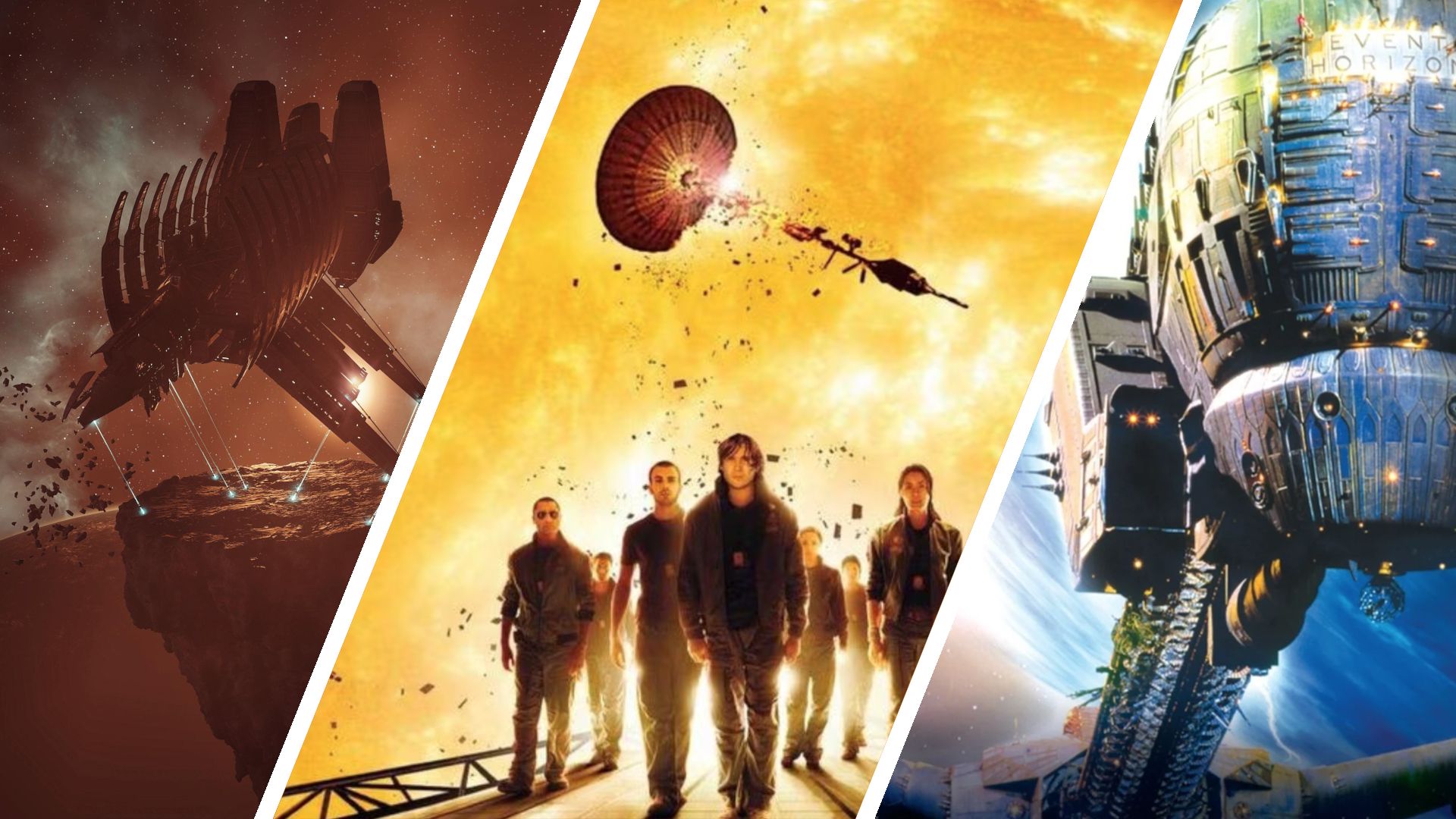
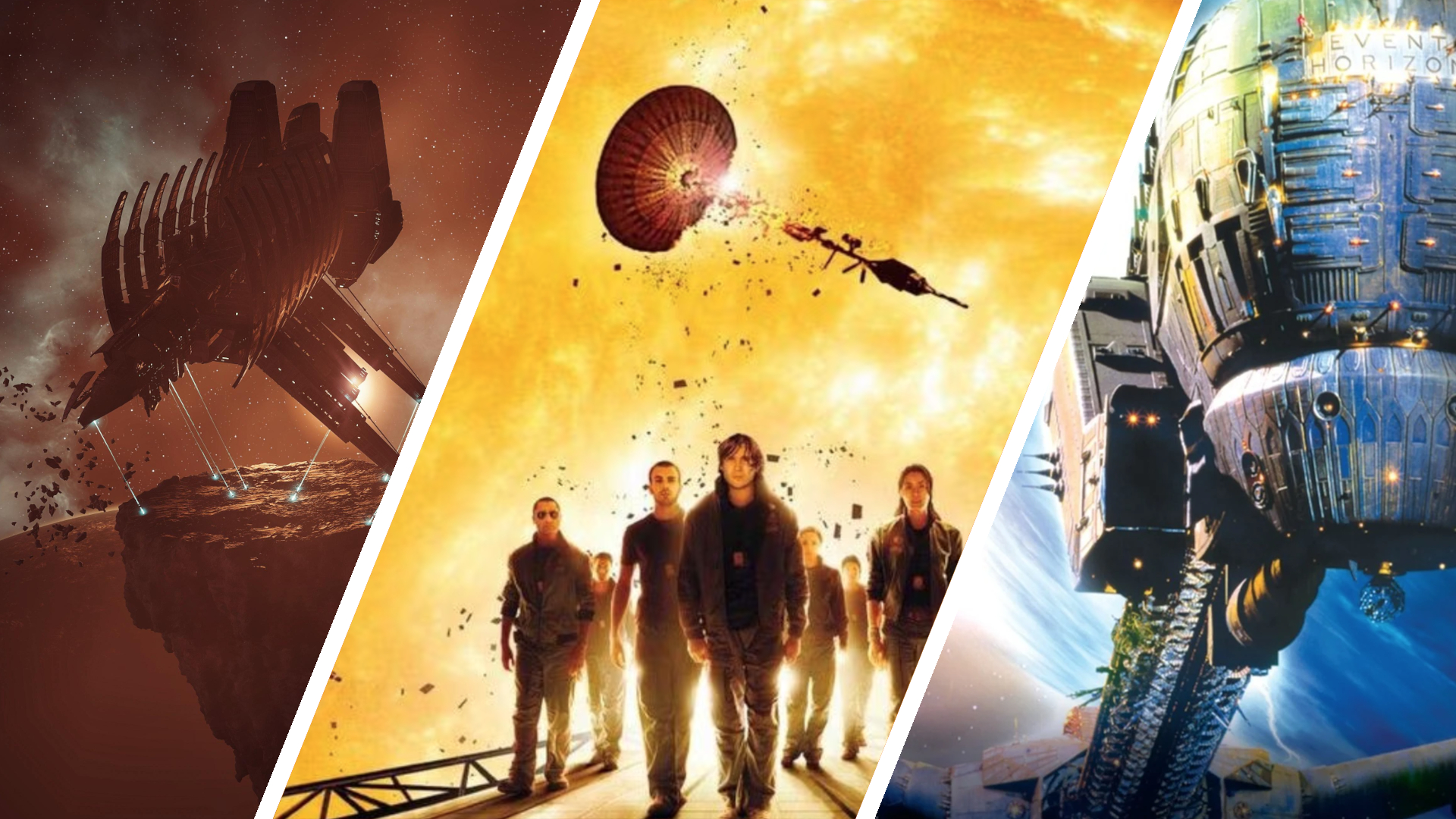
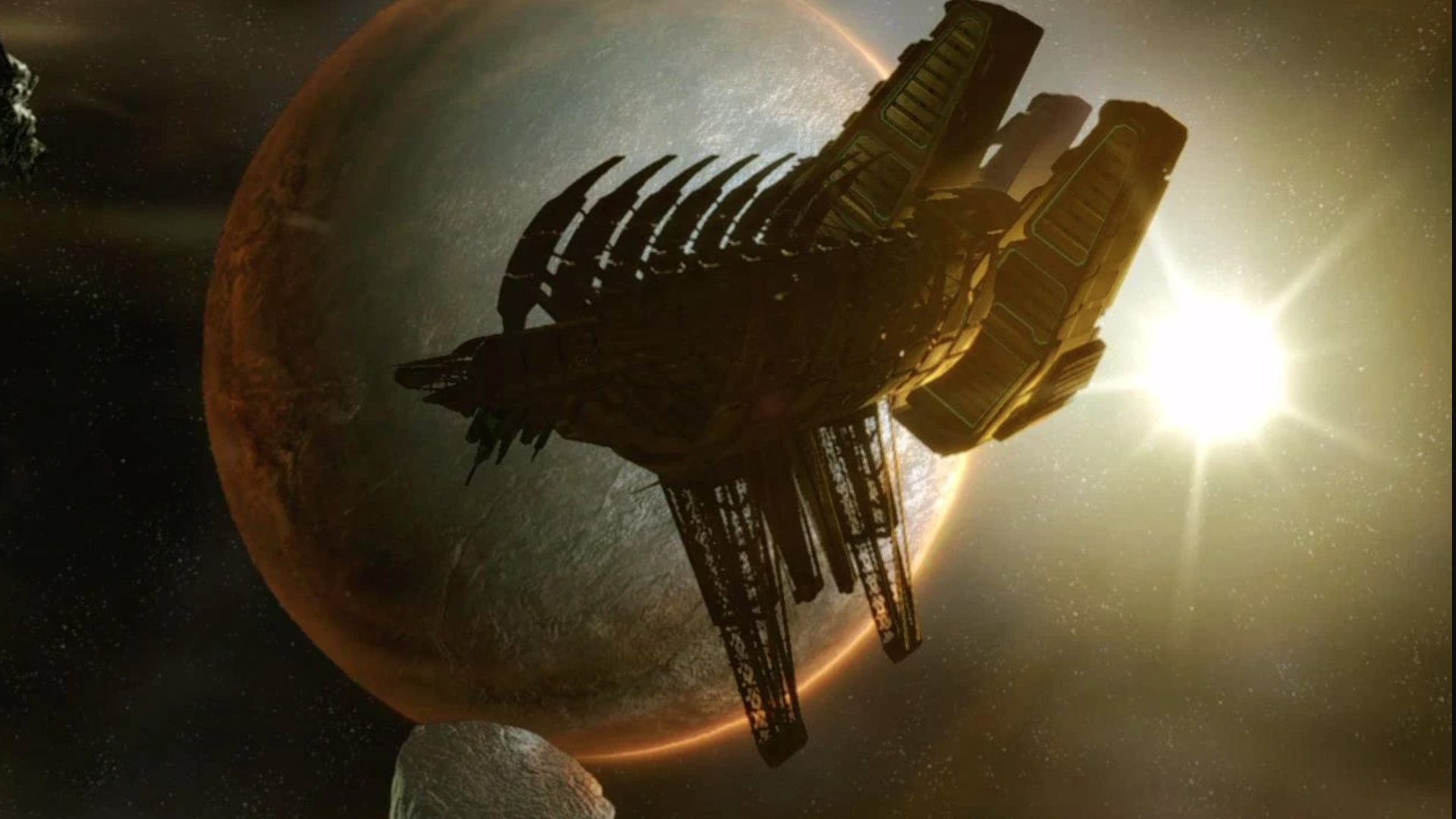
Introduced in Electronic Arts’ critically acclaimed survival horror video game Dead Space (2008), the USG Ishimura represents a monumental engineering achievement subverted by biological catastrophe. Owned and operated by the Concordance Extraction Corporation (CEC), the Ishimura was the universe’s first "Planet Cracker"-class starship, measuring nearly a kilometer in length. Its primary function was to strip-mine entire planetary bodies, liquefying the mantle and refining minerals in transit.
The vessel’s descent into nightmare began during an illegal survey operation on the Aegis VII colony, where crews recovered an alien artifact known as the Marker. The subsequent outbreak of reanimated human corpses, designated as Necromorphs, effectively transformed the mining vessel into a floating slaughterhouse. The strategic implications of the Ishimura disaster highlight the dangers of corporate deregulation and deep-space mining, where profit margins supersede basic safety protocols. Engineer Isaac Clarke’s harrowing mission aboard the ship demonstrated that standard industrial tools, such as plasma cutters, could be repurposed as defensive weapons against highly resilient biological threats.
2. The Grendel (Jason X, 2002)
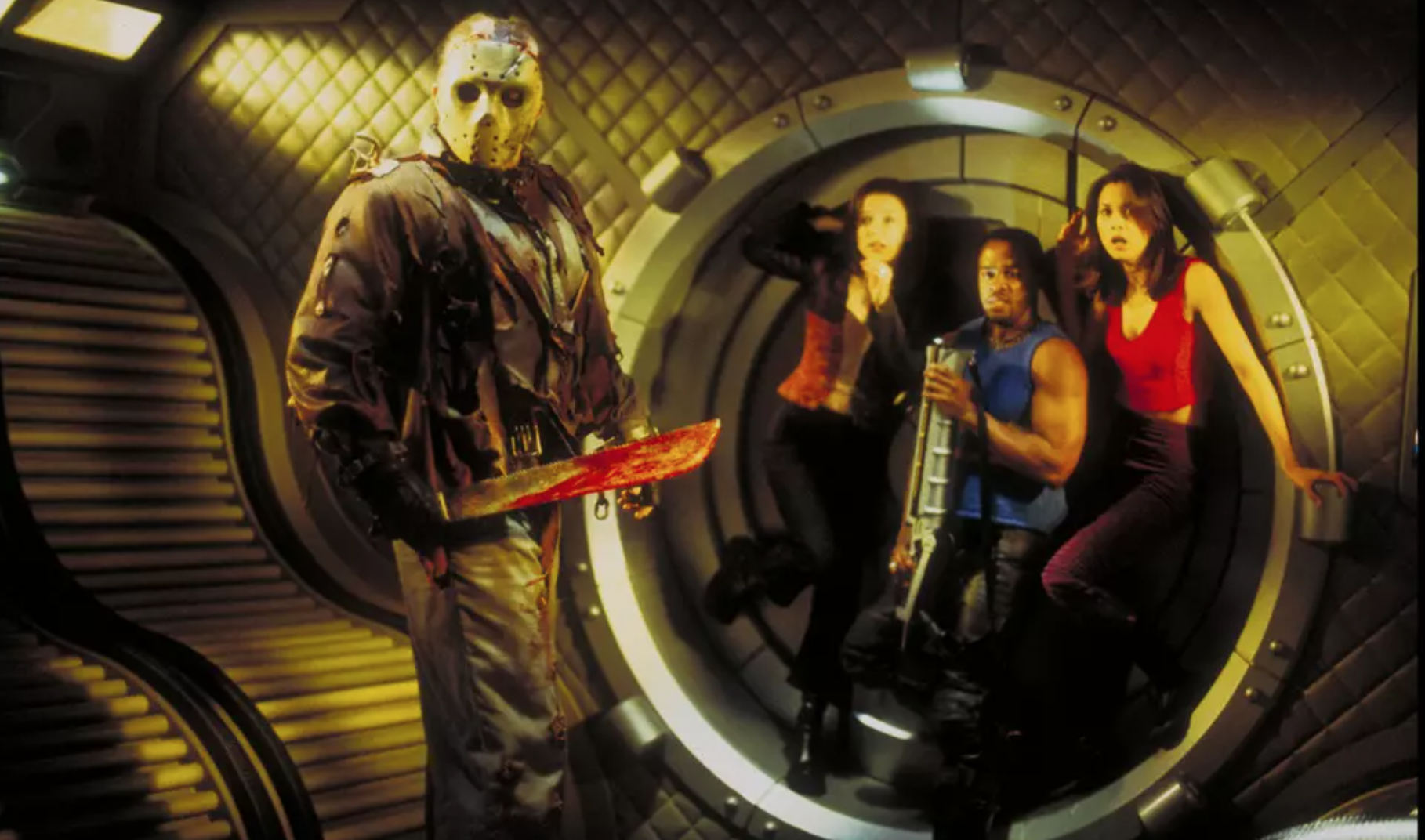
Pushing the boundaries of crossover cinema, Jason X (2002) transports the infamous slasher villain Jason Voorhees from the terrestrial woods of Crystal Lake into the 25th century. The Grendel operates as a student-led medical research vessel surveying a heavily polluted, post-apocalyptic Earth. Researchers recover the cryogenically frozen body of Voorhees for cellular regeneration studies, bringing the subject aboard without anticipating the resilience of the immortal killer.
Once thawed, the Grendel becomes a confined killing field. The narrative of Jason X serves as a stark, albeit campy, warning regarding the hubris of bio-engineering and the mishandling of anomalous biological specimens. The vessel’s eventual destruction—culminating in Jason’s fiery re-entry into the atmosphere of Earth Two—underscores the catastrophic risks associated with unauthorized specimen transport.
3. Rama (Rendezvous with Rama, 1973)
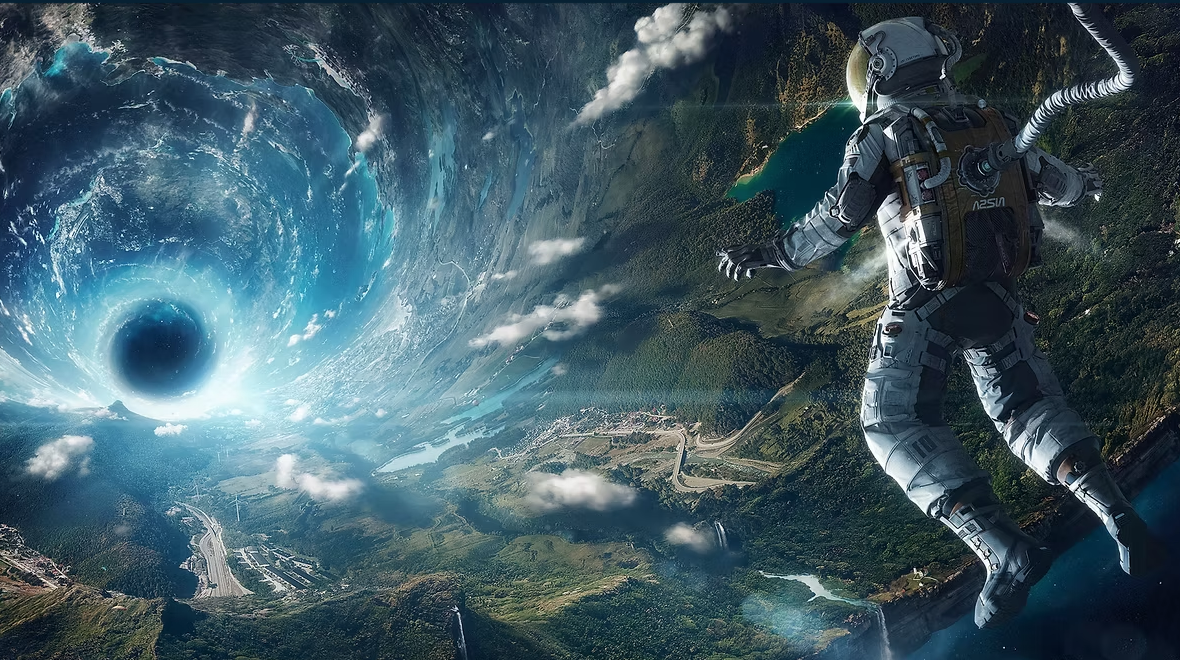
Arthur C. Clarke’s seminal 1973 hard science fiction novel Rendezvous with Rama approaches the concept of the derelict spacecraft through the lens of first contact and overwhelming scale. Spanning 31 miles in length and shaped as a massive cylinder, the alien vessel enters the solar system with a trajectory that evades standard orbital mechanics.
Unlike hostile military or bio-hazard ships, Rama is initially silent and completely hollow. As an internal ice ring thaws to form a vast cylindrical sea, human exploratory teams uncover automated bio-machines, towering metallic geometries, and labyrinthine city-like structures. The vessel’s automated systems and inscrutable purpose raise profound questions regarding galactic civilizations and humanity’s relative insignificance in the universe. The psychological impact on the explorers demonstrates that the sheer incomprehensibility of advanced extraterrestrial engineering can be as destabilizing as direct physical threats.
4. The Scopuli (Leviathan Wakes / The Expanse, 2011)
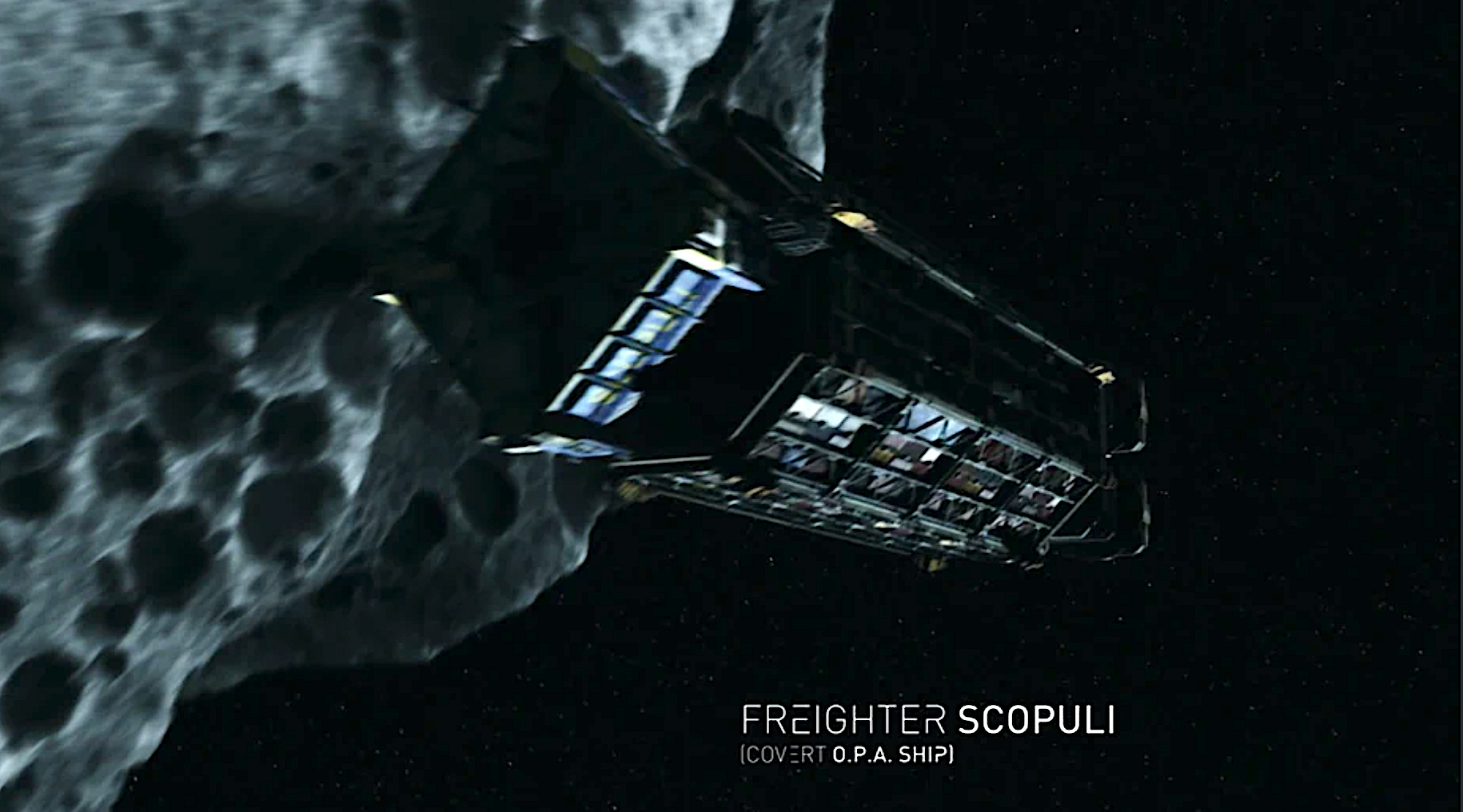
In James S.A. Corey’s Leviathan Wakes (2011), the first installment of The Expanse series, the light Martian freighter Scopuli functions as the catalyst for an interplanetary crisis. Operated by the Outer Planets Alliance (OPA) for clandestine transport, the ship is intercepted and hijacked by the covert security contractor Protogen to test an alien substance known as the protomolecule.
Discovered adrift and rigged as a trap by the crew of the ice freighter Canterbury, the Scopuli exposes the dark realities of corporate espionage and bio-warfare in a colonized solar system. The presence of the glistening, self-replicating protomolecule aboard the ship demonstrates how clandestine research can destabilize geopolitical alliances between Earth, Mars, and the Outer Planets.
5. The Derelict / Juggernaut (Alien, 1979)
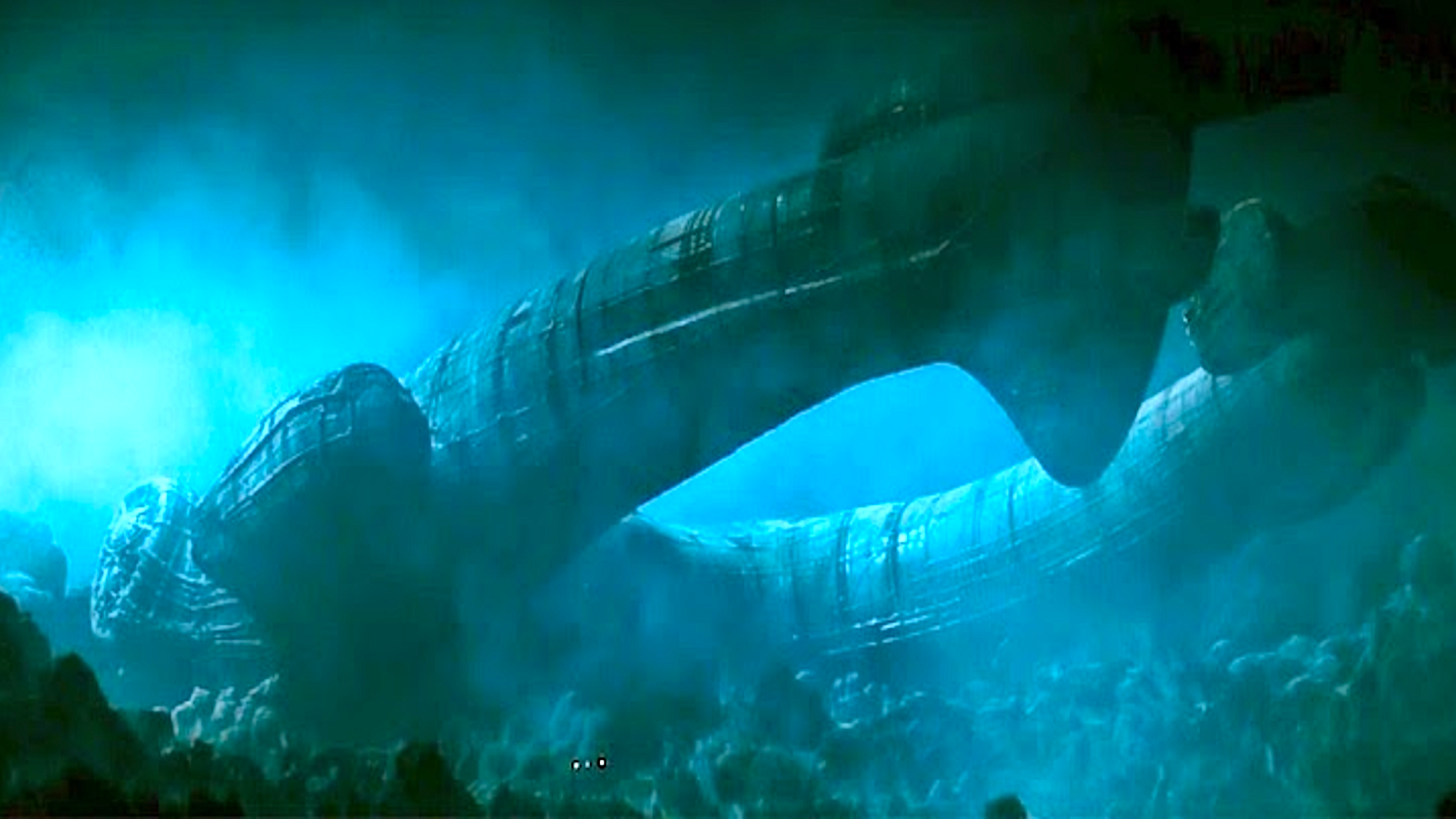
Ridley Scott’s cinematic masterpiece Alien (1979) established the definitive aesthetic for biomechanical horror in space. The unnamed horseshoe-shaped vessel—subsequently expanded upon in prequel media as an Engineer "Juggernaut"—rests in a rocky ravine on the uncharted planetoid LV-426. Broadcasting a repeating warning signal that the crew of the commercial towing vehicle Nostromo misinterprets as a distress call, the ship houses rows of leathery egg pods and fossilized remains.
The architectural design of the Derelict, conceived by artist H.R. Giger, merges organic and mechanical elements to create an environment that feels profoundly ancient and deeply unsettling. The introduction of the Xenomorph organism via this vessel highlights the catastrophic implications of stumbling upon ancient extraterrestrial bioweapons programs.
6. Challenge 142 (It, The Terror from Beyond Space, 1956)
Predating many modern tropes of the haunted spacecraft, the 1956 B-movie classic It, The Terror from Beyond Space presents a sleek silver rescue rocket dispatched to Mars. The mission takes a fatal turn when a carnivorous, multi-ton reptilian entity stows away aboard the vessel to escape the red planet.
Trapped in the confines of a metal hull, the crew must contend with a creature impervious to standard firearms. The narrative structure directly influenced subsequent creature-feature space films, emphasizing the vulnerability of early space exploration teams against resilient, predatory life forms.
7. Icarus 1 (Sunshine, 2007)
Directed by Danny Boyle, Sunshine (2007) presents an existential threat: the dying of the sun and the end of humanity. The Icarus 1 was the first vessel launched to deliver a stellar payload to reignite the star, but it mysteriously vanished years prior to the launch of its sister ship, the Icarus 2.
Upon intercepting the derelict craft, the rescue crew discovers that the former captain, Pinback, has survived by retreating into the ship’s primary observation bay, suffering from severe psychological dissociation and religious fixation induced by prolonged exposure to solar radiation. The Icarus 1 serves as a psychological study on isolation, fanaticism, and the mental toll of cosmic exploration.
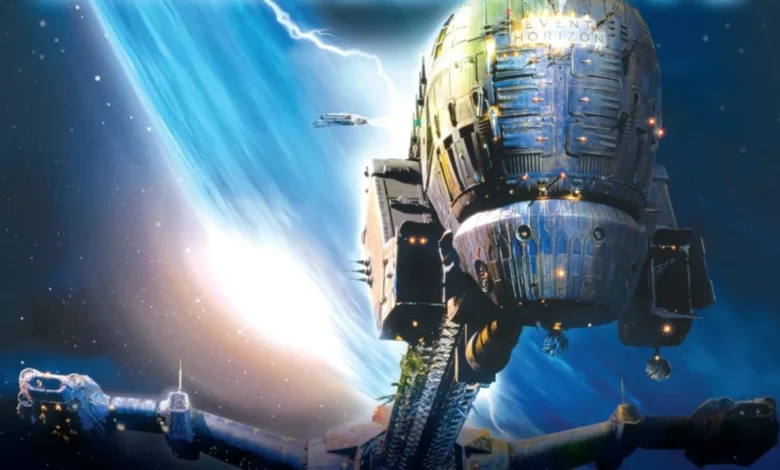
8. The Event Horizon (Event Horizon, 1997)
Paul W. Anderson’s Event Horizon (1997) introduces one of the most mechanically and conceptually terrifying vessels in cinema. Designed after the architecture of a Gothic cathedral, the experimental starship utilized a gravity drive capable of folding spacetime to achieve faster-than-light travel. Upon its maiden voyage, it vanished, reappearing near Neptune years later.
When the rescue ship Lewis and Clark boards the vessel, they discover that the gravity drive did not merely bridge spatial distances; it tore a gateway into a dimension of pure, sentient malevolence. The Event Horizon effectively operates as an entity itself, consuming and torturing its crew. The film’s depiction of technological overreach crossing into metaphysical horror remains a benchmark for the haunted-house-in-space subgenre.
9. The Shenandoah (Creature, 1985)
Rounding out the chronology of derelict spacecraft is the 1985 cult classic Creature. The Shenandoah is a corporate prospecting vessel dispatched to Saturn’s moon, Titan, to investigate an extraterrestrial archaeological dig site. Upon arrival, the crew discovers a slaughtered rival vessel and a predatory, parasitic alien life form that weaponizes human hosts.
While operating within the well-worn narrative footprints established by Alien, Creature reinforces the persistent cinematic theme that corporate exploitation of extraterrestrial resources invariably leads to biological annihilation.
Implications and Analytical Overview
The enduring appeal of the derelict spacecraft in speculative fiction highlights a fundamental human anxiety regarding technology and exploration. Across all analyzed media—from the corporate exploitation depicted in Dead Space and The Expanse to the cosmic existentialism of Rendezvous with Rama and Event Horizon—these vessels serve as cautionary tales. They remind audiences that the universe outside Earth’s atmosphere is vast, indifferent, and frequently perilous, and that some doors, once closed by disaster, are best left unopened.
Related posts: