Dark Souls 2 Frozen Eleum Loyce and Frigid Outskirts ported to Elden Ring Nightreign via new modding project

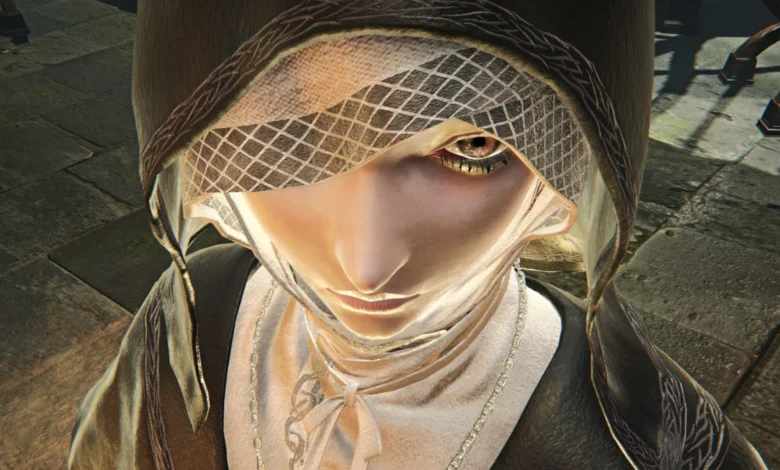
The modding community for the Elden Ring Nightreign ecosystem has achieved a significant technical milestone with the release of a new map project by the developer known as Doneda. This latest contribution effectively ports the iconic Frozen Eleum Loyce and the notorious Frigid Outskirts—both originally featured in the Crown of the Ivory King expansion for Dark Souls 2—directly into the Nightreign framework. This release is part of a broader trend of community-led expansion for the title, leveraging the sophisticated modding infrastructure that has grown around the game’s core engine.
Project Overview and Technical Implementation
The port serves as a standalone map integration, requiring players to utilize the Mod Engine 3 utility to properly inject the assets into the game files. Doneda, who has previously garnered attention within the community for restoring cut content from Dark Souls 2—most notably the subterranean sewers map—has applied a high degree of technical precision to this endeavor.
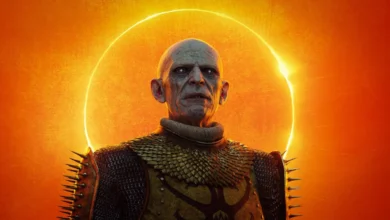
By importing these specific regions, the modder has had to reconcile the distinct environmental design philosophies of the 2014 title with the more modern, expansive rendering capabilities of the Nightreign engine. The transition of the Frigid Outskirts, in particular, demonstrates a creative approach to level design, as the mod utilizes the wide-open spaces inherent to the original level to mimic the mini-open-world aesthetic favored in newer FromSoftware-adjacent titles. Furthermore, the integration features a recontextualized flow for the subterranean chaos arena, where the climactic encounter with the Burnt Ivory King occurs.
Contextualizing Dark Souls 2 Legacy
The inclusion of Frozen Eleum Loyce is notable given the historical reception of Dark Souls 2. Upon its release, the base game was frequently characterized by a departure from the interconnected world design of its predecessor. However, the subsequent Lost Crowns trilogy—which included the Crown of the Sunken King, the Crown of the Old Iron King, and the Crown of the Ivory King—is widely regarded by critics and players alike as the definitive pinnacle of the game’s design.
The leap in quality between the base game and these expansions remains a subject of study for level designers. By bringing these assets into the Nightreign environment, modders are effectively bridging a ten-year gap in technical design, allowing contemporary players to experience these environments through the lens of modern, high-fidelity gameplay mechanics.
Chronology of Nightreign Development
The Nightreign modding scene has undergone rapid evolution since its inception. While the initial focus was on basic compatibility, the community has shifted toward complex structural changes.
- Initial Launch Phase: Focused on baseline stability and fundamental engine access.
- Expansion Phase: Introduction of projects like the Deep of Night update, which added significant boss encounters, such as The Balancers and Libra.
- Systemic Integration Phase: The current era, defined by the integration of external assets, including the porting of weapons from Shadow of the Erdtree and Dark Souls 3 by developers like TerraMag.
- Multiplayer Evolution: The implementation of Yui’s Seamless Co-op mod, which expanded capacity to six players, fundamentally altering the difficulty curve and social dynamics of the game.
Analysis of Modding Impact on Game Longevity
The reliance on community-driven content to sustain player engagement is a recurring theme in the lifecycle of titles that have reached their official support end-of-life. FromSoftware’s move to shift resources toward new projects, such as The Duskbloods, has left a vacuum that the modding community has moved to fill.
From a technical standpoint, the current state of Nightreign serves as a "living" repository of design history. By importing legacy levels, modders are not merely adding content; they are facilitating a comparative study of level architecture. The ability to traverse the verticality of Brume Tower or the horizontal, blizzard-swept plains of Eleum Loyce within the Nightreign engine provides developers and players with a rare opportunity to observe how different environmental variables affect gameplay pacing.
Official Stance and Community Reactions
While there has been no official statement from the original developers regarding the third-party porting of these assets, the industry at large has historically maintained a complex relationship with modding communities. In many instances, the continued engagement provided by these projects serves to maintain the long-term viability of a title’s digital footprint, acting as a form of unofficial, perpetual support.
The reaction from the player base has been largely focused on the potential for future map ports. Doneda’s established workflow suggests that this release is the first of many planned for the Nightreign project. For the average user, these modifications represent a significant extension of the product’s value. However, the requirement for third-party utilities like Mod Engine 3 introduces a barrier to entry that necessitates a degree of technical proficiency, effectively segmenting the player base between casual users and the power-user community.
Broader Implications for the Genre
The trend of "no duh" additions—such as the integration of weapons from other entries in the franchise—highlights a growing expectation for feature parity across the genre. The fact that the community can, with relative ease, implement features that were absent from the original launch suggests that there is a significant discrepancy between developer output and user demand.
The implications for future releases are profound. If the community can successfully transplant entire game worlds into a foreign engine, the expectations for future titles to include legacy content or more robust level editors will only increase. This environment, often described as a "forever empire" of iterative, live-service-adjacent content, challenges the traditional notion of a game as a static product. Instead, it positions the title as a platform upon which players can build their own preferred iterations of the experience.
Technical Challenges and Future Outlook
Despite the success of the Eleum Loyce port, significant hurdles remain. The integration of legacy assets often brings with it legacy bugs, including lighting anomalies, collision errors, and performance degradation in areas not optimized for the Nightreign rendering pipeline. Developers like Doneda are currently tasked with manually correcting these issues, a process that is as much about digital archaeology as it is about software engineering.
Moving forward, the community’s focus is expected to remain on the expansion of the map pool and the refinement of combat systems. As the documentation for the game engine improves, the complexity of these mods is expected to rise, potentially leading to fully custom, original world-spaces that move beyond mere ports. Whether these projects will eventually lead to a unified, community-maintained version of the game remains to be seen, but for now, the release of the Eleum Loyce map stands as a testament to the dedication of the modding community and their influence on the modern gaming landscape.
In conclusion, the intersection of community passion and technical capability has transformed the Nightreign experience from a singular title into a dynamic, evolving environment. By bridging the gap between the design sensibilities of the past and the technical capabilities of the present, developers like Doneda are ensuring that these environments—and the challenges they contain—remain relevant for a new generation of players. As long as the core engine remains accessible, the potential for further integration of iconic levels from the broader history of the genre remains a significant factor in the game’s enduring popularity.
Related posts: