Tripwire Interactive confirms layoffs of 36 employees amid ongoing struggles with Killing Floor 3 performance

The gaming industry continues to face significant volatility as Tripwire Interactive, the developer behind the long-standing Killing Floor franchise, announced a reduction in its workforce. The studio, which has been a staple of the PC and console action-horror genre for nearly two decades, confirmed that 36 employees have been let go. This decision, described by leadership as both difficult and necessary, highlights the mounting pressures currently facing mid-sized studios as they attempt to balance ambitious development cycles with shifting market demands and lukewarm reception to marquee titles.
A Significant Reduction in Staff
The scale of the layoffs represents a major downsizing for the Roswell, Georgia-based company. According to internal sources cited by industry analysts, the reduction impacts a substantial portion of the studio’s total headcount. With reports suggesting that approximately 40 to 50 staff members remain at the company following these departures, the move effectively hollows out a large segment of the team that has been responsible for the studio’s output over the past several years.
In a formal statement released via LinkedIn, the studio addressed the reduction directly, emphasizing that the decision was not made lightly. "Today we share difficult news: Tripwire has undergone a workforce reduction, affecting 36 talented people across our organization," the statement read. "This was certainly not an easy decision, but unfortunately a necessary one for the organization." The message further attempted to reassure stakeholders and the player community that the studio remains committed to its active development pipeline and its ongoing publishing endeavors.
The Context of Financial and Critical Struggles
The timing of these layoffs follows a challenging period for Tripwire Interactive, particularly regarding the commercial and critical performance of its most recent high-profile release, Killing Floor 3. Launched in 2025, the title was highly anticipated by a fanbase that had waited nearly a decade since the release of its predecessor, Killing Floor 2. However, the transition to the latest iteration of the franchise has been fraught with friction.
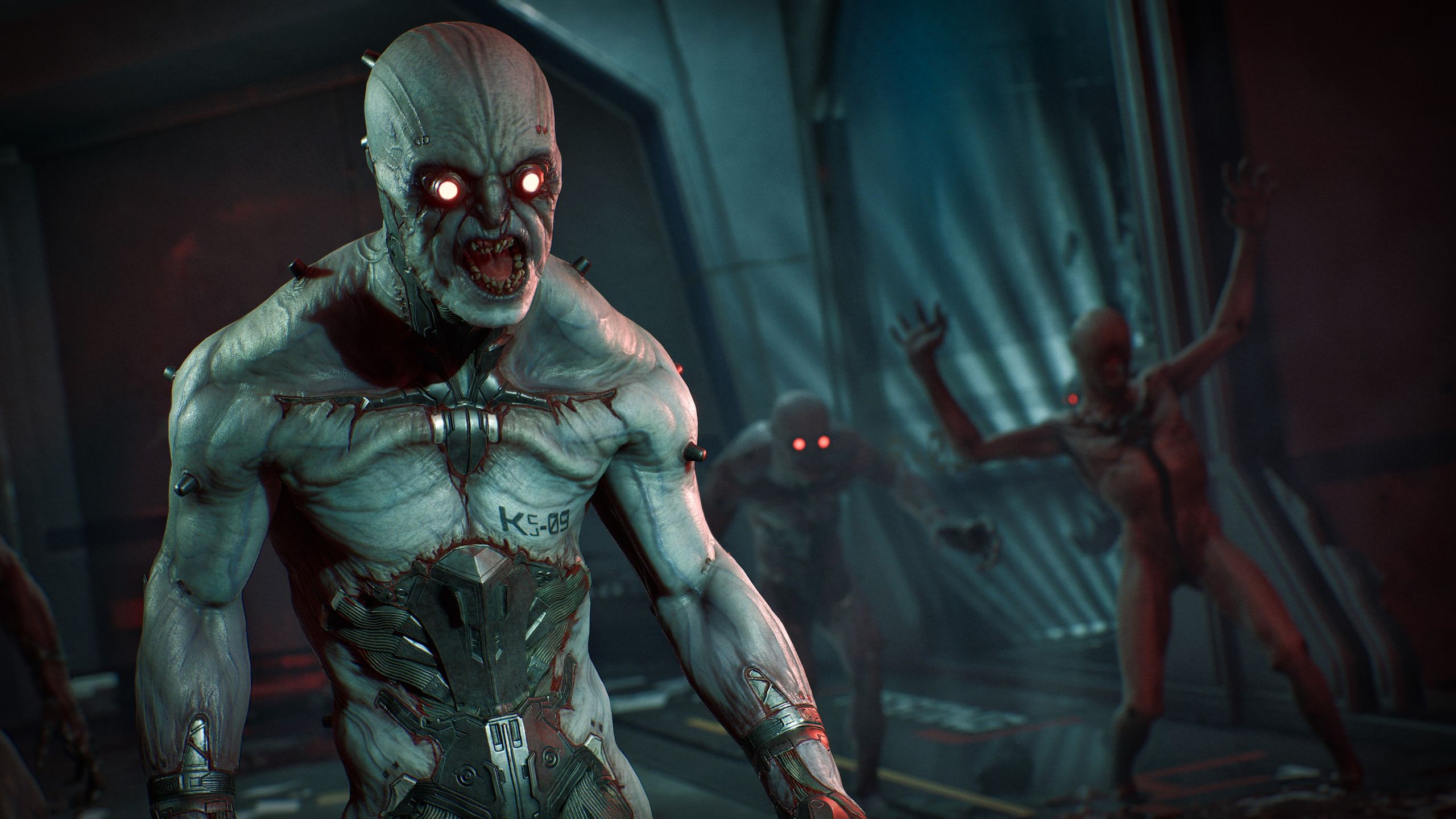
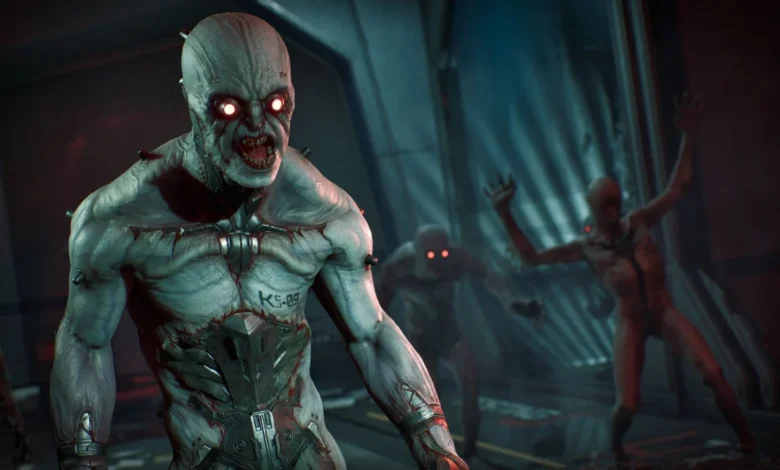
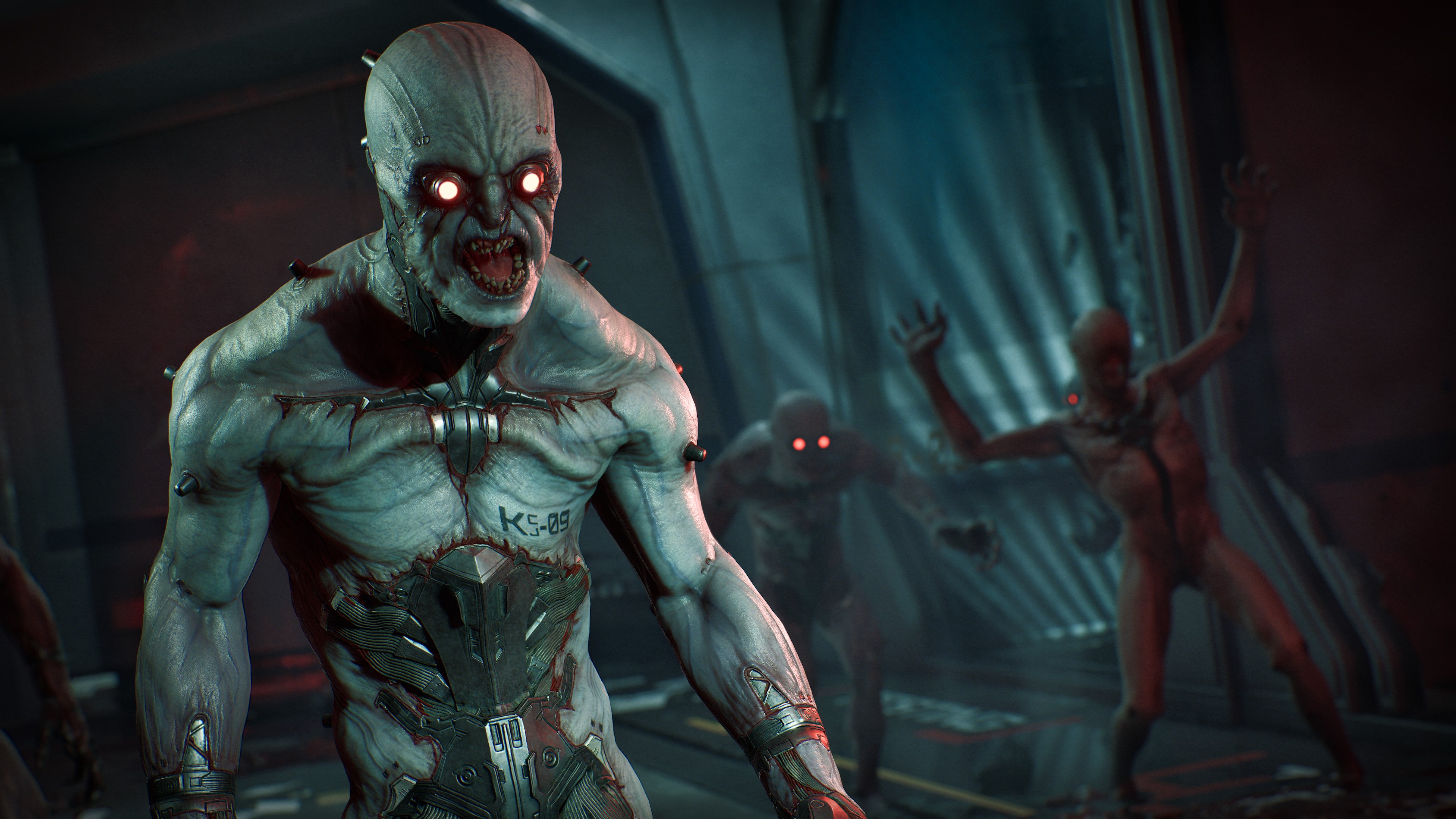
Upon its release, Killing Floor 3 was met with a "mixed" reception from both critics and the community on platforms such as Steam. Players cited various concerns ranging from technical optimization issues to gameplay design choices that diverged significantly from the beloved formula of the 2016 entry. Most notably, the game has struggled to maintain a consistent player base. Current concurrent player counts on Steam represent only a fraction of the engagement seen during the peak years of Killing Floor 2, suggesting that the studio has faced difficulty in capturing the same lightning-in-a-bottle success that defined its earlier history.
This struggle is particularly poignant given the studio’s past success with Maneater, an unconventional open-world action RPG that saw strong commercial results upon its 2020 debut. In September, the company announced that a sequel, Maneater 2, is currently in active development. Whether this project will be enough to restore the studio’s financial momentum remains a primary point of discussion among industry observers.
A Surprising Pivot to Publishing
The news of the layoffs arrived with peculiar timing, occurring less than a week after Tripwire announced a strategic expansion of its publishing division, Tripwire Presents. The initiative is designed to offer "scaled publishing support" for smaller, independent developers—a model often referred to as a "boutique" or "scrappy" publishing service.
Bryan West, the publishing director at Tripwire, described the move as an attempt to provide specific, high-value assistance to independent teams that may lack the resources to handle marketing, quality assurance, or distribution on their own. While this pivot indicates a long-term desire to diversify the company’s revenue streams beyond internal game development, the juxtaposition of this expansion with the immediate termination of 36 staff members has raised questions regarding the company’s internal resource allocation. Critics and analysts are debating whether the shift toward publishing is a proactive strategy to stabilize the company or a reactive measure necessitated by the poor performance of its internal development projects.
Industry-Wide Trends and Implications
The situation at Tripwire Interactive is not an isolated incident but rather a continuation of a broader trend of workforce reductions that have swept the video game industry since 2023. Major publishers and independent studios alike have faced similar corrections following a period of rapid hiring and expansion during the global pandemic. Increased development costs, longer production timelines, and a more crowded digital marketplace have forced many studios to reassess their operational structures.
For mid-sized studios like Tripwire, the challenges are often compounded by the "hit-driven" nature of the market. When a flagship title fails to meet internal revenue targets—or fails to resonate with the core demographic—the resulting financial shortfall can have immediate, cascading effects on staff stability. The reliance on legacy IP, while beneficial for brand recognition, also brings the risk of high-pressure performance expectations that are increasingly difficult to meet in a market where player attention is fragmented across thousands of competing titles.
Future Outlook and Commitments
Despite the downsizing, Tripwire’s leadership maintains that their core objectives remain unchanged. The studio has reiterated its focus on:
- Ongoing development of Maneater 2: A project aimed at capitalizing on the franchise’s unique appeal.
- Continued support for Killing Floor 3: The studio has signaled that it will continue to provide updates and patches to address the community’s feedback and improve the game’s standing on digital storefronts.
- Expansion of the Tripwire Presents label: Scaling the publishing arm to support third-party developers, which the studio hopes will provide a more stable and varied portfolio of revenue.
The coming months will be critical for Tripwire. The success of these initiatives will likely dictate whether the studio can return to a growth phase or if further restructuring will be required. For the 36 affected employees, the news marks a sudden end to their tenure at a company that has long been regarded as a significant pillar of the independent-to-mid-tier gaming scene. As the studio navigates this transition, the eyes of the industry remain fixed on how it will manage its existing IP and whether its new publishing strategy can provide the necessary buffer against the volatility of the current gaming landscape.
Ultimately, the events at Tripwire serve as a stark reminder of the fragile balance between creative ambition and economic reality. As the industry matures, studios are increasingly being forced to prioritize efficiency and long-term sustainability over aggressive expansion, a shift that is clearly being felt by the workforce at all levels of the development process. Whether Tripwire can navigate these turbulent waters will depend on its ability to listen to its remaining player base while successfully executing its new, diversified business strategy in an increasingly competitive global market.