Microsoft’s Xbox division is undertaking a significant strategic shift, aiming to re-engage its player base and preserve its gaming legacy through the introduction of Xbox Backward Compatibility on PC. This initiative, unveiled via Xbox Wire, promises to bring a curated selection of "classic" Xbox titles to personal computers and compatible handheld devices, marking a notable departure from its recent, widely reported job cuts and studio closures that affected approximately 3,200 employees and four development studios. The move signals a renewed focus on accessibility and historical game preservation, a stark contrast to the uncertainty surrounding the company’s broader gaming business following recent leadership comments that have been perceived as lacking clear direction.
The new program leverages emulation technology to deliver these older games to a modern audience. Beyond simply making them playable, Xbox Backward Compatibility on PC will introduce a suite of enhancements designed to modernize the player experience. These improvements include adjustable graphics settings, allowing for up to 4x resolution upscaling, VSync support for smoother visuals, and the option to switch between fullscreen and windowed display modes. Furthermore, players can expect enhanced visual fidelity through anisotropic filtering and improved anti-aliasing techniques, aiming to bring these beloved titles closer to contemporary visual standards.
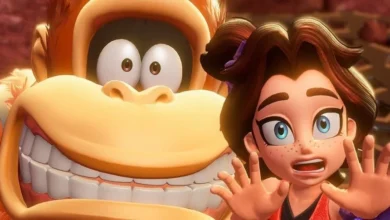
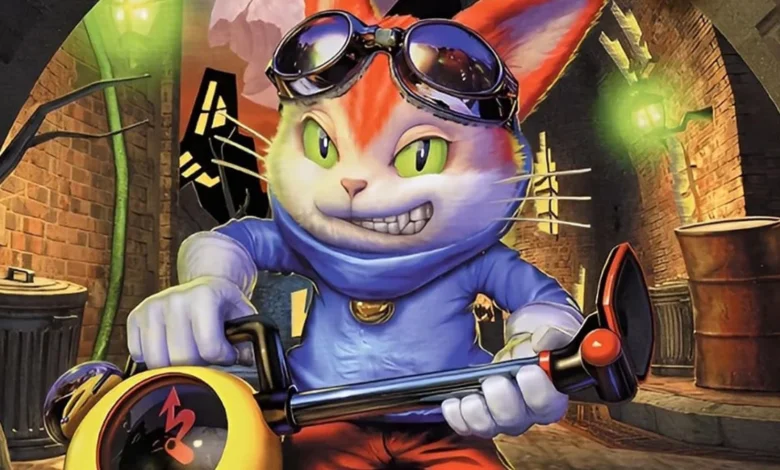
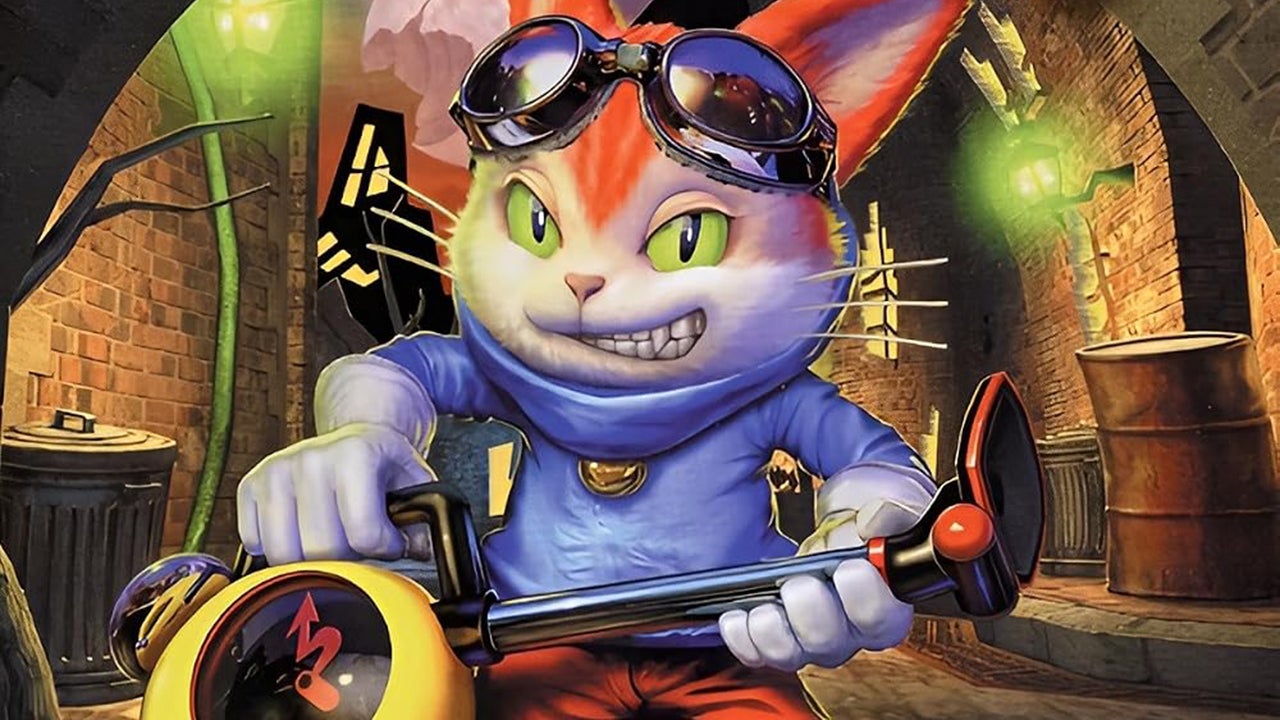
The initial rollout features a quartet of games that, while perhaps not system-selling blockbusters, hold nostalgic value for many players: Blinx: The Time Sweeper, Conker: Live & Reloaded, Crimson Skies: High Road to Revenge, and Fuzion Frenzy. While games like Crimson Skies have garnered a dedicated following and vocal support for potential remakes or remasters, this collection represents a deliberate effort to make older, less readily available titles accessible. This strategy stands in contrast to the prevailing industry trend of remakes and remasters, often accompanied by the increasing difficulty of legally acquiring and playing original releases. Xbox’s original backward compatibility program for its consoles was a significant strength in the previous generation, and this PC-focused expansion can be seen as an evolution of that commitment to preserving and expanding access to its historical library.
Crucially, these newly available PC versions are integrated into the Xbox ecosystem. Each of the four launch titles is available for purchase individually on PC, with a price point of $9.99 USD (subject to regional variations). More significantly, they are also included as part of all Xbox Game Pass subscription tiers. This integration ensures broad accessibility for subscribers, further incentivizing engagement with the platform. For players who previously owned digital licenses for these games on their Xbox consoles, the announcement confirms that these licenses will now carry over to their PC or handheld devices, offering a seamless transition and added value. The inclusion of cloud support for these emulated titles further enhances their portability and accessibility across different devices.
A Strategic Pivot in the Face of Industry Shifts
The announcement of Xbox Backward Compatibility on PC comes at a critical juncture for Microsoft’s gaming division. The company recently underwent a significant restructuring, including the aforementioned layoffs and the closure of studios like Arkane Austin, Tango Gameworks, Alpha Dog Games, and Roundhouse Studios. These actions, coupled with broader industry trends such as the increasing cost of game development and the consolidation of major publishers, have led to widespread speculation about Xbox’s future strategy. The company has publicly stated its commitment to Xbox, but the specifics of its long-term vision have remained somewhat opaque, leading to confusion and concern among fans and industry observers alike.
This backward compatibility initiative can be interpreted as a strategic move to shore up player loyalty and demonstrate a tangible benefit of the Xbox ecosystem beyond new releases. By focusing on game preservation and accessibility, Xbox is tapping into a segment of the market that values nostalgia and the ability to revisit past gaming experiences. This approach also allows Microsoft to leverage its existing IP without the substantial investment typically required for full remakes or remasters, especially for titles that may not have the commercial appeal of major franchises.
The Evolution of Backward Compatibility
Xbox’s commitment to backward compatibility dates back to the Xbox 360 era, where it became a standout feature that differentiated it from competitors. The Xbox One generation saw a significant expansion of this program, with hundreds of Xbox 360 and original Xbox titles becoming playable on the newer console. This effort was widely praised for its player-centric approach and its role in preserving gaming history.
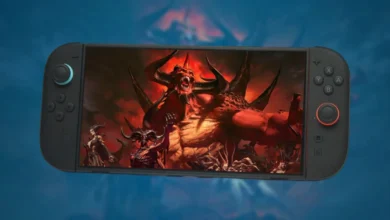
The current PC-focused initiative represents a natural evolution of this concept. With the increasing popularity of PC gaming and the rise of powerful handheld devices like the ROG Ally, which explicitly supports Xbox Game Pass and cloud gaming, extending backward compatibility to this platform makes strategic sense. It allows Xbox to reach a wider audience and cater to a growing demand for gaming on the go and on alternative hardware.
Technical Enhancements and Future Prospects
The technical enhancements offered with these emulated titles are designed to bridge the gap between older games and modern hardware. The ability to upscale resolution to 4x, for instance, can dramatically improve the visual clarity of games originally designed for much lower display resolutions. Features like anisotropic filtering and enhanced anti-aliasing will further refine the image quality, making these classics more palatable to players accustomed to contemporary graphics.

Jason Ronald, VP of next-generation at Xbox, hinted at further developments, stating, "We plan to add even more features to Xbox Backward Compatibility games in the future." This suggests that the current offerings are just the beginning. The announcement also revealed that achievements will be implemented for these four initial titles in the coming months, further integrating them into the modern Xbox ecosystem and providing players with new goals to strive for.
The seemingly sudden and perhaps "half-baked" nature of this initial wave of releases has led some to speculate that this is a reactive measure, a "break in case of emergency" announcement designed to generate positive news amidst a period of internal upheaval. This is a sentiment echoed by comparisons to recent announcements regarding Bethesda’s game roadmaps, which also appeared to be rapid reveals. However, regardless of the immediate impetus, the underlying strategy of enhancing access to its back catalog has long-term merit.
Broader Industry Context and Implications
The move by Xbox also occurs within a larger industry context where the preservation of digital games is becoming an increasingly pressing concern. As older hardware ages and digital storefronts evolve, many classic games risk becoming lost to time. Platforms like GOG (Good Old Games) have made significant efforts to preserve older titles by making them available on modern operating systems.
In contrast, the console landscape presents a more complex picture. Sony, for instance, has signaled a potential shift away from physical media, with reports indicating a complete discontinuation of physical game releases by January 2028. This raises questions about the future of disc-based backward compatibility on future PlayStation consoles. Xbox’s continued investment in backward compatibility, even if initially PC-focused, stands as a counterpoint to this trend, emphasizing a commitment to a broader and more enduring gaming library.
The implications of Xbox Backward Compatibility on PC are multifaceted. For players, it means greater access to a rich history of gaming, with the added benefit of modern technical improvements. For Xbox, it represents a strategic opportunity to re-engage its fanbase, leverage its extensive back catalog, and reinforce the value of its ecosystem, particularly Xbox Game Pass. It also serves as a potential indicator of future directions, perhaps even hinting at a renewed focus on console backward compatibility in the long term. As the industry continues to grapple with evolving business models and player expectations, Xbox’s initiative to bring its classics to the forefront offers a compelling example of how to honor gaming’s past while building for the future. The success of this program will likely hinge on the continued rollout of more titles, the depth of future enhancements, and Xbox’s ability to consistently communicate its vision for preserving and expanding its historical gaming legacy.
Related posts: