
Following the blockbuster streaming debut of Universal Pictures’ psychological thriller Obsession, audiences have flooded digital platforms seeking similar cinematic experiences defined by relentless dread, acute psychological paranoia, and high-stakes tension. Directed with a ferocious intensity that highlights the unhinged lead performance of Inde Navarrette alongside Michael Johnston as Bear, Obsession has quickly established itself as a dominant fixture in contemporary horror viewing metrics since arriving on Netflix. For viewers still grappling with the atmospheric unease and visceral narrative beats of Obsession, the streaming catalog offers several curated companion pieces that echo its themes of psychological destabilization, home invasion anxiety, and supernatural haunting.
To satisfy the appetite of horror enthusiasts searching for comparable cinematic trauma, critics and genre specialists have highlighted three distinct titles currently available on Netflix: Mike Flanagan’s taut home-invasion slasher Hush, the critically acclaimed refugee ghost story His House, and Flanagan’s mind-bending supernatural puzzle Oculus. Each selection builds upon the claustrophobic dread characteristic of Obsession while offering unique structural and narrative approaches to modern horror storytelling.
The Evolution of Tension-Driven Horror
The cultural resonance of films like Obsession points to a broader contemporary appetite for psychological thrillers that prioritize atmosphere, character-driven peril, and spatial confinement over cheap jump scares. In an era where audiences frequently consume horror within the distractions of a home viewing environment, filmmakers must work harder to command attention. This has led to a resurgence of tightly wound, single-location narratives where the physical boundaries of a setting mirror the psychological entrapment of the protagonists.
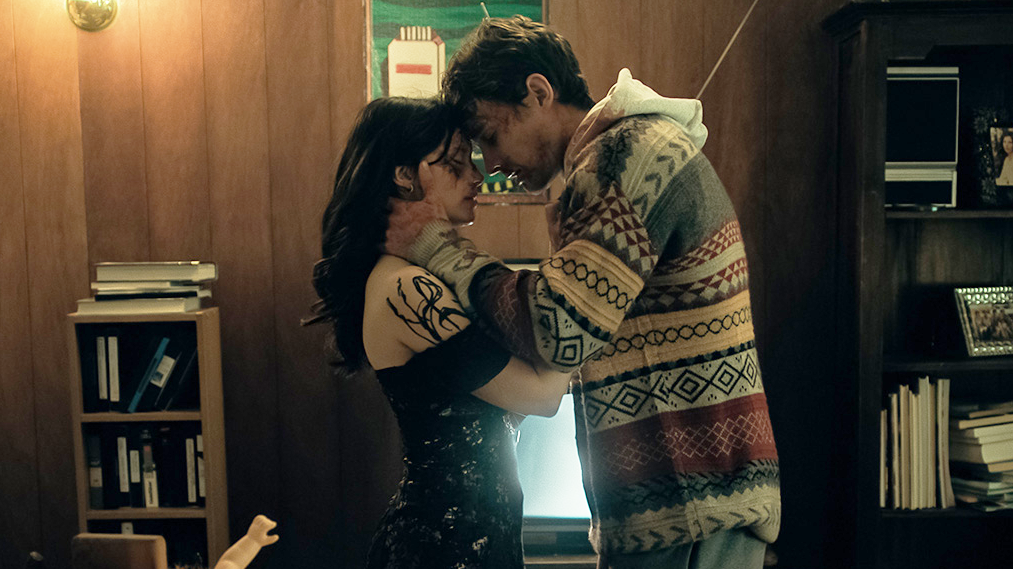
Obsession succeeds by forcing its characters into emotionally and physically volatile situations where escape seems mathematically impossible. Replicating that specific sensation of being cornered requires masterclass direction, precise pacing, and performances capable of conveying absolute psychological fracture. The titles chosen to follow a viewing of Obsession share these exact DNA strands, relying on masterful tension building rather than endless gore.
Hush: A Masterclass in Audiovisual Suspense
Among the most direct thematic successors to the claustrophobia of Obsession is the 2016 slasher film Hush. Directed by Mike Flanagan long before his ascension to mainstream television horror royalty with critically acclaimed projects like The Haunting of Hill House and Midnight Mass, Hush presents a brilliantly minimalist premise executed with surgical precision.
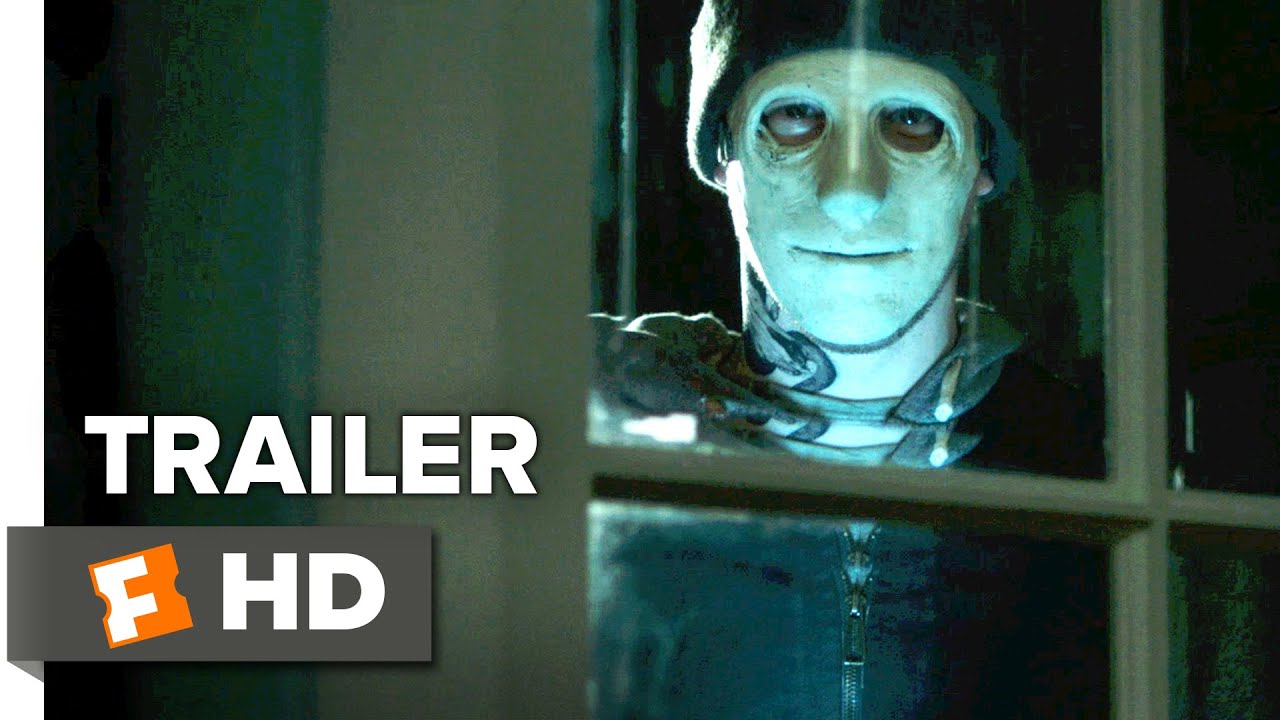
The film stars Kate Siegel—Flanagan’s frequent collaborator and spouse—as Maddie, an author who lost her hearing and ability to speak as a teenager due to bacterial meningitis. Living in a serene, isolated home in the remote woods, Maddie believes she has found sanctuary from the complexities of urban life. However, her solitude is shattered when a masked serial killer (played chillingly by John Gallagher Jr.) appears at her window, selecting her as his next sport.
Breaking Slasher Tropes Through Innovative Sound Design
What elevates Hush above standard slasher fare is its revolutionary approach to audio design. By frequently shifting the audio perspective between normal hearing and Maddie’s total deafness, Flanagan immerses the viewer directly into her vulnerability. When the audio cuts out entirely, the audience experiences the absolute helplessness of knowing a killer is moving through the house unheard.

Crucially, Hush resists the tired horror trope of reducing its protagonist to a helpless damsel in distress. Maddie relies on her acute visual awareness, writing skills, intelligence, and sheer survival instinct to outwit her tormentor. Rather than folding under pressure, she devises systematic countermeasures, transforming her isolated home into a tactical battleground. For audiences captivated by the fierce survival instincts displayed in Obsession, Maddie’s resilience provides an equally empowering and harrowing viewing experience.
His House: Redefining the Haunted House Narrative
Moving from isolationist slashers to supernatural socio-political horror, the 2020 masterpiece His House stands as one of the most critically acclaimed and universally praised additions to Netflix’s horror library. Written and directed by Remi Weekes in his feature-film directorial debut, the movie holds a pristine 100% approval rating on Rotten Tomatoes, cementing its status as a modern classic.
The film follows Bol (Sope Dirisu) and Rial (Wunmi Mosaku), a young refugee couple who make the perilous crossing from war-torn South Sudan to the United Kingdom. After surviving a harrowing journey across the Mediterranean—during which they tragically lose their young daughter—they are granted probationary asylum and assigned a dilapidated, decaying house in an English town by their caseworker (played by Doctor Who star Matt Smith).
The Supernatural Manifestation of Guilt and Displacement
Rather than utilizing the haunted house trope as a mere backdrop for cheap parlor tricks, His House infuses the supernatural elements with profound thematic weight. The entity—or "night witch"—that haunts their new home is inextricably bound to the ghosts of their past, specifically the moral compromises they made to survive the atrocities of the civil war.
Bol attempts desperately to assimilate, forcing himself to eat English food with utensils, wear western clothes, and suppress his cultural identity to satisfy the stringent demands of their bureaucratic overseers. Rial, conversely, recognizes that the horrors they fled cannot be left behind so easily. The tension between assimilation and cultural preservation creates an agonizing domestic friction that deepens the supernatural terror.
The film’s exploration of survivor’s guilt, systemic neglect, and the psychological trauma of displacement provides a heavy, resonant atmosphere that mirrors the emotional devastation found in Obsession. Weekes blends social commentary with genuine, skin-crawling scares, delivering an unforgettable cinematic punch.
Oculus: The Psychological Labyrinth of Memory and Trauma
Concluding the triumvirate of recommended viewing is another masterwork from Mike Flanagan: the 2014 psychological horror film Oculus. Featuring a stellar cast led by Karen Gillan and Brenton Thwaites, the film tackles the terrifying concept of an unreliable reality, making it an ideal companion piece for anyone fascinated by the psychological unhinging depicted in Obsession.
The narrative centers on two siblings, Kaylie (Gillan) and Tim (Thwaites), whose childhood was irrevocably shattered by the tragic deaths of their parents. Eleven years prior, their father purchased an antique mirror—known as the Lasser Glass—which possessed a malevolent supernatural sentience. The mirror manipulated their parents, warping their minds, driving them to extreme paranoia, and ultimately leading to a horrifying domestic massacre.

Following Tim’s release from a psychiatric facility where he spent a decade processing the trauma, Kaylie tracks down the mirror, determined to prove that a supernatural entity was responsible for their family’s destruction rather than their father’s descent into madness. She sets up an elaborate, highly calculated scientific surveillance system in their childhood home to capture and destroy the artifact once and for all.
Non-Linear Storytelling and Psychological Disorientation
Oculus brilliantly utilizes a dual-timeline structure, seamlessly intercutting between the terrifying events of the siblings’ childhood and their meticulously planned trap in the present day. As the mirror’s influence takes hold, the boundaries between past and present, hallucination and objective truth, completely dissolve. Characters find themselves interacting with events happening decades apart as though they were occurring simultaneously in the same room.
Gillan delivers a mesmerizing, brilliantly unhinged performance as an adult driven to monomaniacal obsession. Her desperate need for vindication blinds her to the subtle ways the mirror is weaponizing her own memories and psychological vulnerabilities against her. This descent into obsessive madness offers a direct thematic mirror to the psychological spirals witnessed in Obsession, leaving viewers questioning their own perceptions long after the credits roll.
Navigating the Psychological Horror Landscape on Streaming
The inclusion of these three diverse titles on Netflix underscores the platform’s expanding investment in high-concept, critically acclaimed horror cinema. While blockbusters like Obsession capture immediate cultural attention through star power and high-octane marketing, streaming ecosystems provide a second life for mid-budget, high-craft horror films that rely on intricate writing, strong thematic underpinnings, and stellar ensemble performances.

Industry analysts note that psychological horror and thrillers consistently generate high user retention rates on subscription video-on-demand services. Unlike action movies or broad comedies, horror demands active cognitive engagement, prompting viewers to discuss plot mechanics, symbolisms, and character motivations across social media and specialized entertainment forums.
For fans who have already experienced the psychological whirlwind of Obsession, diving into the minimalist tension of Hush, the socio-political terror of His House, or the reality-warping nightmare of Oculus offers a masterclass in how different directors approach the anatomy of fear. Whether through the physical threat of an unseen stalker in the woods, the spectral weight of historical trauma within public housing, or the insidious influence of a cursed antique mirror, these films prove that the most terrifying monsters are often those that exploit our own minds.