Tired of WhatsApp backup eating away your Google Drive storage? They’ve got a solution now

This development marks a pivot in how one of the world’s most popular messaging platforms manages user data. For the millions of Android users who rely on WhatsApp for daily communication—often accumulating gigabytes of media, voice notes, and document attachments—the previous reliance on Google Drive often meant hitting the 15GB free storage ceiling provided by Google. When that threshold is reached, users are frequently prompted to purchase additional Google One storage or face the cessation of essential backups, creating a persistent friction point in the user experience.
A New Era of Data Sovereignty
The core of this update is the introduction of a proprietary cloud infrastructure managed directly by WhatsApp. Under the new system, users will no longer be strictly tethered to their Google Drive allocation. Instead, the platform is introducing a redesigned interface within the application’s settings menu, allowing users to select their preferred backup provider.

Upon selecting the native WhatsApp cloud service, users are provided with 2GB of complimentary storage. While this may appear modest compared to the total storage offered by a standard Google account, it is specifically dedicated to chat history, which for many users, is the primary reason they maintain a backup. For those with extensive media libraries or professional archives that exceed this initial 2GB allocation, the platform is introducing tiered subscription models. These include integration with WhatsApp Plus for those seeking mid-range storage capacities of up to 100GB, and high-capacity options reaching 4TB, available through the comprehensive Meta One subscription service.
The Chronology of Integration and Independence
The relationship between WhatsApp and Google Drive has evolved significantly since it was first introduced in 2015. At the time, the partnership was hailed as a breakthrough for Android users, offering a reliable, cloud-based safety net for chat history. For nearly a decade, this integration remained the gold standard for cross-device restoration.
However, the landscape began to shift in late 2023 and early 2024, when Google began phasing out unlimited storage for WhatsApp backups on Android, aligning the platform with the storage policies already in place for Google Photos and Gmail. This change forced many users to reconcile with their storage usage for the first time. The current rollout of a native backup solution by Meta is, in many ways, a direct response to this policy shift. By taking control of the storage infrastructure, Meta is insulating its user base from third-party storage policies, thereby gaining more control over the retention and migration of data across its ecosystem.

Security and Encryption Standards
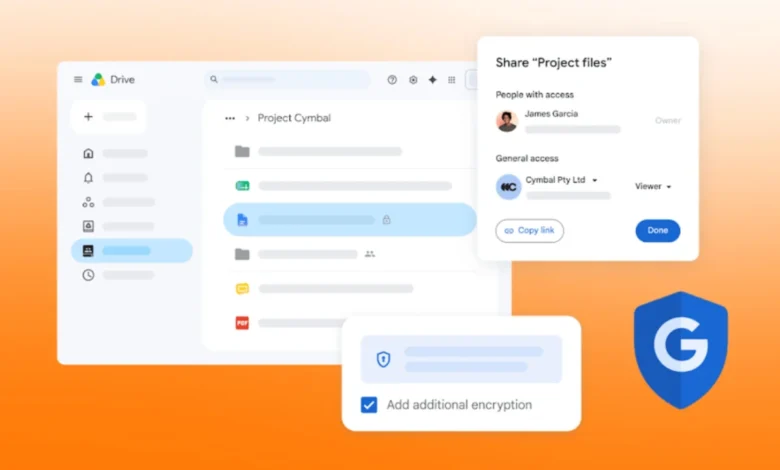
A critical concern when shifting data from a trusted third party like Google to a platform-specific cloud is security. Meta has explicitly addressed these concerns by ensuring that all backups stored on its proprietary servers remain end-to-end encrypted by default.
The security architecture requires users to undergo a mandatory configuration process before their initial backup is initialized. This includes the creation of a passkey or the generation of a unique 64-digit encryption key. This implementation is designed to ensure that the content of the backups remains inaccessible to any unauthorized parties, including Meta itself. By requiring this high level of encryption, the company aims to maintain parity with its messaging security standards, ensuring that the cloud backup is as private as the live chat sessions.
Furthermore, the company has introduced a "safety buffer" mechanism for subscribers. In the event that a user’s paid subscription expires or lapses, their data will not be immediately purged. Instead, the platform will retain the most recent backup for a period of up to four months. This grace period is intended to provide users with sufficient time to resolve payment issues or transition their data without the risk of permanent loss.

Analytical Implications for Cloud Storage Markets
The shift toward proprietary backup solutions represents a broader trend in the tech industry: the move toward vertical integration. By internalizing the storage of user data, companies like Meta can optimize costs, reduce reliance on external service providers, and create a more "sticky" ecosystem.
For the average consumer, this provides a clearer separation between personal file storage—such as photos, documents, and system backups in Google Drive—and communication data. If a user’s Google Drive is cluttered with high-resolution video files or large PDF documents, their WhatsApp chat history will no longer compete for that space. This is expected to improve the management of digital assets for the average smartphone user, who often struggles to organize disparate data types under a single, limited storage cap.
Industry analysts suggest that this move could also lead to competitive pricing in the cloud storage market. As Meta positions its subscription tiers against Google One and iCloud+, the added value of specific, platform-native benefits—such as seamless device migration and advanced data recovery tools—could incentivize users to diversify their cloud storage spending.

Current Rollout Status and Future Outlook
The feature is currently being deployed to a select group of Android beta testers via the Google Play Store. This phased approach allows the development team to monitor server loads, identify potential bugs in the encryption process, and gather user feedback on the interface design. While a specific date for the global public release has not yet been announced, the move is widely expected to be pushed to the stable channel in the coming months.
For those currently participating in the beta, the transition process is straightforward. Once the update is installed, the "Chat Backup" section in settings will display the new configuration options. Users are advised to ensure they have their 64-digit encryption key or passkey saved in a secure, offline location, as losing this key will result in the permanent loss of access to their backed-up chat history.
As the industry moves toward more granular data management, this update by WhatsApp serves as a blueprint for other applications that currently rely on third-party cloud infrastructure. By providing users with greater autonomy, Meta is not only addressing a persistent storage issue but also signaling a move toward a more modular approach to digital life management.

Ultimately, the goal is to provide a user experience that is both frictionless and secure. Whether this shift will result in widespread migration away from Google Drive for WhatsApp backups remains to be seen, but the offer of a dedicated, encrypted, and flexible storage environment provides a compelling alternative for millions of users worldwide. As the rollout progresses, the focus will likely shift to how efficiently these new servers handle high-volume data transfers and how the subscription models perform against established cloud storage competitors. For now, Android users finally have the agency to decide exactly where their digital conversations reside.