The Smart Shopper’s Guide to Buying Refurbished Tech: How to Save Money Without Sacrificing Performance

The rapid acceleration of the consumer electronics industry has created a paradox: while devices are becoming more powerful and durable than ever, the frequency of annual product launches often drives consumers to replace perfectly functional hardware prematurely. This cycle has fueled a burgeoning secondary market for refurbished electronics, offering a pragmatic and sustainable alternative to the high costs associated with flagship releases. By choosing certified pre-owned hardware, consumers can secure premium technology at a fraction of the original retail price, often with the added security of professional inspections and extended warranties.
Understanding the Lifecycle of Refurbished Electronics
The term "refurbished" is often misunderstood by the average consumer, frequently conflated with "used" or "second-hand." In a professional retail context, however, refurbishment implies a structured process of restoration. When a consumer returns a device—whether due to a change of mind, a minor technical fault, or the conclusion of a lease agreement—the manufacturer or third-party refurbisher initiates a multi-stage recovery protocol.
This process typically includes a comprehensive diagnostic assessment, the replacement of depleted components such as batteries or worn-out casing, and a rigorous cleaning process to meet cosmetic standards. Finally, the device undergoes a factory reset and software re-imaging to ensure it functions as if it were fresh from the assembly line. Unlike private-party sales on marketplaces, professional refurbishers provide a standardized warranty, which typically ranges from 90 days to a full year, effectively mitigating the risks traditionally associated with purchasing non-new hardware.

Historical Context and the Rise of the Circular Economy
The shift toward refurbished technology is not merely a trend driven by fiscal prudence; it is a fundamental shift in the global circular economy. Historically, the "take-make-waste" model dominated the electronics industry, leading to millions of tons of e-waste accumulating in landfills annually. Data from the Global E-waste Monitor indicates that the volume of electronic waste is growing at an alarming rate, yet only a small fraction is formally recycled or recovered.
The surge in refurbished sales reflects a growing environmental consciousness among consumers who recognize that extending the life of a smartphone or laptop by two years significantly reduces its total carbon footprint. By keeping devices in the hands of users longer, the industry can delay the demand for raw materials like lithium, cobalt, and gold, which are energy-intensive and ecologically damaging to extract. Major manufacturers have acknowledged this shift, with companies like Apple, Samsung, and Google launching their own "Certified Re-newed" programs to capture the value of the secondary market while maintaining strict control over quality standards.
Strategic Categories for Refurbished Acquisitions
While almost any electronic device can be refurbished, some categories offer better value and reliability than others. Smartphones and tablets remain the primary drivers of the refurbished market. Given that current mobile hardware reaches a "plateau" of performance where year-over-year improvements are often marginal, purchasing a model that is one or two years old provides nearly identical user experiences to the latest flagship. Because these devices are supported by software updates for several years, their functional lifespan remains high even after their initial sale.
Laptops, particularly enterprise-grade models from manufacturers like Dell, Lenovo, and Apple, are another goldmine for savvy shoppers. These machines are engineered for longevity and modularity, making them ideal candidates for refurbishment. Often, these devices are pulled from corporate environments after two or three years of light office use, meaning they are frequently in excellent condition and offer significantly more processing power than a new entry-level laptop at the same price point.
Games consoles, meanwhile, represent a unique segment of the market. Unlike smartphones, which undergo annual iterations, gaming consoles operate on long-term cycles—often spanning six to seven years. Because the hardware remains current for nearly a decade, buying a refurbished console is arguably the most logical way to enter the gaming ecosystem. Even retro consoles are seeing a resurgence in the refurb market, as enthusiasts seek out hardware that is no longer being manufactured.
Marketplace Dynamics and Consumer Protection
Navigating the refurbished landscape requires an understanding of where to source these products. Generally, the market is divided into three tiers:
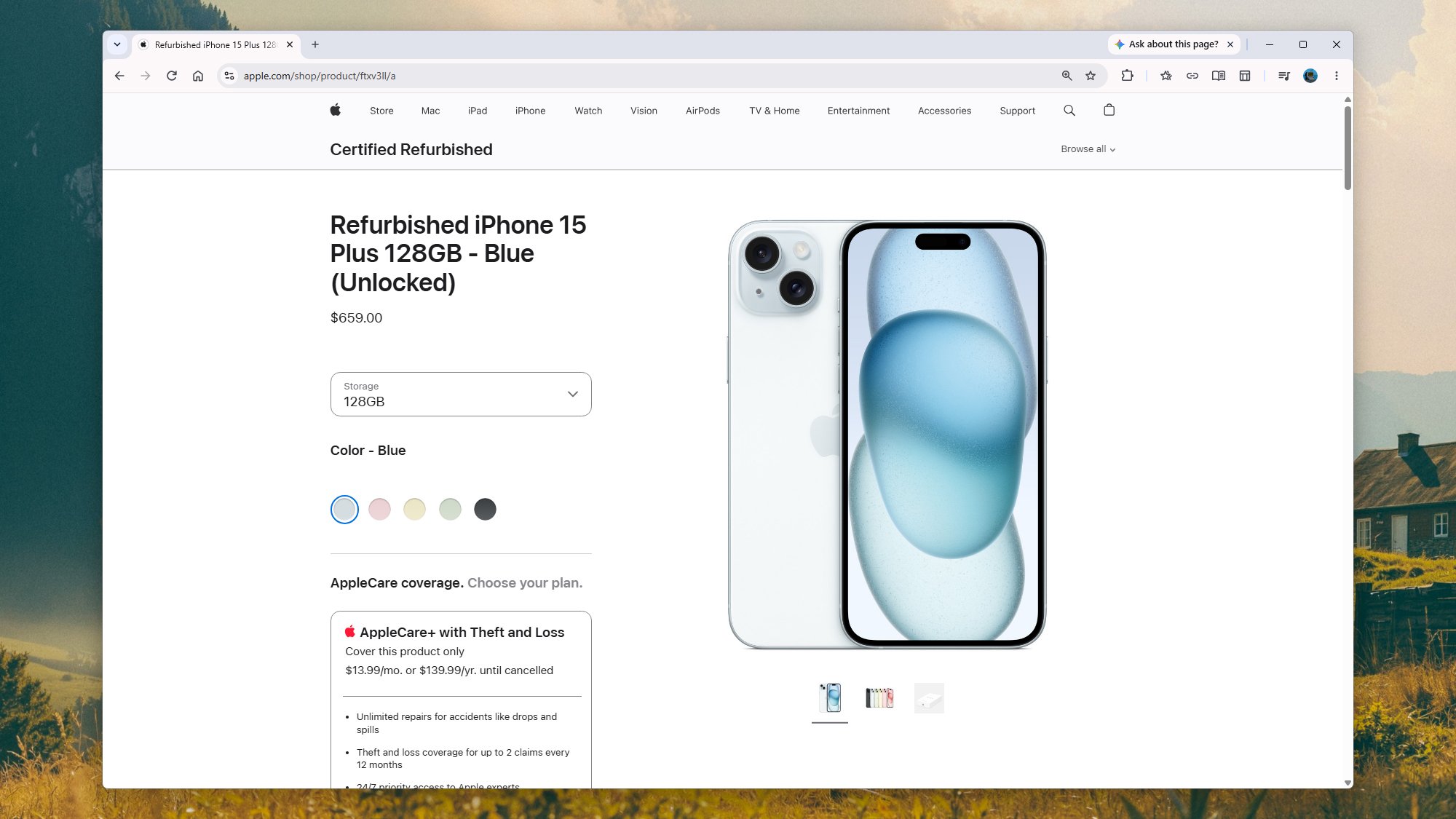
- Manufacturer-Direct: Stores like the Apple Certified Refurbished portal provide the highest level of assurance. These units are inspected by the original makers, arrive in new packaging, and include full one-year warranties. They are, however, priced higher than third-party alternatives.
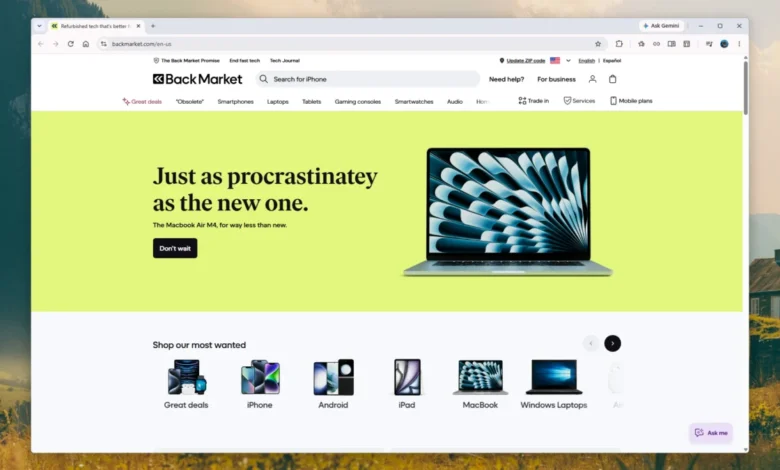
- Specialized Third-Party Platforms: Companies such as BackMarket or Swappa act as intermediaries between professional refurbishers and the public. These platforms provide a centralized hub for comparing prices, condition grades, and warranty terms. Their business models rely on customer reviews and strict seller vetting to maintain platform trust.
- Peer-to-Peer and General Marketplaces: Sites like eBay or Amazon Renewed offer the widest inventory. While the "Brand Outlet" sections on eBay can offer incredible deals, the onus of research falls on the buyer. It is critical to scrutinize the seller’s rating, the specific condition grade (e.g., "Excellent" vs. "Good"), and the return policy before committing to a purchase.
Economic Implications and Strategic Timing

From a macroeconomic perspective, the rise of the refurbished market provides a hedge against inflation. As the cost of flagship smartphones has climbed past the $1,000 threshold, the refurbished market allows consumers to access premium technology without incurring high-interest financing debt. Furthermore, market data suggests that when a new flagship device is announced, the value of the preceding generation drops precipitously on the secondary market. Smart consumers time their purchases to coincide with these launch windows, allowing them to acquire high-performance hardware at a significant discount shortly after the newest model arrives.
Expert consensus suggests that before purchasing a refurbished device, consumers should verify three key criteria: the battery health, the software update support status, and the return window. Batteries are the most common point of failure in older electronics; reputable sellers will often guarantee at least 80% to 85% of original battery capacity. Additionally, verifying that a device will continue to receive security patches for at least another 24 months is essential to ensure the longevity of the investment.
Broader Impact: The Future of Electronics Consumption
The normalization of the refurbished market is forcing manufacturers to rethink their product designs. As right-to-repair legislation gains momentum globally, companies are facing increasing pressure to make devices easier to disassemble, repair, and upgrade. This legislative environment, combined with the growing consumer appetite for sustainable consumption, signals that the refurbished sector is moving from a niche market to a cornerstone of the global electronics industry.
Ultimately, the choice to purchase refurbished is a vote for efficiency. By decoupling technological utility from the pressure of constant consumption, the modern shopper can maintain a high-tech lifestyle while participating in a more sustainable, cost-effective, and circular digital ecosystem. As the industry continues to evolve, the distinction between "new" and "refurbished" will likely continue to blur, shifting the focus toward the functional value of the device rather than the date it was manufactured.
Related posts: