The Silent Ticking Time Bomb: Decades of TNT Leaks from World War I Shipwrecks Threaten the North Sea Ecosystem

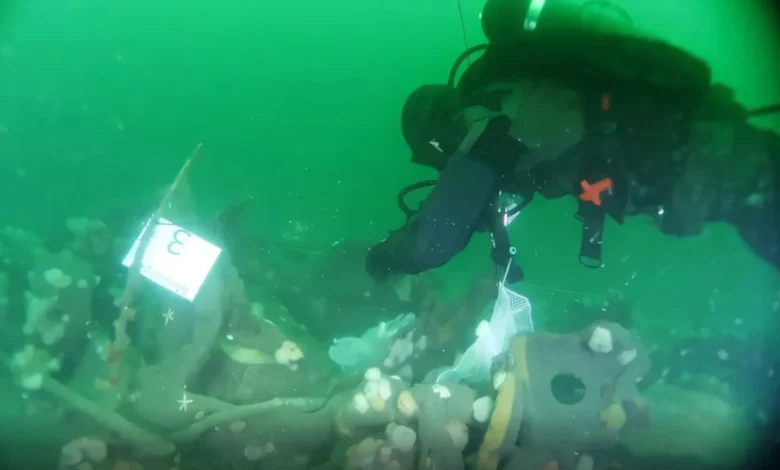
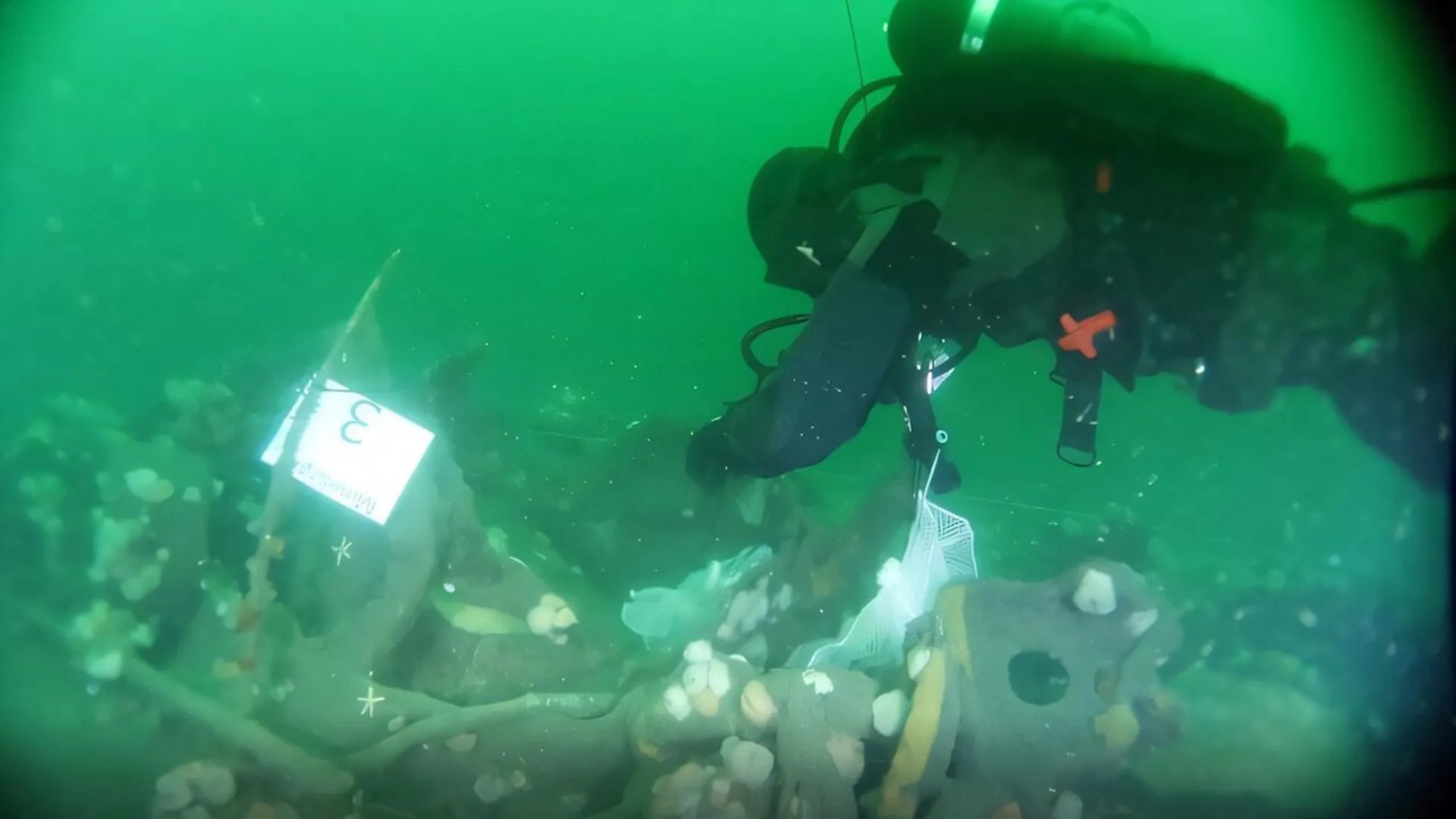
The silent, decaying remains of the German submarine UC-30, resting on the seabed of the North Sea for over a century, serve as a grim reminder that the scars of the First World War extend far beyond the history books. Recent investigations conducted by marine ecologists and the Danish Navy have confirmed that the vessel is actively leaching toxic explosives into the surrounding marine environment. This discovery has ignited a broader scientific debate regarding the thousands of submerged military wrecks that pose an increasing, yet poorly understood, chemical threat to European coastal waters.
The Tragic History of the UC-30
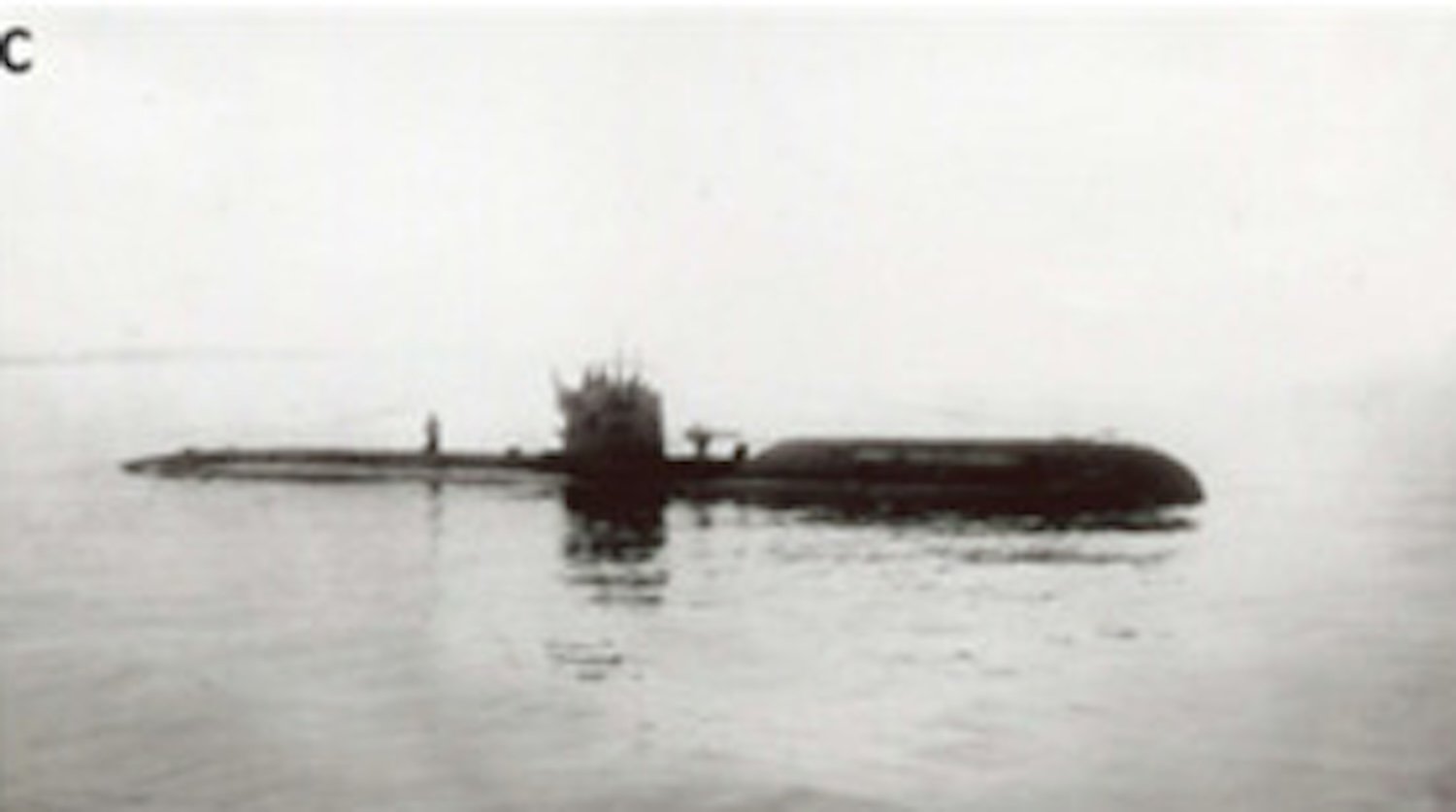
Launched in 1916, the UC-30 was a Type UC II submarine, a class of coastal minelayers designed to operate in the treacherous waters of the North Sea. On April 19, 1917, while attempting to navigate home following engine failures, the vessel struck a British naval mine near the Danish island of Rømø. The resulting explosion was catastrophic, claiming the lives of all 27 crew members and sending the vessel to the seafloor.
For nearly a century, the wreck remained lost to time, effectively serving as an underwater tomb. It was not until 2016 that the submarine was rediscovered, providing researchers with a unique opportunity to study the long-term impact of sunken munitions on the marine environment. As a key subject of the North Sea Wrecks research project, the site has now become a focal point for understanding how the materials of war interact with modern ocean chemistry.
The Chemistry of Corrosion
The primary concern regarding the UC-30 is the degradation of its original armament. The submarine carried six torpedoes and 18 mines, all of which contained significant quantities of trinitrotoluene (TNT). As the steel hull of the vessel continues to succumb to the corrosive effects of saltwater, the protective casings of these explosives are failing.
Laboratory analysis of samples taken from the site—including sediment, seawater, and biological specimens such as mussels and starfish—has revealed the presence of TNT compounds. Unlike an active explosion, this process is a slow, chronic contamination. Over decades, the chemical breakdown of the explosives has seeped into the local ecosystem, creating a plume of toxicity that researchers fear is expanding. Katrine Juul Andresen, a geoscientist at Aarhus University and a lead researcher on the project, noted that while the pollution is currently localized, the degradation process is accelerating. The question facing the scientific community is no longer if the wreckage is leaking, but how far that contamination has migrated and what impact it is having on the local food chain.
A Hidden Crisis of Thousands
The UC-30 is merely the tip of the iceberg. A 2024 report co-authored by Andresen for the Danish Environmental Protection Agency identified a staggering 10,127 shipwrecks within Danish maritime jurisdiction alone. Of these, approximately 15 percent date back to the two World Wars, meaning roughly 1,500 vessels—many carrying high concentrations of explosives, fuel, and heavy metals—are currently sitting on the seabed in varying stages of decay.
This phenomenon is not restricted to Danish waters. Throughout the Baltic and North Seas, thousands of ships and aircraft from the 20th century lie in wait. The environmental implications are massive. As these structures collapse, they release not only munitions but also thousands of tons of heavy fuel oil and hazardous lubricants. The cumulative effect of these point-source pollution sites creates a mosaic of environmental risk that current ocean management strategies are ill-equipped to address.
The Complexity of Remediation
The remediation of underwater military wrecks presents a logistical and safety paradox. There is no simple "salvage and recover" option for these sites. Many of the unexploded ordinances (UXOs) remain highly volatile despite their age; the internal chemistry of the explosives can become unstable, making the act of attempting to raise or move them an extreme hazard to recovery teams.
Furthermore, the act of detonation—often the standard method for disposing of unstable UXOs—can be counterproductive. Controlled underwater explosions, while removing the immediate threat of a spontaneous blast, often cause secondary environmental damage by dispersing toxic chemicals into the water column more rapidly than natural leaching would.
Current efforts are shifting toward passive monitoring and robotics. Researchers are working with European Union authorities to develop non-invasive surveying techniques. By deploying autonomous underwater vehicles (AUVs) equipped with high-resolution sensors, scientists can map the integrity of shipwrecks without disturbing the sediment. This data allows authorities to prioritize sites that are at the highest risk of catastrophic failure, potentially allowing for the robotic removal of hazardous materials in a controlled, safe environment.
Implications for Marine Conservation
The environmental impact of these wrecks reaches into the heart of marine conservation efforts. The North Sea is a vital region for commercial fishing, wind energy infrastructure, and biodiversity protection. The presence of long-term toxic plumes from shipwrecks complicates these interests. If chemical pollutants move up the food chain—accumulating in the tissues of mussels, which are then consumed by larger fish and marine mammals—the public health and economic ramifications for the fishing industry could be severe.
Moreover, as climate change alters ocean currents and water temperatures, the rate of corrosion for these historical wrecks may shift. Higher water temperatures and increased acidification of the ocean can accelerate the breakdown of metallic hulls, potentially shortening the timeline for the next major release of pollutants.
Toward a Future Strategy
The research led by the North Sea Wrecks project serves as a crucial call to action for European policymakers. The status quo—letting these wrecks remain untouched—is no longer a viable long-term strategy. The collaboration between the Danish Navy and academic institutions highlights the necessity of a multidisciplinary approach that combines military precision with ecological monitoring.
The road ahead will require significant investment in technology and international cooperation. European nations share the waters of the North and Baltic Seas, and the issue of submerged munitions is a transnational problem. A coordinated, region-wide database of high-risk wrecks is considered a necessary first step. This would allow for the allocation of resources to the most dangerous sites, ensuring that the legacy of World War I does not continue to degrade the health of the 21st-century ocean.
As Andresen emphasized, there is no "easy" solution. The cleanup of the seafloor will be a task for generations, requiring patience, advanced robotics, and a willingness to confront the toxic remnants of the past. For now, the UC-30 remains a silent, deteriorating witness to the enduring environmental cost of global conflict, a reminder that the wars of the past are still being fought in the dark, cold depths of our seas. As we move further into the century, the focus must shift from merely discovering these wrecks to actively managing the legacy they have left behind, ensuring that the environmental damage they cause is contained before the next wave of corrosion renders them even more hazardous to the delicate balance of the marine ecosystem.
Related posts: