The rapid proliferation of large language models (LLMs) such as OpenAI’s GPT-4, Google’s Gemini, and Anthropic’s Claude has democratized software development, ushering in an era of "vibe coding." This colloquial term refers to the process of using natural language prompts to instruct AI systems to generate functional code, allowing non-programmers to build applications, automate workflows, and even manipulate hardware. While the barrier to entry for software creation has plummeted, the practice has introduced significant stability and security risks, particularly as hobbyists begin applying these AI-generated scripts to the core infrastructure of their smart homes and personal devices.
Defining the Vibe Coding Phenomenon
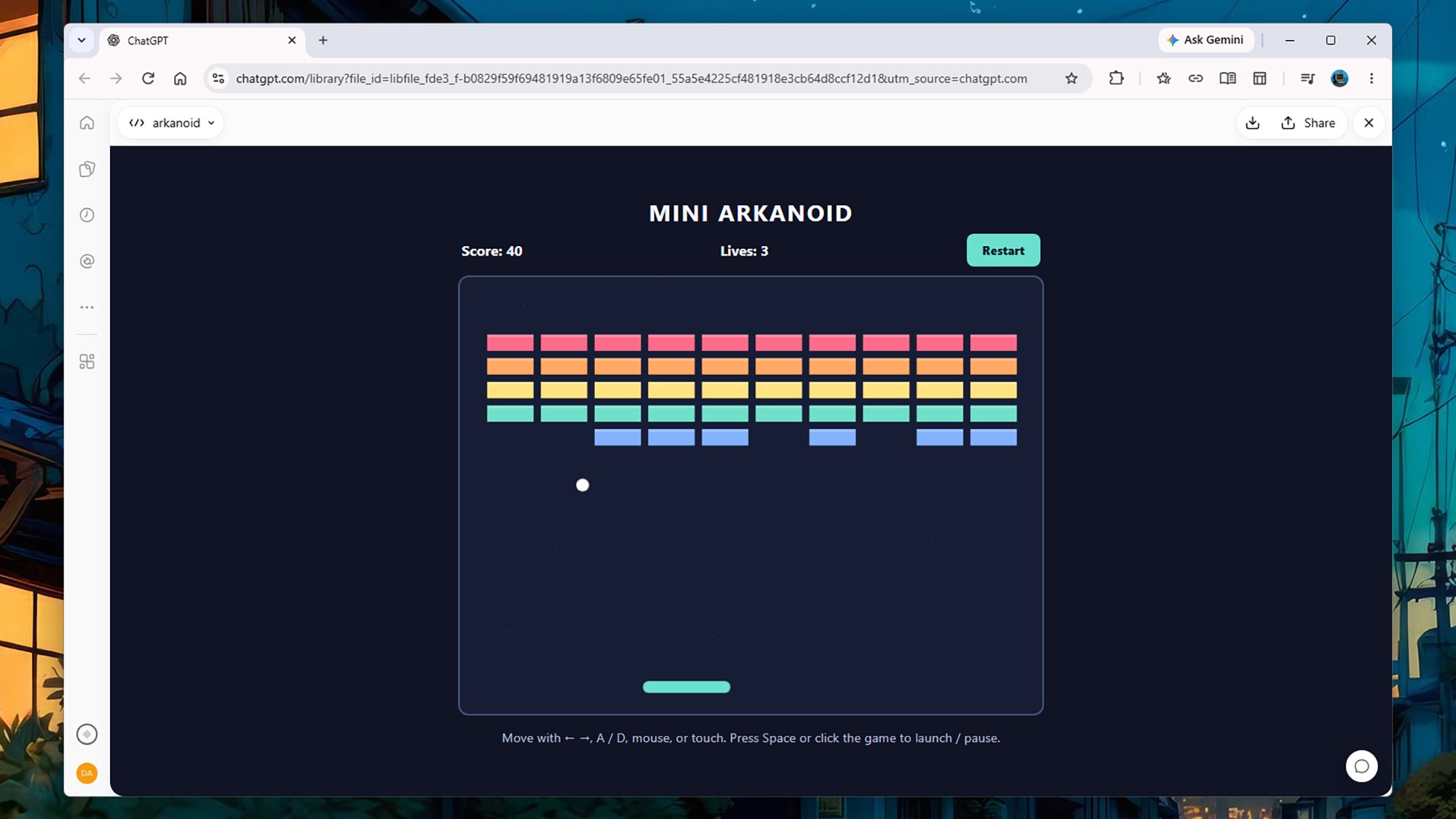
Vibe coding represents a fundamental shift in the relationship between users and digital logic. Historically, software creation required fluency in complex programming languages like Python, C++, or JavaScript, alongside an understanding of architectural constraints. Today, a user can simply describe an intended outcome—such as an RSS feed aggregator or a browser-based game—and an AI will generate the underlying codebase in seconds.
This process is inherently iterative. If the initial code fails to execute or contains logical errors, the user provides feedback in natural language, and the AI corrects the syntax or architecture. This cycle has empowered a new generation of creators, leading to a surge in custom-built web tools and niche applications. However, the term "vibe coding" itself captures the informality of the process: it prioritizes the "vibe" or the outward appearance of functionality over the rigorous, disciplined verification required in professional software engineering.
Chronology of the Trend
The trajectory of vibe coding has moved from browser-based sandboxes to the physical world of consumer hardware over the past 24 months.
- Early 2025: The widespread availability of advanced coding-capable AI models leads to an explosion of "micro-SaaS" and personal utility apps created by individuals with no formal coding background.
- Mid-2025: Enthusiasts begin applying these techniques to hardware, specifically targeting legacy devices like retrofitted automotive electronics and e-readers.
- Late 2025: The trend enters the mainstream consumer space as users begin to target "smart" ecosystems, including televisions and home automation hubs, seeking to bypass manufacturer restrictions, telemetry, and advertising.
- Late 2026: Reports emerge regarding systemic failures in consumer electronics, ranging from boot loops to bricked hardware, as users attempt to "de-bloat" or "de-Google" their devices using non-vetted AI-generated scripts.
The Dangers of Unverified Code in Hardware Ecosystems
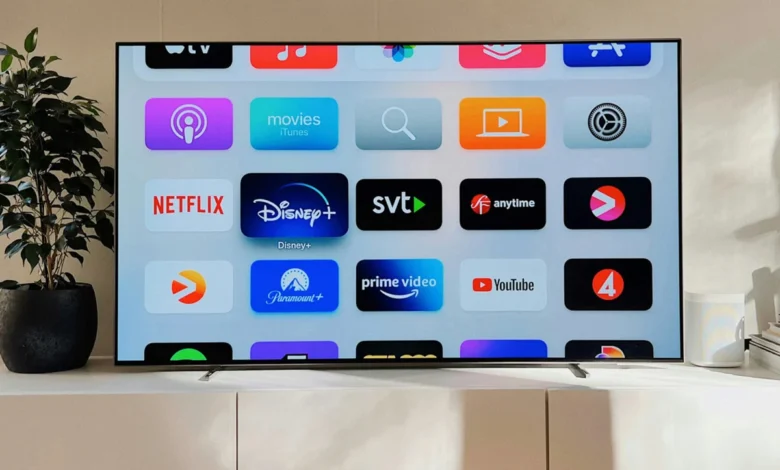
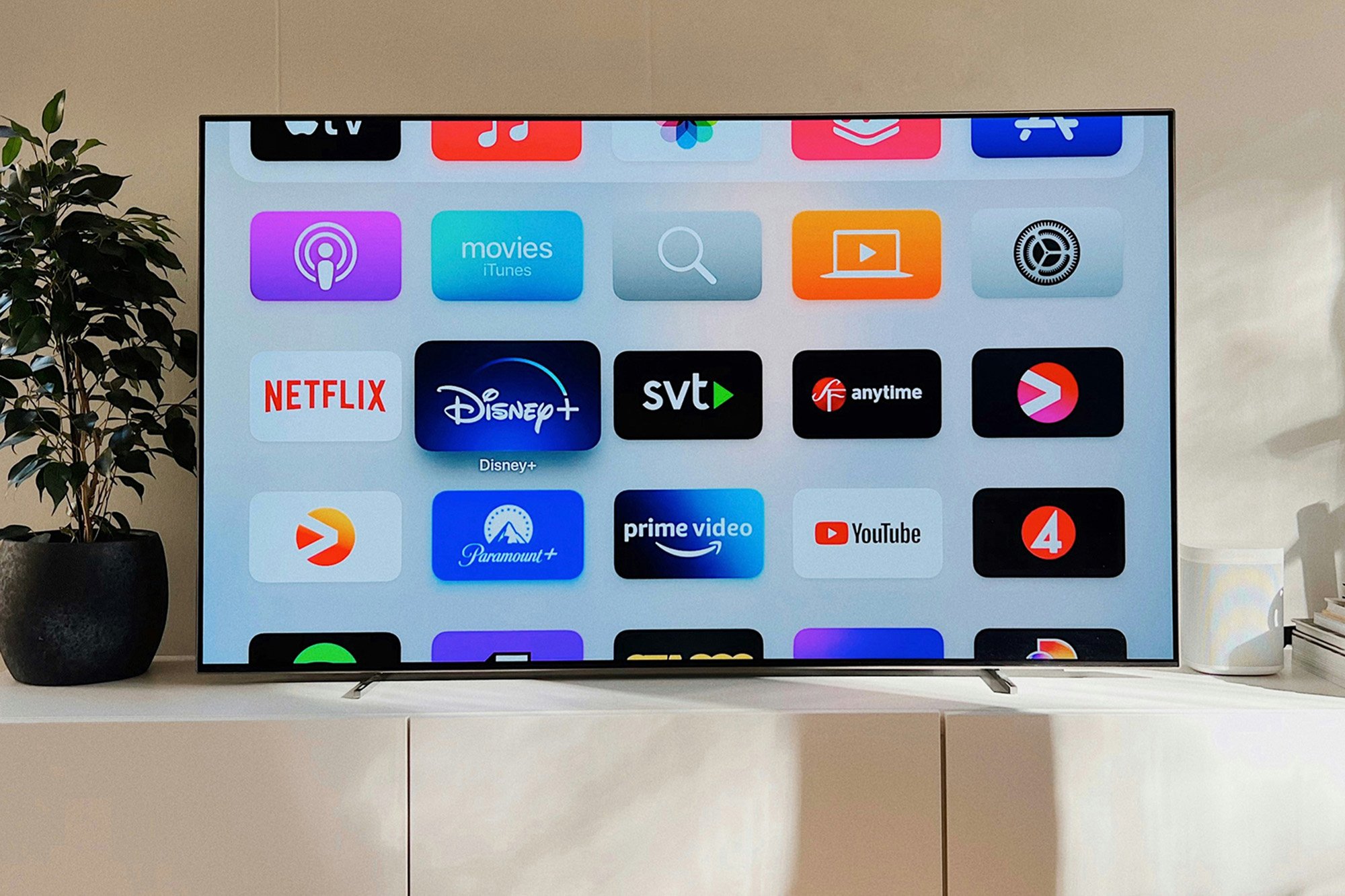
The primary danger of vibe coding lies in the opacity of the output. When an AI generates code, it does not necessarily understand the hardware-specific constraints of the target device. Consumer electronics, such as smart TVs, run on highly customized, proprietary versions of operating systems. These systems are often locked down for a reason; they require specific hardware handshakes, driver compatibility, and memory management protocols.
When a user employs an AI to write a script that strips away system processes—perhaps to remove an unwanted ad-launcher or a tracking service—the AI may inadvertently disable a critical system dependency. Because the user lacks the technical expertise to audit the code, they are often unaware that they have introduced a vulnerability or a fatal error until the device fails to boot.
Furthermore, the issue of cybersecurity cannot be overstated. AI-generated code, while syntactically correct in a vacuum, may contain "hallucinations" or logical oversights that create backdoors. If an amateur modifies a smart TV to run a custom interface, they may inadvertently expose that device’s network credentials or allow for remote execution of unauthorized scripts by bad actors.
Data and Market Implications
According to recent industry observations, the demand for "de-bloated" technology is growing. A significant portion of the consumer base is increasingly frustrated by "smart" devices that serve advertisements or harvest user data. However, the reliance on AI-generated "fixes" for these issues has created a new category of "bricked" hardware.

Repair shops have noted an uptick in devices that are not physically broken but are effectively useless due to corrupted firmware. While there is no centralized database for these failures, anecdotal reports from technical forums suggest that the rate of "bricking" increases proportionally with the complexity of the device’s OS. Devices like smart fridges and centralized home hubs are particularly susceptible, as their operating environments are significantly more intricate than those of simple media players.
Established Alternatives for Customization
Rather than relying on experimental AI-generated scripts, industry experts point toward established, community-vetted open-source projects. These platforms provide the same level of control—removing ads, enhancing privacy, and improving performance—without the inherent risks of "wild" code.
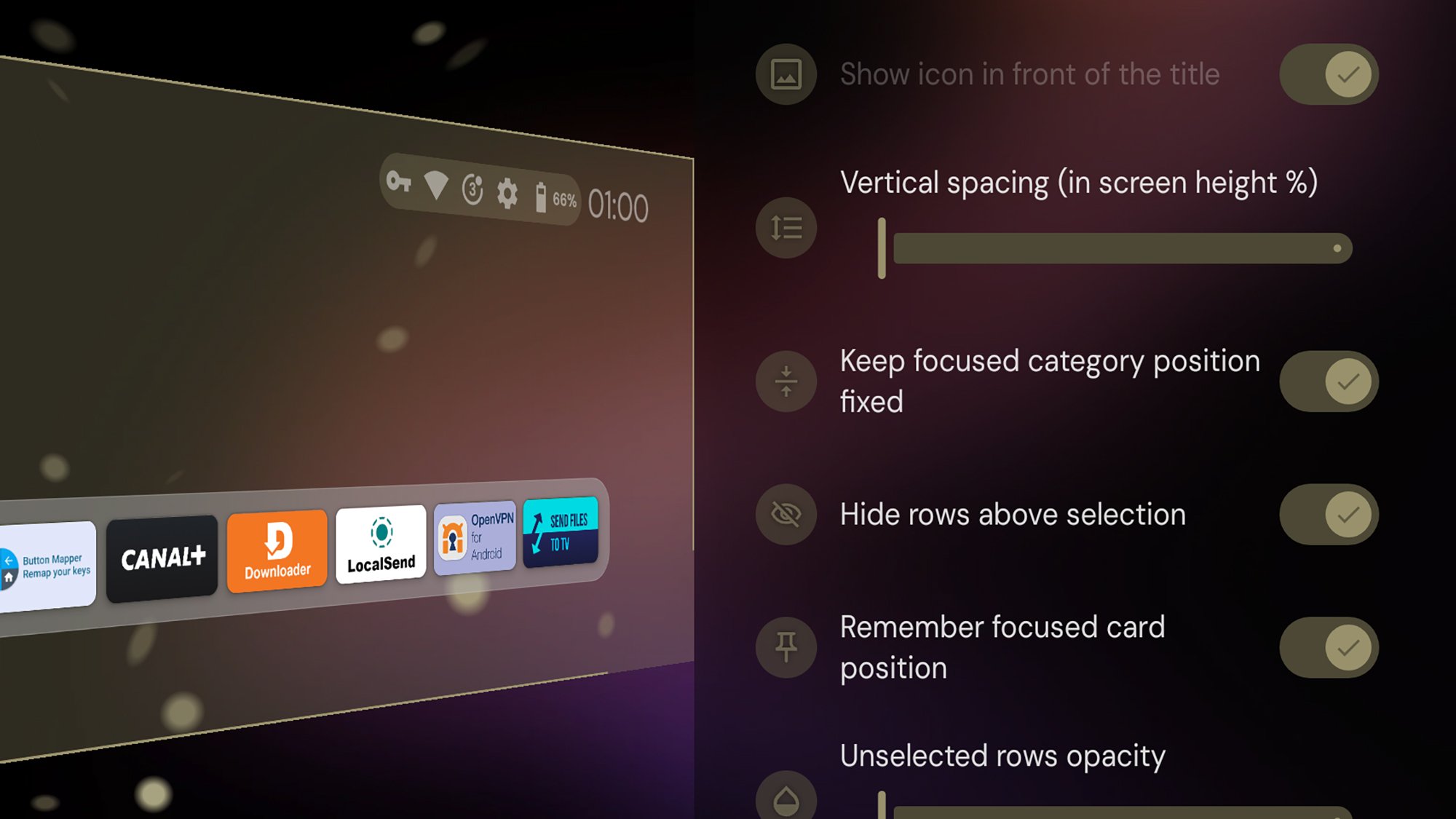
- Projectivy Launcher: For users frustrated with the cluttered, ad-heavy interfaces of modern Google TV or Android TV systems, Projectivy offers a refined, lightweight alternative. Unlike ad-hoc scripts, it is a developed application designed to exist within the constraints of the OS, ensuring that critical system functions remain intact.
- OpenWrt: For networking hardware, OpenWrt represents the gold standard. It is a highly optimized, open-source operating system that replaces the manufacturer’s firmware. It is supported by a global community of developers who rigorously test for security vulnerabilities and ensure compatibility across a wide range of hardware.
- Home Assistant: In the realm of home automation, Home Assistant provides a unified interface that allows users to regain control over their IoT devices. By shifting from the restrictive, cloud-dependent ecosystems of major tech giants to a local-first approach, users achieve the same "vibe" of freedom without the danger of custom-coding their own infrastructure.
The Broader Impact and Industry Response
The rise of vibe coding is currently occurring against a backdrop of legal tension regarding the use of copyrighted data in training AI models. In April 2025, Ziff Davis, the parent company of Popular Science, filed a lawsuit against OpenAI, alleging that the company infringed on copyrights by utilizing proprietary content to train its systems. This legal friction underscores a central tension in the AI era: while the tools provided by these companies are powerful, their output is derived from a massive corpus of data that includes professional, secure, and audited code.
The paradox of vibe coding is that while it uses the collective knowledge of the world’s best programmers to create code, it does so without the accompanying judgment or structural understanding that a human developer possesses.
In the long term, the industry is likely to see a bifurcation. On one hand, AI will continue to assist in the rapid development of low-stakes, creative applications. On the other, the risks associated with hardware modification will likely lead to stricter, "walled-garden" hardware policies from manufacturers, who will cite user-safety and security as justifications for further locking down device firmware.
For the average consumer, the lesson remains clear: while the temptation to modify one’s daily technology to make it "smarter" or "cleaner" is high, the difference between a functional upgrade and a permanent hardware failure is often a matter of expertise. Relying on community-backed, audited open-source platforms provides the benefits of customization while maintaining the integrity and security of the devices that underpin the modern home. Until AI systems can perform a full architectural audit of the hardware they are targeting, the "vibe" of a quick fix remains a high-stakes gamble.
Related posts: