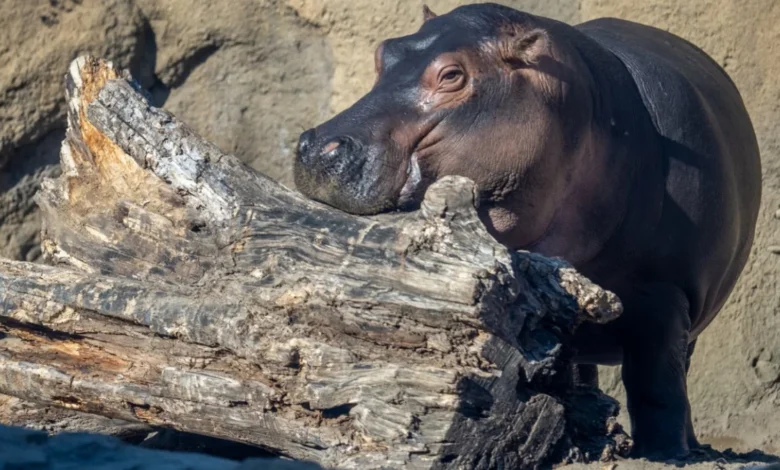
The global online community is mourning the loss of Fiona, the Cincinnati Zoo’s iconic Nile hippopotamus, who passed away on November 19, 2026, at the age of nine. Her death, which followed a tragic accident involving a foreign object in her habitat, marks the end of a life that captivated millions, transformed zoo engagement, and set a new standard for how the public interacts with wildlife conservation.
Fiona was a symbol of resilience, having defied the odds from her first moments of life. Born prematurely on January 24, 2017, she weighed a mere 29 pounds—less than half the typical birth weight for a Nile hippo. Her survival was not guaranteed, and the around-the-clock intervention by veterinary staff and specialists from Cincinnati Children’s Hospital created a unique, real-time narrative that allowed the public to feel personally invested in her journey.
The Circumstances of the Incident
The Cincinnati Zoo confirmed that the cause of death was complications arising from the ingestion of a knit hat that had fallen into the hippo enclosure. According to zoo officials, the item was introduced to the habitat during an unfortunate incident involving a visitor and the facility’s ventilation systems.

Despite immediate detection by the animal care team, the hat caused a physical obstruction. For several days, the zoo’s veterinary staff engaged in intensive, round-the-clock medical interventions in an attempt to help Fiona pass the object naturally. Specialists were consulted, and every viable non-surgical protocol was exhausted. However, given the anatomy of a full-grown, 2,000-pound hippo, surgical intervention was deemed too high-risk and ultimately not a viable option. On Thursday, the zoo released a somber statement noting that her condition had deteriorated to a point where further treatment would have been futile.
A Legacy of Global Engagement
Fiona’s influence extended far beyond the walls of the Cincinnati Zoo. She became a "digital native" of the animal kingdom, with her milestones meticulously documented by the zoo’s social media team. From her first tentative steps to her initial swimming lessons, her growth was a recurring point of joy for millions of followers.
Her story fundamentally shifted the way institutions like the Cincinnati Zoo approached public relations and education. By humanizing the medical journey of a critically ill newborn, the zoo fostered a sense of empathy that led to a massive increase in digital engagement. This "Fiona effect" eventually manifested in merchandise, dedicated children’s literature, and even culinary tributes, solidifying her status as a cultural icon.
While recent viral sensations, such as Moo Deng the pygmy hippo, have captured the internet’s attention, Fiona remained the gold standard for long-term emotional connection. She proved that a zoo animal could become a household name, creating a bond with a global audience that lasted nearly a decade.

Timeline: The Life and Impact of Fiona
- January 2017: Fiona is born six weeks early at the Cincinnati Zoo, requiring immediate intensive care.
- Spring 2017: The "Team Fiona" movement gains momentum as social media updates track her progress toward health and independence.
- 2018–2020: Fiona integrates into the main hippo pod, with her interactions with her mother, Bibi, and other herd members becoming popular video content.
- 2021–2025: Fiona reaches maturity, becoming a centerpiece of the Cincinnati Zoo’s conservation and educational outreach programs.
- November 2026: A foreign object enters the habitat, leading to a critical medical emergency.
- November 19, 2026: The Cincinnati Zoo announces that Fiona has passed away despite the heroic efforts of the veterinary team.
Official Responses and Public Sentiment
The grief surrounding Fiona’s passing was immediate and palpable across social media platforms. Cincinnati Zoo Director Dave Jenike expressed the devastation felt by the staff, stating that the team was "in shock" and had exhausted every possible avenue to save her. "We did not expect this outcome," Jenike said in a press briefing. "She fought until she couldn’t anymore."
Thane Maynard, Executive Chair of the Board, echoed these sentiments, emphasizing that Fiona was "a gift" to the city and the world. The loss has prompted a conversation regarding safety protocols in zoological settings. While the zoo is currently conducting an internal review of how such items reach animal enclosures, officials have requested that the public respect the privacy of the animal care staff during this period of mourning.
The response from the public has been characterized by both deep sadness and a desire to channel that grief into positive action. Many fans have taken to social media to urge others to practice extreme caution when visiting zoos, reminding fellow visitors that items such as hats, phones, and sunglasses can pose lethal risks to animals if dropped into enclosures.
Broader Implications for Wildlife Management
Fiona’s death highlights the inherent risks of human-animal proximity in modern zoos. As facilities move toward more open, immersive habitat designs, the challenge of preventing foreign objects from entering these spaces becomes increasingly complex.

Experts in zoo management suggest that this event will likely lead to a tightening of visitor guidelines and potential technological upgrades to protective barriers. However, the tragedy also serves as a poignant reminder of the fragility of the bond between humans and the animals they admire. The "Fiona phenomenon" demonstrated that when people feel a personal connection to a specific animal, they are more likely to support conservation efforts and learn about the species’ needs in the wild.
The End of an Era
As the Cincinnati Zoo prepares to memorialize Fiona, the digital archives of her life remain a testament to a unique moment in internet history. For many, she was more than just a zoo exhibit; she was a symbol of hope. Her survival as a premature newborn gave people something to root for, and her growth into a healthy, thriving adult provided a sense of accomplishment for those who followed her journey from the beginning.
In the coming weeks, the zoo is expected to announce a formal tribute to honor her legacy. While her physical presence in the habitat is gone, her influence on the conservation world and the hearts of her followers remains significant. The internet, often criticized for its fleeting attention span, has shown a rare, sustained commitment to this singular animal, proving that even in a digital world, the most profound connections are often the ones we form with the natural world.