The Proactive Revolution: How InsurTech is Transforming Home Protection from Reactive Claims to Real-Time Prevention

For centuries, the insurance industry has operated on a foundational, yet fundamentally reactive, premise: the consumer pays an annual premium, and in the unfortunate event of a disaster, the insurer provides a financial payout. This model, characterized by "loss and reimbursement," has remained largely static even as other financial sectors, such as retail banking, underwent radical digital transformations. However, the rise of the Internet of Things (IoT), artificial intelligence (AI), and sophisticated data analytics is ushering in a new era of "InsurTech," shifting the industry focus from repairing damage after the fact to preventing it from occurring in the first place.
The global insurance market, currently valued at approximately €6.9 trillion (roughly £5.9 trillion), is beginning to see the impact of this technological shift. While InsurTech currently represents a smaller fraction of this massive industry, market analysts at Mordor Intelligence estimate its current value at $1.34 trillion (£1.01 trillion), with projections indicating a rise to $2.44 trillion (£1.85 trillion) by 2031. Within this landscape, the United Kingdom has emerged as a premier hub for innovation, particularly in AI-driven claims automation and digital underwriting, with an industry size of $53.53 billion.

Drawing Parallels from the Motor Insurance Sector
The blueprint for this transition can be found in the evolution of automotive insurance. Over the past decade, the introduction of telematics—often referred to as "black box" technology—has fundamentally altered how risk is assessed for drivers. By monitoring real-time data points such as speed, braking intensity, and cornering habits, insurers moved away from generalized demographic risk profiles toward dynamic, personalized pricing.
This data-centric approach is now being ported into the domestic property market. "The future of insurance should be less ‘something went wrong, here is a cheque’ and more ‘technology helped stop it going wrong in the first place,’" notes Nouran Moustafa, Practice Principal and Executive Financial Advisor at Roxton Wealth. By leveraging data from smart home devices, insurers are discovering that they can significantly lower operational expenses (OpEX) and indemnity spend—the actual cost of physical repairs—by utilizing automated AI triage to catch issues at the incipient stage.
The Financial and Structural Burden of Water Damage
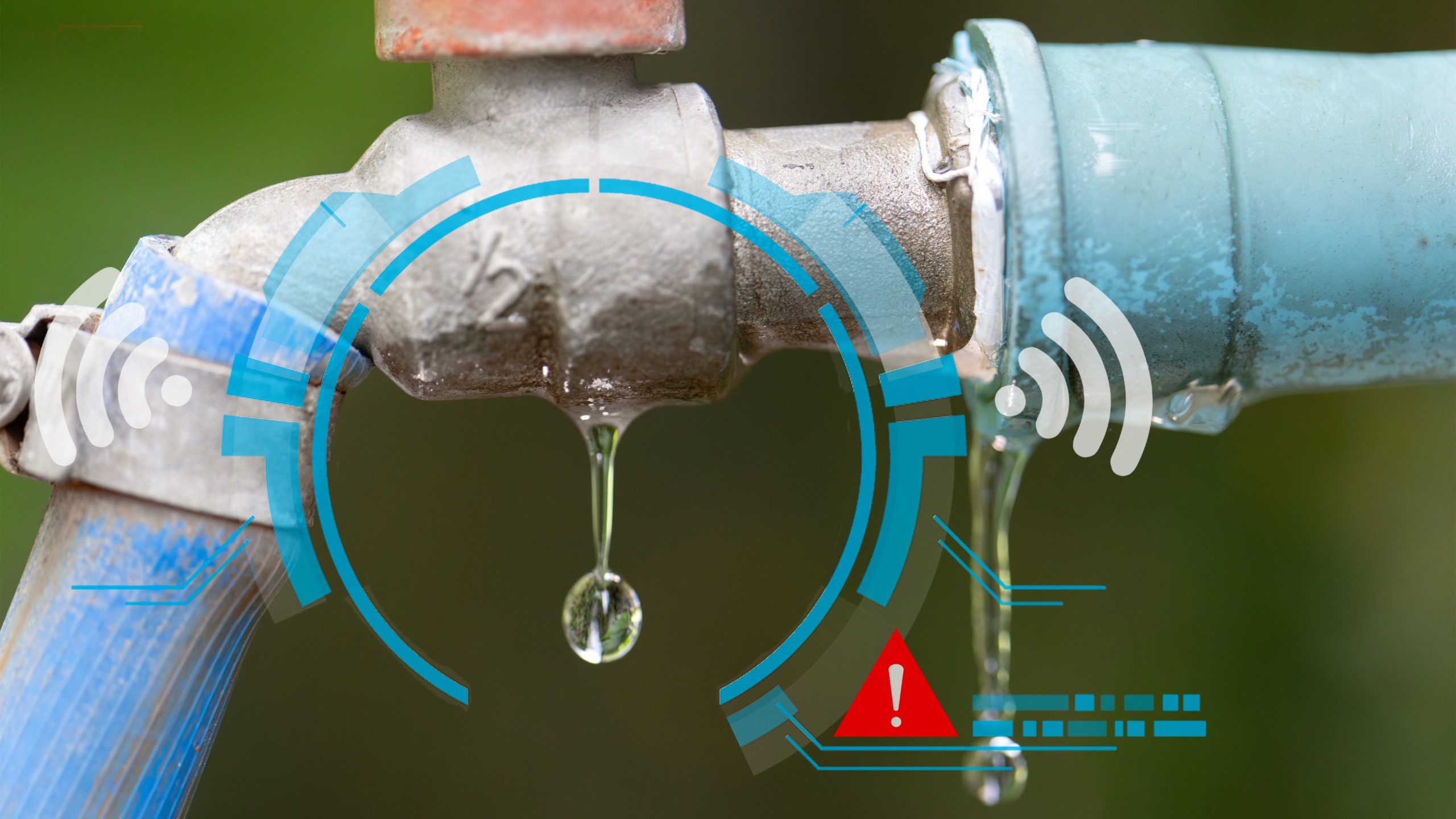
While headlines often focus on high-profile risks like fire or theft, the most frequent and costly domestic threat is, in fact, water. According to data provided by Paul Vacquier, CEO of Beagle Services, water damage accounts for approximately $14.5 billion in annual claims in the United States alone. Because modern homes rely on complex, pressurized plumbing systems hidden behind walls and beneath flooring, a "slow-drip" leak can cause catastrophic structural damage long before it is detected by a homeowner.

The industry has responded by distributing loss-prevention hardware. Devices such as the LeakBot, developed in the UK by HomeServe Labs and now owned by Ondo InsurTech, have become a cornerstone of this proactive strategy. By clipping onto pipes and detecting minute continuous flows as small as 5ml per minute, these sensors alert homeowners to leaks before they escalate. Several major insurers, including LV and Hiscox in the UK and Westfield in the US, have begun providing these devices to policyholders as a standard value-add.
Phil Thorn, formerly of Hiscox UK, noted that the introduction of such technology in 2020 was an essential evolution, as hidden leaks are the primary driver of high-value structural claims. This sentiment is echoed by experts like Peter Kravchuk of New Day Construction, who emphasizes that while battery-powered puck sensors are helpful, the next generation of inline automated water shut-off valves—which cut the water supply upon detecting abnormal flow patterns—offers a superior level of protection.
Diversifying Prevention: From Pets to Electrical Safety
The proactive ethos is not limited to plumbing. The pet insurance market, traditionally plagued by administrative friction, is being overhauled by digital-first players like Lassie and Waggel. These companies utilize mobile apps that provide vaccination reminders, educational content, and, crucially, integration with wearable GPS and health trackers like Tractive. By incentivizing preventive care, these firms have reported significant reductions in unnecessary clinic visits and have saved policyholders millions in aggregate premiums.
Similarly, the concept of "smart home insurance" is being tested at scale. In May 2023, Sky Protect Home Insurance launched in the UK, underwritten by Zurich. This model integrates video doorbells, motion sensors, and leak detectors into a unified ecosystem. The goal is to create a seamless feedback loop where the insurer and homeowner are alerted to risks simultaneously.
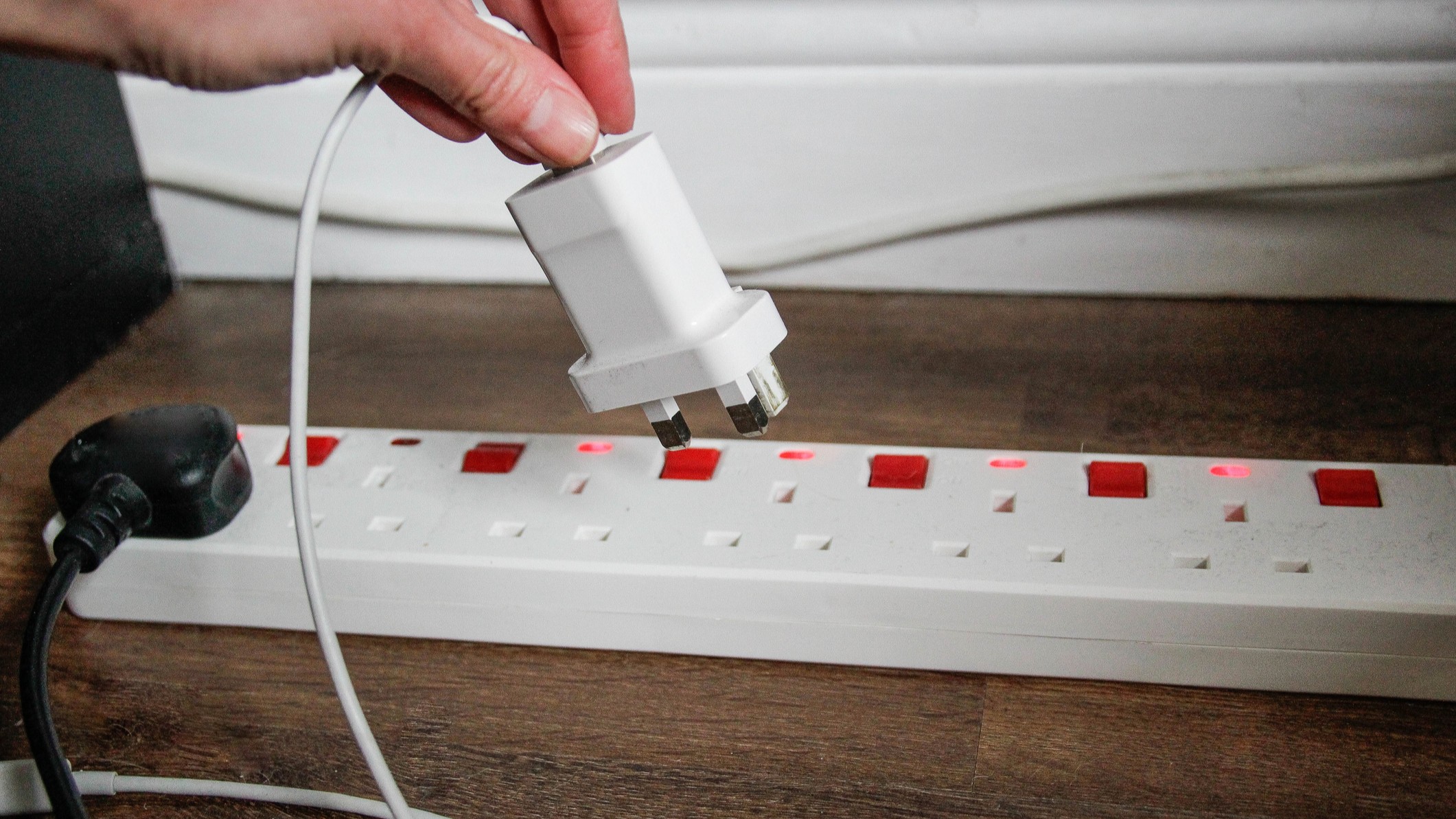
Furthermore, electrical safety is gaining traction as a new frontier for InsurTech. Surge Protective Devices (SPDs) installed at the electrical panel can mitigate the risk of transient overvoltages caused by lightning or grid fluctuations. "Whole-home surge protection is the other piece homeowners rarely ask about," says Kravchuk. "A protective device mounted at the panel covers everything downstream, providing a level of protection that plug-in strips simply cannot match."
The Economic Incentive and the Data Privacy Paradox
For the consumer, the primary incentive for adopting these technologies is a potential reduction in premiums. Companies like X-Sense, which provides smoke and carbon monoxide detection systems, offer professional monitoring services that provide homeowners with certificates of safety. These documents can be submitted to insurance providers to qualify for discounts, sometimes as high as 15% depending on the jurisdiction.

However, the rapid adoption of these technologies brings significant concerns regarding data security and privacy. As Taimur Ijlal, an information security expert, warns, "Once a sensor, camera, or smart lock starts reporting to a third party, it becomes both an attack surface in your home and a data pipeline out of it."
The industry has already seen the risks of mismanagement. A recent security incident involving the Irish InsurTech firm Companjon, where an unprotected data stream exposed millions of customer records—including travel itineraries and personal identification—serves as a cautionary tale. Experts advise that before signing up for bundled InsurTech products, consumers must perform due diligence:
- Data Ownership: Clarify who retains the data and for how long.
- Security Standards: Research the manufacturer’s history of issuing security patches.
- Policy Implications: Understand if policy coverage is contingent upon the device remaining active and connected.
Chronology of the InsurTech Shift
- 2010–2015: Early adoption of automotive telematics ("black box") shifts the insurance industry toward data-based risk modeling.
- 2016–2019: The rise of consumer IoT; initial pilots for smart leak detectors and home monitoring kits begin in the UK and US.
- 2020: Hiscox UK becomes the first to integrate LeakBot technology into its standard home insurance proposition, marking a pivot toward proactive hardware distribution.
- 2023: Launch of comprehensive bundled offerings like Sky Protect, which package hardware, connectivity, and insurance into a single monthly service.
- 2024–2031: Projected period of accelerated growth as AI-driven claims automation becomes the industry standard, moving the market toward the predicted $2.44 trillion valuation.
Future Implications and Conclusion
The transition toward proactive insurance is effectively changing the relationship between the insurer and the policyholder. Instead of being a passive entity that appears only in times of crisis, the insurer is becoming a partner in home maintenance and risk mitigation. For landlords and residential property managers, this shift is particularly welcome, as it promises to reduce the administrative burden of managing repairs and potential insurance disputes.
"This is going to be massive for tenants, for landlords, and for insurance providers," states Moustafa. By replacing paper-heavy, reactive processes with real-time digital monitoring, the industry is poised to reduce waste, lower premiums, and enhance the longevity of housing stock.
Despite the hurdles related to cybersecurity and the inevitable learning curve for consumers, the trajectory of the insurance sector is clear. The convergence of AI, IoT, and behavioral science is setting the stage for a future where the "cheque in the mail" is the exception rather than the rule. As homeowners increasingly embrace this "prevention-first" philosophy, the broader result will likely be a more stable, efficient, and resilient insurance market that prioritizes the security of the home above the processing of the claim.