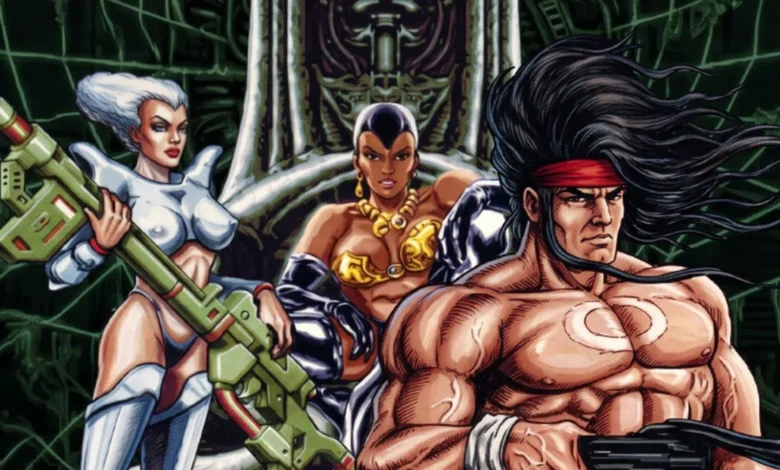
The history of the arcade industry in the 1990s is dominated by the monolithic output of Japanese giants like Capcom, SNK, and Sega. However, tucked away in the vibrant, competitive scene of European software development, Spanish studio Gaelco carved out a specialized niche. While their name is rarely whispered in the same breath as global titans, their contribution to the era’s arcade culture is being revisited through a new preservation initiative. QUByte Interactive has officially announced the release of the Thunder Hoop Collection, a digital anthology set to bring the obscure cult classics Thunder Hoop (1992) and TH Strikes Back (1994) to modern hardware via Steam on October 8.
The Rise of Gaelco: A Spanish Arcade Legacy
Gaelco, founded in Barcelona in 1985, operated during a period when the arcade market was undergoing a rapid transformation. While the company is perhaps best remembered today for its successful foray into electronic dartboards and the internationally recognized World Rally series, its library of platformers and run-and-gun titles remains a subject of intense interest for retro-gaming archivists.
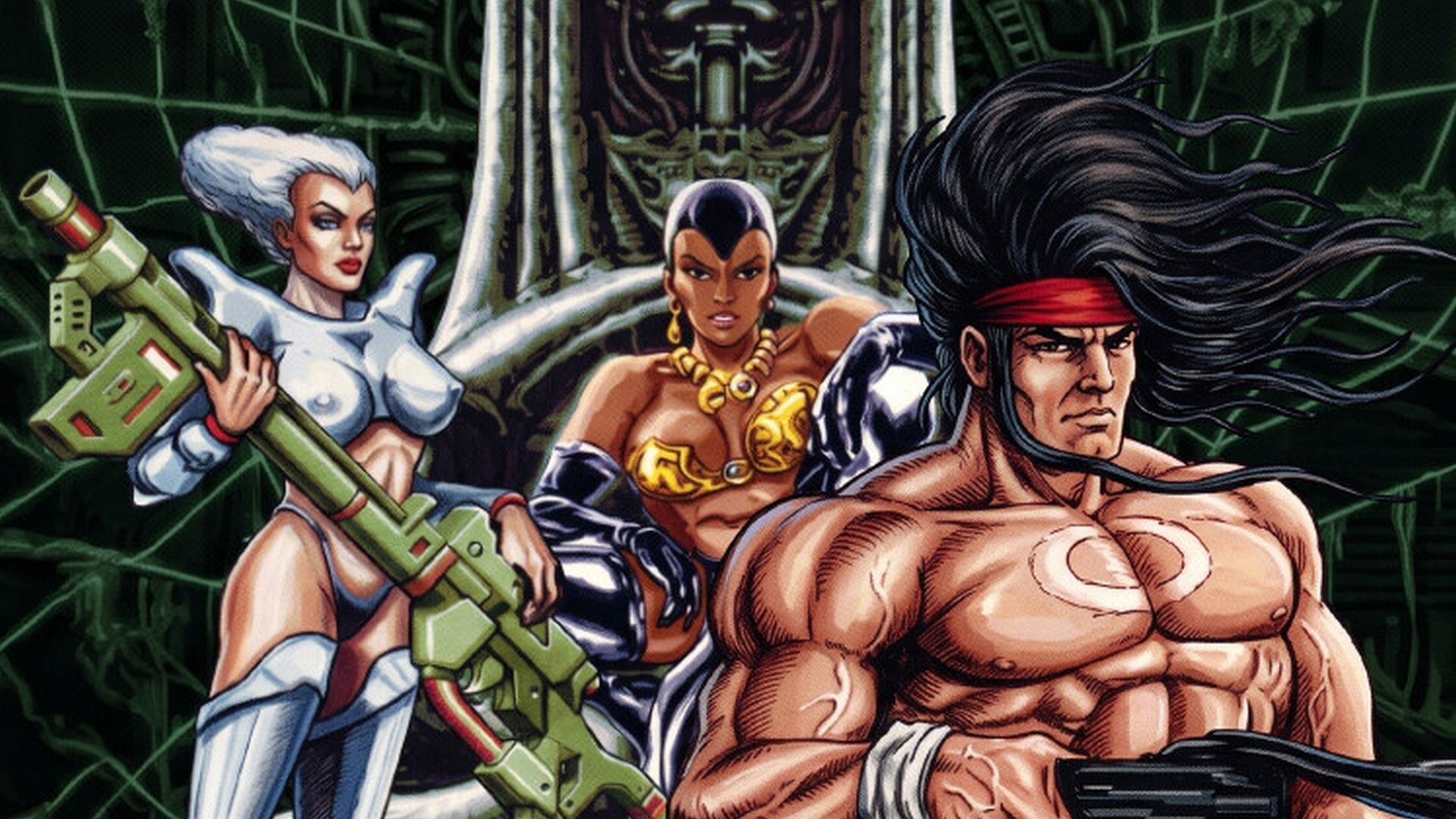
The studio was known for its ability to synthesize global gaming trends into accessible, high-energy arcade experiences. During the early 90s, the design language of arcade games was heavily influenced by the visual flair of shonen anime and the creature-feature aesthetics popularized by Western science fiction cinema. Thunder Hoop serves as a primary example of this synthesis, blending the frantic, high-intensity combat of 16-bit platformers with character designs that seemingly draw inspiration from the exaggerated musculature and explosive energy of series like Dragon Ball Z, juxtaposed against the industrial, biomechanical horror tropes famously associated with the Aliens franchise.
Chronology of the Thunder Hoop Series
The Thunder Hoop series is a two-part chronicle of a genetically engineered protagonist tasked with dismantling the machinations of the antagonist, Dr. Genbreak.
- 1992 – The Debut: The original Thunder Hoop introduced players to a teenage protagonist navigating a dangerous urban sprawl. The gameplay reflected the industry’s obsession with variety, forcing players through a gauntlet of environments ranging from metropolitan sewers to aquatic labyrinths. At the time, the game was noted for its fluid sprite animations and the sheer novelty of its protagonist’s "hand-blasting" combat mechanics.
- 1994 – The Evolution: TH Strikes Back marked a significant shift in both narrative tone and mechanical complexity. The protagonist was reimagined as an adult, leaning into the "beefcake" hero aesthetic that dominated the mid-90s. The game expanded the scope of the original, incorporating heavy run-and-gun mechanics, an increased focus on character mobility, and a bizarre, climactic shift in gameplay genre. In one of the most memorable sequences of the era, the protagonist undergoes a transformation—reminiscent of a Super Saiyan power-up—before engaging in a high-speed, horizontal scrolling shooter segment that mirrored the depth and intensity of Konami’s Gradius series.
Technical Preservation and Modern Accessibility
The release of the Thunder Hoop Collection by QUByte Interactive is part of a broader industry trend toward the digitization and preservation of arcade history. Many titles from the 90s were effectively trapped on proprietary hardware, lost to time as original arcade cabinets fell into disrepair or were scrapped.
The collection includes several quality-of-life features that have become standard in modern retro re-releases:
- Rewind and Save States: Players are provided with the ability to backtrack from mistakes and save their progress, a necessity given the notoriously high difficulty curve of original 90s arcade design.
- Visual Fidelity: The developers have implemented customizable CRT filters, allowing users to replicate the scanline aesthetic and color bleeding inherent to the cathode-ray tube monitors for which the games were originally programmed.
- Multiplayer Dynamics: While the original Thunder Hoop utilized an alternating-turn multiplayer system, TH Strikes Back features native local co-op support, allowing two players to engage with the game simultaneously.
Analysis: The Significance of "Obscure" Preservation
The decision to archive these titles provides more than just a nostalgic experience for players; it offers a vital look at the regional development landscape of the 1990s. While Japan and the United States often receive the lion’s share of documentation regarding the "golden age" of gaming, the contributions of European studios like Gaelco are often overlooked.
From a design perspective, Thunder Hoop highlights the global homogenization of visual styles. The "Dragon Ball meets Aliens" aesthetic was not an outlier but a calculated attempt to appeal to a worldwide audience through a common visual vocabulary of strength, sci-fi horror, and high-octane action. By studying these titles, researchers and fans alike can track how design motifs from Japanese pop culture permeated European design houses, eventually finding their way into the neighborhood arcades of the early 90s.
Industry Response and Market Positioning
QUByte Interactive, a publisher specializing in the resurrection of legacy titles, has positioned the Thunder Hoop Collection as a "QUByte Classics" release. This strategy involves identifying intellectual properties with a "cult following" and providing them with the necessary software wrappers to ensure compatibility with contemporary operating systems.
For the modern player, these games offer a distinct challenge. Unlike the sprawling open-world titles of today, Thunder Hoop and its sequel represent a "pick-up-and-play" philosophy that defined the arcade experience. The movement and combat are precise, and the progression is linear, providing a cathartic, short-form gaming experience that stands in stark contrast to the service-based, long-form models currently dominating the gaming market.
Broader Implications for Gaming Heritage
The preservation of titles like Thunder Hoop is a critical component of gaming history. As digital storefronts continue to evolve, the ability to play older, less commercially successful titles is becoming increasingly dependent on the efforts of third-party publishers.
Critics and archivists have frequently pointed to the fragility of digital history. Without concerted efforts to port, emulate, and distribute these titles, the cultural artifacts of the 1990s arcade scene would be at risk of permanent obsolescence. By bringing the Gaelco library to Steam, QUByte is contributing to a growing archive of software that defines the evolution of interactive media.
As we look toward the October 8 launch, the focus remains on whether these titles—once confined to the smoky, neon-lit rooms of local arcades—can find a new audience in the digital age. Regardless of their commercial performance, their inclusion in the modern gaming ecosystem ensures that the creative output of Gaelco’s developers will not be lost to the shifting sands of technological progress. The Thunder Hoop Collection serves as a bridge, connecting the experimental, high-energy spirit of the 90s arcade era with the accessibility and preservation-focused ethos of today’s gaming community.
Related posts: