The Growing Privacy Crisis and the Future of Camera-Equipped Smart Glasses

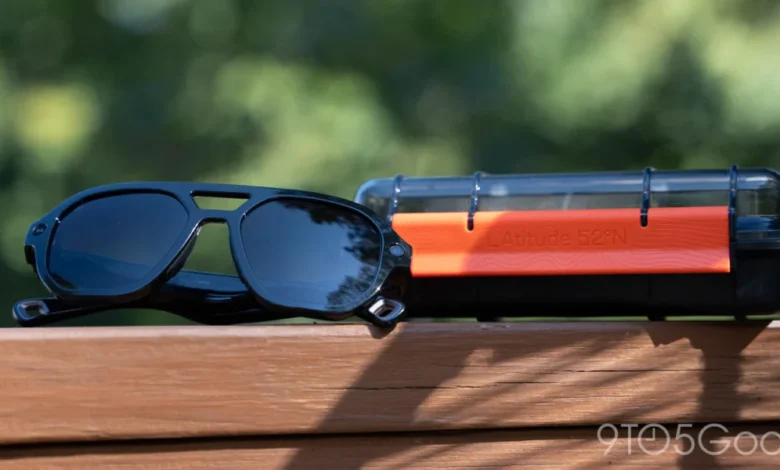
The integration of high-definition cameras into everyday eyewear represents a significant leap in wearable technology, yet this evolution has triggered a profound crisis of confidence among the public. While smart glasses offer a compelling vision of a future defined by mixed-reality, augmented information, and hands-free productivity, the rapid proliferation of devices like the Meta Ray-Ban collection has highlighted a massive, unresolved hurdle: the normalization of surreptitious recording. As the industry prepares for the next wave of Android-based Extended Reality (XR) hardware from tech giants such as Google and Samsung, the "perv glasses" stigma has become a significant barrier to mainstream adoption, forcing manufacturers to grapple with the fallout of privacy concerns, hardware tampering, and a lack of public trust.
A Chronology of Privacy Concerns and Hardware Controversies
The journey toward modern smart glasses began with the promise of "always-ready" connectivity. When Meta, in partnership with EssilorLuxottica, launched its smart eyewear, the primary value proposition was the ability to capture point-of-view (POV) content instantly. However, the rollout was quickly marred by persistent privacy debates.
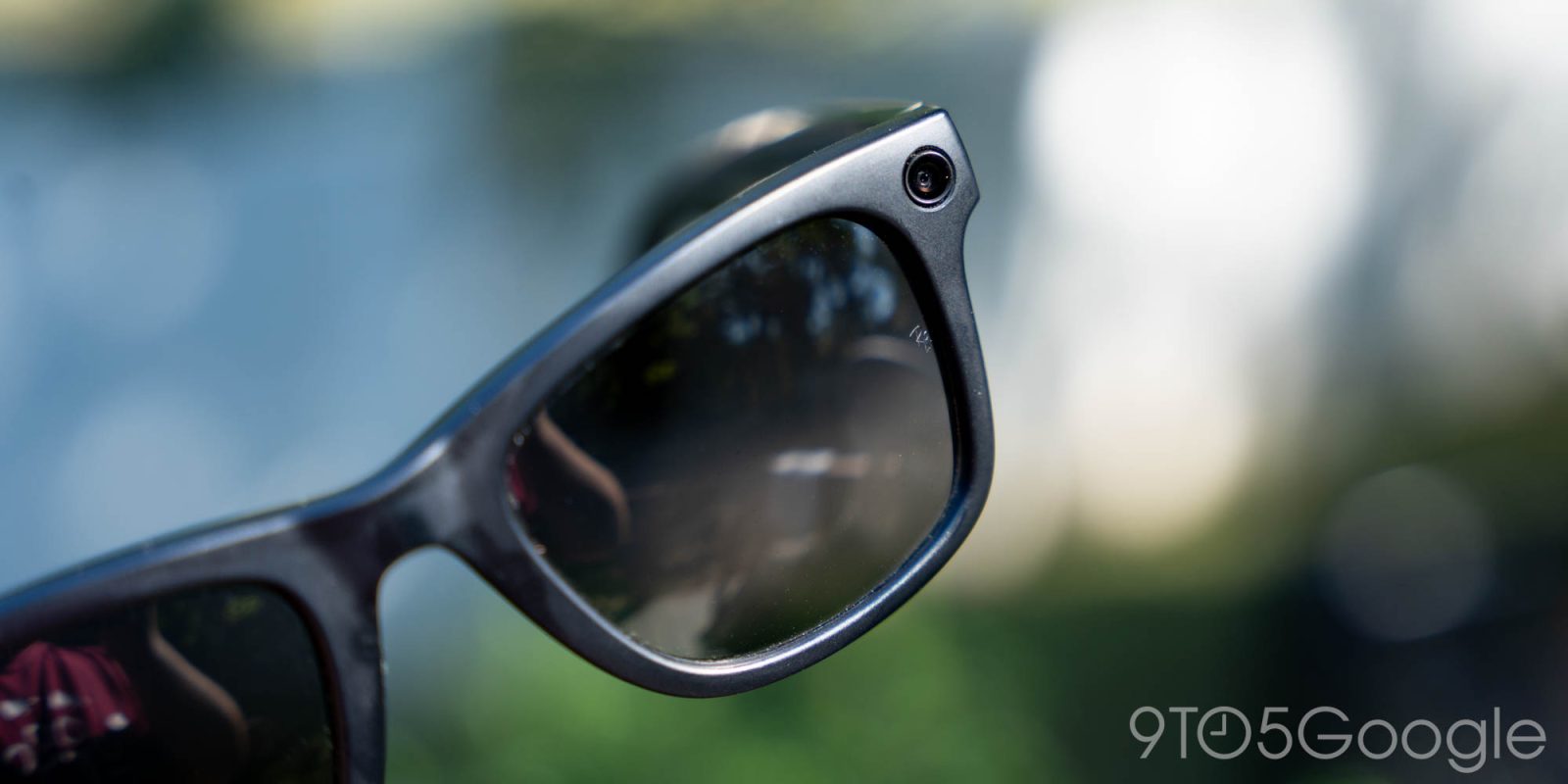
In 2024 and 2025, reports surfaced regarding the potential for unauthorized use of these devices. Critics and privacy advocates pointed to the subtle nature of the cameras, which are often indistinguishable from standard fashion eyewear. The situation escalated when internal reports suggested that Meta employees were reviewing unredacted user data, reigniting fears over how private, first-person footage is stored and utilized by major data-mining corporations.
The controversy reached a boiling point regarding the "privacy LED"—a small light intended to signal to others that a recording is in progress. For nearly two years, reports emerged detailing "back-alley" methods and hardware modifications designed to disable these indicator lights. It was not until July 2026 that Meta introduced a comprehensive software patch aimed at detecting and mitigating tampering with the privacy LED. A secondary, more sophisticated exploit involving the internal circuitry of the glasses was identified shortly thereafter, requiring further remedial updates in late August 2026. This slow response time significantly eroded consumer trust, as the public perceived the company as being reactive rather than proactive in protecting bystanders.
The Impact of Data Privacy and Surveillance Stigma
The fundamental problem with integrating a camera into a device worn on the face is the inherent asymmetry of information. Unlike a smartphone, which is held in the hand and is clearly visible when being used to record, smart glasses operate on a continuous, subtle basis.
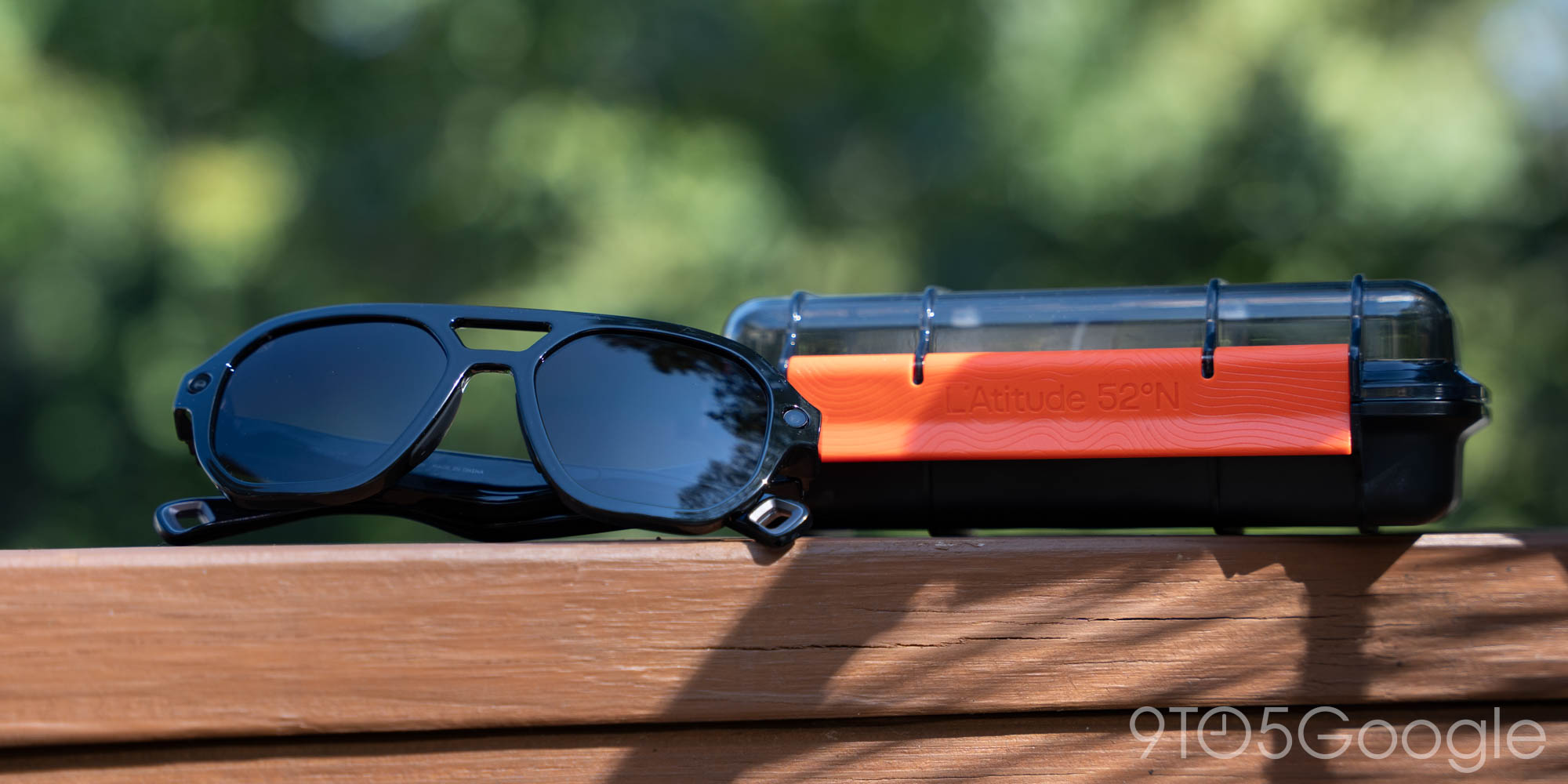
The social stigma surrounding these devices is rooted in a legitimate fear of constant, non-consensual surveillance. Research from privacy think tanks suggests that when technology becomes "invisible," the social norms governing photography and recording are frequently violated. This is particularly problematic in private settings, such as gyms, changing rooms, or restaurants, where the expectation of privacy is paramount.
The association with facial recognition technology has further complicated the narrative. Although companies like Meta have periodically denied or limited the use of facial recognition, the mere prospect that a pair of glasses could identify individuals in real-time has created a hostile environment for the technology. This fear is not merely anecdotal; it has driven legislative discussions in several jurisdictions regarding the restriction of wearable cameras in public spaces.
Industry Response and Future Safeguards
As the market prepares for the entry of Android XR glasses, manufacturers are attempting to differentiate themselves by emphasizing hardware-level security. Samsung, in collaboration with Google, has reportedly integrated "tamper-proof" measures into their upcoming XR lineup. These measures aim to ensure that the hardware cannot be easily modified to bypass privacy indicators, a direct response to the vulnerabilities identified in the earlier generation of smart eyewear.
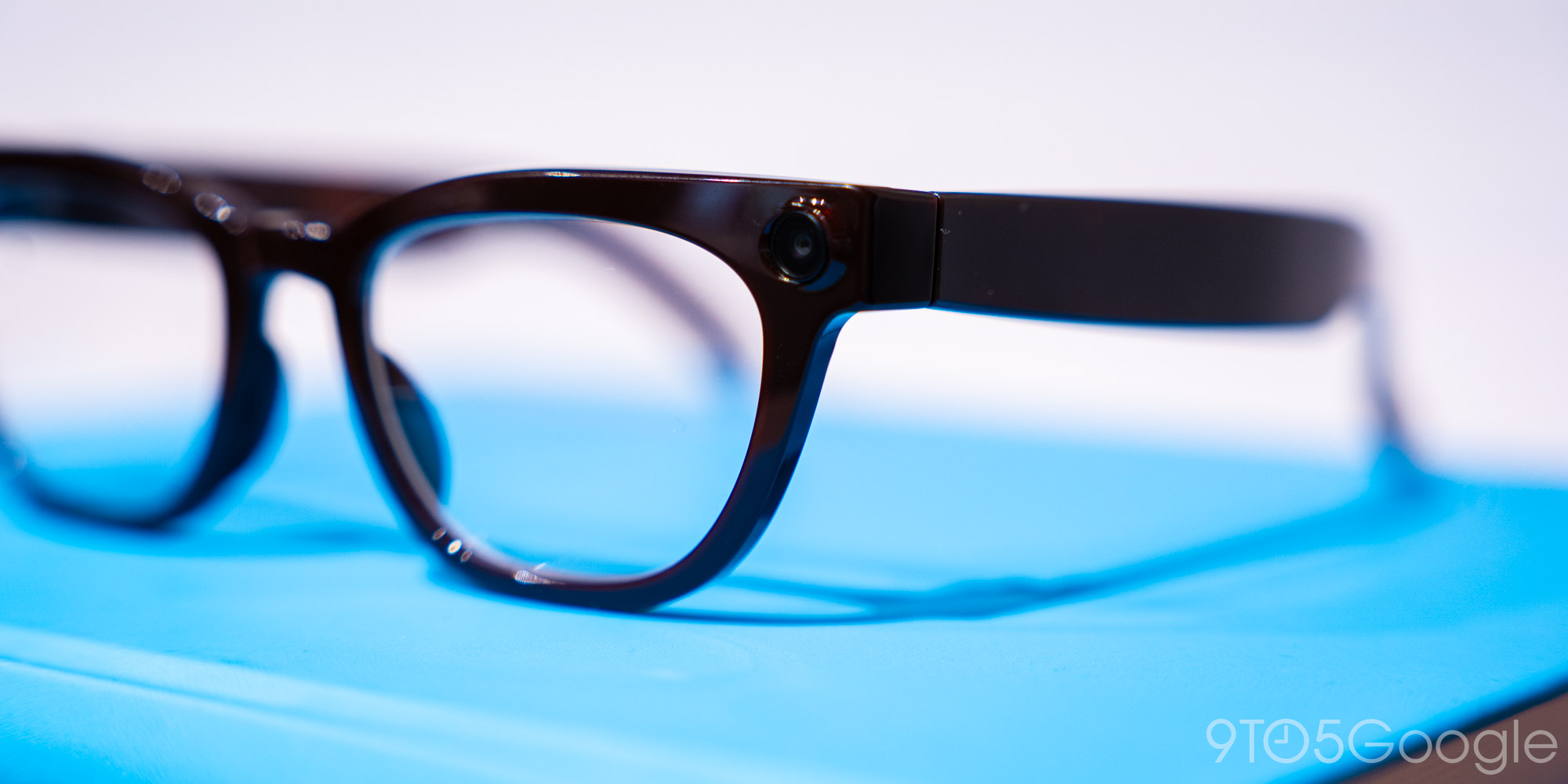
However, the challenge remains one of perception. Industry analysts note that even with robust, tamper-proof hardware, the "stigma tax" will be a significant factor. For companies looking to bring augmented reality to the masses, the hurdle is no longer just technical—it is sociological. Convincing the general public that a device is safe to wear requires a level of transparency and data-handling integrity that has been largely absent from the sector to date.
The Utility vs. Ethics Dilemma
Despite the negative press, the utility of camera-equipped glasses remains undeniably high. Developers and early adopters point to legitimate use cases:
- Accessibility: AI-driven tools can translate menus in real-time, describe objects for visually impaired users, and provide context for navigating complex environments.
- Productivity: Hands-free documentation and video conferencing capabilities are transforming workflows in fields ranging from medicine to logistics.
- Experiential Capture: The ability to record life events from a first-person perspective offers a level of immersion that traditional handheld devices cannot replicate.
The dilemma is whether the industry can separate these productive, ethical use cases from the potential for abuse. Some manufacturers are experimenting with alternatives, such as "audio-only" glasses that provide AI assistance without the controversial camera component. While these devices have seen moderate success, they fail to offer the full suite of multimodal AI features—such as object recognition and environmental mapping—that rely on visual input.

Broader Implications for the XR Market
The "Meta Ray-Ban" era has served as a cautionary tale for the broader tech industry. The implications are clear: consumer hardware that touches on personal privacy must prioritize safety features as a core pillar of development, not as an afterthought.
If the upcoming generation of XR glasses fails to shake the "perv glasses" reputation, the technology risks being relegated to niche enterprise use cases, effectively stalling the dream of a mainstream mixed-reality future. The path forward involves a delicate balance of:
- Hardware Transparency: Making recording status visible, clear, and impossible to obscure.
- Data Sovereignty: Moving away from cloud-centric data processing toward on-device, private AI models that do not transmit raw footage to corporate servers.
- Public Engagement: Developing social protocols and community standards for when and where these devices should be worn, similar to the evolution of etiquette surrounding smartphone usage in the early 2010s.
Ultimately, the trajectory of smart glasses will be decided by whether the industry can move beyond the "surveillance" narrative. The technology is undeniably sophisticated, but its survival depends on a fundamental shift toward protecting the privacy of those in the field of view, as much as it does on the quality of the display or the efficiency of the processor. As we stand on the cusp of the Android XR era, the stakes for manufacturers have never been higher, and the margin for error has effectively vanished.