The Dangerous Intersection of Wildlife and Traffic During the Annual Deer Rutting Season

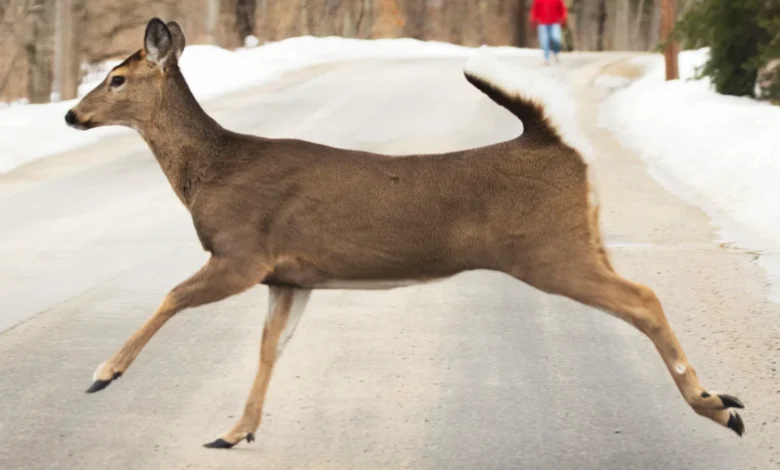
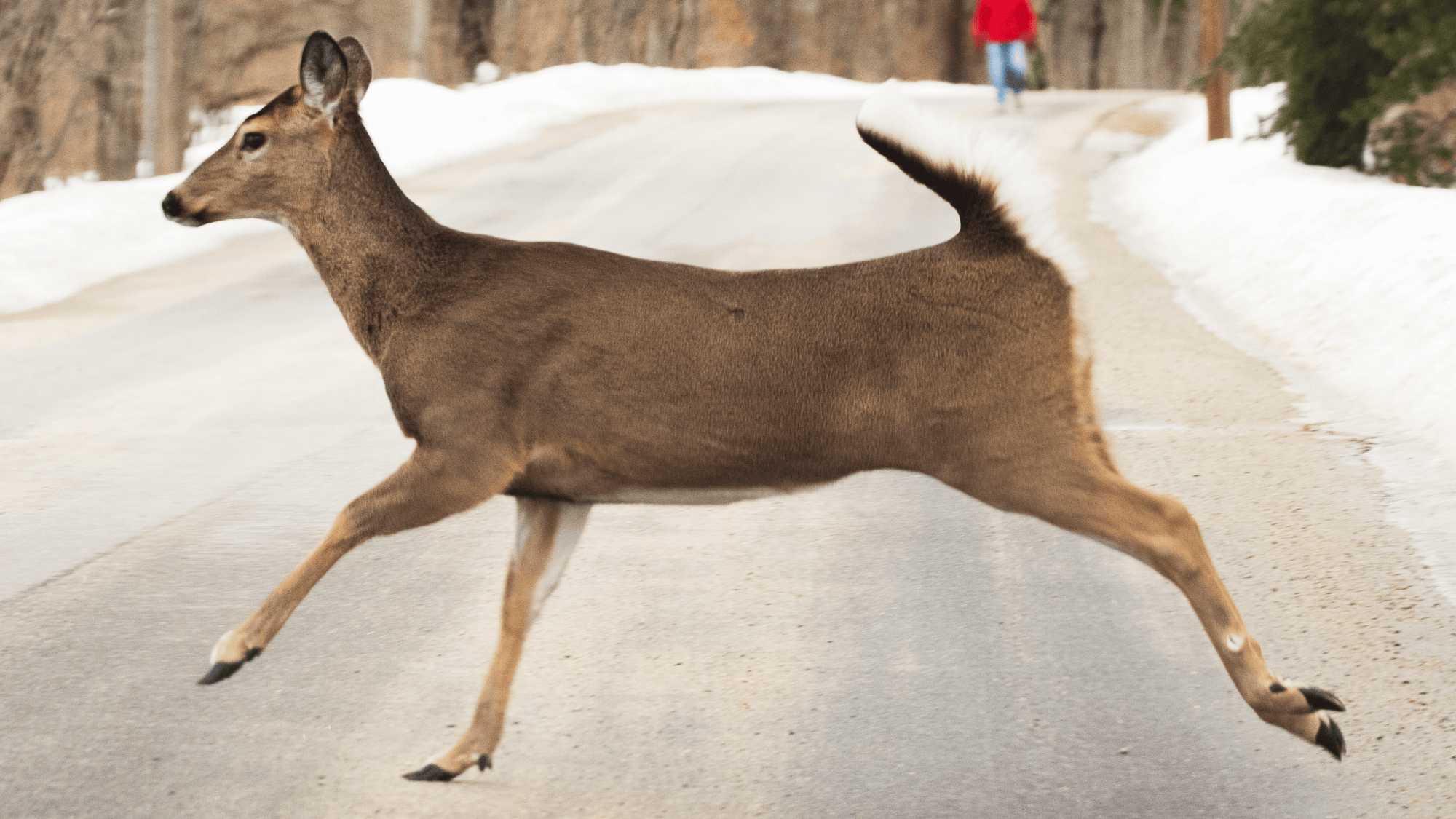
As the autumn season descends, bringing with it the aesthetic shift of falling foliage and cooler temperatures, the North American landscape undergoes a profound biological transformation that significantly impacts public safety. While the average motorist may associate the fall months with seasonal transitions, wildlife experts emphasize that for the white-tailed deer population, this period is defined by the rut—a concentrated breeding season driven by photoperiodism. As daylight hours diminish, hormonal surges in both bucks and does trigger a dramatic shift in behavior, resulting in increased animal movement that correlates directly with a spike in deer-vehicle collisions across the United States.
The Biological Catalyst: Understanding the Rut
The rut is a physiological response to the changing length of daylight, or photoperiod, which signals the approach of winter. For bucks, this transition manifests as a surge in testosterone, driving them to prioritize reproductive success over survival instincts. This period of heightened activity is not merely an increase in movement but a total behavioral overhaul.
According to biologists at the Raven Ridge Wildlife Center, the rut causes bucks to exhibit erratic, high-risk behaviors. Younger males often abandon their maternal ranges to establish new territories, frequently traveling dozens of miles through unfamiliar environments. Simultaneously, mature bucks engage in intensive search patterns, patrolling their established ranges for receptive does. This frantic activity leads to a state of biological depletion; in their singular focus on breeding, some bucks may neglect foraging entirely, burning through as much as 20 percent of their body weight in a matter of weeks.
This hormonal intensity results in a significant reduction in the deer’s natural caution. Unlike their typical state of high-alert survival, deer during the rut are often distracted, making them less reactive to the auditory and visual stimuli of approaching vehicles.
Chronological Risk Factors: The Peak of the Danger Zone
Data from wildlife management agencies, including the Illinois Wildlife Department and regional transportation authorities, indicate that the frequency of deer-vehicle accidents follows a predictable, seasonal arc. While collisions can occur at any time, the window between October and December serves as the primary danger zone.
The temporal alignment of the rut with the conclusion of Daylight Saving Time exacerbates this risk. As clocks fall back, the evening commute for millions of Americans shifts into the twilight hours—a time that coincides with the peak crepuscular movement of deer. Because deer are most active at dawn and dusk, the overlap between rush-hour traffic and the height of the breeding season creates a high-probability environment for collisions.
Statistical Impact and Economic Consequences
The financial and physical implications of these collisions are substantial. According to national insurance industry data, the United States experiences over one million deer-vehicle collisions annually. These accidents are not merely a nuisance; they represent a significant cost to the national economy, with estimates suggesting that repairs and associated medical costs total billions of dollars per year.
Insurance providers consistently report that the average claim for a deer-related accident has risen in recent years, largely due to the increased complexity of modern vehicle safety systems. Sensors, cameras, and collision-avoidance hardware housed in bumpers and grilles often require expensive recalibration or total replacement following a low-speed impact with an animal of significant mass.
Procedural Safety: Best Practices for Motorists
Given that many of these encounters occur in unpredictable environments, authorities emphasize that prevention is the most effective tool, though it is not a guarantee of safety.
Wildlife experts offer the following protocol for drivers navigating high-risk zones:
- Heightened Vigilance: When passing through areas marked by "Deer Crossing" signage, drivers should proactively reduce their speed and scan the shoulders of the road, rather than focusing solely on the pavement.
- The Herd Mentality: Drivers must remember that deer are herd animals. If one individual crosses the road, it is highly probable that others are following in single file. A "near miss" with one animal should be treated as a warning to slow down for potential followers.
- Emergency Response: If a collision occurs, the priority is passenger safety. Drivers should pull the vehicle to a safe location, engage emergency flashers, and avoid the urge to check on the animal or attempt to move the carcass, which may still be alive and capable of causing injury.
- Official Notification: Contacting local law enforcement or 911 is the standard procedure. Dispatchers are equipped to handle the scene, notify wildlife authorities if necessary, and ensure that the animal is moved safely if it poses a continued obstruction to traffic.
Broader Implications for Wildlife Management
The impact of the rut extends beyond human traffic safety; it highlights the challenge of human-wildlife cohabitation in an increasingly developed landscape. As suburban sprawl pushes further into traditional forest and agricultural habitats, the interface between wild deer populations and residential road networks continues to expand.
Ecologists note that the fragmented nature of modern land use forces deer to cross busy thoroughfares simply to move between fragmented patches of food and shelter. The rut acts as a multiplier in this scenario, forcing animals that might otherwise stay in secluded areas to traverse high-traffic zones in search of mates.
State and federal wildlife agencies are increasingly looking toward mitigation strategies, such as the construction of wildlife corridors, underpasses, and specialized fencing. However, these infrastructure projects are costly and often difficult to implement in established urban and suburban settings. Consequently, the burden of safety remains largely with the individual motorist.
Conclusion: A Seasonal Shift in Perspective
As the calendar turns toward the end of the year, the combination of biological necessity and human infrastructure creates a volatile environment. The rut is an essential component of the deer population’s survival, ensuring the continuation of the species through the harsh winter months. However, the intensity of this natural cycle requires a corresponding level of awareness from the human population.
By recognizing the underlying biological drivers of the rut—the hormone-fueled exhaustion of the bucks, the erratic movement patterns of the does, and the timing of peak activity—motorists can better prepare for the increased risks of the season. Awareness, reduced speeds during dawn and dusk, and a clear understanding of what to do in the event of an accident are the primary defenses against what has become a routine, yet hazardous, seasonal phenomenon. As the landscape changes, so too must the driving habits of those who share the road with the wild, ensuring that both human travelers and the local ecosystem remain as secure as possible throughout the autumn months.