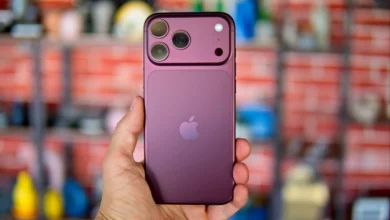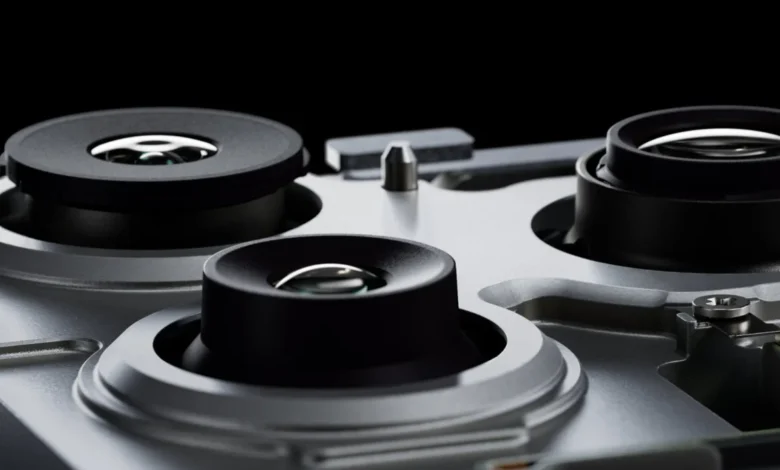
Apple is poised to introduce a groundbreaking innovation in mobile photography with the upcoming iPhone 18 Pro and iPhone 18 Pro Max, which are widely expected to feature a variable-aperture camera. This highly anticipated upgrade, repeatedly circulating within industry rumor circles, would represent a significant first for Apple’s celebrated smartphone lineup. Slated for a September debut alongside the company’s inaugural foldable iPhone, this technological advancement promises to fundamentally alter how users capture photos and videos, moving beyond purely computational enhancements to offer mechanical control over light intake. However, this premium feature is arriving amidst predictions of substantial price hikes for Apple’s next generation of flagship devices, raising questions about accessibility and market positioning.
The Mechanics of Variable Aperture: A Deep Dive
At its core, an aperture is a diaphragm within a camera lens that controls the amount of light passing through to the sensor. Conceptually similar to the pupil of the human eye, which dilates in dim conditions and constricts in bright light, a variable aperture system allows for dynamic adjustment of this opening. Current iPhone cameras, for all their sophisticated computational prowess, operate with a fixed aperture. This means the physical opening of the lens remains constant, forcing the device to rely heavily on software algorithms, sensor sensitivity (ISO), and shutter speed adjustments to manage exposure and image characteristics. While Apple’s computational photography stack – encompassing technologies like Deep Fusion, the Photonic Engine, and Smart HDR – has achieved remarkable results in compensating for fixed hardware limitations, a variable aperture introduces a new dimension of control.
The implementation of a variable aperture typically involves a series of overlapping blades that can expand or contract to change the size of the lens opening. This mechanical control offers distinct advantages over software-only solutions. By directly regulating light intake, the camera can achieve optimal exposure without excessively manipulating other parameters that might introduce unwanted artifacts, such as digital noise from high ISO settings or motion blur from slow shutter speeds. For users, this translates into a more authentic and optically superior image capture, rather than one heavily synthesized through post-processing.
Unlocking New Creative Potentials and Enhanced Image Quality
The practical implications of a variable aperture for everyday iPhone users are multifaceted and extend across both still photography and videography. The most immediate and noticeable improvement is expected to be in video recording, particularly in challenging outdoor conditions.
Smoother, More Cinematic Video: When shooting video in bright sunlight with a fixed-aperture camera, the iPhone often has to employ extremely fast shutter speeds to prevent overexposure. While this keeps the image bright, it can result in a phenomenon known as "jerky" or unnaturally sharp motion, where each frame is captured with minimal motion blur, making movement appear staccato rather than fluid. This effect, often observed in amateur videography, contradicts the aesthetic principle of the "180-degree rule" in filmmaking, which dictates that shutter speed should ideally be double the frame rate (e.g., 1/48th of a second for 24 frames per second) to achieve natural motion blur. The iPhone 18 Pro’s variable aperture would address this by allowing the lens opening to become smaller in bright light, thus limiting the amount of light reaching the sensor. This, in turn, permits the camera to use slower, more appropriate shutter speeds, yielding video with a more natural, cinematic motion blur and preventing blown-out highlights.
Sharper Photography with Improved Dynamic Range: Beyond video, still photography stands to benefit significantly. In well-lit environments, a narrower aperture (higher f-number) generally increases the depth of field, meaning more of the scene, from foreground to background, will appear in sharp focus. This can lead to photos that are sharper across the frame, especially noticeable around the edges of the image, where lens aberrations can sometimes be more pronounced. Furthermore, by optimizing light intake, the camera can capture a wider dynamic range, preserving detail in both the brightest highlights and the darkest shadows, leading to images that are closer to what the human eye perceives.
Authentic Portrait Mode and Bokeh Effect: One of the most compelling enhancements promises to be in Portrait Mode, particularly concerning the "bokeh" effect – the aesthetic quality of the blur produced in the out-of-focus parts of an image. Current iPhone Portrait Mode relies heavily on software to simulate background blur, using depth data from sensors like LiDAR and computational mapping to separate the subject from the background. While impressive, this computational bokeh can sometimes appear artificial, with noticeable artifacts around the edges of subjects or an unnatural gradient of blur. A variable aperture, especially when widened (lower f-number), creates optical bokeh directly through the lens. This physical separation of focal planes inherently produces a more realistic, creamy, and pleasing background blur, making Portrait Mode photos look less "rendered" and more akin to those captured by professional cameras with larger sensors and wide-aperture lenses. This shift from purely algorithmic blur to an optically assisted effect could elevate the perceived professionalism and artistry of iPhone photography.
The User Control Dilemma: Automatic Intelligence or Creative Empowerment?
A pivotal question that remains unanswered ahead of the iPhone 18 Pro’s launch is the degree of user control over this variable aperture. Will Apple integrate it as a seamless, automatic feature that works behind the scenes to optimize image quality, or will it empower users with manual control, allowing photographers to actively adjust the aperture setting (e.g., f/1.8, f/2.8, f/4.0) to achieve specific creative effects?
Apple’s design philosophy historically leans towards intuitive, "it just works" solutions, often automating complex processes to simplify the user experience. In this scenario, the iPhone’s advanced computational photography system would intelligently adjust the aperture based on lighting conditions and scene analysis, ensuring optimal exposure and depth of field without requiring user intervention. This approach would make the benefits accessible to every user, regardless of their photographic expertise.
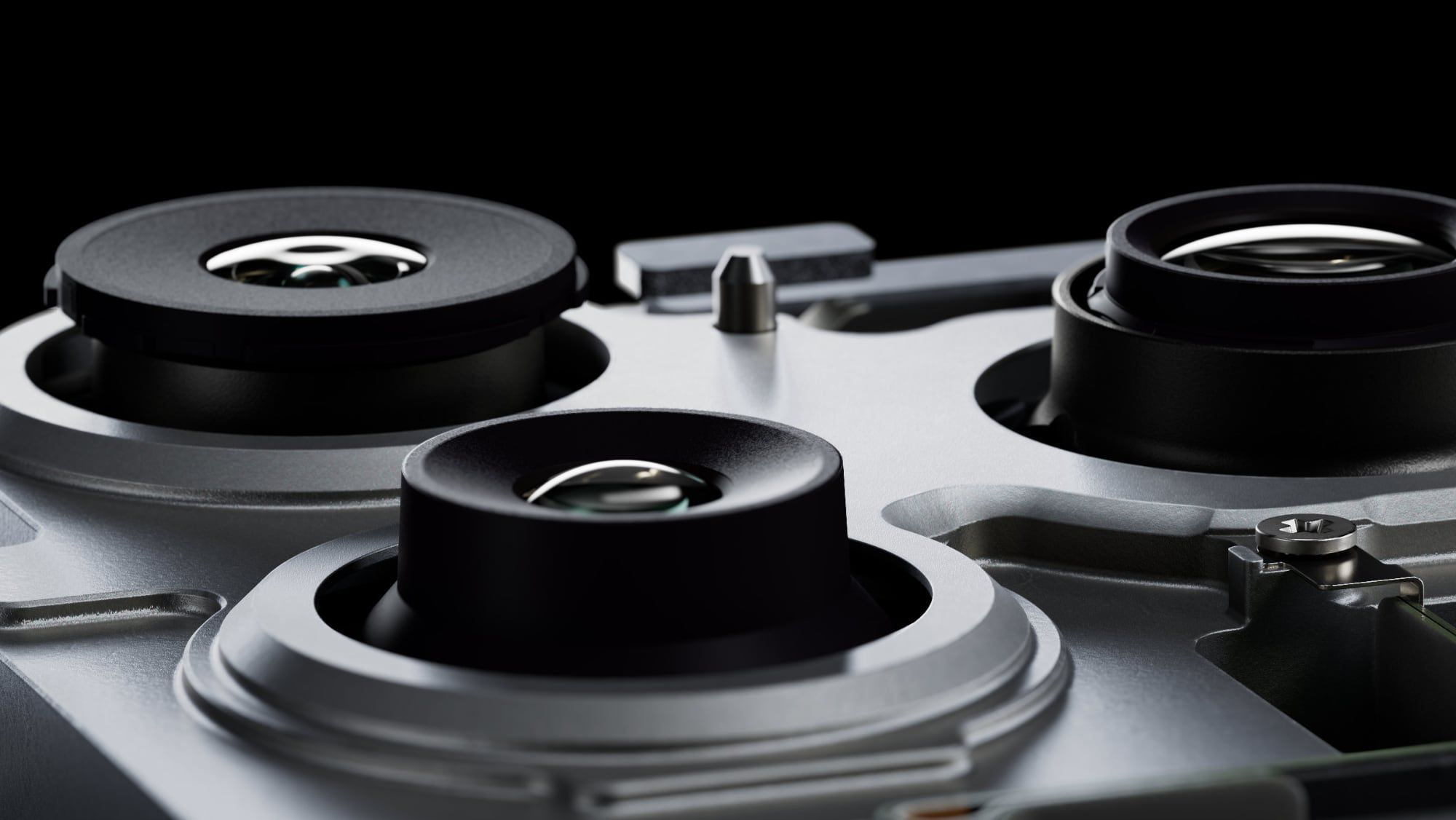
However, offering manual control, perhaps within the ProRAW mode or a dedicated Pro camera interface, would unlock significant creative potential for advanced users and professional mobile photographers. The ability to manually select aperture values would allow for deliberate control over depth of field – choosing a wide aperture for maximum background blur in portraits, or a narrower one for greater sharpness across landscapes. This would transform the variable aperture from a mere quality enhancement into a powerful artistic tool, bridging the gap between smartphone cameras and traditional interchangeable lens systems. It is conceivable that Apple might pursue a hybrid approach, offering intelligent automatic adjustments for the majority of users while providing granular manual controls for those who seek them, mirroring its strategy with features like ProRAW.
A Competitive Edge in the Evolving Smartphone Landscape
While a first for Apple, the concept of a variable-aperture camera in smartphones is not entirely new to the industry. Manufacturers like Samsung have previously experimented with variable apertures in their flagship devices, such as the Galaxy S9 and S10, offering a two-stop aperture (e.g., f/1.5 and f/2.4). Sony has also explored similar technologies in some of its Xperia models. Apple’s entry into this arena, however, often signifies a maturation and refinement of the technology, coupled with unparalleled integration into its ecosystem and computational photography pipeline.
Apple’s consistent focus on camera innovation has been a cornerstone of the iPhone’s appeal. From introducing multi-lens systems and larger sensors to pioneering features like Cinematic Mode, ProRes video, and LiDAR scanners for enhanced depth sensing, each generation has pushed the boundaries of mobile imaging. The variable aperture can be seen as the next logical evolution in this trajectory, addressing fundamental optical limitations that software alone cannot fully overcome. It signals a move towards enhancing the core hardware capabilities, rather than solely relying on post-processing, potentially setting a new benchmark for flagship smartphone cameras.
Timeline and Rumor Mill Insights
Rumors surrounding an iPhone with a variable aperture have circulated for several years, intensifying as Apple’s computational photography approached its zenith. Early whispers suggested it for previous generations, but supply chain complexities and refinement challenges likely pushed its implementation. The current consensus from prominent analysts and supply chain sources, including those that have accurately predicted Apple’s moves in the past, points firmly to the iPhone 18 Pro series for this debut.
The iPhone 18 Pro and iPhone 18 Pro Max are expected to be unveiled at Apple’s customary September event, a launch window that has consistently been used for new iPhone generations. This year’s event is particularly anticipated, not only for the camera innovations but also for the rumored introduction of Apple’s first foldable iPhone, a device that could redefine form factors in the smartphone market. The simultaneous launch of such significant hardware upgrades underscores Apple’s ambitious strategy to maintain its leadership position in both premium and innovative segments.
Broader Implications: The Price of Innovation
The introduction of such advanced camera technology, coupled with other anticipated enhancements, is not without its economic implications. Alongside the variable-aperture rumors, there have been persistent and increasingly concrete reports suggesting significant price increases for the iPhone 18 Pro models. Yesterday’s wave of price hikes across Apple’s existing product lineup, including HomePod mini, HomePod, Apple TV, and other accessories, has fueled these predictions.
Chinese leakers and analytical firms like IDC have tipped the iPhone 18 Pro and Pro Max to see price increases ranging from $100 to potentially $200. IDC Senior Director of Data & Analytics Nabila Popal had initially predicted a $100 increase for the Pro models and $50 for the base models, but the recent broader price adjustments by Apple suggest the magnitude of increases could be even higher. Such a substantial jump would make the iPhone 18 Pro models the most expensive iPhones to date, further solidifying their position as ultra-premium devices.
This potential pricing strategy could reflect several factors: the increased cost of sophisticated components like the variable-aperture lens mechanism, rising manufacturing expenses, inflation, and Apple’s continued push to differentiate its Pro lineup with exclusive, cutting-edge features. While these price hikes might deter some consumers, they also underscore Apple’s confidence in the value and innovation packed into its flagship offerings. The market’s reaction to these elevated prices will be a critical indicator of consumer willingness to pay a premium for advanced mobile photography capabilities and new form factors.
Anticipation Builds for September
As Wednesday, July 22, 2026, unfolds, the technology world watches with bated breath. The iPhone 18 Pro’s variable-aperture camera stands as a testament to Apple’s ongoing commitment to pushing the boundaries of mobile photography. By integrating mechanical control over light intake, Apple aims to deliver not just incremental improvements, but a qualitative leap in image and video fidelity. The promise of smoother video, sharper photos, and more realistic Portrait Mode bokeh represents a compelling proposition for both casual users and photography enthusiasts. While the specifics of user control and the final price tags remain subjects of intense speculation, the impending September launch is set to be a landmark event, potentially redefining expectations for smartphone cameras and the premium segment of the mobile market for years to come.