The political landscape of the United States underwent a seismic shift on November 3, 2026, as the midterm elections delivered a decisive victory for the Democratic Party. In a cycle that saw control of both the House of Representatives and the Senate move into the hands of Democratic leadership, the results were not merely interpreted as a policy pivot; they acted as a cultural catalyst. Across social media platforms, this "blue wave" triggered an unexpected wave of collective nostalgia, with users reaching for the aesthetic and emotional touchstones of the late 2000s and early 2010s to articulate a renewed sense of civic hope.
The Anatomy of a Cultural Revival
The phenomenon of "millennial optimism"—a term that has seen a 5,000 percent increase in search volume according to recent Google trend data—refers to a specific, idealized version of the Obama era. For those who came of age during the 2008-2016 period, the current political victory feels like a reclamation of a future that many believed had been derailed.
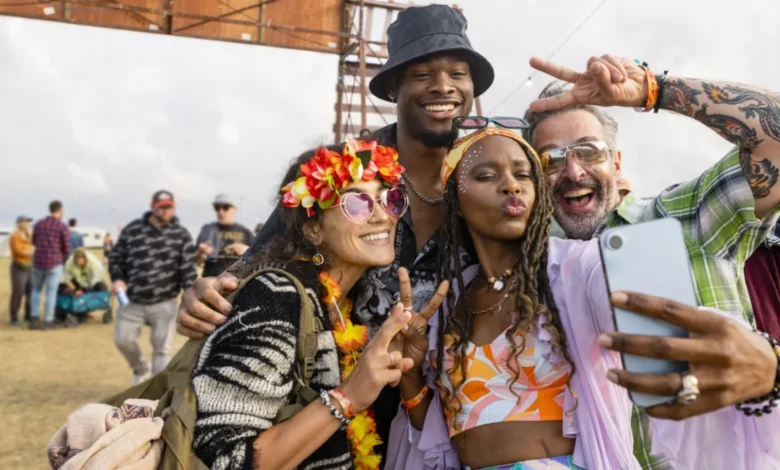
On platforms like TikTok and X (formerly Twitter), the digital discourse has been saturated with imagery characteristic of that time: Apple Photo Booth filters, statement jewelry, flower crowns, and the ubiquitous sound of indie-folk tracks like The Middle East’s "Blood" or Fun.’s "We Are Young." This aesthetic is more than just a stylistic preference; it serves as a vessel for a simpler, pre-algorithm era of the internet. During that time, social media felt more personal and less governed by the hyper-targeted, divisive content loops that define the current digital experience.
Chronology of the 2026 Shift
The roots of this trend can be traced back to the months leading up to the 2026 midterms. As campaign rhetoric intensified, younger voters began to draw parallels between the current mobilization efforts and the grassroots organizing that characterized the 2008 presidential campaign.
- Early 2026: Online subcultures begin sharing "core memory" content, focusing on the cultural optimism of the late 2000s.
- Late Summer 2026: The term "millennial optimism" begins to circulate as a shorthand for a feeling of agency and communal excitement regarding the future.
- November 3, 2026: Election night results show Democratic surges in traditionally Republican-leaning states such as Texas and Kansas.
- November 4, 2026: The morning after the election, social media platforms see a surge in posts comparing the political climate to the excitement surrounding the early Obama administration, with users widely adopting the moniker "The Blue Tsunami."
Understanding the Generational Gap
The resurgence of this sentiment has created a complex intergenerational dialogue. For older Millennials, the nostalgia is rooted in a memory of a time before the profound political polarization of the late 2010s. For Gen Z, however, the trend offers a window into an era they observed as children but could not fully participate in.

One prominent narrative appearing on social media suggests that the "millennial optimism" of the past was an aspirational blueprint for a future that ultimately failed to materialize. Younger users are now engaging with this content as a way to mourn the loss of that promise, while simultaneously attempting to re-instill that hope in the current political cycle. This duality—the mourning of a lost past and the building of a new future—is what gives the current trend its emotional weight.
Political Implications and Data
The statistical reality of the 2026 midterms provides the foundation for this emotional response. The shift in congressional power was marked by higher-than-expected turnout among voters aged 18 to 34. Preliminary exit polling suggests that issues such as reproductive rights, climate policy, and economic stability served as the primary drivers for this demographic.
The "blue tsunami" in states like Texas and Kansas represents a significant realignment in suburban voting patterns, suggesting that the Democratic platform successfully engaged voters who had previously been disillusioned with the political process. Political analysts note that this shift is not merely a rejection of the opposition, but a proactive embrace of a party platform that aligns with the values of younger, more progressive voters.
The Role of Corporate and Cultural Participation
The digital conversation reached a fever pitch as corporate brands and public figures joined the trend. The iconic musical Hamilton, which gained its massive cultural footprint during the second term of the Obama presidency, saw a resurgence in mentions. The playful engagement of legacy brands like BuzzFeed, which joked about reverting to its 2012-era branding in light of the election results, underscored how deep the nostalgia for that specific cultural epoch runs.
By leaning into these cultural signals, brands and influencers are tapping into a desire for consistency and lightheartedness. The humor, while self-aware, functions as a mechanism for relief. After years of sustained political tension and economic instability, the ability to "meme" the election results serves as a psychological buffer, allowing voters to process monumental change through a familiar, less-daunting lens.
Analysis: A Reality Check
While the current wave of optimism is undeniably powerful, political scientists caution against conflating a social media trend with long-term political stability. The late 2000s, while remembered fondly by some, were also marked by the Great Recession, a volatile housing market, and the early stages of the student debt crisis.

"Millennial optimism" effectively acts as a curated memory. It prioritizes the cultural aesthetic of the era—the hope, the music, and the belief in institutional change—while glossing over the systemic challenges that persisted throughout that decade. The current challenge for the Democratic Party and its supporters will be to translate this temporary surge of enthusiasm into sustainable policy outcomes that address the very real concerns of modern voters, including inflation, housing affordability, and global security.
Broader Societal Impact
The phenomenon of "millennial optimism" suggests that we are entering a new phase of political engagement where the line between digital culture and civic duty is increasingly blurred. When citizens feel that their vote has a tangible impact, the culture surrounding that victory naturally reflects their personal histories and shared memories.
If this momentum is maintained, it could mark a pivot away from the cynicism that has characterized political discourse for the past decade. However, the true test will be whether this optimism can survive the inevitable legislative friction that accompanies any shift in power. For now, the internet is choosing to remain in a state of hopeful reflection, using the tools of the past to build a bridge to a potentially different, more progressive future.
As the dust settles on the 2026 midterms, the "millennial optimism" trend stands as a testament to the power of narrative. It proves that voters are not just looking for policy wins; they are looking for a sense of belonging and a feeling that, for the first time in a long time, the future is something to look forward to rather than something to dread. Whether this feeling will last remains to be seen, but for the immediate aftermath, the country is, quite literally, humming along to the soundtrack of a previous decade.