NASA’s Commercial Satellite Data Acquisition Program webinar to detail advancements in Earth observation and data accessibility

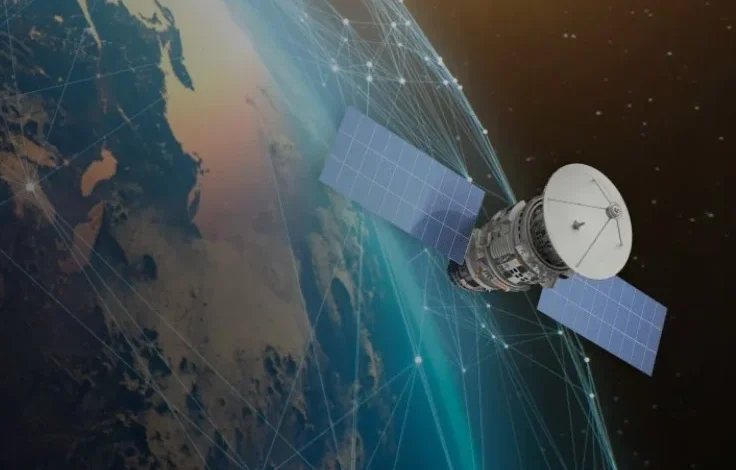
The Commercial Satellite Data Acquisition (CSDA) Program, a cornerstone of NASA’s Earth Science Division, is poised to provide a comprehensive update on its operational progress, technical capabilities, and strategic expansion during an upcoming industry-focused webinar scheduled for September 2026. This initiative, designed to bridge the gap between public research objectives and the rapidly maturing private space sector, has become instrumental in supplementing the agency’s traditional Earth-observing satellite fleet. As the demand for high-resolution, high-frequency, and taskable imagery continues to surge across the scientific and policy communities, NASA is increasingly leveraging commercial partnerships to enhance its global monitoring capabilities.
The Evolution of the CSDA Program
The CSDA Program was officially established to formalize the acquisition and evaluation of commercial Earth observation data. Historically, NASA relied exclusively on government-owned and operated assets, such as the Landsat series or the Terra and Aqua satellites. While these assets remain the "gold standard" for open-access scientific data, they are inherently limited by orbital cycles and fixed sensor specifications.
The CSDA program represents a strategic shift in the agency’s procurement philosophy. By purchasing data licenses from private entities, NASA gains access to constellations of SmallSats that offer higher revisit rates and superior spatial resolution. This hybrid model allows the agency to maintain the continuity of its decadal surveys while simultaneously benefiting from the agility of the commercial space industry. Since its inception, the program has evolved from a pilot project into a mature pipeline, systematically vetting vendors and ensuring that commercial datasets meet the rigorous calibration and validation (cal/val) standards required for academic and government research.
Chronology of Program Milestones
The trajectory of the CSDA program reflects the broader trends within the NewSpace economy. The program began as a targeted effort to explore whether private data could augment NASA’s Earth Science mission.
- 2017–2018: NASA initiated formal studies to evaluate the utility of commercial data, focusing on the feasibility of integrating private imagery into existing scientific workflows.
- 2019–2020: The agency moved toward active procurement, establishing the first round of task orders with commercial vendors. These early agreements focused on establishing a framework for licensing that would allow NASA-funded researchers to access proprietary data without compromising the agency’s commitment to open science.
- 2021–2023: The program saw significant expansion as more providers entered the market. NASA refined its evaluation processes, moving toward a more transparent, standardized method of data assessment to ensure scientific reproducibility.
- 2024–2025: The launch of the Satellite Data Explorer tool marked a major milestone in user accessibility, centralizing various datasets and simplifying the tasking process for authorized researchers.
- 2026: The current focus has shifted toward the establishment of a formal cal/val initiative, aiming to standardize the quality of commercial data to match the high precision of NASA’s primary satellite instruments.
Technical Modalities and Data Integration
The forthcoming webinar will place significant emphasis on the technical modalities currently available to the user community. The data landscape has expanded to include high-resolution optical imagery, Synthetic Aperture Radar (SAR) data, and radio occultation measurements. These diverse modalities allow researchers to observe phenomena that were previously obscured by cloud cover or limited by daytime-only imaging.
The integration of these datasets is managed through the Satellite Data Explorer, a sophisticated digital interface that provides a unified gateway for data discovery and retrieval. For researchers, the challenge has traditionally been the disparate nature of commercial data formats and licensing agreements. The CSDA program addresses this by negotiating standardized end-user licensing agreements (EULAs), which simplify the legal complexities and allow scientists to focus on data analysis rather than contractual compliance.
Strengthening Data Quality Through Cal/Val
A significant portion of the upcoming discourse will be dedicated to the new calibration and validation (cal/val) initiative. In the scientific community, the validity of a research finding is only as strong as the quality of the underlying data. Commercial data providers, while innovative, often lack the historical calibration records associated with government-funded missions.
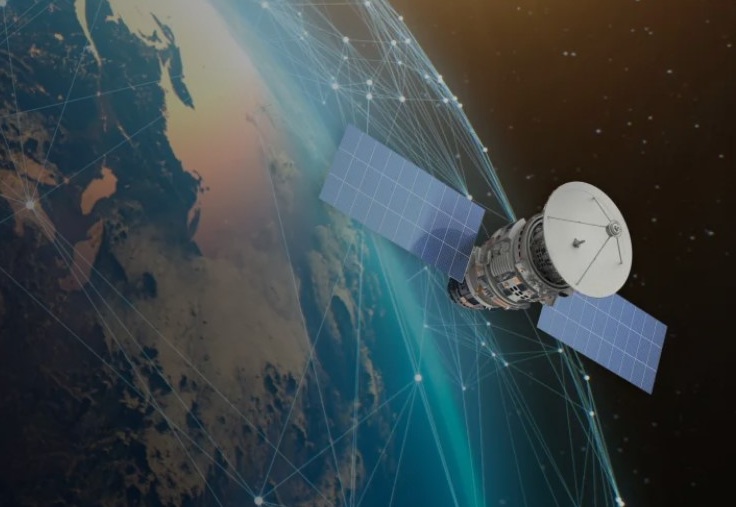
NASA’s new initiative aims to perform independent assessments of these commercial sensors. By comparing commercial outputs with established "ground truth" measurements—such as those from NASA’s own instruments or high-precision ground-based sensors—the program is creating a standardized quality-assurance framework. This is critical for applications like climate modeling and disaster response, where even slight inaccuracies in sensor readings could lead to significant errors in predictive outcomes.
Implications for the Scientific Community
The implications of the CSDA program extend far beyond the immediate research community. By providing consistent access to high-frequency imagery, NASA is enabling a new class of "actionable research." For instance, in the field of agriculture, the ability to monitor crop health at a sub-field level on a daily basis allows for more precise resource management. In climate science, the ability to track glacial melt or deforestation in near-real-time provides policymakers with the empirical evidence needed to implement effective mitigation strategies.
However, the program also presents challenges. The primary concern among critics is the risk of "data silos." While NASA provides licensed access, the data itself remains proprietary to the commercial provider. Ensuring that the scientific findings derived from this data remain reproducible and transparent is a core mandate of the CSDA program. The webinar is expected to address how the agency balances the proprietary interests of its vendors with the overarching need for open scientific discourse.
Strategic Outlook and Future Engagement
The September 2026 update will also highlight new opportunities for user engagement. As the program matures, NASA is actively seeking to expand its user base beyond traditional Earth science researchers to include civil servants, urban planners, and international partners. The introduction of new learning resources—such as tutorials on the Satellite Data Explorer and workshops on data fusion techniques—suggests that the agency is investing heavily in human capital as much as it is in hardware.
The status of existing task orders remains a topic of high interest. As the market for Earth observation data becomes more competitive, the terms of these orders serve as a bellwether for the health of the commercial space sector. By providing a clear roadmap of its future needs, NASA is effectively signaling to the industry where it expects innovation to occur, thereby guiding private investment toward the areas of highest societal impact.
Conclusion: A Collaborative Future
The upcoming webinar serves as a critical junction for the CSDA program. By synthesizing the technical advancements in data accessibility with the rigorous quality standards of the cal/val initiative, NASA is reinforcing its role as both a consumer and a steward of Earth observation data. As the agency navigates the complexities of a multi-vendor environment, the success of the CSDA program will likely be measured by its ability to maintain the high standards of the NASA brand while fostering a robust, competitive commercial ecosystem.
For the scientific community, the message is clear: the era of relying solely on massive, multi-year government satellite projects is being augmented by a dynamic, responsive, and increasingly accessible landscape of private-sector data. Whether this shift will fully realize the promise of "actionable research" remains to be seen, but the transparency of the upcoming CSDA briefings underscores a firm commitment to integrating these new capabilities into the agency’s long-term vision for understanding our changing planet. Through continued collaboration, rigorous evaluation, and a focus on user-centric tools, NASA and its commercial partners are setting the stage for a new generation of Earth science discovery.