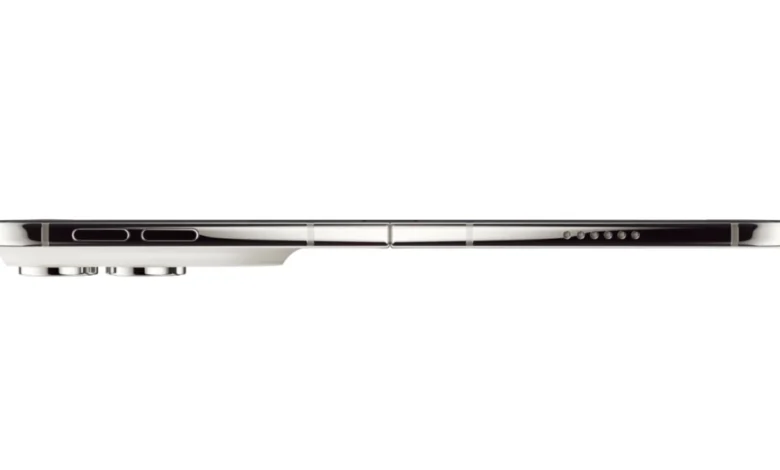
The unveiling of the iPhone Duo marked a pivotal moment in Apple’s hardware history, signaling the company’s official entry into the foldable device market. While the event focused heavily on the device’s dual-screen capabilities and its refined hinge architecture, the discourse surrounding the iPhone Duo has been quietly shaped by what did not make it to the stage: a bespoke Apple Pencil designed specifically for the folding form factor. Reports from industry analysts, including Mark Gurman, indicate that Apple initially pursued a proprietary stylus solution before pivoting to the existing USB-C Apple Pencil. This decision, driven by last-minute engineering hurdles, represents a significant shift in Apple’s accessory strategy and has left early adopters awaiting a software update to unlock stylus functionality.
A Departure from Original Design Intentions
For years, the prospect of Apple Pencil support on an iPhone has been a subject of intense speculation. With the advent of the iPhone Duo, Apple finally saw a hardware platform large enough to justify the inclusion of stylus input. Internal roadmaps suggested that the company was not merely planning to adapt existing iPad accessories, but was actively developing a new, miniaturized Apple Pencil.
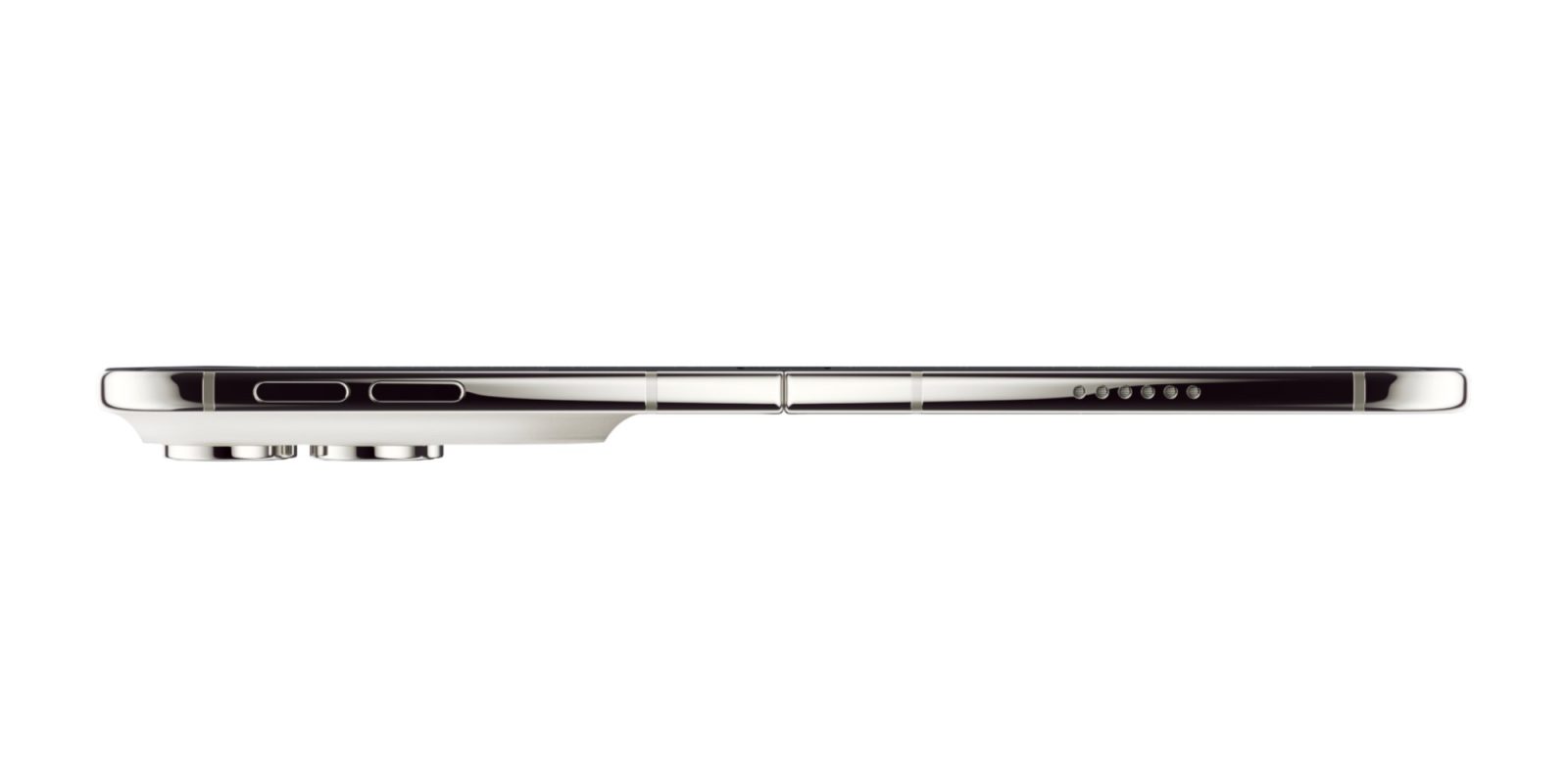
This conceptual device was designed with the unique physical constraints of a foldable phone in mind. The primary engineering goal was to create a stylus that could integrate seamlessly with the iPhone Duo’s hinge mechanism. By utilizing the space near the fold, Apple aimed to provide a convenient, magnetic attachment point that would allow for both storage and charging. However, as the device approached the mass production phase, these plans were abandoned. Sources familiar with the internal development process cited "technical problems" as the primary driver for the cancellation of the specialized stylus. While the exact nature of these issues remains proprietary, it is widely speculated that the integration of charging induction coils within the hinge—without compromising the structural integrity of the folding mechanism—proved to be an insurmountable challenge within the required development timeline.
The Pivot to the USB-C Apple Pencil
Following the abandonment of the custom-designed stylus, Apple shifted its strategy to utilize the existing USB-C Apple Pencil. This decision was a pragmatic one, allowing the company to maintain its release schedule for the iPhone Duo while still offering professional-grade input capabilities. However, this shift was not without its consequences. Because the iPhone Duo was initially optimized for a different, smaller accessory, the integration of the standard USB-C Apple Pencil required significant software-level adjustments.
This is the fundamental reason why iPhone Duo users cannot utilize a stylus out of the box. The current software stack, while sophisticated, requires a specific calibration to recognize the input characteristics and latency requirements of the USB-C Apple Pencil on the iPhone Duo’s unique display panels. Unlike the iPad, which has been built with stylus latency optimization at the hardware level for nearly a decade, the iPhone Duo must simulate this environment through complex software algorithms. Consequently, Apple has publicly stated that support for the USB-C Apple Pencil will arrive via a firmware update later in the calendar year.
A Chronology of Development and Delay
The timeline of the iPhone Duo’s development reveals the volatility inherent in bringing new product categories to market. In early 2026, industry rumors began to solidify around the existence of an "iPhone Ultra" with advanced input capabilities. By mid-summer, reports from supply chain analysts indicated that while prototypes featured magnetic stylus attachment, the functionality remained inconsistent.
By late August 2026, the technical difficulties surrounding the custom stylus had reached a critical juncture. The decision was made to scrap the prototype to ensure that the phone’s primary launch would not be delayed. The Apple event in September served as the official reveal, yet the omission of the stylus from the initial retail package was conspicuous. Apple’s internal testing teams are currently in the midst of a rigorous validation process to ensure that when the software update is pushed to devices, the latency, pressure sensitivity, and palm rejection performance meet the company’s stringent quality standards. Analysts expect this update to be deployed in the final quarter of 2026, likely coinciding with the holiday shopping season.

Technical Implications and Market Impact
The decision to rely on an existing accessory rather than a custom one carries several implications for the user experience. First, the USB-C Apple Pencil is significantly larger than the rumored prototype that was intended for the hinge attachment. This creates a functional gap: users will have to carry the stylus separately, as there is no integrated dock or holster within the iPhone Duo’s chassis. This design choice may limit the appeal of the stylus for the average consumer, relegating it to a niche tool for digital artists or enterprise users who are already accustomed to carrying iPad accessories.
Furthermore, the reliance on the USB-C Apple Pencil—which lacks the pressure sensitivity found in the higher-end Apple Pencil Pro—suggests that the iPhone Duo’s stylus support may be intended primarily for navigation, annotation, and basic sketching, rather than professional-level illustration. From a technical standpoint, the challenges of syncing two distinct displays into one cohesive drawing surface are substantial. Apple must ensure that the transition of the stylus tip across the crease of the folding screen is fluid and that the software correctly interprets strokes that span both halves of the display.
Broader Strategic Context for Apple
Apple’s move into the foldable space is characterized by a "wait-and-see" approach that has defined the company’s product philosophy for decades. Rather than rushing to be first to market with a potentially flawed device, Apple has opted for a measured entry. The cancellation of the custom Apple Pencil is evidence of this strategy; when a component does not meet the "Apple standard," the company is willing to delay or abandon it entirely, even if it means missing a marketing opportunity.
The broader implications for the smartphone market are notable. As competitors like Samsung have long integrated stylus support into their high-end foldable offerings, Apple’s entry into this segment with a delayed, software-enabled solution is a departure from its usual seamless integration. However, it also highlights the difficulty of retrofitting stylus support into a device that was originally designed with a different input philosophy.

Future Outlook and Industry Speculation
Looking ahead, the industry remains curious about whether Apple will revisit the concept of a foldable-specific stylus. If the current implementation of the USB-C Apple Pencil proves successful in terms of user adoption, Apple may see sufficient market demand to resume development of a more portable, hinge-compatible version. Alternatively, the company may focus on refining the software experience to the point where the existing stylus feels like a natural extension of the device, rendering a new hardware version unnecessary.
For now, the focus within Apple’s engineering labs remains on the stability of the upcoming software patch. Internal reports suggest that the engineering team is prioritizing "low-latency input response," which is critical for the tactile feel of writing on glass. Failure to achieve this could result in a negative reception among power users, who are the primary target demographic for an iPhone with stylus support.
The story of the iPhone Duo’s stylus is one of technical ambition meeting the reality of production constraints. It serves as a reminder that even at a company with the resources of Apple, the transition to new form factors involves significant friction. As 2026 draws to a close, all eyes will be on the software deployment that will finally activate this hidden feature, potentially unlocking the full creative potential of the iPhone Duo. Whether this serves as a temporary bridge or a long-term solution, the integration of stylus input remains one of the most critical variables in determining the success of Apple’s folding smartphone as a productivity tool in the professional landscape.
Ultimately, the events surrounding the iPhone Duo reveal a company in transition, balancing the desire for innovation with the necessity of operational reliability. While the initial vision of a hinge-integrated stylus was shelved, the subsequent effort to bring the USB-C Apple Pencil to the iPhone Duo demonstrates Apple’s commitment to providing a cohesive ecosystem, even if the path to that cohesion requires a detour through additional software validation and testing cycles. For the end user, the result will be a device that gradually gains new capabilities, reflecting the evolving nature of modern mobile technology.