GasPulse App Offers New Data-Driven Insights Into National Fuel Market Trends and Price Volatility

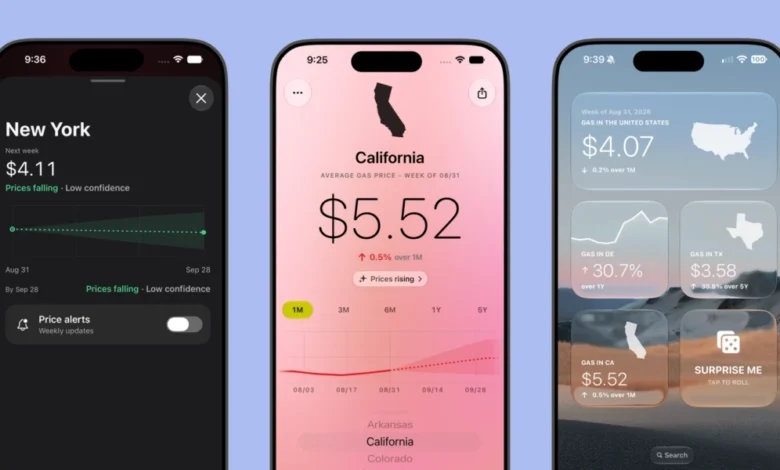
The volatility of the American energy market remains a persistent source of economic anxiety for consumers, with fuel prices acting as a primary indicator of broader inflationary pressures. While most mobile applications in the automotive sector focus on locating the cheapest gas station within a specific radius, a new utility, GasPulse, has emerged to provide a macro-level perspective on fuel economics. By leveraging data provided by the U.S. Energy Information Administration (EIA), the application offers users a deep dive into historical trends, regional comparisons, and predictive modeling for fuel costs across the United States.
The Macroeconomic Context of Fuel Pricing
Fuel prices in the United States are subject to a complex web of global and domestic factors. Crude oil costs, which account for roughly 50% to 60% of the price at the pump, are influenced by international geopolitical stability, OPEC+ production quotas, and global demand shifts. The remaining cost is divided among refining, distribution, marketing, and federal and state taxes.
Historically, consumers have had limited tools to interpret these fluctuations beyond checking local pump prices. GasPulse enters this space as an educational and analytical tool rather than a transactional one. By aggregating EIA data—the gold standard for energy reporting in the U.S.—the app allows users to view the "pulse" of the market. Rather than chasing cents per gallon at a nearby station, the app encourages a broader understanding of why prices fluctuate, providing context that can help households manage their transportation budgets over the medium to long term.
Technical Capabilities and Feature Integration
GasPulse distinguishes itself through its integration with the iOS ecosystem. The application is built specifically for modern iPhone hardware running iOS 18 or later, utilizing the latest developer APIs to ensure a seamless user experience.
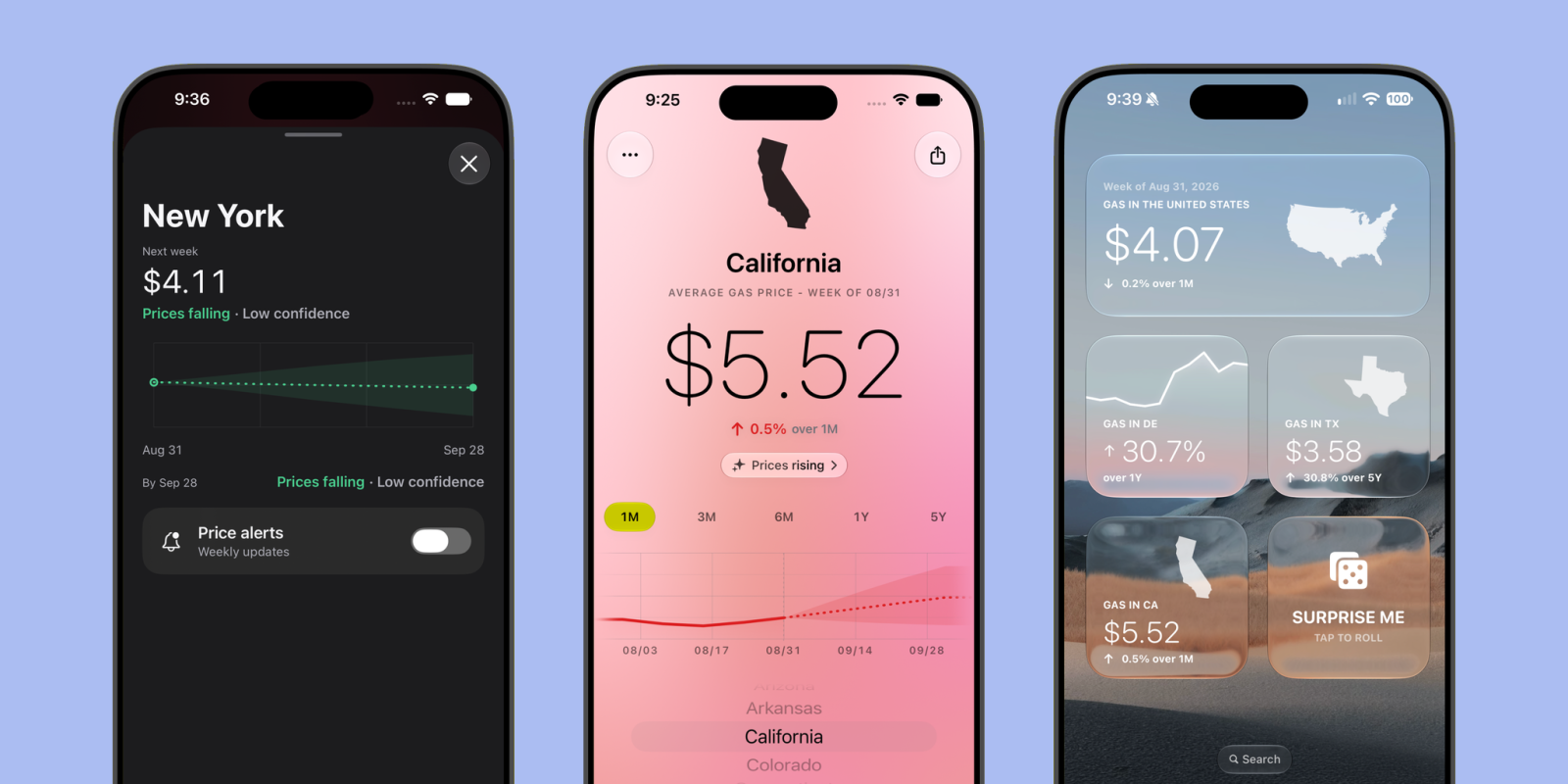
The application’s core features include:
- Historical Data Analysis: The platform provides up to five years of historical pricing data, allowing users to visualize seasonal trends and long-term inflationary cycles.
- Regional Benchmarking: Users can perform state-by-state comparisons to understand how regional tax structures, refinery proximity, and distribution logistics influence local pricing.
- Predictive Outlook: Through advanced data modeling, the app provides estimates on future market direction. While these remain speculative, they provide a valuable baseline for consumers attempting to decide whether to fill their tanks immediately or wait for a projected price dip.
- System-Level Notifications: The app provides free price alerts for up to six designated regions. These notifications utilize iOS background refresh capabilities to deliver updates directly to the user’s device, ensuring that significant market shifts do not go unnoticed.
- Widget and Siri Support: Integration with the iPhone’s home screen and lock screen widgets allows users to monitor market trends at a glance. Additionally, Siri shortcuts allow for hands-free queries regarding current gas price trends.
Chronology and Development
The development of GasPulse comes at a time when consumer reliance on mobile data for personal financial management is at an all-time high. Throughout the early 2020s, the "gig economy" and the rise of remote work changed commuting patterns, yet fuel remained a significant line item in the average American household budget.
In late 2024 and early 2025, developers began noticing a gap in the App Store market: while "gas-finder" apps were saturated with local, crowdsourced data—which is often prone to inaccuracies—there was a lack of high-fidelity, government-verified analytical tools for the average consumer. The development of GasPulse focused on bridging this gap by prioritizing accuracy and clean data visualization. By September 2026, the application reached its current state of maturity, offering a clean, ad-free interface that eschews the typical monetization strategies of subscription-based utility apps.
Data-Driven Market Implications
For economists and energy analysts, tools like GasPulse represent a democratization of market data. Previously, detailed EIA reports were often buried in complex spreadsheets and technical white papers, largely inaccessible to the general public. By translating this data into user-friendly charts and trends, the application assists in better market transparency.
When consumers understand the broader context—such as seasonal maintenance at major refineries or temporary supply chain disruptions—they are better equipped to navigate market volatility. This transparency can help mitigate "panic refueling," a phenomenon where consumers rush to gas stations at the first sign of a price hike, often exacerbating local supply shortages and driving prices even higher. By providing a more stable, information-rich view of the market, such tools potentially contribute to a more informed and rational consumer base.

The Role of Independent Developers
GasPulse serves as a case study for the "Indie App Spotlight" movement, which celebrates developers who prioritize user privacy and utility over aggressive advertising. In an industry where many free applications monetize user data or subject users to intrusive ad tracking, GasPulse’s model of a free, ad-free, and privacy-conscious interface is noteworthy.
The decision to avoid a subscription model is a significant departure from current industry trends. Most utility apps have shifted toward "SaaS" (Software as a Service) models, locking basic features behind monthly paywalls. By keeping the app accessible, the developers behind GasPulse are clearly aiming for a broader user base, prioritizing the adoption of their analytical framework over immediate revenue maximization.
Impact on Consumer Financial Planning
Understanding the cyclical nature of fuel prices is essential for personal financial planning. For instance, data indicates that fuel prices typically peak during the summer driving season and retreat during the winter months. However, regional disparities—such as the significantly higher prices often seen in the West Coast markets compared to the Gulf Coast—can be better managed when consumers have access to comparative data.
GasPulse allows users to track these regional differences in real-time. A user planning a long-distance road trip can use the app to identify which states along their route typically offer lower fuel prices, potentially saving hundreds of dollars over the course of an extended journey. This is not just a convenience; it is a tool for strategic financial navigation.
Future Outlook and Industry Responses
As the energy sector continues its transition toward alternative fuels and electric vehicles (EVs), the relevance of traditional gas price tracking is evolving. However, with millions of internal combustion engine (ICE) vehicles still on the road, the need for fuel price monitoring remains critical.

While the major oil companies and retail chains generally do not comment on third-party analytical apps, industry observers suggest that increased consumer awareness is generally beneficial for the market. Informed consumers are more likely to support policies that promote price stability and transparency.
Moreover, as iOS continues to integrate more robust AI features, the potential for apps like GasPulse to provide personalized, hyper-local advice—such as "filling up now" based on a user’s specific driving habits and upcoming travel plans—is immense. The current version of the app provides a foundation for these future capabilities, setting a standard for how government-sourced data can be repurposed for individual empowerment.
Conclusion: A New Standard for Utility
GasPulse represents a shift toward more sophisticated consumer tools. By combining high-level macroeconomic data with the intuitive design language of modern mobile operating systems, it provides a unique service that helps bridge the gap between complex energy markets and daily household budgeting.
For iPhone users, particularly those who are sensitive to fuel price fluctuations or who frequently travel across state lines, the application offers a level of clarity that was previously unavailable to the average consumer. As the app continues to evolve, its focus on data accuracy and user experience will likely serve as a benchmark for other indie developers entering the personal finance and utility space. Users interested in a more comprehensive understanding of the fuel market can download the application via the App Store, provided their device is updated to iOS 18 or later. Through this, they gain access to a tool that is not merely tracking prices, but providing a necessary window into the complexities of the national energy economy.