HMD Pulse Pro 2nd Edition Surfaces Via Retail Listing Revealing Major Performance and Display Upgrades

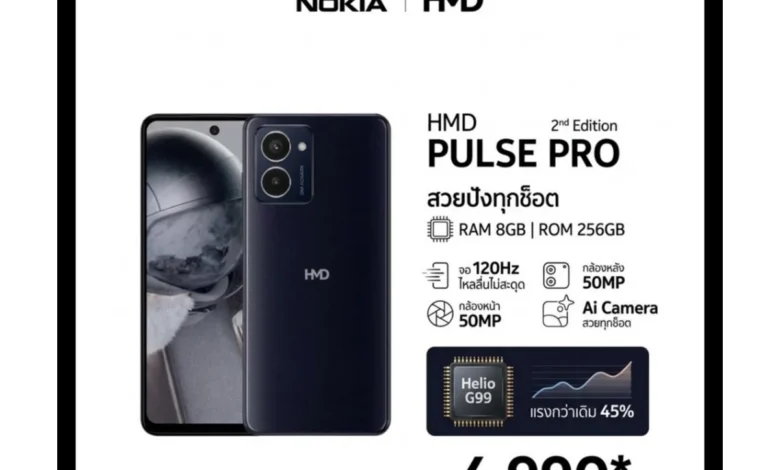
HMD is quietly preparing a substantial refresh for one of its most popular budget-friendly smartphones, according to recent leaks originating from online retail listings and industry insiders. The device, identified as the HMD Pulse Pro 2nd Edition, has emerged on a Thai retail portal—specifically appearing under what is believed to be the Nokia Official Shop. Priced at THB 4,990, which translates to approximately $148 USD, this upcoming iteration promises to address several performance and display limitations found in its predecessor, signaling a strategic shift by the Finnish manufacturer toward delivering higher-value specifications in the ultra-competitive entry-level market.
The original HMD Pulse Pro was launched in April 2024 as part of a broader rebranding and product diversification strategy following the company’s transition away from exclusive reliance on the Nokia brand name. While the first-generation Pulse Pro succeeded in capturing consumer attention with its clean aesthetic, repairability focus, and capable selfie camera, its internal hardware—anchored by the entry-level Unisoc T606 processor and a 90Hz HD+ display—drew mixed reviews from tech critics who noted performance bottlenecks during intensive multitasking. The newly discovered 2nd Edition aims to resolve these criticisms directly by introducing a thoroughly overhauled internal architecture and a significantly faster display panel, maintaining the familiar design language while elevating nearly every core metric of the hardware experience.
Detailed Specifications of the HMD Pulse Pro 2nd Edition
According to the retail documentation and corroborating leaks shared by prominent industry tipsters on social media platform X, the HMD Pulse Pro 2nd Edition brings a substantial generational leap in processing power and display fidelity. The most notable internal upgrade is the inclusion of the MediaTek Helio G99 chipset, a proven workhorse in the mid-range segment known for its robust power efficiency and balanced performance profile. Retail listings claim this new processor delivers up to a 45 percent performance increase over the Unisoc T606 utilized in the original model, which should translate to noticeably smoother app transitions, improved gaming capabilities, and better thermal management during sustained workloads.
In addition to the processor upgrade, the device is configured with 8GB of physical RAM and a generous 256GB of internal storage, doubling the maximum storage capacity offered by its predecessor. This expansion addresses the growing demands of modern mobile applications, high-resolution media files, and local AI processing tasks. Visual output is handled by an upgraded display panel featuring a 120Hz refresh rate, a notable step up from the 90Hz limit of the first-generation model. While initial European leak variants suggest a 6.56-inch HD+ specification, the higher refresh rate ensures significantly smoother scrolling and animation rendering throughout the user interface.
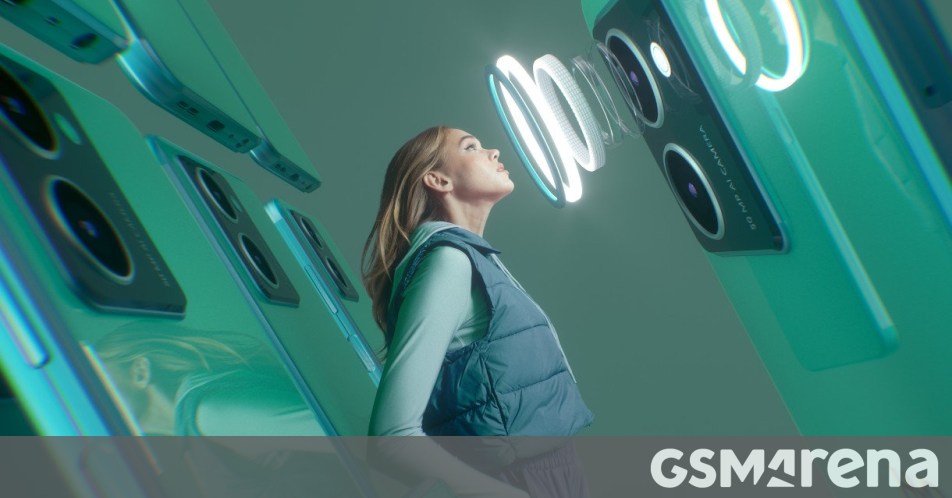
Imaging capabilities remain a core pillar of the Pulse Pro marketing narrative, with the 2nd Edition retaining the high-resolution hardware configuration that defined its predecessor. The device features a 50-megapixel main rear camera—rumored in some regional variants to include Optical Image Stabilization (OIS)—alongside a secondary depth or utility sensor. On the front, the phone boasts an equally impressive 50-megapixel selfie camera, heavily marketed under "AI Camera" branding to appeal to content creators and social media users who prioritize front-facing photography in the budget tier. Despite these extensive internal modifications, the physical chassis design remains virtually indistinguishable from the original model, appearing in the retail listings with a classic black finish.
A Chronological Overview of the HMD Pulse Lineup and Evolution
To understand the strategic positioning of the HMD Pulse Pro 2nd Edition, it is essential to examine the chronological development of HMD’s smartphone portfolio over the past several years. The brand’s journey has been characterized by a careful balancing act between nostalgia-driven feature phones and modern, sustainable smartphones designed for repairability and longevity.
In 2022, HMD utilized the "2nd Edition" moniker for the Nokia C2 2nd Edition, an ultra-budget device featuring a metallic frame designed to withstand the rigors of daily use in developing markets. This established a precedent within the company’s product strategy: refreshing existing chassis designs with minor structural or internal improvements to extend market relevance without incurring the substantial research and development costs associated with entirely new industrial designs.
Fast forward to April 2024, when HMD officially launched the original Pulse lineup, comprising the Pulse, Pulse+, and Pulse Pro. These devices were heavily promoted for their "Gen Fix" repairability ethos, allowing users to easily replace cracked screens, bent charging ports, and degraded batteries using kits provided by iFixit. However, as the smartphone market rapidly evolved through late 2024 and early 2025, consumer expectations in the sub-$200 bracket shifted toward higher refresh rates, larger base storage capacities, and more capable processors.
The timeline accelerated further in early 2025. Ahead of the IFA trade events, a Swiss retailer briefly listed an alternative iteration designated as the HMD Pulse 2 Pro, though that specific model failed to see a commercial release. Shortly thereafter, supply chain and retail tipsters revealed more advanced variants within the pipeline, including the HMD Pulse 2T Pro. The Pulse 2T Pro leak showcased an even more ambitious feature set, incorporating a 6.78-inch OLED 120Hz display, the MediaTek Helio G100 processor, a massive 6,000 mAh battery with 33W fast charging, IP64 dust and water resistance, and a distinctive dot-matrix secondary display on the rear panel.
Broader Ecosystem Expansion: Fusion and Crest Max
The strategy of rolling out "2nd Edition" refreshes is not isolated to the Pulse family. Industry insiders report that HMD is applying the exact same nomenclature and upgrade philosophy to other recent devices in its ecosystem, most notably the HMD Fusion and the HMD Crest Max.
The HMD Fusion, originally introduced as a modular device supporting functional back-covers known as "Outfits," is slated to receive a performance overhaul centered around the Qualcomm Snapdragon 7s Gen 2 chipset. This upgrade will inject substantial 5G connectivity and superior graphics processing into the Fusion ecosystem, expanding its appeal beyond modular experimentation into mainstream performance territory. Similarly, the HMD Crest Max is reported to transition toward MediaTek’s Dimensity 7025 platform, ensuring that HMD’s entire mid-tier and budget lineup is modernized with contemporary 5G-capable processors and higher-tier memory configurations.
This synchronized hardware refresh across multiple product lines indicates a concerted effort by HMD to fortify its competitive standing against aggressive Chinese original equipment manufacturers (OEMs) that dominate the global budget and mid-range landscape. By upgrading core components while retaining proven industrial designs and manufacturing efficiencies, HMD can optimize its supply chain costs while offering consumers significantly better value for money.
Market Analysis, Pricing Strategy, and Economic Implications
The appearance of the HMD Pulse Pro 2nd Edition at THB 4,990 (approximately $148) highlights a deliberate pricing strategy aimed squarely at emerging markets in Southeast Asia as well as cost-conscious European consumers. At under $150, offering an 8GB RAM and 256GB storage configuration paired with a 120Hz display and a MediaTek Helio G99 processor represents an aggressive value proposition that disrupts traditional budget pricing tiers.
From an economic perspective, the integration of the Helio G99 is a particularly shrewd move. As a 4G chipset that has matured significantly, it offers flagship-tier efficiency and stability without the higher cost overhead associated with introductory 5G modems. For regions where 5G infrastructure is still expanding or where consumers prioritize local storage capacity and battery longevity over cellular network speeds, a well-optimized 4G device with high-end memory specs can capture substantial market share.
Furthermore, HMD’s continued emphasis on sustainability and repairability provides a unique differentiator. While competitors in the sub-$150 bracket frequently treat budget phones as disposable commodities, HMD’s design philosophy allows users to maintain their devices over longer replacement cycles. The introduction of the 2nd Edition effectively bridges the gap between hardware longevity and modern performance demands, ensuring that devices purchased today will not feel obsolete within twelve months of ownership.
Industry Reactions and Consumer Expectations
While HMD has not yet issued a formal, globally synchronized press release detailing the complete rollout schedule for the Pulse Pro 2nd Edition, retail appearances and insider leaks have already generated considerable discussion within the tech community. Early consumer reception has been largely positive, with tech enthusiasts praising the company for listening to criticism regarding the processing limitations of the original Pulse Pro.
Retailers in regions such as Thailand and various European test markets appear eager to stock the refreshed lineup, viewing it as a reliable sales driver for the upcoming retail quarters. Analysts note that while the smartphone market faces broader macroeconomic pressures characterized by longer consumer upgrade cycles, competitively priced devices that offer tangible upgrades—such as doubling storage to 256GB and boosting refresh rates to 120Hz—consistently outperform stagnant product lines.
The inclusion of advanced camera branding and higher-resolution sensors also aligns with current consumer trends. In the entry-level segment, camera quality remains a primary deciding factor for buyers. By maintaining the 50-megapixel front and rear hardware architecture while upgrading the underlying computational power via the Helio G99’s improved image signal processor (ISP), HMD is positioning the Pulse Pro 2nd Edition as a capable multimedia tool rather than a bare-minimum communication device.
Future Outlook for HMD’s Mobile Strategy
As HMD continues to navigate the post-Nokia transition phase, the rollout of the Pulse Pro 2nd Edition, alongside anticipated updates to the Fusion and Crest Max families, illustrates a maturing corporate strategy. Rather than relying solely on brand nostalgia, the company is demonstrating an ability to pivot rapidly in response to retail feedback and component cost fluctuations.
The forthcoming months will likely see formal regional announcements, detailed availability timelines, and official confirmation of pricing structures across European, Asian, and Latin American markets. If the retail listings accurately reflect the final commercial offerings, the HMD Pulse Pro 2nd Edition stands poised to redefine consumer expectations for what an entry-level smartphone can deliver in terms of performance, storage, and visual fluidity. Through this calculated refresh cycle, HMD is reinforcing its market presence and laying a solid foundation for sustainable growth in the hyper-competitive global mobile landscape.